How Often a Bengal Cat Needs an Echo
It's a common worry for any Bengal cat owner: the fear of unseen health issues, especially those silent ones that can creep up on our beloved, active companions. One such concern is heart disease, specifically Hypertrophic Cardiomyopathy (HCM), which can affect Bengal cats. Understanding when and how often your Bengal needs an echocardiogram (echo) is crucial for their long-term health and peace of mind, and this guide aims to unravel that complex question for you.
Understanding Hypertrophic Cardiomyopathy in Bengal Cats
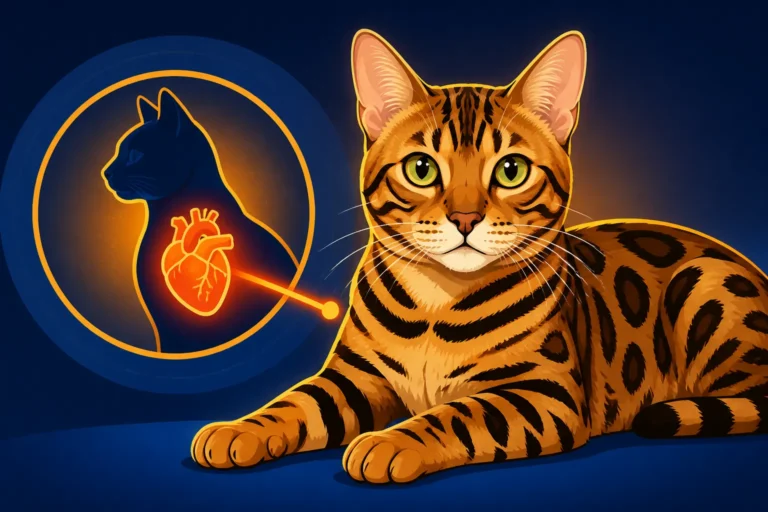
Hypertrophic Cardiomyopathy, or HCM, is the most common heart disease in cats, and unfortunately, Bengal cats are among the breeds genetically predisposed to it. It's a condition where the muscular walls of the heart, particularly the left ventricle, become abnormally thick. This thickening makes it harder for the heart to pump blood effectively, leading to a host of problems.
What HCM Does to a Bengal Cat's Heart
When the heart muscle thickens, it reduces the volume of blood the heart can hold and restricts its ability to relax properly between beats. Imagine trying to squeeze water out of a very stiff sponge – it's much harder than a soft, pliable one. This reduced efficiency can lead to several serious health complications. Over time, the increased pressure can cause the left atrium to enlarge, and this can predispose a cat to blood clot formation. These clots, if they travel, can block blood flow to the limbs, causing immense pain and often paralysis, a condition known as saddle thrombus. Furthermore, the heart's decreased function can lead to fluid accumulation in or around the lungs, resulting in congestive heart failure. Cats with HCM might show very subtle signs initially, or none at all, which is why early and regular screening is so important. Many owners don't realize anything is wrong until their cat experiences a sudden, acute crisis, which can be devastating.
For more in-depth information, you might find our article on What HCM Does to a Bengal Cat's Heart particularly enlightening.
Why There Is No Bengal Cat HCM Gene Test
One of the biggest frustrations for Bengal cat breeders and owners alike is the lack of a reliable genetic test for HCM in the breed. Unlike some other breeds, like the Maine Coon or Ragdoll, where specific gene mutations have been identified and tests developed, the genetics of HCM in Bengal cats are much more complex and polygenic, meaning multiple genes are likely involved. This absence of a simple DNA test means that relying solely on genetic screening (which doesn't exist for Bengal HCM) is not an option. Instead, the primary tool for diagnosing and monitoring HCM in Bengals remains the echocardiogram. This can be disheartening because it means ongoing, often expensive, veterinary intervention is the only way to proactively manage the risk. It also puts a significant burden on breeders to screen their cats diligently to try and minimize the spread of the disease within their lines. The hope for a breakthrough in genetic testing is always there, but for now, we must rely on other diagnostic methods. If you're curious about the challenges of genetic testing, you can read more about Why There Is No Bengal Cat HCM Gene Test.
Initial Echocardiogram Screening for Your Bengal
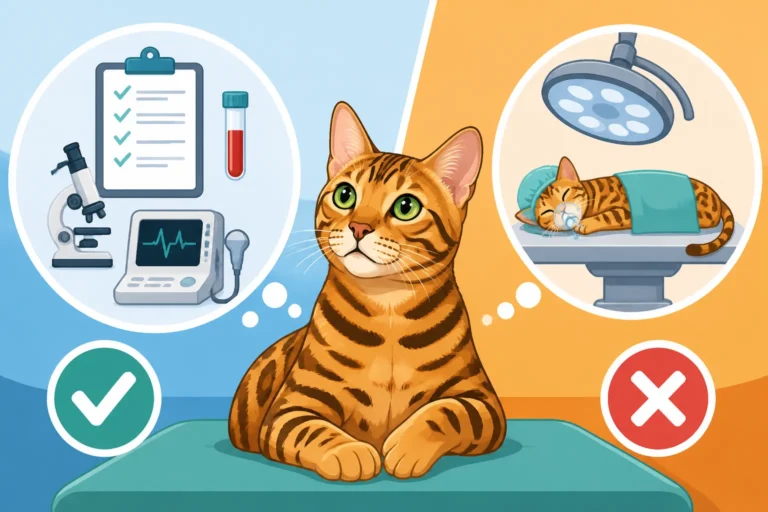
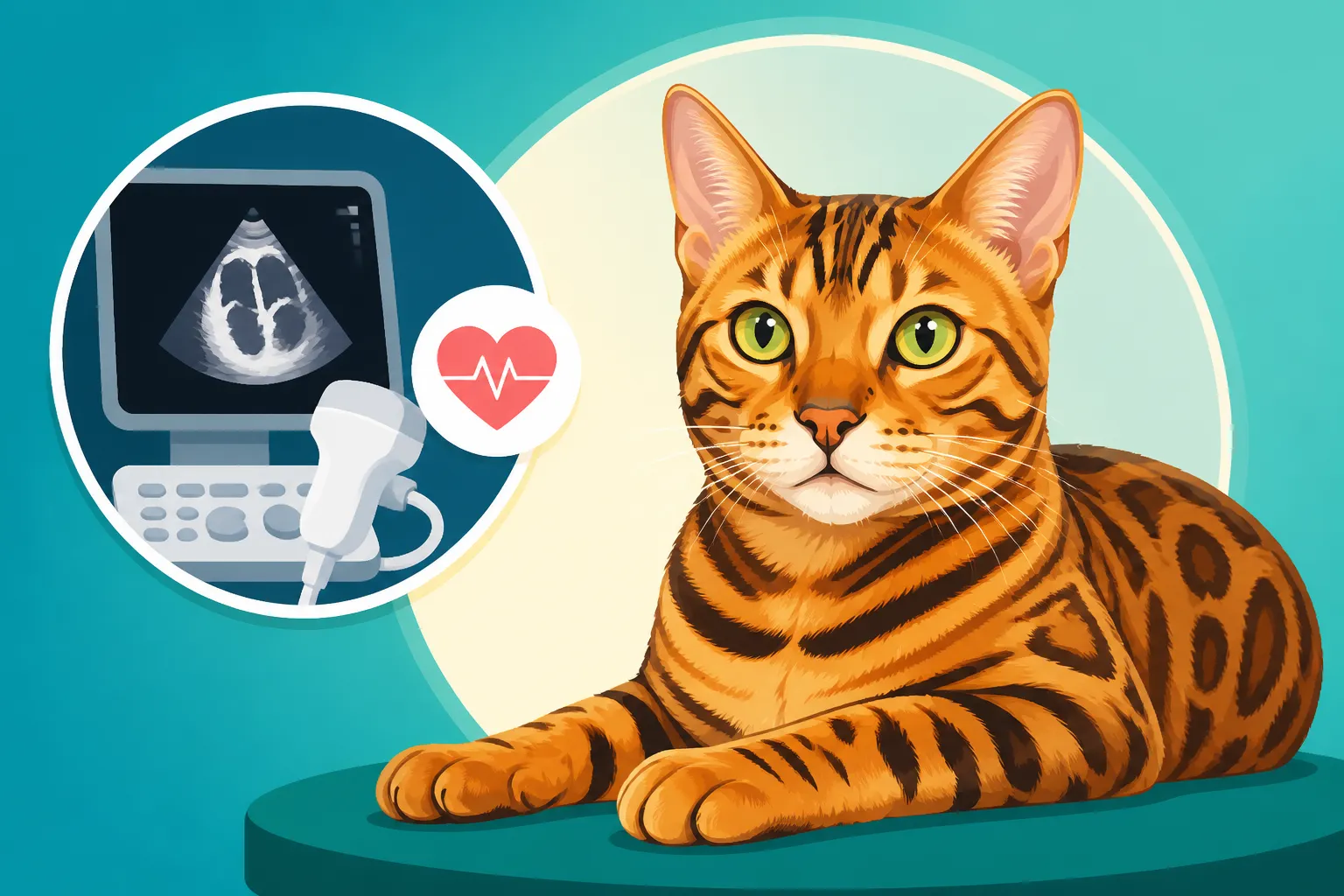
So, if there's no gene test, how do we catch HCM early? The answer lies in the echocardiogram. This non-invasive ultrasound of the heart allows a trained veterinary cardiologist to visualize the heart's structure and function in real-time, identifying any abnormal thickening of the muscle walls or issues with blood flow.
When a Bengal Cat Should Have Its First Echo
Generally, for Bengal cats, particularly those destined for breeding, the recommendation is to have their first echocardiogram between one and two years of age. This is because HCM often begins to manifest itself during this period, though it can appear earlier or later. For pet Bengals, while there might not be the same breeding implications, a baseline echo around this age is still a very good idea, especially if you want to be proactive about your cat's heart health. Think of it as a thorough health check-up that goes beyond the standard physical exam. It's about establishing a clear picture of their heart's health when they are young and seemingly healthy, allowing for comparison in future screenings. This initial screening sets the stage for any ongoing monitoring and provides crucial information about your cat's baseline cardiac health. Knowing When a Bengal Cat Should Have Its First Echo is a critical first step for responsible ownership.
Finding a Qualified Cardiologist
This isn't a job for just any vet. While your general practice veterinarian is fantastic for routine care, interpreting an echocardiogram and accurately diagnosing HCM requires specialized training and equipment. You need a board-certified veterinary cardiologist. These specialists have undergone extensive additional education and residency programs focused entirely on animal heart health.
Finding one might involve traveling to a larger city or a specialty veterinary hospital, but it's genuinely worth the effort. A general practitioner might be able to perform a basic scan, but they may miss subtle signs that a specialist would immediately recognize, or misinterpret findings, leading to unnecessary worry or, worse, a false sense of security. When seeking a cardiologist, don't hesitate to ask about their board certification and experience with breeds prone to HCM like Bengals. A good starting point is often a referral from your regular vet, or by searching the websites of professional organizations like the American College of Veterinary Internal Medicine (ACVIM), which lists board-certified specialists. Always ensure you're getting the best possible evaluation for your beloved Bengal. You'll find more useful information on Why a Cardiologist Should Scan a Bengal Cat in our archives.
Ongoing Monitoring: Frequency for Healthy Bengals
Once your Bengal has had its initial echo, the question of how often to repeat it depends largely on whether they are a pet or part of a breeding program, and, of course, the initial findings.
Standard Recommendations for Breeding Bengals
For Bengal cats involved in breeding programs, annual echocardiograms are considered the gold standard. This rigorous screening schedule is vital because HCM is hereditary, and breeders have an ethical responsibility to avoid passing on heart disease to future generations. An annual echo allows breeders to monitor their cats closely and make informed decisions about breeding. If a breeding cat develops HCM, they should immediately be removed from the breeding program. While it can be heartbreaking to pull a beloved cat from breeding, it's essential for the health of the breed as a whole. Many reputable breeders will even share their cats' echo results openly, demonstrating their commitment to breeding healthy animals. This proactive approach helps to reduce the prevalence of HCM within the Bengal gene pool. A clear echo is generally considered good for one year, and breeders are encouraged to test closer to breeding dates.
Guidelines for Pet Bengals
For pet Bengal cats who are spayed or neutered and not involved in breeding, the frequency of echoes can be a bit more flexible, but certainly not negligible. If your Bengal had a clear echo between one and two years of age, many cardiologists recommend repeating the echo every 2-3 years, or sooner if any new symptoms arise.
However, some owners, especially those with cats from lines known to have a history of HCM, may choose to continue annual screenings for a few more years, just to be extra cautious. As your Bengal ages, perhaps into their senior years (around 8-10 years old), annual check-ups including an echo might become more prudent, as older cats are naturally more susceptible to various health issues, including heart disease. It's a discussion you'll want to have with your cardiologist and general vet, weighing the benefits of frequent screening against the cost and potential stress for your cat. The key is to be consistent and aware of any changes in your cat's behavior or health that might warrant an earlier check. Even without breeding, protecting your pet's heart is paramount, ensuring they get to live The Twelve to Sixteen Years a Bengal Cat Gets.
Here's a quick reference table summarizing general echo frequency guidelines:
| Bengal Cat Status | Age for First Echo | Recommended Frequency (Healthy) | Important Considerations |
|---|---|---|---|
| Breeding Cat | 1-2 years | Annually | Essential for ethical breeding; must be performed by board-certified cardiologist. |
| Pet Cat (Clear Initial) | 1-2 years | Every 2-3 years | Consider annual if from affected lines or new symptoms appear. |
| Pet Cat (Senior) | 8-10+ years | Annually | Increased risk with age; vigilance for new symptoms is crucial. |
| Cat with Heart Murmur | Any age | Immediate screening | Murmur doesn't equal HCM but warrants investigation. |
| Cat with HCM Diagnosis | Any age | Every 6-12 months (or as advised) | Closely monitored by cardiologist; medication adjustments as needed. |
Monitoring with an HCM Diagnosis
Discovering your Bengal has HCM can be incredibly distressing. It's natural to feel overwhelmed, but remember, a diagnosis is not an immediate death sentence. With proper management and regular monitoring, many cats with HCM can live comfortably for years. The key shifts from screening to managing the condition and slowing its progression.
Echo Frequency After an HCM Diagnosis
If your Bengal cat is diagnosed with HCM, the frequency of follow-up echocardiograms will significantly increase. Your veterinary cardiologist will create a tailored monitoring plan, but typically, cats with HCM will need echoes every 6 to 12 months. In some cases, especially if symptoms are progressing or medications are being adjusted, more frequent checks, perhaps every 3-4 months, might be necessary.
These regular echoes are vital for several reasons. They allow the cardiologist to assess the progression of the disease, measure the thickening of the heart muscle, check for any fluid buildup, and evaluate how well your cat's heart is responding to medication. This information is crucial for adjusting dosages or switching medications to ensure your Bengal is receiving the most effective treatment to maintain their quality of life. Without these regular check-ins, it's impossible to know if the treatment plan is working or if the disease is worsening unnoticed.
Managing a Bengal Cat with HCM
Managing a Bengal cat with HCM is a multi-faceted approach that goes beyond just medication. It involves a partnership between you, your general veterinarian, and your cardiologist. Medications typically include beta-blockers, ACE inhibitors, and sometimes diuretics if congestive heart failure is developing. Anti-coagulants might also be prescribed to help prevent blood clots, which are a serious concern for cats with enlarged left atria.
Beyond medication, close observation at home is essential. You'll become intimately familiar with your cat's breathing patterns. Signs a Bengal Cat Is Breathing Hard or subtle changes in activity level can be indicators of worsening heart failure. Any sudden changes, like open-mouthed breathing or hind leg weakness, warrant immediate veterinary attention. Diet might also play a role, with some vets recommending low-sodium diets. It's a continuous process of care, love, and vigilance, all aimed at giving your Bengal the best possible quality of life despite their condition. Pet insurance plans, such as those offered by Healthy Paws, can be invaluable in helping to cover the ongoing costs of these specialist visits, diagnostic tests, and medications, alleviating some of the financial stress during an already challenging time.
Factors Influencing Echo Frequency
While general guidelines exist, the truth is that every Bengal cat is an individual, and several factors can influence how often they truly need an echocardiogram. It's never a one-size-fits-all situation.
Age and Genetic Predisposition
Age plays a significant role. Younger Bengal cats, especially those between one and five years old, are often where HCM first manifests. If a Bengal has clear echoes through these prime years, the frequency might be extended slightly, but vigilance should never be dropped. Conversely, older cats, generally those over eight to ten years of age, might need more frequent monitoring. Even if they had clear echoes for years, the natural aging process can bring about changes in heart health.
Genetic predisposition is another huge factor. If your Bengal comes from a lineage with a known history of HCM, even if they've tested clear initially, your cardiologist might recommend a more frequent monitoring schedule. This is because, even without a specific gene test, the familial pattern of the disease can't be ignored. Breeders who are transparent about their lines' health history are doing a great service to future owners by providing this critical information. It's about understanding the inherent risks and proactively managing them based on what we know about the breed's challenges. You can also explore articles like HCM Is What Kills Bengal Cats Early to understand the seriousness of this genetic predisposition.
Other Health Concerns and Symptoms
Any other health issues your Bengal is experiencing can influence the need for an echo. For example, if your vet detects a new heart murmur during a routine physical exam, an echocardiogram will almost certainly be recommended immediately to investigate its cause. Not all murmurs mean HCM, but they are certainly a red flag that warrants further investigation.
Beyond murmurs, any signs that could potentially be related to heart issues should prompt a discussion with your vet about an echo. These might include:
- Changes in breathing: Fast breathing at rest, panting, or labored breathing are serious signs. You may notice your Bengal is Signs a Bengal Cat Is Breathing Hard.
- Lethargy or reduced activity: While Bengals are super active, a sudden drop in energy could indicate a problem.
- Loss of appetite or weight loss.
- Weakness or paralysis, particularly of the hind limbs: This could indicate a blood clot, a dire emergency associated with advanced HCM.
- Fainting or collapsing spells.
Even if your cat seems fine but you notice subtle shifts, it's always better to be safe than sorry. Remember, cats are masters at hiding illness, and Why a Bengal Cat Hides Heart Failure means we, as owners, need to be extra vigilant. An echo might be the only way to uncover an underlying heart problem before it becomes critical.
The Role of Your Veterinarian and Cardiologist
Navigating your Bengal cat's health, especially when it comes to complex issues like heart disease, truly requires a team effort. Your general practice veterinarian and a board-certified veterinary cardiologist play distinct yet equally important roles.
Working with Your General Practice Vet
Your trusted general practice veterinarian is your first line of defense and your primary healthcare partner for your Bengal cat. They are the ones who perform annual wellness exams, listen for heart murmurs, monitor overall health, and are usually the first to notice any subtle changes that might warrant further investigation. If they hear a murmur or observe any symptoms that could suggest a heart issue, they will be the ones recommending an echocardiogram and providing a referral to a specialist.
Furthermore, your general vet often handles the ongoing care once a diagnosis is made. They can help manage medications, conduct blood tests to monitor kidney function (which can be affected by heart medications), and provide advice on daily care. They act as the central hub for all your cat's medical information, ensuring that the cardiologist's recommendations are integrated into your Bengal's overall health plan. Building a strong relationship with your general vet is paramount, as they are often the ones you see most frequently and rely on for day-to-day health concerns.
The Specialist's Expertise
While your general vet provides excellent comprehensive care, a board-certified veterinary cardiologist brings a level of specialized expertise that is simply irreplaceable when it comes to heart conditions. They have advanced training, experience, and specialized equipment to accurately diagnose and manage complex cardiac diseases like HCM. When they perform an echo, they are looking for very specific, subtle changes in heart muscle thickness, chamber size, and blood flow dynamics that a general practitioner might not be equipped to identify or interpret.
The cardiologist's role extends beyond diagnosis; they are responsible for formulating the most effective treatment plan, which may include prescribing specific cardiac medications. They will then closely monitor your cat's response to these treatments through follow-up echoes, adjusting dosages or medications as needed. This specialized care ensures your Bengal receives the highest standard of treatment for their heart condition. It's often through these specialists that the most cutting-edge treatments and diagnostic methods are introduced. While the cost of specialist visits and procedures can add up, especially with ongoing monitoring, considering pet insurance like Healthy Paws can help cover these expenses, allowing you to prioritize the best care for your furry family member without undue financial strain. The investment in a specialist's expertise truly is an investment in your Bengal's longevity and quality of life.
Disclaimer
This article is for general informational purposes only and does not constitute professional advice. Laws, prices and regulations vary by location and change over time. Consult a qualified professional for guidance on your specific situation.