Bladder Problems in a Bengal Cat
It’s incredibly distressing when you notice your active, vibrant Bengal cat suddenly struggling with something as fundamental as urination. Bladder problems in Bengal cats can range from frustratingly frequent litter box visits to truly painful blockages, leaving both you and your beloved companion feeling miserable and anxious. This guide is here to walk you through the common bladder issues Bengals face, how to spot them, what to expect from diagnosis and treatment, and most importantly, how to help prevent these uncomfortable situations.
Understanding Common Bengal Cat Bladder Issues
Bengal cats are generally a robust breed, but like all felines, they aren't immune to urinary tract issues. When we talk about "bladder problems," it's often an umbrella term that covers a variety of conditions affecting the lower urinary tract, including the bladder and urethra. These aren't just minor inconveniences; they can cause significant pain and, in some cases, become life-threatening emergencies.
Feline Lower Urinary Tract Disease (FLUTD)
One of the most common diagnoses you might hear is Feline Lower Urinary Tract Disease, or FLUTD. This isn't a single disease but rather a collection of conditions that can affect a cat's bladder and urethra. It's often difficult to pinpoint an exact cause, which is why it can be so frustrating for owners and vets alike. Stress, diet, water intake, and even environmental factors can all play a role in triggering FLUTD episodes. Imagine dealing with unexplained, recurring discomfort, and you can start to empathize with what your Bengal might be going through. It’s important to note that FLUTD can manifest as cystitis (inflammation of the bladder), urinary stones, or even urethral obstruction.
For many Bengals, FLUTD might present as Feline Idiopathic Cystitis (FIC), which simply means inflammation of the bladder without a known cause, like bacteria. It's often linked to stress in a cat's environment. Think about how active a Bengal cat is and how much enrichment a Bengal cat actually needs; any disruption to their routine or lack of stimulation could potentially manifest as stress-related bladder issues. They thrive on consistency and mental engagement, and when that's lacking, their sensitive systems can react in unexpected ways.
Urinary Tract Infections (UTIs)
While less common in cats than in dogs, bacterial Urinary Tract Infections (UTIs) can certainly affect Bengal cats. These occur when bacteria ascend the urethra and infect the bladder. UTIs are more frequently seen in older cats, especially females, and those with underlying health conditions like kidney disease or diabetes. It's easy to assume any urinary issue is a UTI, but the truth is, many FLUTD cases in younger cats are sterile (no bacteria). Only a vet can tell the difference through proper testing.
If your Bengal cat is a senior, perhaps nearing or past the age a Bengal cat is considered senior, they might be more susceptible to UTIs due to a weakened immune system or other age-related changes. This is why it's so important to keep up with routine veterinary check-ups, especially as they age, to catch any potential issues early.
Urinary Stones (Urolithiasis)
Another serious bladder problem is the formation of urinary stones, also known as uroliths or bladder stones. These are mineral deposits that form in the bladder and can range in size from tiny grains of sand to pebbles. The two most common types in cats are struvite and calcium oxalate stones. These stones can irritate the bladder lining, causing inflammation and pain. Worst of all, they can block the urethra, leading to a life-threatening emergency, particularly in male cats whose urethras are narrower.
The type of stone often dictates the treatment. Struvite stones can sometimes be dissolved with a special diet, while calcium oxalate stones usually require surgical removal. It’s a bit like having tiny, sharp rocks rolling around inside your bladder, constantly scraping and irritating. You can imagine the discomfort this causes, and it’s why a prompt diagnosis is absolutely critical.
Symptoms of Bladder Problems in Bengal Cats
Recognizing the signs of bladder problems in your Bengal can be challenging because cats are masters at hiding pain and illness. Their instinct is to appear strong to avoid predators, a trait that still runs deep even in our domesticated companions. However, with vigilant observation, you can often pick up on subtle cues that indicate something is wrong.
Changes in Urination Habits
One of the most obvious signs that your Bengal cat is experiencing bladder trouble is a change in their litter box habits. This is often the first thing owners notice, and it can be incredibly frustrating to deal with, especially when it involves inappropriate urination outside the box.
- Frequent Urination (Pollakiuria): You might notice your Bengal making many trips to the litter box, sometimes producing only tiny amounts of urine each time. It looks like they really need to go, but nothing much comes out.
- Straining to Urinate (Stranguria): This is a painful symptom where your cat crouches in the litter box, strains, and might cry out or vocalize uncomfortably while trying to urinate. They might stay in the position for a long time, seemingly unable to pass urine.
- Urination Outside the Litter Box (Periuria): A Bengal cat that suddenly starts urinating in unusual places – on cool tiles, in sinks, or on laundry – is often telling you something is wrong with their bladder, not that they're being spiteful. They might associate the litter box with pain and try to find a more comfortable spot. It's a cry for help, not bad behavior.
- Reduced Urine Production or Inability to Urinate: This is a critical emergency. If your male Bengal cat is straining but producing no urine at all, he could have a urethral obstruction. This requires immediate veterinary attention, as toxins can rapidly build up in the body. If you see this, drop everything and head to the emergency vet.
Blood in Urine (Hematuria)
Seeing blood in your Bengal’s urine is always a cause for concern. The urine might appear pinkish, reddish, or even have visible clots. Sometimes, the blood is microscopic and only detectable with a urine test at the vet. Hematuria indicates inflammation, irritation, or damage to the urinary tract lining, which can be caused by infections, stones, or severe cystitis.
If you have a light-colored litter, it might be easier to spot. If you use a darker litter, you might only notice it on surfaces outside the box if they've had an accident, or during a routine veterinary check where a urine sample is taken.
Other Behavioral and Physical Signs
Beyond urination changes, your Bengal might exhibit other signs that point to bladder discomfort. Remember, they are masters of disguise, so you need to look closely.
- Lethargy and Reduced Appetite: A cat in pain or discomfort will often become less active, sleep more, and may show a decrease in their usual voracious appetite. If your Bengal, typically known for its high energy, seems unusually subdued, it’s a red flag.
- Increased Vocalization: Your Bengal's voice is a demand, not a greeting, but persistent, unusual yowling or crying, especially when trying to urinate, is a strong indicator of pain.
- Excessive Licking of the Genital Area: To soothe discomfort, cats will often over-groom the affected area. If you notice your Bengal licking their penis or vulva more than usual, it could be due to irritation.
- Hiding or Irritability: A cat feeling unwell will often seek solitude or may become uncharacteristically irritable if approached, especially if you touch their abdomen.
- Fever: In cases of severe infection, your Bengal might develop a fever.
- Changes in Coat Condition: Chronic pain or illness can sometimes lead to a dull, unkempt coat because the cat isn't feeling well enough to groom themselves properly.
Diagnosis and Treatment for Bengal Cat Bladder Ailments
When you notice any of the concerning symptoms mentioned, the first and most crucial step is a prompt visit to your veterinarian. Self-diagnosis and delayed treatment can have serious consequences, especially with potential obstructions.
Veterinary Examination and Initial Tests
Your vet will start with a thorough physical examination, including palpating your Bengal’s abdomen to check for bladder size, pain, or any obvious abnormalities. They'll also discuss your cat’s medical history, diet, and observed symptoms in detail.
- Urinalysis: This is a cornerstone of diagnosing bladder problems. A urine sample will be analyzed for pH, specific gravity, presence of blood, protein, glucose, white blood cells, bacteria, and crystals. Obtaining a sterile urine sample, often through a procedure called cystocentesis (drawing urine directly from the bladder with a needle), is critical for accurate results, especially if a bacterial infection is suspected.
- Urine Culture and Sensitivity: If a bacterial infection is suspected, a urine culture will be performed to identify the specific type of bacteria present. A sensitivity test will then determine which antibiotics are most effective against that bacteria. This avoids using a broad-spectrum antibiotic unnecessarily, which can contribute to antibiotic resistance.
- Blood Work: A complete blood count (CBC) and biochemistry panel can provide valuable information about your Bengal’s overall health, kidney function, and rule out other systemic illnesses. This is often part of what a Bengal cat's yearly bloodwork should cover anyway, but it's especially important when health issues arise.
Imaging (X-rays and Ultrasound)
If the initial tests don't provide a clear diagnosis or if urinary stones are suspected, your vet may recommend imaging.
- X-rays (Radiographs): X-rays can detect certain types of bladder stones (like struvite and calcium oxalate) that are radio-opaque. They can also show the size and shape of the bladder and identify any blockages in the urethra.
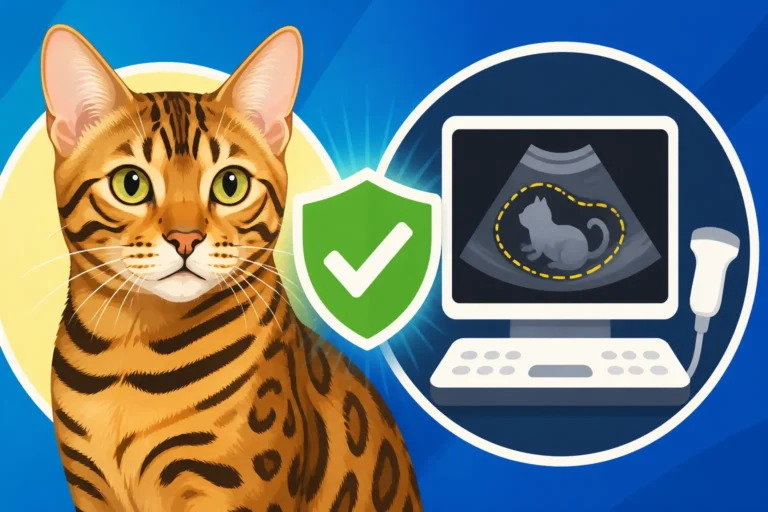
- Ultrasound: An abdominal ultrasound provides a more detailed view of the bladder wall, looking for thickening, polyps, tumors, or types of stones that might not show up on X-rays. It can also assess the kidneys and other abdominal organs. For an early generation Bengal cat, this can be particularly useful as some of their wilder traits might mask subtle physical changes.
Treatment Approaches
Treatment depends entirely on the underlying cause of the bladder problem.
- For Urinary Tract Infections: Antibiotics are prescribed based on the culture and sensitivity results. It’s crucial to administer the full course of antibiotics, even if your Bengal seems to improve quickly, to ensure the infection is completely cleared.
- For Urinary Stones:
- Dietary Management: Struvite stones can often be dissolved with a prescription diet that acidifies the urine and reduces the concentration of stone-forming minerals. This can take several weeks to months.
- Surgical Removal (Cystotomy): Calcium oxalate stones, and some struvite stones that don't dissolve, require surgical removal. This procedure involves opening the bladder to retrieve the stones.
- Urethral Obstruction: This is an emergency. If your male Bengal is blocked, he will need immediate catheterization to relieve the obstruction and allow urine to flow. This often requires hospitalization, IV fluids, and pain management. In some recurrent cases, a perineal urethrostomy (PU) surgery may be recommended, which widens the urethra.
- For Feline Idiopathic Cystitis (FIC): Since FIC is often stress-related, treatment focuses on managing symptoms and reducing stress.
- Pain Relief and Anti-inflammatories: Medications can help manage the pain and inflammation associated with FIC flare-ups.
- Environmental Enrichment: Increasing mental and physical stimulation can significantly reduce stress. This means more playtime, puzzle feeders, cat trees, and perhaps a catio for a Bengal cat. Think about how much a Bengal cat needs a cat wheel or how high a Bengal cat climbs. These outlets are crucial for their well-being.
- Dietary Changes: Some prescription urinary diets are formulated to support bladder health and reduce inflammation, even without stones or infection.
- Increased Water Intake: This is vital for flushing the urinary tract and diluting urine, regardless of the cause. This could mean adding wet food to their diet, offering multiple water bowls, or investing in a water fountain for a Bengal cat.
- Anxiety-Reducing Medications or Supplements: In severe or recurrent cases, your vet might suggest anti-anxiety medications or calming supplements.
The Role of Pet Insurance
Dealing with bladder problems, especially emergencies like obstructions or surgeries for stones, can rack up significant veterinary bills. This is where pet insurance, like plans offered by Healthy Paws, can be a real lifesaver. Having coverage can ease the financial burden, allowing you to focus on getting your Bengal the best possible care without added stress. It's something to consider when looking at the overall fifteen years of a Bengal cat, priced out.
Preventing Bladder Problems in Your Bengal Cat
While you can't guarantee your Bengal will never face bladder issues, there are many proactive steps you can take as a responsible owner to minimize their risk. Prevention often comes down to optimizing their diet, hydration, environment, and overall well-being.
Hydration, Hydration, Hydration!
This cannot be stressed enough. Diluted urine is less irritating to the bladder lining and makes it harder for crystals to form or bacteria to thrive.
- Wet Food Diet: Incorporating wet food into your Bengal's diet is one of the easiest ways to increase their water intake. Dry kibble, even high-quality brands, simply doesn't provide enough moisture. Consider why wet food suits a Bengal cat's gut and how much a Bengal cat eats to fuel that activity.
- Water Fountains: Many cats prefer moving water over still water. A circulating water fountain can entice your Bengal to drink more. Just be sure to keep it clean!
- Multiple Water Sources: Place several water bowls throughout your home, away from food and litter boxes. Experiment with different types of bowls (ceramic, stainless steel, glass) to see what your Bengal prefers.
- Adding Water to Food: You can add a little extra water or low-sodium broth to their wet food to boost moisture.
Optimal Diet for Urinary Health
The right diet plays a crucial role in maintaining urinary tract health.
- High-Quality Protein: Bengals are active and muscular cats, and they thrive on a diet rich in animal protein. Choose foods with meat as the first ingredient.
- Balanced Minerals: Some commercial cat foods can be high in certain minerals that contribute to stone formation. Discuss with your vet if a specific prescription urinary diet is suitable for your Bengal, especially if they have a history of stones. While the high protein argument for a Bengal cat is strong, sometimes a specific formulation is needed to balance urinary pH.
- Avoid Overfeeding: Maintaining a healthy weight is important. An overweight Bengal cat can be prone to various health issues, including bladder problems. Know what a healthy Bengal cat weighs and keep an eye on their physique.
| Dietary Consideration | Impact on Bladder Health | Recommendation |
|---|---|---|
| Moisture Content | Dilutes urine, flushes tract | Primarily wet food, water fountains |
| Protein Source | Supports overall health, muscle | High-quality animal protein |
| Mineral Balance | Prevents stone formation | Consult vet for prescription urinary diet if needed |
| Calorie Intake | Prevents obesity | Feed appropriate portions to maintain healthy weight |
Stress Reduction and Environmental Enrichment
Since stress is a major trigger for FIC, creating a calm and stimulating environment is key for your Bengal.
- Consistent Routine: Cats, especially Bengals, thrive on predictability. Try to maintain a regular feeding, play, and interaction schedule.
- Enrichment Opportunities: Provide plenty of vertical space (cat trees, shelves), interactive toys, puzzle feeders, and regular play sessions to keep their minds and bodies engaged. A bored Bengal cat destroys things, and a stressed Bengal can develop health issues. Consider a tall cat tree for a Bengal cat or even a cat wheel for a Bengal cat.
- Safe Spaces: Ensure your Bengal has quiet, private spots where they can retreat and feel secure.
- Clean Litter Boxes: Provide enough litter boxes (at least one per cat plus one extra) and scoop them frequently. A dirty litter box can deter a cat from urinating, leading to holding it and potential issues. Remember, a Bengal cat digs, so they need a clean, ample space.
- Minimize Changes: Major household changes, new pets, or even changes in furniture arrangement can be stressful for sensitive cats. Introduce changes slowly and with plenty of positive reinforcement.
- Consider a Companion: If your Bengal is often alone and seems bored, another cat might help, but introducing a new cat must be done carefully.
Regular Veterinary Care
Routine check-ups are essential for catching problems early.
- Annual Wellness Exams: Even if your Bengal seems perfectly healthy, a yearly vet visit allows your vet to perform a full physical exam and address any emerging concerns. For older cats, caring for a Bengal cat past ten, these visits might need to be more frequent.
- Early Detection: Your vet might recommend regular urinalysis, especially for cats with a history of bladder issues, to monitor for any subtle changes before they become serious problems.
- Discuss Concerns: Don't hesitate to discuss any changes in behavior or habits with your vet, no matter how minor they seem.
By being observant, proactive, and working closely with your veterinarian, you can significantly improve your Bengal cat's chances of living a long, comfortable life free from the distress of bladder problems.
Disclaimer
This article is for general informational purposes only and does not constitute professional advice. Laws, prices and regulations vary by location and change over time. Consult a qualified professional for guidance on your specific situation.