Whether a Bengal Cat Queen Needs Help Giving Birth
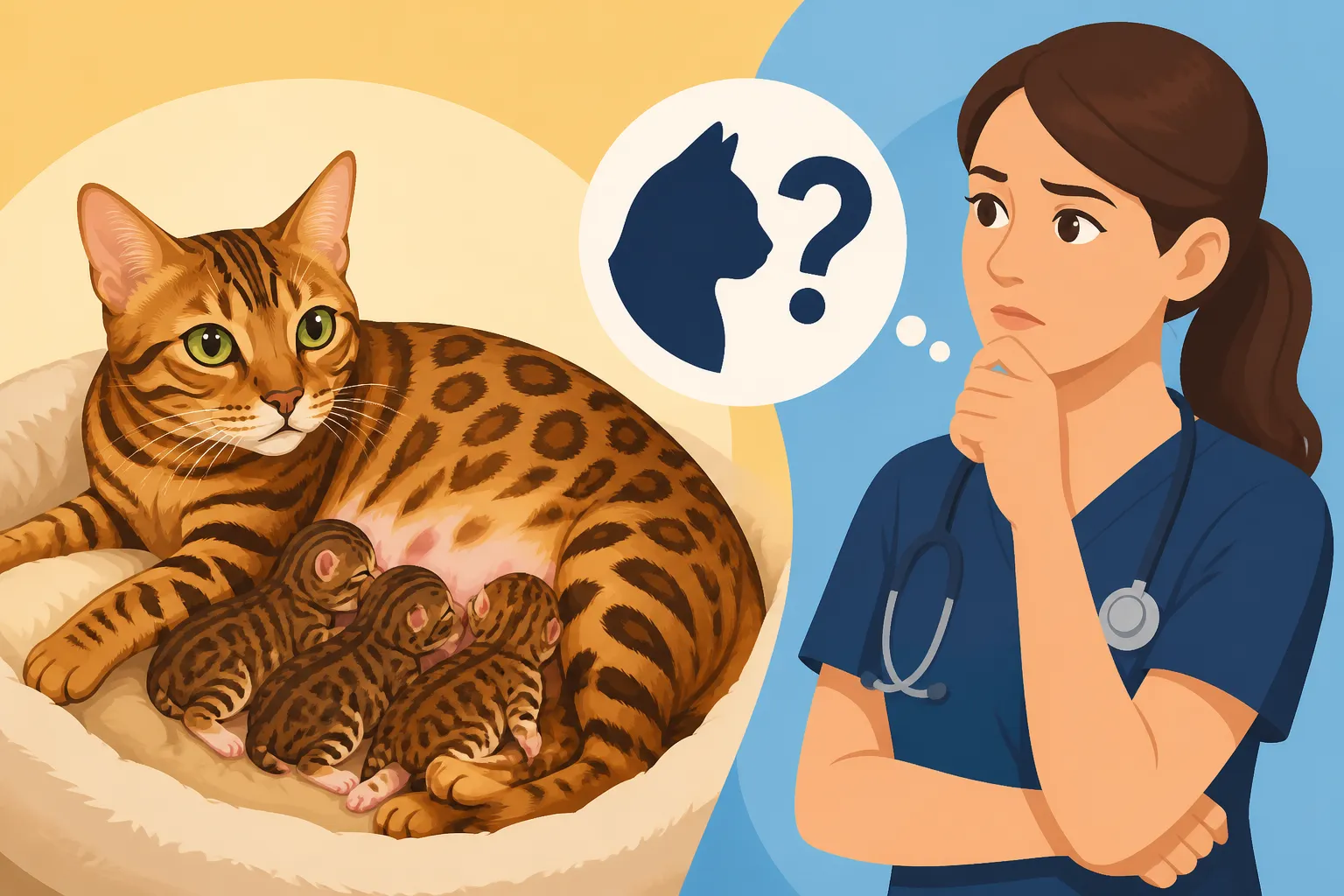
There’s nothing quite like the blend of excitement and sheer terror that comes with realizing your beloved Bengal cat queen is getting ready to have her kittens. While the instinct is often to hover and worry, the truth is that most Bengal queens, like other cats, are perfectly capable of giving birth without human intervention. However, knowing the critical signs that signal genuine trouble, and understanding when to step in, is absolutely vital to ensure the health and safety of both your queen and her precious litter. This guide aims to demystify the birthing process, equipping you with the knowledge to recognize normal labor versus when immediate veterinary help is truly needed.
Understanding the Natural Birthing Process in Bengal Cats
Birthing for a Bengal cat, or any feline, is an amazing, largely instinctual process. It's often quiet, discreet, and generally goes off without a hitch. As a responsible owner, your role is primarily to observe and provide a safe, calm environment, stepping in only when truly necessary.
The Stages of Feline Labor
Understanding the three stages of labor will help you differentiate between what’s normal and what might be a red flag.
Stage 1: The Preparatory Phase
This initial stage can be the longest and often the most subtle, lasting anywhere from 6 to 12 hours, though it can sometimes extend up to 24 hours. During this time, your Bengal queen's body is getting ready for the main event. She might become restless, constantly shifting positions, or seek out her chosen nesting spot. You might notice her purring intensely, pacing, or perhaps even hiding away. Some queens will vocalize softly, while others become unusually quiet. Appetite loss is common, and she might even vomit as her body prepares. Her temperature might drop slightly, usually below 100°F (37.8°C), about 12-24 hours before labor truly begins. You might also observe some vaginal discharge, often clear or slightly bloody mucus, which is usually the 'mucus plug' releasing. This stage is all about dilation and the kitten getting into position. Don't be surprised if she seems a little anxious or needy; this is a perfectly normal response as her hormones surge and she prepares for motherhood. If you’ve taken steps to get her checked, you might have already had a vet perform an ultrasound or X-ray to determine How many kittens a Bengal cat litter holds, which can help manage expectations and anxiety during this stage.
Stage 2: Delivering the Kittens
This is the active labor phase where the actual birthing happens. Once Stage 2 begins, you'll notice more intense contractions. Your Bengal queen will start actively pushing, often lying on her side or squatting. The first kitten usually appears within 30 minutes of strong, consistent pushing. It's important to remember that not all pushing is visible or obvious with cats; sometimes, a Bengal's agility means she can be quite subtle about her contractions. Kittens can be born headfirst or breech (tail-first), both of which are considered normal for cats. Once a kitten is out, the mother will usually break the amniotic sac, clean the kitten, and sever the umbilical cord. She'll also typically eat the placenta – this is natural and helps provide nutrients and trigger uterine contractions to expel the next kitten. There should be a reasonable interval between kittens, usually between 15 to 60 minutes of active pushing. Sometimes, a queen might take a break for up to two or three hours between kittens, especially if she's had a long labor or it's a large litter. However, if she's consistently straining for more than an hour without producing a kitten, that's a serious red flag.
Stage 3: Expelling the Placenta
Stage 3 of labor involves the expulsion of the placenta. This usually happens shortly after each kitten is born. It's crucial for the queen to pass all placentas, as a retained placenta can lead to serious infection. Your Bengal queen will typically eat each placenta, which, while a bit gruesome to us, is a natural instinct that provides vital hormones and nutrients and helps stimulate milk production. Keeping a rough count of placentas (or trying to, it can be tricky when she eats them!) can be helpful for your vet later on. Once all kittens are born and all placentas are expelled, your queen will settle down, dedicating herself to cleaning and nursing her new litter. The entire process, from the first strong push to the last kitten, can last anywhere from 2 to 24 hours. If your Bengal cat is a higher generation, like an F1 or F2, you might wonder Whether an Early Generation Bengal Cat Females Are Fertile, but once pregnant, their birthing process generally follows the same physiological pattern as later generations, though their temperament might make managing them slightly different.
When to Expect Kittens
Understanding the typical timeline for feline pregnancy can help you mentally prepare and recognize when things are off schedule.
Gestation Period Specifics for Bengal Cats
The average gestation period for a domestic cat, including Bengal cats, is about 63 to 67 days, or roughly nine weeks. It can range a bit, from 60 to 70 days. If your queen goes significantly past 70 days, it’s definitely a cause for concern and warrants a call to your veterinarian. Knowing the exact breeding date is incredibly helpful for calculating the due date. Breeders often track this meticulously. If you’re unsure of the exact date, your vet can perform an ultrasound to estimate gestation and kitten count, usually around 25 days into the pregnancy, or an X-ray later in pregnancy (around day 45-50) for a more accurate count of the number of kittens. This kind of advanced preparation is something a good pet insurance plan like Healthy Paws might assist with if unexpected complications arise during prenatal care.
Signs That Labor Is Imminent
As mentioned in Stage 1, there are several signs that labor is just around the corner. Beyond the temperature drop, restlessness, and nesting behavior, you might notice your Bengal queen becoming more affectionate or, conversely, more reclusive. Her abdomen will appear dropped or more pendulous as the kittens settle into the birth canal. She might start excessively licking her vulva. Some cats even lose their appetite in the last 24 hours before labor. These are all natural signals that her body is preparing for the incredible task ahead. It’s a good time to ensure her birthing area is quiet, warm, and undisturbed, allowing her to feel secure as nature takes its course.
Identifying Signs Your Bengal Queen Needs Assistance
While most Bengal cat births are natural wonders requiring minimal human input, there are definite scenarios where intervention is not just helpful but absolutely critical. It’s about being prepared to recognize these moments and act swiftly.
When to Call the Vet Immediately
This is where your calm observation skills truly come into play. Having your vet's emergency number on hand is paramount, especially outside of regular clinic hours. Don't hesitate to call if you observe any of these serious signs:
- Prolonged Stage 1 Labor: If your Bengal queen has been in Stage 1 for more than 24 hours without progressing to active pushing. She might be restless, vocalizing, or showing signs of discomfort without any strong contractions or discharge.
- Active Straining Without a Kitten: This is a major red flag. If your queen is having strong, visible contractions for more than 30-60 minutes without producing a kitten, it could indicate a blockage or uterine inertia. This situation can quickly become life-threatening for both the mother and the kittens.
- Weak or Infrequent Contractions: If she starts pushing, but the contractions are weak, irregular, or stop altogether for more than 2-3 hours while you know there are still kittens to be born. This can be a sign of uterine inertia, where the uterus muscles aren't contracting effectively.
- Excessive Bleeding: While some bloody discharge is normal, bright red hemorrhage or heavy, continuous bleeding is an emergency.
- Foul-Smelling Discharge: Any green, black, or foul-smelling discharge from the vulva, especially if unaccompanied by a kitten, indicates a possible infection or a dead kitten inside.
- Visible Distress: If your queen seems in extreme pain, is lethargic, unresponsive, or is panting excessively for an extended period, these are signs of an emergency.
- Kitten Stuck: If a kitten is partially visible but gets stuck and the queen cannot pass it despite pushing. Do NOT try to pull the kitten out yourself unless explicitly instructed by a vet, and even then, only with extreme caution.
- More Than 24 Hours Since Last Kitten: If you know there are more kittens inside (from a previous X-ray or palpation) and it’s been over 24 hours since the last kitten was born, professional intervention is necessary.
Remember, time is often of the essence in these situations. Delaying a call to the vet can drastically reduce the chances of a positive outcome. Having pet insurance, like Healthy Paws, can be a huge relief in these unexpected, high-stress situations, covering a significant portion of emergency vet bills.
Common Birthing Complications in Bengal Cats
While we hope for smooth sailing, understanding common complications can help you grasp the urgency of certain symptoms.
Dystocia
Dystocia simply means difficult birth. It can arise from various factors, such as oversized kittens, a kitten presenting in an abnormal position (e.g., sideways), a narrow birth canal, or uterine inertia where the uterus simply doesn't contract strongly enough. For example, if a kitten is too large, it might get lodged in the birth canal, leading to prolonged straining and distress. This is often an emergency requiring veterinary assistance, possibly even a C-section. Early diagnosis through an X-ray to gauge kitten size relative to the birth canal can sometimes flag potential issues.
Retained Placenta
As mentioned, each kitten should be followed by its own placenta. If a placenta is retained, it can lead to severe uterine infection (metritis) and sepsis. Symptoms often appear a few days post-birth and include fever, lethargy, loss of appetite, and foul-smelling vaginal discharge. While it’s hard to count them all if the queen eats them, if you notice significantly fewer placentas than kittens, or if she seems unwell days later, it's worth a vet visit.
Uterine Inertia
This is a common cause of dystocia, where the uterus simply loses its ability to contract effectively. It can be primary (uterus fails to contract from the start) or secondary (uterus tires after a long labor). This results in weak or absent contractions and prolonged labor. Your vet might try medication to stimulate contractions, but if that fails, a C-section is often the safest option. The costs associated with such emergencies can be substantial, and this is where an insurance policy like Healthy Paws can truly alleviate financial stress during a critical time.
Breech Presentations
While a kitten presenting tail-first is common and often normal for cats, sometimes a severe breech (e.g., both hind legs tucked under) can lead to difficulties. The kitten might get stuck, requiring manual assistance from the vet or a C-section. It's not always a complication, but it can increase the risk of dystocia. Sometimes, kittens can also suffer from developmental issues like Flat Chested Kitten Syndrome in a Bengal Cat Litter, which, while not a birthing complication, can be identified during the initial post-birth checks.
The Role of a Breeder vs. a Pet Owner During Birth
It's important to differentiate between the experience levels.
Experienced Breeders
Many experienced Bengal cat breeders have handled multiple births, understand the nuances of feline labor, and often have a strong relationship with their veterinarian. They might have specific tools, medications (under vet guidance), and knowledge to assist with minor issues. They are also adept at recognizing true emergencies versus normal variations in labor. A breeder will have taken proactive steps, such as ensuring the queen has undergone necessary health screenings, including comprehensive What a Bengal Cat's Yearly Bloodwork Should Cover and cardiac evaluations like How a Bengal Cat's Echo Is Performed to check for conditions like Signs a Bengal Cat Has Heart Disease before breeding. This level of preparedness is crucial.
Pet Owners
If this is your first time with a pregnant Bengal queen, or if you are not an experienced breeder, err on the side of caution. Your primary role is providing a calm, clean environment and being a vigilant observer. Do not attempt any interventions without explicit veterinary guidance. What might seem like a simple issue can quickly turn into a complicated and dangerous situation for your cat if handled improperly. It’s always better to call your vet and describe what you’re seeing than to wait too long. Your veterinarian is your best resource and partner in ensuring a safe delivery.
Preparing for a Bengal Cat Birth
Preparation is key to reducing stress for both you and your Bengal queen. A well-thought-out birthing plan and environment can make a world of difference.
Creating a Safe and Stress-Free Environment
A calm, clean, and warm nesting area is paramount.
The Birthing Box
About a week or two before the estimated due date, set up a "nesting box" or "queening box." This should be a quiet, secluded spot where your queen feels safe and unbothered. A large cardboard box or a dedicated whelping box works well. It should be big enough for her to stretch out comfortably, with sides high enough to keep newborn kittens contained but low enough for her to easily step in and out. Line it with soft, absorbent material that can be easily changed, such as old towels, newspapers, or puppy pads. Place it in a low-traffic area of your home, away from other pets or young children, to minimize stress. Ensure the room temperature is comfortable, around 75-80°F (24-27°C), as newborn kittens cannot regulate their own body temperature.
Essential Supplies to Have on Hand
Having a birthing kit prepared means you won't be scrambling if things get active. Here’s a checklist:
- Clean Towels/Wipes: For cleaning kittens, the queen, and the box.
- Sterile Gloves: If you need to assist (under vet guidance).
- Iodine Solution/Betadine: To dip umbilical stumps if the queen doesn't clean them well, preventing infection.
- Unwaxed Dental Floss or Sterile Thread: To tie off umbilical cords if necessary (again, under vet guidance).
- Sterile Scissors: To cut umbilical cords if the queen doesn't (only if directed by a vet).
- Kitten Scale: To weigh kittens at birth and monitor growth. This is crucial for identifying early issues.
- Kitten Milk Replacer (KMR) and Small Nursing Bottles: In case a kitten needs supplemental feeding or the queen can't nurse.
- Heating Pad/Hot Water Bottle: Covered in a towel, to provide warmth for newborn kittens if they get chilled.
- Large, Clean Laundry Basket: To temporarily hold kittens while you change bedding.
- Emergency Vet Contact Information: Always have this readily accessible.
- Clock/Timer: To track the duration between kittens.
Nutritional Needs and Pre-Natal Care
A healthy queen has the best chance of a healthy delivery and strong kittens.
Optimal Nutrition Throughout Pregnancy
A pregnant Bengal queen has increased nutritional demands. It's vital to feed her a high-quality, growth-formulated kitten food throughout her pregnancy and during lactation. Kitten food is more calorie-dense and higher in protein, providing the extra energy and nutrients she needs. Avoid making sudden diet changes during pregnancy, as this can cause digestive upset. Gradually transition her if a change is needed. Ensure she has constant access to fresh water, as dehydration can complicate labor. Good nutrition is not just about quantity but also quality, ensuring she has the building blocks for healthy fetal development.
Regular Vet Check-ups During Gestation
Consistent veterinary care throughout your Bengal queen's pregnancy is non-negotiable. Your vet can confirm pregnancy, estimate litter size, discuss potential complications, and provide advice on nutrition and birthing preparation. They might recommend specific deworming protocols to prevent parasites from passing to the kittens. A pre-breeding health panel, which might include tests for conditions like Whether a Bengal Cat Kitten Comes PK Tested, is invaluable. Regular check-ups help ensure she is in peak condition for the demands of pregnancy and labor, and also gives you a chance to discuss her individual needs and potential risks. Don't forget, if your vet recommends certain diagnostic tests or procedures during pregnancy, a good pet insurance plan like Healthy Paws can help manage those expenses.
Post-Natal Care and Monitoring
The work isn't over once the last kitten arrives! The period immediately following birth, and the weeks thereafter, are critical for the health of both the queen and her kittens.
Ensuring Maternal and Kitten Health
Vigilant observation continues to be your most important tool.
Monitoring the Queen for Post-Partum Complications
Even after a seemingly successful birth, your Bengal queen isn't out of the woods. Watch for signs of:
- Retained Placentas/Metritis: As discussed, fever, lethargy, foul-smelling discharge, or loss of appetite a few days after birth could indicate a retained placenta or uterine infection.
- Mastitis: This is an infection of the mammary glands. Look for swollen, hot, painful mammary glands, often accompanied by fever and reluctance to nurse.
- Eclampsia (Puerperal Tetany): Though less common in cats than dogs, this is a serious condition caused by a sudden drop in blood calcium levels. Symptoms usually appear 2-4 weeks after birth and include restlessness, muscle tremors, rigid limbs, panting, and seizures. It's a medical emergency.
- Hemorrhage: While some blood after birth is normal, excessive or prolonged bleeding is not.
- Poor Mothering: Occasionally, a queen might not show proper maternal instincts, refusing to clean or nurse her kittens. This can be more common in first-time mothers or very young queens.
If you observe any of these signs, contact your vet immediately. Swift action can often prevent severe complications.
Ensuring Kittens Are Nursing and Thriving
Newborn kittens are incredibly vulnerable. Here’s what to look for:
- Nursing: Ensure all kittens are actively nursing. They should latch on, and you should hear them suckling. A kitten that is constantly crying, isolated from the pile, or feels cold to the touch is likely not getting enough milk.
- Warmth: Kittens cannot regulate their body temperature. They rely on their mother and littermates. Ensure the nesting box remains warm.
- Weight Gain: Kittens should gain weight daily. Weigh them once or twice a day for the first few weeks. A lack of weight gain or weight loss is a serious concern. This is also where you might spot early developmental issues. For example, some kittens might develop Why a Bengal Cat Kitten's Chest Flattens, which, while treatable, needs early identification.
- Activity: Healthy kittens are generally quiet, sleeping most of the time, only stirring to nurse. Constant crying indicates distress.
- Waste Elimination: The queen stimulates urination and defecation in her newborns by licking them. You should see evidence of this in the nesting box (though she usually cleans it up quickly). If a kitten's belly seems distended, it might not be eliminating properly.
This early stage is also when you observe things like What Fuzzies Are on a Bengal Cat Kitten, the adorable baby fur that eventually clears to reveal their stunning adult patterns. Keep a keen eye out for any signs that a kitten is struggling.
Handling and Socializing Kittens
Once the initial critical period is over, focus shifts to healthy development and socialization.
Gentle Handling from a Young Age
Regular, gentle handling from a very young age (starting around 2-3 weeks, when their eyes are open) is crucial for developing friendly, well-adjusted Bengal cats. Start with short sessions, gently stroking and holding them, always returning them to their mother quickly. This helps them become accustomed to human touch and reduces fear. The more positive interactions they have with people, the more social and confident they will be as adults. Remember, Bengals are naturally curious and active, so early positive experiences lay a great foundation. Ensuring they get the right nutrition is also vital for strong growth, addressing What a Bengal Cat Kitten Needs to Build Muscle from the get-go.
Early Exposure to Sounds and Smells
Beyond handling, exposing kittens to a variety of normal household sounds and smells (like the vacuum cleaner, children playing, or different human voices) in a safe, non-threatening way also contributes to good socialization. This helps them become accustomed to the busy world around them and prevents them from becoming overly shy or fearful later on. As they grow, their fur will start to change, and you'll eventually notice When a Bengal Cat Kitten's Fuzzies Clear, revealing their glorious spots or marbling. A well-socialized kitten is far more adaptable and makes a much better companion. Also, ensure the queen is up to date on all her health checks, including dental care; Whether a Bengal Cat Gets Dental Disease can impact her overall health and ability to care for her kittens.
Labor Monitoring Checklist for Your Bengal Queen
Here’s a simple table to help you monitor your Bengal queen during labor:
| Observation Point | Normal Labor Signs | Red Flags (Call Vet Immediately) |
|---|---|---|
| Gestation Length | 63-67 days (range 60-70 days) | Over 70 days without labor |
| Stage 1 Labor | Restlessness, nesting, purring, pacing, appetite loss (6-24 hours) | Over 24 hours without active pushing/kitten delivery |
| Active Pushing/Contractions | Strong, rhythmic pushing (15-60 min per kitten) | Strong pushing >30-60 min without a kitten |
| Periods of rest (up to 2-3 hours) between kittens | Weak/infrequent contractions for >2-3 hours with more kittens expected | |
| Kitten Presentation | Head-first or breech (tail-first) | Kitten visible but stuck for >15 minutes |
| Vaginal Discharge | Clear/slightly bloody mucus plug, dark discharge after placenta | Excessive bright red bleeding; foul-smelling green/black discharge |
| Placentas | One expelled shortly after each kitten | Fewer placentas than kittens; retained placenta signs (fever, lethargy days later) |
| Queen's Demeanor | Attentive to kittens, cleaning, nursing | Extreme pain, lethargy, unresponsive, prolonged panting, seizures |
Disclaimer
The information provided in this article is for educational and informational purposes only and does not constitute veterinary advice. Always consult with a qualified veterinarian for any health concerns or before making any decisions related to your Bengal cat's health or medical care. In an emergency, contact your veterinarian or an emergency veterinary clinic immediately.