Whether a Bengal Cat With PRA-b Lives a Normal Life
Receiving a diagnosis of PRA-b for your beloved Bengal cat can feel devastating, like a dark cloud has suddenly appeared over their future. Many owners naturally worry about their cat's quality of life and if they'll ever truly experience "normalcy" again once their vision inevitably declines. This comprehensive guide aims to reassure you that, with understanding and thoughtful adaptation, a Bengal cat with PRA-b can absolutely live a rich, happy, and remarkably normal life.
Understanding PRA-b and Its Impact on a Bengal Cat's Vision
Progressive Retinal Atrophy (PRA-b) is a genetic condition unique to Bengal cats that causes the slow degeneration of the retina, leading to irreversible blindness. It’s a condition that, while serious, doesn’t equate to a diminished life, just a different one. The key is understanding how it progresses and what it truly means for your feline friend.
The Gradual Progression to Blindness
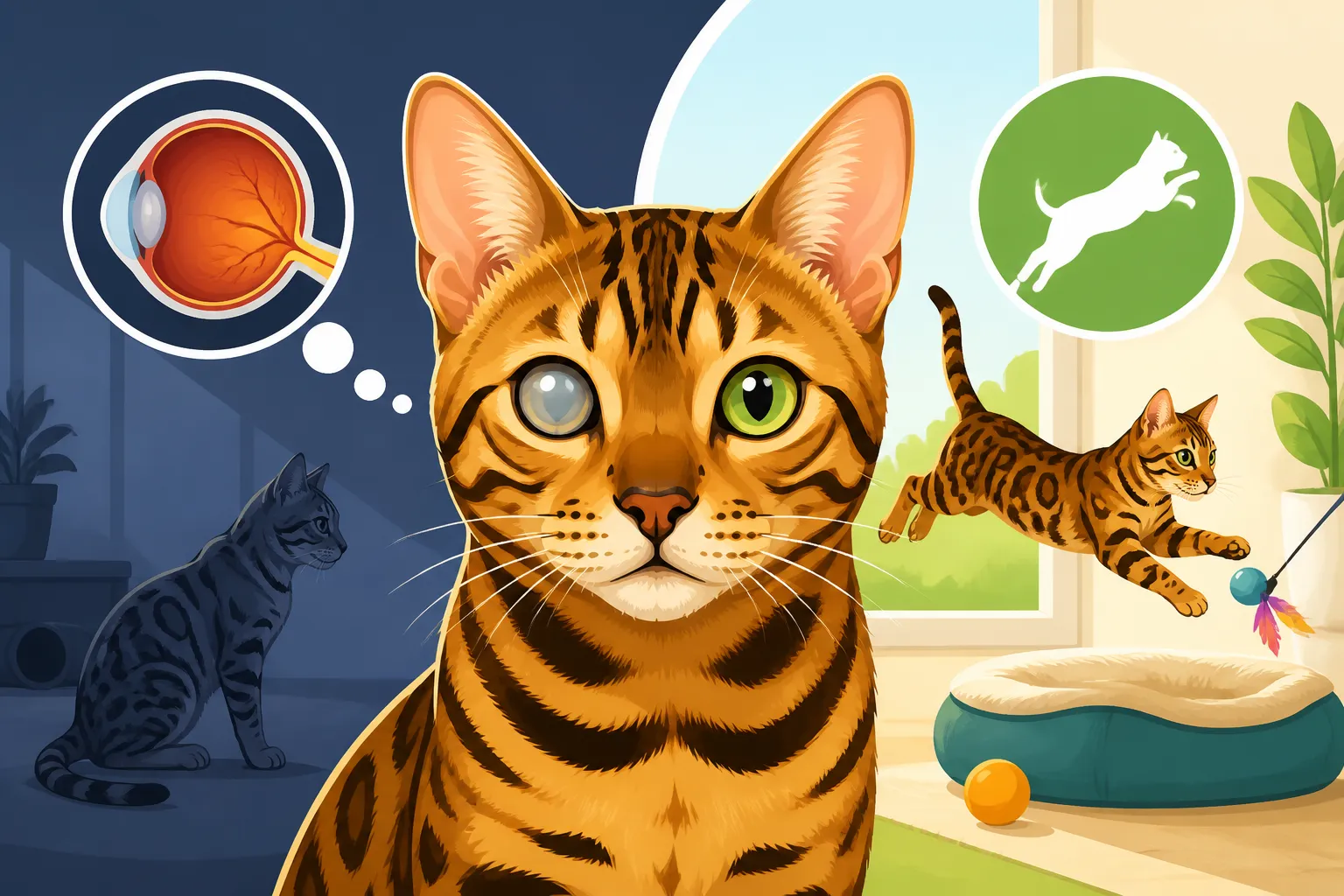
Unlike some sudden injuries, PRA-b doesn't cause instantaneous blindness. It's a progressive disease, meaning the retina deteriorates over time. Initially, you might notice your Bengal becoming clumsier in low light conditions or perhaps bumping into furniture they usually navigate with ease. This is because the rod cells, responsible for night vision, are often affected first. Over months, and sometimes years, the cone cells, which handle daytime and color vision, also begin to fail. This gradual loss is both a challenge and a hidden blessing.
Because the process is slow, your Bengal cat has a remarkable ability to adapt. Their other senses, particularly their hearing and smell, become incredibly heightened to compensate. They map their environment in their minds, creating a sensory blueprint of your home. This means they often adjust far better than a human might expect, relying on scent trails, the texture of surfaces, and the echoes of sound to navigate their world. You might not even realize how much vision they've lost until it's quite advanced, because they're so skilled at hiding their disability. Knowing The Age a Bengal Cat With PRA-b Goes Blind can help you prepare for these changes.
What PRA-b Does to a Bengal Cat's Sight
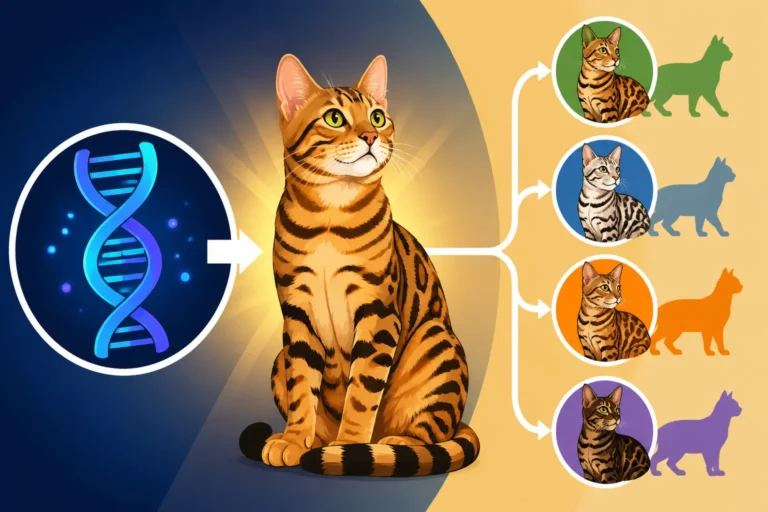
At its core, PRA-b directly targets the photoreceptor cells in the retina. These cells are what detect light and send signals to the brain, allowing for sight. In Bengal cats specifically, PRA-b involves a mutation in the CEP290 gene, which is critical for the proper function and maintenance of these retinal cells. This means that, over time, these cells become dysfunctional and eventually die off, leading to a loss of vision. It's not a painful condition in itself, but the resulting blindness can be disorienting if not managed with care and consistency.
The specific mutation means that What PRA-b Does to a Bengal Cat's Sight is a slow fading of the world around them. It typically begins with a loss of night vision, making them hesitant in dimly lit rooms or outdoors at dusk. As the disease advances, their daytime vision also deteriorates until they are completely blind. While there is currently no cure or treatment to reverse PRA-b, early diagnosis through a simple DNA test can help owners understand what’s coming and prepare their homes and routines accordingly. This knowledge allows you to foster an environment where your Bengal can thrive, even without sight.
Adapting Your Home Environment for a Blind Bengal Cat
The thought of adapting your home for a blind cat might seem daunting, but it's largely about creating consistency and safety, which many Bengal owners already strive for. Your goal is to minimize surprises and maximize their ability to navigate confidently.
Creating a Safe and Predictable Space
The single most important thing you can do for a blind Bengal cat is to maintain a consistent environment. Once your cat has mapped out your home, moving furniture, changing layouts, or adding obstacles becomes incredibly disorienting and stressful. Think of your home as their mental map; if you redraw it constantly, they'll always be lost. This means keeping furniture in place, not leaving clutter on the floor, and ensuring pathways are clear.
This might sound like a big ask, especially in a busy household, but it's about establishing habits. For instance, always putting their food and water bowls in the same spot, always placing the litter box in its designated area, and not leaving shoes or bags in hallways. Even small changes can throw them off. Consider child-proofing your home in reverse, removing anything that could be a tripping hazard for them. This includes securing electrical cords, padding sharp furniture corners, and blocking off stairs if your cat struggles with them. For detailed advice, consider reading How to Rearrange a Home for a Blind Bengal Cat.
Essential Aids and Routine for Navigation
While Bengals are highly adaptable, a few simple aids can make a world of difference. Textured mats or runners can act as sensory markers, helping your cat know they are approaching a doorway or a change in floor level. Scent markers, like a specific essential oil (diluted and applied safely to a non-toxic cloth, never directly to the cat), placed near key areas like their bed or litter box, can also guide them. However, be cautious with strong scents, as their sense of smell is already heightened. A subtle, consistent marker is best.
Establishing a strict routine for feeding, play, and bedtime also provides immense comfort and predictability. Blind cats rely heavily on auditory cues, so consistent sounds and verbal communication are vital. Talk to your cat as you approach them, let them know you're picking them up, and narrate your movements around the house. When it comes to playtime, switch from visual toys to those that make noise, like crinkle balls or toys with bells. Interactive toys that dispense treats can also keep their minds engaged. You can also incorporate internal links like How a Blind Bengal Cat Finds the Litter Box to help with specific needs.
| Aspect | Sighted Bengal Cat | Blind Bengal Cat |
|---|---|---|
| Home Layout | Can tolerate occasional furniture changes | Requires consistent furniture placement |
| Navigation Aids | Visual cues, memory | Scent trails, textured mats, auditory cues |
| Playtime Focus | Laser pointers, chasing, visual tracking | Noisy toys, scent-based games, interaction |
| Social Interaction | Relies on visual and auditory cues | Heavily relies on auditory, touch, and scent |
| Outdoor Access | Supervised leash walks, secure catio | Strictly controlled, familiar, secure catio only |
| Vet Visits | Normal handling | Extra patience, familiar carrier, calm approach |
Caring for a Blind Bengal Cat: Daily Life and Health
Beyond adapting the physical environment, truly caring for a blind Bengal cat means tending to their physical and mental well-being with extra thought and patience. This ensures they don't just exist, but truly thrive.
Feeding, Hydration, and Litter Box Management
When it comes to the basics, consistency is king. Always place their food and water bowls in the exact same spot. For water, consider a pet fountain that produces a gentle, consistent sound, which can help them locate it. Many Bengal cats love water, and this can be particularly helpful for a blind one. Raised bowls can also be beneficial, as they reduce the need for bending and allow them to feel secure while eating.
Litter box management also requires a bit of foresight. Opt for larger, uncovered litter boxes, as enclosed ones can feel claustrophobic and disorienting. Keep the litter box in an easily accessible, consistent location, away from high-traffic areas. Use a familiar litter type and consider adding a low-sided mat leading up to the box as a tactile guide. Don't change the type of litter too often, as scent and texture are crucial cues for them. Ensure you have enough litter boxes – the general rule is one per cat plus one extra, which is even more important for a blind cat who needs easy access.
Enrichment and Mental Stimulation Without Sight
A Bengal cat, whether sighted or blind, is an incredibly intelligent and active animal. Losing their sight doesn't mean losing their desire to play, hunt, and explore. In fact, providing ample enrichment is paramount to preventing boredom and behavioral issues. Think about engaging their other senses:
- Sound: Toys with bells, crinkles, or even remote-controlled toys that make noise can be fantastic. Engage them in "hunting" games where you hide noisy toys and let them track the sound.
- Scent: Scent-based puzzle toys, where they have to use their nose to find treats, are excellent. You can also hide treats around a designated, safe room for them to "hunt."
- Touch: Offer a variety of textures in their bedding and play areas. Different scratching posts (sisal, cardboard, carpet) can provide tactile stimulation.
- Interaction: Spend quality time with them. Many blind Bengals still enjoy being groomed, petted, and held. Leash training can still be an option in a very familiar, quiet, and safe outdoor space, allowing them to explore new scents and sounds under close supervision, as described in Whether a Blind Bengal Cat Can Still Be Leash Walked.
Remember, a bored Bengal, sighted or not, can be a destructive Bengal. Keeping their active minds engaged is vital for their happiness and yours.
Veterinary Care and Ongoing Health Monitoring
Regular veterinary check-ups are always important, but they become even more critical for a blind Bengal. Your vet can monitor their overall health, address any secondary issues that might arise, and ensure they are comfortable. When taking your blind cat to the vet, use a familiar carrier and line it with a blanket that smells like home. Speak calmly to them throughout the journey and during the examination to help them feel secure. Inform the vet staff that your cat is blind so they can approach gently and avoid startling them.
While PRA-b itself isn't painful, the loss of vision can sometimes lead to increased anxiety or changes in behavior that a vet can help address. Good pet insurance, like a policy from Healthy Paws, can be incredibly helpful for managing routine care and any unexpected health concerns that might arise throughout their life, ensuring you can always provide the best care without financial strain. Discuss any changes in appetite, litter box habits, or activity levels with your vet, as these can signal underlying health issues. A blind cat still needs regular vaccinations, parasite control, and dental care just like any other cat, and a dedicated vet partnership is key. You might also be interested in Whether a Bengal Cat's PRA-b Can Be Treated, though currently, there isn't a cure.
Living a Full Life: The Reality for a Blind Bengal Cat
The most inspiring thing about Bengal cats with PRA-b is their incredible resilience and capacity for joy. A blindness diagnosis is not a death sentence for their quality of life; it’s merely a different path that allows for a deeper bond and appreciation.
The True Meaning of a "Normal Life" for a Blind Cat
"Normal" for a cat isn't about perfectly seeing the world; it's about feeling safe, loved, engaged, and able to fulfill their natural instincts. For a Bengal with PRA-b, this means a consistent environment where they can navigate confidently, plenty of interactive play that stimulates their other senses, and a loving family who understands their needs. They will still climb (though perhaps not as high or confidently as a sighted cat initially), they will still play, vocalize, and demand attention.
Many owners of blind cats report that their bond with their pet deepens significantly. You become their eyes, their trusted guide, and their source of security. They learn to trust you implicitly, and this trust is incredibly rewarding. While the condition means an altered experience, it certainly doesn't mean a less fulfilling one for the cat or the owner. Their happiness radiates, often surprising those unfamiliar with how well felines adapt. Whether a Bengal Cat With PRA-b Lives a Normal Life truly depends on the care and environment provided by their human companions.
Common Misconceptions and Reassurances for Owners
One of the biggest misconceptions is that a blind cat is helpless or constantly miserable. This simply isn't true. Cats are masters of adaptation. They live in the moment and don't dwell on what they've lost in the same way humans might. Their world becomes richer in scent, sound, and touch. Another worry is that they might hurt themselves, but with a safe environment and careful supervision, serious injuries are rare. Just remember to use baby gates for stairs initially and keep toxic plants or chemicals well out of reach.
Some owners also worry about the financial burden, but routine care for a blind cat isn't significantly more expensive than for a sighted one, unless other health issues arise. Pet insurance providers, such as Healthy Paws, can offer peace of mind for unexpected veterinary costs, regardless of your cat's visual acuity. The true "cost" is a bit more time and intentionality in setting up their world, which most devoted cat parents are happy to give. Your Bengal will continue to be a mischievous, loving, and active member of your family.
Building a Strong Bond and Supporting Your Bengal
The bond you share with your Bengal cat is paramount, and it only grows stronger when they rely on you more. Continue to play with them, offer them comfort, and engage them in activities they enjoy. Vocal communication is key – talk to them frequently, especially when you enter a room or approach them. A gentle touch before picking them up can prevent startling them.
Consider providing them with a companion, perhaps another well-adjusted cat or even a dog, if introductions are handled carefully. A companion can offer social interaction and even act as a "guide cat" in some cases. However, ensure the companion is gentle and respectful of your blind cat's needs. Ultimately, your patience, love, and commitment to maintaining a stable and stimulating environment will ensure your Bengal cat with PRA-b leads a full, joyful, and truly normal life.
Disclaimer
The information provided in this article is for general informational purposes only and does not constitute veterinary advice. Always consult with a qualified veterinarian for any health concerns or before making any decisions related to your pet's medical care.