Whether a Bengal Cat Needs a Pre Surgery Workup
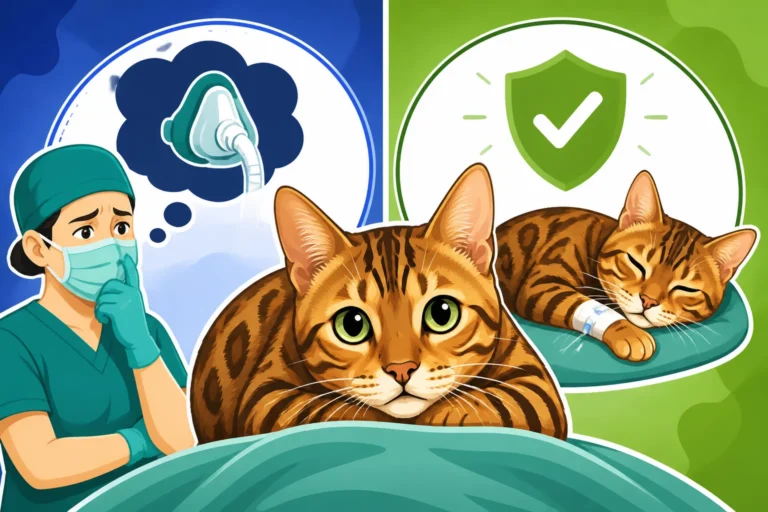
The thought of your energetic Bengal cat needing surgery can be incredibly daunting. It brings a wave of anxiety, wondering about their safety, how they'll handle it, and what risks might be lurking unseen. This comprehensive guide aims to ease some of that worry by meticulously detailing why a pre-surgery workup is not just recommended, but absolutely crucial for your beloved Bengal's health and successful recovery.
Why a Pre-Surgery Workup Is Non-Negotiable for Bengal Cats
When your Bengal cat needs a surgical procedure, whether it's a routine spay/neuter or something more complex, the decision to proceed with a pre-surgical workup isn't just about ticking boxes. It's about protecting your unique feline friend, whose wild heritage sometimes means they can hide health issues better than your average housecat. Skipping these vital checks is like driving blind into unfamiliar territory – you might make it, but the risks are significantly higher.
Uncovering Hidden Health Risks
One of the most challenging aspects of cat ownership is their remarkable ability to conceal illness or discomfort. This trait, a survival mechanism from their wild ancestry, means that by the time a Bengal cat shows overt symptoms, a condition might be quite advanced. A pre-surgical workup acts as an early warning system, peeking behind that stoic feline facade to uncover any underlying health issues that could turn a routine procedure into a life-threatening event. We're talking about things like kidney disease, liver dysfunction, or even early-stage heart conditions that show no outward signs. Imagine if your Bengal cat, who seems perfectly fine on the surface, has a mild kidney issue. Administering certain anesthetic drugs could put undue stress on those kidneys, leading to complications or even acute failure. The workup allows your veterinarian to identify these silent dangers and adjust their approach accordingly, ensuring a much safer experience for your pet.
For Bengal cats specifically, their energetic nature and robust appearance can sometimes mask vulnerabilities. For example, some Bengal lines can be prone to certain genetic conditions, or simply have unique physiological responses that differ from other breeds. Knowing their complete health picture helps the veterinary team make informed decisions. It's not just about what's wrong, but also establishing what's normal for your individual cat before a stressful event like surgery. This baseline is invaluable for monitoring them during and after the procedure.
Tailoring Anesthesia for Safety
Anesthesia is a powerful tool, but it's also a delicate balance, and no two cats react to it exactly the same way. The results from a thorough pre-surgical workup provide your veterinary team with critical information that allows them to customize the anesthetic protocol specifically for your Bengal. They'll know which drugs are safest for your cat's liver and kidneys, whether their heart can handle the stress, and if there are any clotting abnormalities that could lead to excessive bleeding. For instance, if blood tests reveal a Bengal cat has compromised liver function, the vet can choose anesthetic agents that are metabolized differently, minimizing the burden on an already struggling organ. Conversely, if signs of cardiac issues, such as a heart murmur, are detected, the team can opt for cardioprotective drugs and a more gentle induction and recovery process.
This tailored approach is especially important for our beloved Bengals, who can sometimes be a bit more sensitive to medications or have slightly different metabolic rates due to their unique genetics. A generic "one-size-fits-all" approach to anesthesia simply doesn't cut it when it comes to maximizing safety. The workup empowers the vet to make precise, evidence-based decisions, greatly reducing the risk of adverse reactions or complications during surgery. You want your vet to know as much as possible about Whether a Bengal Cat Tolerates Anesthesia before they even consider sedation.
Establishing a Baseline for Recovery
Beyond the immediate safety during surgery, a pre-operative workup also establishes a crucial baseline for monitoring your Bengal cat's recovery. Knowing their normal blood cell counts, organ values, and electrolyte levels before surgery allows the veterinary team to accurately assess any changes that occur post-procedure. Is their white blood cell count rising, indicating a potential infection? Are their kidney values creeping up, suggesting dehydration or a reaction to medication? Without pre-surgical data, it can be much harder to distinguish between a normal post-operative fluctuation and a serious complication.
This baseline is a reference point that guides post-operative care, helps with pain management decisions, and ensures a smoother, quicker return to your Bengal's usual antics. If a cat is recovering slowly or showing unusual symptoms, comparing current bloodwork to the pre-surgical results provides invaluable diagnostic clues. It can help the vet pinpoint the issue faster and implement targeted treatments, getting your cat back on their feet and thriving. This proactive approach to care is a testament to how vital these initial tests truly are for your Bengal's overall well-being.
Components of a Comprehensive Pre-Surgery Workup
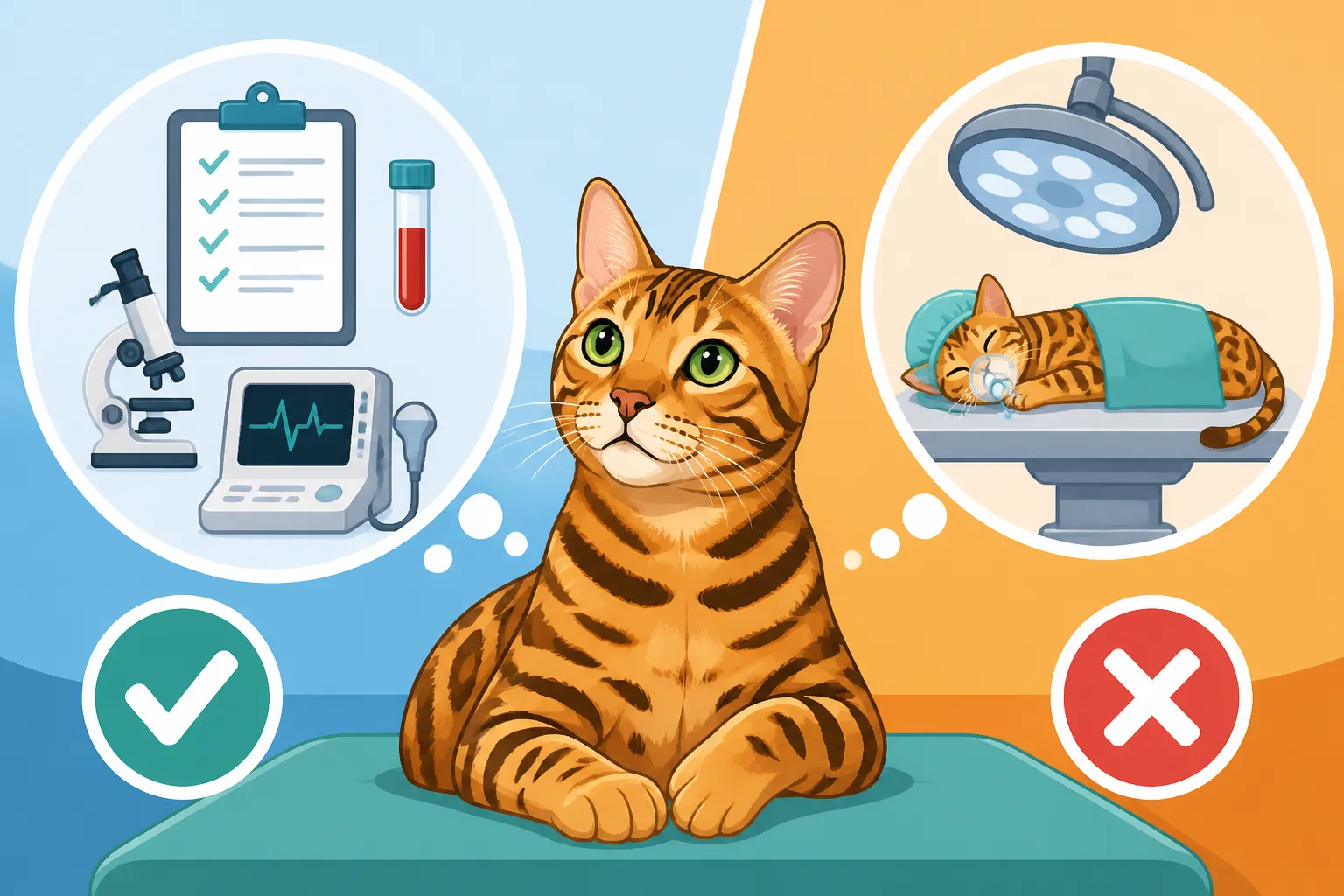
A good pre-surgical workup isn't just one test; it's usually a combination of diagnostic tools designed to give your vet the clearest possible picture of your Bengal cat's internal health. These tests are chosen based on your cat's age, general health, and the type of surgery being performed, but certain elements are almost always part of the package.
Bloodwork: The Internal Snapshot
Blood tests are the cornerstone of any thorough pre-surgical assessment. They reveal a wealth of information about your Bengal cat's internal organ function and overall systemic health. Typically, a pre-surgical blood panel will include a complete blood count (CBC) and a chemistry panel, often with an electrolyte analysis.
The complete blood count (CBC) gives your vet details about the red blood cells, white blood cells, and platelets. A low red blood cell count (anemia) could indicate a chronic illness or potential bleeding issues, making anesthesia riskier. An elevated white blood cell count might point to an infection or inflammation that needs to be addressed before surgery, as surgery itself can sometimes exacerbate existing infections. Platelet counts are crucial for assessing the blood's clotting ability; if platelets are too low, there's an increased risk of excessive bleeding during and after the procedure. This basic yet vital test can quickly flag significant concerns. It's part of What a Bengal Cat's Yearly Bloodwork Should Cover, and critical before any invasive procedure.
The chemistry panel evaluates organ function, specifically the liver and kidneys, and checks for electrolyte imbalances. The liver plays a critical role in metabolizing anesthetic drugs, while the kidneys are responsible for filtering them out of the body. If values like ALT, ALP, BUN, or creatinine are abnormal, it signals that these organs might be struggling, prompting the vet to adjust medication choices or even postpone surgery until the underlying issue is stable. Electrolytes like sodium and potassium are essential for nerve and muscle function, and imbalances can lead to serious complications under anesthesia. Beyond this, a urinalysis can also provide critical insights into kidney function and overall hydration, which is vital for any cat undergoing surgery. A comprehensive panel gives your vet invaluable data to make the safest choices for your Bengal.
Cardiac Evaluation: Listening to the Heartbeat
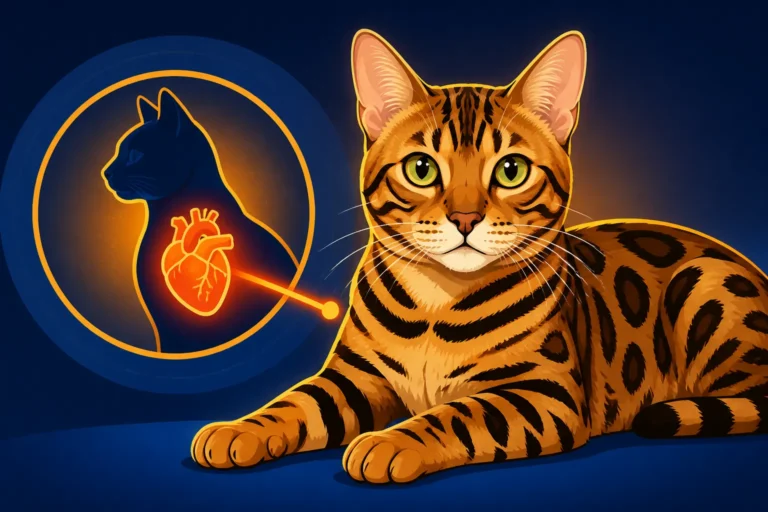
For any cat, but particularly for a breed like the Bengal cat known to have a predisposition to certain heart conditions, a thorough cardiac evaluation is a must. The initial step usually involves a stethoscope check to listen for any abnormalities in heart rhythm or the presence of a heart murmur. A murmur is an extra or unusual sound heard during a heartbeat, caused by turbulent blood flow. While not all murmurs are indicative of serious disease, they warrant further investigation before anesthesia. You can learn more about What a Bengal Cat's Murmur Means.
If a murmur or any other cardiac irregularity is detected, your vet might recommend further diagnostics, such as chest X-rays to assess heart size and lung fields, or an electrocardiogram (ECG) to evaluate the heart's electrical activity. The gold standard for assessing heart health, especially in breeds like Bengals, is an echocardiogram (echo) performed by a veterinary cardiologist. This ultrasound of the heart allows the vet to visualize the heart's chambers, valves, and muscle walls, directly checking for conditions like Hypertrophic Cardiomyopathy (HCM), a common heart disease in cats. Knowing When a Bengal Cat Should Have Its First Echo can be critical. An undiagnosed heart condition can significantly increase anesthetic risks, potentially leading to heart failure or sudden death during or after surgery. Catching these issues beforehand allows the surgical team to implement extra precautions, modify anesthetic protocols, or even refer your Bengal for cardiac stabilization before surgery proceeds. Awareness of Signs a Bengal Cat Has Heart Disease is also extremely important for owners.
Additional Diagnostics: When More Is Needed
Sometimes, a basic blood panel and cardiac auscultation aren't enough, especially for older Bengal cats, those with existing health conditions, or if the surgery is particularly complex. In such cases, your vet might recommend additional diagnostics to ensure every base is covered.
Diagnostic imaging like X-rays or abdominal ultrasounds can provide visual information about internal organs. For instance, if your Bengal is having abdominal surgery, an ultrasound can help map out the area, identify masses, or check the integrity of other organs nearby. X-rays can be crucial for orthopedic surgeries, or if there's any concern about lung health prior to anesthesia. These tools add layers of information that a blood test simply cannot provide, offering a non-invasive way to examine the structure and condition of internal anatomy. For older Bengals, checking for unseen issues is even more critical, as explored in What Changes in a Bengal Cat After Ten.
Genetic testing might also be part of a comprehensive workup, particularly for breeding animals or if there's a known family history of certain conditions. For Bengals, tests for Pyruvate Kinase Deficiency (PKD) or Progressive Retinal Atrophy (PRA-b) could be considered, especially if a vet finds signs that might align with these issues, though they aren't typically direct anesthesia risks, they give a fuller health picture. Knowing What a Full Bengal Cat DNA Panel Costs can help you prepare. While perhaps less common for a routine spay, they can be valuable in certain situations. Ultimately, the goal is to leave no stone unturned when it comes to your Bengal's safety, ensuring they are as healthy as possible before undergoing surgery.
Navigating Costs and Insurance for Your Bengal Cat's Workup
The decision to proceed with a pre-surgical workup for your Bengal cat is undeniably tied to financial considerations. It's completely natural to wonder about the cost of these tests on top of the surgery itself. However, viewing these expenses as an investment in your cat's safety and well-being can help put them into perspective.
Understanding the Investment in Your Cat's Safety
The cost of a pre-surgical workup can vary widely depending on your geographic location, the specific veterinary clinic, and the number of tests recommended. A basic blood panel might range from $100 to $300, while a more extensive workup including chest X-rays, an ECG, or even an echocardiogram performed by a specialist, could push the total into the $500 to $1,500 range or more. It sounds like a lot, but consider the alternative: unforeseen complications under anesthesia or a slower, more difficult recovery due to an undiagnosed issue can lead to far more expensive emergency treatments, longer hospital stays, or even the tragic loss of your pet.
| Component of Workup | Typical Cost Range (USD) | What it Checks For |
|---|---|---|
| Pre-Anesthetic Bloodwork | $100 – $300 | Organ function (kidney, liver), blood counts, electrolytes |
| Urinalysis | $40 – $80 | Kidney function, urinary tract infections, hydration |
| Heart Auscultation | Included in exam fee | Heart rhythm, murmurs |
| Chest X-rays | $150 – $300 | Heart size, lung condition |
| ECG (Electrocardiogram) | $100 – $250 | Electrical activity of the heart |
| Echocardiogram | $400 – $800+ | Detailed heart structure, valve function, HCM |
| Blood Pressure | $30 – $60 | Hypertension |
These figures are estimates, of course, and you should always discuss the exact costs with your veterinary team upfront. Many clinics offer different levels of pre-surgical workups, allowing you to choose what you're comfortable with while still prioritizing safety. Remember that Whether a Bengal Cat Is Expensive to Own extends to medical care, and these investments are part of responsible pet ownership.
The Role of Pet Insurance in Pre-Surgical Care
This is where having pet insurance can truly shine, softening the financial blow of necessary diagnostics. Companies like Healthy Paws offer comprehensive coverage that can help reimburse a significant portion of your veterinary bills, including those for pre-surgical workups. If your Bengal cat is covered by a policy, many of the recommended blood tests, X-rays, and even specialist cardiac evaluations might be eligible for reimbursement. This financial support can make the difference between opting for the most thorough workup possible and having to choose a more basic, potentially riskier, option due to budget constraints.
However, it's crucial to understand the specifics of your policy. Most pet insurance plans, including those from Healthy Paws, operate on a reimbursement model after deductibles and co-pays are met. They also typically do not cover pre-existing conditions. This means if your Bengal cat already has a diagnosed heart murmur before you get insurance, the costs associated with investigating or treating that murmur for surgery might not be covered. This highlights the importance of enrolling your Bengal in pet insurance early in their life, ideally before any health issues arise. Understanding Whether Insurance Covers a Bengal Cat and Whether Insurance Excludes a Bengal Cat's Inherited Disease can help you plan financially and avoid unwelcome surprises when your Bengal needs critical care.
The Impact of Age and Specific Procedures on Workup Requirements
The extent of a pre-surgical workup isn't a fixed standard; it's a dynamic process that adapts to your Bengal cat's unique circumstances. Their age and the nature of the surgery play significant roles in determining just how comprehensive these preparatory tests need to be.
Special Considerations for Bengal Kittens and Seniors
Bengal kittens, while often robust and full of energy, have developing organ systems that can be more susceptible to the effects of anesthesia. Their tiny bodies metabolize drugs differently, and they can be more prone to hypothermia and hypoglycemia during surgery. Therefore, even for a routine spay or neuter, a basic blood panel is often highly recommended to ensure their liver and kidneys are functioning properly and that they don't have any underlying infections or anemia that could complicate matters. Young animals don't always show symptoms of congenital issues, making a pre-surgical screen a valuable safety net. It’s all part of ensuring a healthy start to their long, active lives.
On the other end of the spectrum, senior Bengal cats, generally considered aged ten years and older, absolutely warrant a more thorough pre-surgical investigation. As cats age, their organ function can decline, and they are more likely to have hidden health conditions such as kidney disease, liver dysfunction, diabetes, or heart conditions that are not yet clinically obvious. Their bodies are less resilient and have a harder time bouncing back from the stress of anesthesia and surgery. For these wise old souls, a comprehensive workup usually includes full blood chemistry, a complete blood count, a urinalysis, and often a cardiac evaluation (including X-rays or even an echocardiogram) to rule out or manage any underlying issues. This detailed approach is not overkill; it’s a compassionate and necessary step to give them the safest possible surgical experience and ensure they continue to receive Caring for a Bengal Cat Past Ten with minimal risk.
Routine Procedures vs. Emergency Surgeries
The type of procedure itself also heavily influences the scope of the pre-surgical workup. For routine, elective procedures like spaying, neutering, or a standard dental cleaning (which is surprisingly common, given Whether a Bengal Cat Gets Dental Disease), there's ample time to perform a full, ideal workup. This allows the veterinary team to be proactive, identify any issues well in advance, and make adjustments or delay the surgery if necessary. For example, if a Bengal is scheduled for a dental cleaning and bloodwork reveals elevated kidney values, the vet might decide to stabilize the kidney condition with diet or medication before proceeding with the dental, ensuring the cat is in the best possible shape for anesthesia. This deliberate approach significantly enhances safety.
In contrast, emergency surgeries present a different challenge. If your Bengal cat has suffered a sudden injury, ingested a foreign object requiring immediate removal, or is experiencing another life-threatening crisis, there might not be time for a full, comprehensive pre-surgical workup. In these urgent scenarios, the veterinary team must prioritize saving the cat's life. They will typically perform the most critical and rapid diagnostic tests possible – often a packed cell volume (PCV) to check for anemia, a quick blood glucose, and basic electrolytes – to get essential information while simultaneously preparing for surgery. While less ideal than a full elective workup, these emergency diagnostics are crucial for making informed decisions under pressure and mitigating immediate risks. The goal shifts from an exhaustive health overview to gathering only the most vital, life-saving data points. This highlights why regular wellness exams, like How Often a Bengal Cat Needs a Wellness Exam, are so important, as they can catch issues before they become emergencies.
Disclaimer
The information provided in this article is for educational purposes only and is not a substitute for professional veterinary advice. Always consult with a qualified veterinarian for any health concerns or before making any decisions related to your Bengal cat's care, especially regarding surgical procedures and pre-operative diagnostics.