Why a PK Deficient Bengal Cat Has Good Days and Bad
It's incredibly frustrating and heartbreaking to witness your beloved Bengal cat, diagnosed with Pyruvate Kinase (PK) Deficiency, oscillate between periods of apparent wellness and sudden, debilitating illness. One day they might be zooming around, full of their usual spirited antics, and the next they're withdrawn, lethargic, and clearly not themselves. This guide will delve into the complex reasons behind these "good days and bad" for PK deficient Bengal cats, offering a clearer understanding of what’s happening internally and how you can best support your unique feline companion.
Understanding Pyruvate Kinase Deficiency in Bengal Cats
PK Deficiency isn't just a quirky trait; it's a serious inherited metabolic disorder that impacts a Bengal cat's red blood cells. To truly grasp why some days are better than others, we first need to understand the fundamental mechanics of this condition.
The Genetic Basis of PK Deficiency
At its core, Pyruvate Kinase Deficiency in Bengal cats is a genetic hand-me-down, inherited in an autosomal recessive pattern. This means a cat must inherit two copies of the faulty gene – one from each parent – to actually suffer from the disease. Cats with only one copy are carriers and typically show no symptoms, but they can pass the gene to their offspring. This isn't unique to Bengals; other breeds also carry this mutation, but it's particularly well-documented and understood within the Bengal population.
The culprit is a specific enzyme, pyruvate kinase, which plays a crucial role in the glycolytic pathway of red blood cells. This pathway is essentially the energy production line for these vital cells. When a Bengal cat is PK deficient, their red blood cells lack sufficient pyruvate kinase. This enzyme is essential for red blood cells to produce the energy they need to function optimally and maintain their integrity. Without it, these cells become fragile, prone to damage, and have a significantly shortened lifespan. You can learn more about Which Enzyme PK Deficiency Removes From a Bengal Cat in our detailed post.
How Red Blood Cell Health Fluctuates
The destruction of red blood cells, a process called hemolysis, isn't a constant, steady decline. Instead, it often occurs in cycles or bursts. Imagine a leaky bucket: sometimes it's just a drip, other times a gush. This variability is key to understanding why your Bengal has good days and bad. When the rate of red blood cell destruction is low, or when the cat's bone marrow is working effectively to replace the lost cells, your Bengal might not show obvious signs of illness. Their body is managing to compensate, and they might appear energetic and healthy. This is what we refer to as a "good day."
However, various factors can disrupt this delicate balance, leading to an accelerated breakdown of red blood cells or overwhelming the bone marrow's ability to keep up. When this happens, the cat becomes anemic, and symptoms become much more apparent. This explains How PK Deficiency Destroys a Bengal Cat's Red Cells and sets the stage for the periods of feeling unwell. The anemia is the direct cause of the 'bad days,' and it can range from mild to severe, dictating the intensity of their symptoms.
The Rollercoaster of Anemia and Its Triggers
Living with a PK deficient Bengal cat means experiencing this constant push and pull between their body trying to cope and external or internal factors making things worse. It’s truly a rollercoaster, and understanding the peaks and valleys can help you anticipate and manage them.
The Body's Compensation Mechanisms
When a Bengal cat's red blood cells are prematurely destroyed due to PK deficiency, their body doesn't just give up. It has incredible compensatory mechanisms designed to maintain oxygen delivery to tissues. The primary responder is the bone marrow, which ramps up production of new red blood cells to replace those being lost. Think of it like a factory working overtime to meet demand.
During these "good days," the bone marrow is successfully keeping pace with the destruction. The cat's packed cell volume (PCV), a measure of red blood cell concentration, might be on the lower end of normal or just slightly below, but it's stable enough that they don't experience significant clinical signs of anemia. Their activity levels might be slightly lower than a completely healthy Bengal, but they'll still engage in play, eat well, and generally seem content. You might notice their gums are a paler pink than a healthy cat's, but not alarmingly so. For a deeper dive into the typical presentation, you might want to read about The Age PK Deficiency Shows in a Bengal Cat. When these compensatory mechanisms are robust, the cat can maintain a semblance of normal life, albeit with a hidden battle raging within their bloodstream.
Stressors That Worsen Anemia
Unfortunately, the compensatory mechanisms aren't limitless, and various stressors can tip the balance, leading to a "bad day" or even an anemic crisis. These triggers can cause the rate of red blood cell destruction to outpace production, resulting in more severe anemia and noticeable symptoms.
- Infections and Illnesses: Any kind of infection, whether bacterial, viral, or parasitic, puts immense stress on a cat's immune system and overall body. This increased metabolic demand can accelerate red blood cell breakdown. Even a seemingly minor cold or a bout of Chronic Diarrhea Is the Bengal Cat Complaint Nobody Warns About can exacerbate PK deficiency.
- Environmental or Emotional Stress: Bengal cats are sensitive creatures. Changes in their environment, a new pet, a house move, or even a stressful vet visit can trigger a stress response. Stress hormones can influence various bodily functions, including red blood cell stability, potentially worsening their anemic state.
- Concurrent Health Issues: Other health problems, even those unrelated to PK deficiency, can drain a cat's resources. If a PK deficient Bengal is also dealing with something like Bladder Problems in a Bengal Cat or dental issues, their body's ability to compensate for the ongoing red blood cell loss will be compromised.
- Trauma or Injury: Physical trauma, even minor, can lead to internal bleeding or inflammation, both of which increase the body's demand for oxygen and can worsen anemia.
- Certain Medications: While less common, some medications can have side effects that impact red blood cell production or survival. Always discuss your Bengal's PK deficiency with your vet when new medications are prescribed.
When these stressors hit, the careful balance is disturbed. The cat’s body, already working hard, struggles to keep up, and the signs of anemia become pronounced. Understanding these triggers is vital for owners seeking to provide the most stable and supportive environment for their PK deficient Bengal.
Recognizing the Signs of "Good" vs. "Bad" Days
Being attuned to your Bengal cat's subtle cues is paramount when they have PK Deficiency. Their unique personality often masks illness, but with a condition like this, even small changes can signal a shift. Knowing what constitutes a "good" versus a "bad" day helps you act quickly when necessary.
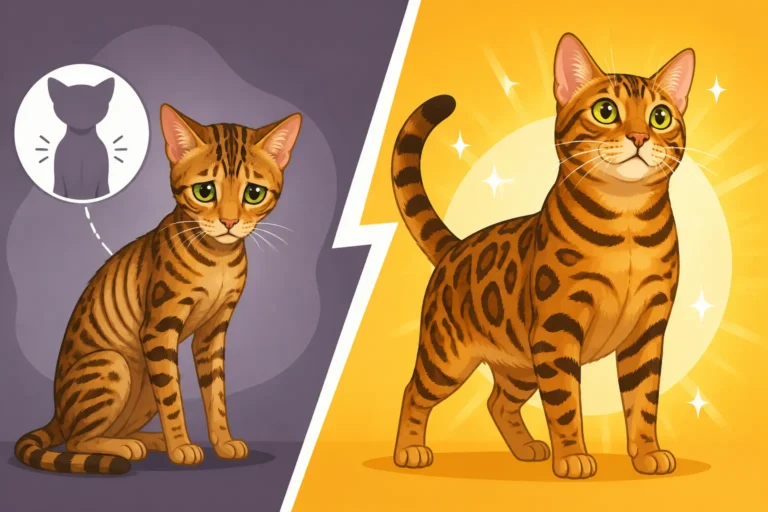
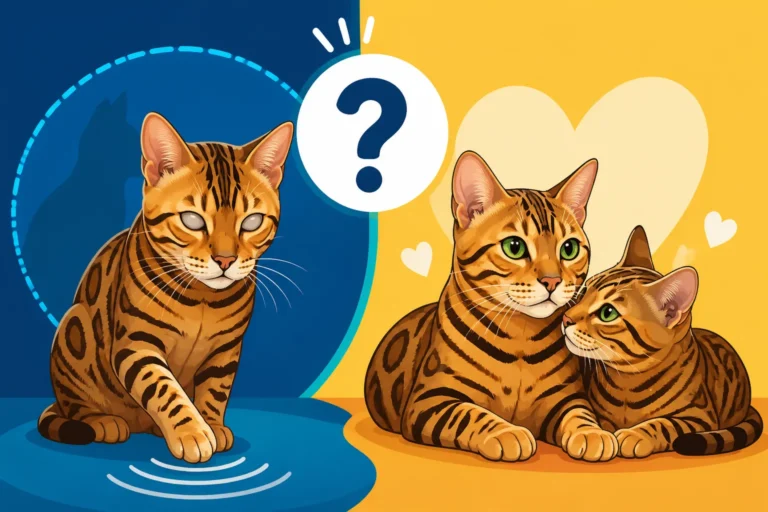
What a "Good Day" Looks Like
On a "good day," your PK deficient Bengal will seem relatively normal, often surprising you with their energy. They might be:
- Playful and Engaged: Chasing toys, interacting with you, and showing curiosity, perhaps even attempting to open a cabinet or two. Their play sessions might not be as long or intense as a non-affected Bengal, but they'll still show enthusiasm.
- Good Appetite: Eating their meals with gusto and maybe even begging for treats. Consistent food intake is vital for energy.
- Normal Hydration: Drinking water regularly, possibly from their favorite water fountain or even joining you by the sink.
- Active and Alert: Moving around the house, exploring, and responding to sounds and your presence. Their eyes will be bright and clear.
- Pink-ish Gums: While likely not a vibrant bubblegum pink, their gums will have a noticeable pink hue, indicating a reasonable oxygen level in their blood. Check their inner eyelids and paw pads too for similar coloration.
It's important to remember that "good" is a relative term here. Even on their best days, a PK deficient Bengal is living with an underlying health challenge. They might still tire more easily than a healthy cat, or their energy bursts might be shorter. The key is to observe their baseline behavior when they are feeling their best and use that as your personal benchmark. For further insights into their general well-being, exploring articles like How Long a PK Deficient Bengal Cat Lives can provide context.
What a "Bad Day" Looks Like
A "bad day" is when the anemia takes over, and your Bengal's compensatory mechanisms are overwhelmed. The signs can be subtle at first but will become more pronounced as their red blood cell count drops. This is when urgent attention might be required. Look out for:
- Lethargy and Weakness: This is often the most noticeable change. Your cat will be unusually tired, sleep more, and show little interest in play or interaction. They might move slowly and deliberately.
- Pale Mucous Membranes: Their gums will appear very pale, almost white or a ghostly grey. This is a critical sign of severe anemia, as detailed in Why a PK Deficient Bengal Cat's Gums Look Pale. Check their inner eyelids and paw pads for similar paleness.
- Increased Respiratory Rate: They might breathe faster or with more effort, even when resting. Their chest might heave, or you might notice their abdominal muscles working harder with each breath.
- Reduced Appetite and Thirst: They may turn their nose up at food, or eat only small amounts. They might also drink less.
- Hiding and Withdrawal: A common feline behavior when feeling unwell. They might seek out quiet, secluded spots and avoid interaction.
- Weight Loss: Over time, if "bad days" are frequent or prolonged, weight loss can occur due to reduced food intake and increased metabolic stress.
- Jaundice (in some cases): While less common as a primary sign in PK deficiency (it's more typically seen with certain types of red blood cell destruction), the breakdown of red cells releases bilirubin, which can sometimes lead to a yellowish tinge in gums, skin, or eyes.
Recognizing these signs quickly is crucial. If you suspect your Bengal is having a "bad day," especially with severe paleness or difficulty breathing, contact your veterinarian immediately. They can perform diagnostic tests to confirm the severity of the anemia, such as a Blood Test Alone Diagnoses a Bengal Cat and packed cell volume (PCV) measurement, to determine the best course of action.
| Symptom | "Good Day" Bengal Cat | "Bad Day" Bengal Cat |
|---|---|---|
| Activity Level | Playful, curious, moderate energy bursts. | Lethargic, withdrawn, minimal movement, sleeps excessively. |
| Appetite | Eats meals readily, may seek treats. | Reduced interest in food, picky, may refuse meals. |
| Gum Color | Pale pink, but still discernible pink. | Very pale, whitish, or grayish gums. |
| Breathing | Calm, even, unlabored breathing at rest. | Faster breathing, noticeable effort, panting. |
| Social Behavior | Engaged, interactive, seeks attention. | Hides, avoids interaction, seeks solitude. |
| Overall Demeanor | Alert, bright-eyed, generally content. | Dull eyes, hunched posture, appears weak or uncomfortable. |
Managing PK Deficiency for More Consistent Health
While PK Deficiency is a lifelong condition without a cure, proactive management can significantly improve your Bengal cat's quality of life, extending their "good days" and minimizing the severity and frequency of their "bad days." It's all about diligent care and working closely with your veterinary team.
Proactive Care and Veterinary Support
Regular veterinary oversight is the cornerstone of managing PK deficiency. Your vet will become your most valuable partner in this journey.
- Routine Check-ups and Monitoring: Even if your Bengal seems well, regular vet visits are essential. Your veterinarian can monitor their packed cell volume (PCV) and other blood parameters to catch subtle shifts before they become critical. These blood tests are key to understanding their baseline and identifying when their red blood cell production isn't keeping up. If you're wondering How a Vet Confirms PK Deficiency in a Bengal Cat, it involves a combination of clinical signs and specific genetic testing.
- Managing Crises: In severe anemic crises, your vet might recommend treatments like supportive care, fluids, or even a blood transfusion to stabilize your cat. This can be a life-saving intervention and can quickly turn a "bad day" into a more manageable situation. Understanding Whether a PK Deficient Bengal Cat Needs a Transfusion is crucial for owners facing a severe episode.
- Spleen Removal Considerations: In some cases, for cats with chronic, severe hemolysis, a splenectomy (removal of the spleen) might be considered. The spleen is a major site of red blood cell destruction, and removing it can sometimes reduce the severity of anemia, though it's not a cure and carries its own risks. Discussing Whether a Spleen Removal Helps a Bengal Cat with a specialist is an important conversation.
- Pet Insurance: The unpredictable nature of PK deficiency, with its sudden "bad days" requiring emergency vet visits or specialized treatments, can lead to significant financial strain. This is where a reliable pet insurance plan can be a lifesaver. Companies like Healthy Paws can help cushion the blow of unexpected medical costs, allowing you to focus on your cat's health rather than worrying about the bill. Having Healthy Paws coverage can give you peace of mind, knowing you can afford the best care during those critical "bad days."
Creating a Stable Environment
Beyond medical interventions, your home environment plays a massive role in minimizing stressors and promoting overall well-being for your PK deficient Bengal.
- Minimize Stress: This cannot be emphasized enough. Create a calm, predictable environment. Stick to a consistent daily routine for feeding, playtime, and rest. Provide safe, quiet spaces where your Bengal can retreat if they feel overwhelmed or unwell. Avoid sudden, loud noises and limit changes to their environment if possible. If you must introduce new elements, do so gradually.
- Nutritional Support: A high-quality, balanced diet is crucial. While diet won't cure PK deficiency, good nutrition supports overall health and helps the body produce and maintain healthy cells. Work with your vet to ensure your Bengal is getting appropriate food, potentially even a prescription diet if they have concurrent digestive sensitivities, a common issue in this breed.
- Hydration: Always ensure access to fresh, clean water. Many Bengal cats love running water, so a pet water fountain can encourage increased intake, which is beneficial for overall health.
- Appropriate Exercise and Mental Enrichment: While they have "good days," don't push them too hard. Offer opportunities for play and mental stimulation through puzzle toys and short interactive sessions, but allow them to dictate the pace and duration. Overexertion on a borderline anemic day can quickly tip them into a "bad day."
- Continuous Observation: You know your cat best. Be hyper-aware of any subtle changes in behavior, appetite, energy, or appearance. Keep a journal to track their "good days" and "bad days," noting any potential triggers. This detailed information can be invaluable to your vet. Having a support system, even with pet insurance like Healthy Paws, means you can make informed decisions quickly when the situation arises.
While the journey with a PK deficient Bengal cat can have its challenges and heartbreaking moments, with dedicated care, vigilant monitoring, and the right support system, including robust pet insurance like Healthy Paws, you can help them live a full and happy life, enjoying as many "good days" as possible.
Disclaimer
The information provided in this article is for educational and informational purposes only and does not constitute veterinary advice. Always consult with a qualified veterinarian for any health concerns or before making any decisions about your Bengal cat's medical care.