What Rosettes and Glitter Add to a Bengal Cat’s Price
The decision to bring a Bengal cat into your life is incredibly exciting, but many prospective owners quickly get overwhelmed by the price tags, especially when they see such a wide range. It’s not just about the breed itself; the unique patterns and shimmer that make Bengals so striking—think rosettes and that gorgeous glitter—play a huge role in their cost. This guide will walk you through exactly how these specific aesthetic traits influence the price you might pay for your spotted or marbled companion, helping you understand the value behind those mesmerizing looks.
Understanding the Bengal Cat Price Puzzle
Venturing into the world of Bengal cat ownership often starts with a sense of wonder at their stunning, wild appearance, followed quickly by a jolt when you see the price. It's easy to assume that all Bengals of a similar generation or age would be priced similarly, but the truth is far more nuanced. There are so many factors at play, from lineage to health testing, and crucially, the visual appeal of their coat.
Beyond the Basic Price Tag: What Influences a Bengal's Cost
When you first start looking for a Bengal cat, you might notice that prices can swing dramatically, sometimes by thousands of dollars, even for kittens from the same litter. This isn't arbitrary; it reflects a complex interplay of genetic traits, breeding efforts, and market demand. For instance, the generation of the Bengal cat, often denoted by F1, F2, F3, or SBT, is a significant determinant. Early generation Bengals (F1-F3) are closer to their wild Asian Leopard Cat ancestors and typically command much higher prices due to their rarity, unique care requirements, and often, higher cost of breeding. However, even within the widely available SBT (Stud Book Traditional) Bengals, pricing can vary wildly based on specific aesthetic qualities that breeders work tirelessly to achieve. You can learn more about this by exploring content like What an SBT Bengal Cat Costs. Beyond the 'F' number, the quality of the individual kitten against the breed standard is paramount. Is its head shape perfect? Are its eyes the right color and shape? These minute details, combined with the overall pattern and shine, contribute heavily to the final figure.
The Allure of the Wild Look: Why Unique Features Command a Premium
What draws most people to Bengal cats is their undeniable resemblance to their wild ancestors – a miniature leopard or ocelot living in your home. This "wild look" is the holy grail for breeders and enthusiasts alike, and it's built upon several key aesthetic features. Chief among these are their distinctive coat patterns, primarily rosettes, and that characteristic "glitter" that makes their fur shimmer. Achieving these traits to perfection isn't simple; it requires careful genetic selection, extensive knowledge of bloodlines, and a significant investment of time and resources from a breeder. When a kitten displays a particularly striking pattern with excellent contrast, or an intense, glowing glitter, it embodies the ideal Bengal aesthetic. This visual distinction creates a premium, as these kittens are often considered "show quality" or "breeder quality," even if they are sold as pets. The desire for a truly exceptional representation of the breed fuels the demand for these visually superior cats, driving their price points higher.
Decoding Rosettes: The Crown Jewel of Bengal Coats
When you picture a Bengal cat, chances are you're imagining those distinctive, intricate spots that mimic a wild leopard. These aren't just any spots; they're called rosettes, and they are arguably the most sought-after pattern trait in the breed. The presence, type, and quality of rosettes can dramatically influence a Bengal cat's price.
Types of Rosettes and Their Value
Not all rosettes are created equal, and breeders strive for specific shapes and configurations that are highly prized in the Bengal cat world. You might hear terms like "arrowhead," "paw print," "donut," or "clouded" rosettes, and each refers to a distinct pattern. Arrowhead rosettes are triangular or arrow-shaped spots, often seen with a darker outline on one side. Paw print rosettes resemble a paw print, with a dark outline surrounding a lighter center. Donut rosettes are perhaps the most coveted: a fully enclosed, darker ring surrounding a lighter, contrasting center. Imagine a tiny doughnut stamped on your cat's fur! Clouded rosettes are larger, more abstract, and often irregularly shaped, resembling the clouded leopard's pattern. The rarity and visual appeal of these types directly impact the price. A cat with well-defined, closed donut rosettes will almost always command a higher price than one with less distinct, single spotting. Breeders invest years into lines that consistently produce these desirable patterns. For a deeper dive, you can explore What a Rosette Is on a Bengal Cat.
The Rarity Factor: Why Perfect Rosettes Are Highly Prized
Achieving perfect rosettes is a true art and a science for Bengal breeders. It’s not just about having rosettes; it’s about their clarity, symmetry, distribution, and contrast. A kitten born with truly exceptional rosettes is a testament to meticulous breeding choices and genetics. These are often the "pick of the litter," destined for show rings or breeding programs, and if sold as pets, they carry a significant premium. Why? Because producing such a coat is difficult. Many kittens might have rosettes, but few have them perfectly formed, consistently spread across the body, and with excellent horizontal flow – meaning they align well across the cat's body, rather than being vertically stacked. Breeders who consistently produce these high-quality rosettes are respected within the community, and their kittens' prices reflect their reputation and the genetic excellence they've cultivated. It’s a supply and demand issue: the demand for perfectly rosetted Bengals is high, but the supply of truly top-tier examples is limited.
Rosette Contrast and Clarity: How Pattern Definition Impacts Price
Beyond the shape of the rosette, the contrast and clarity of the pattern are critical in determining its value and, subsequently, the Bengal cat's price. Contrast refers to the difference in color between the base coat and the rosettes themselves. A high-contrast Bengal will have dark, vivid rosettes standing out sharply against a lighter, often golden or silver, background. This sharp definition makes the pattern 'pop' and enhances the wild aesthetic everyone loves. Conversely, a low-contrast coat might have rosettes that blend too much into the background, making the pattern less distinct and less visually impactful. Clarity refers to how clean and crisp the edges of the rosettes are. Fading or blurry edges diminish the overall quality of the pattern. Breeders work to achieve Bengals with a short, plush coat that enhances this clarity and contrast, allowing the rosettes to truly shine. A Bengal with outstanding contrast and crystal-clear rosettes will invariably be priced higher because it epitomizes the ideal breed standard and is a stunning example of what a Bengal cat can be.
The Magic of Glitter: A Unique Bengal Trait
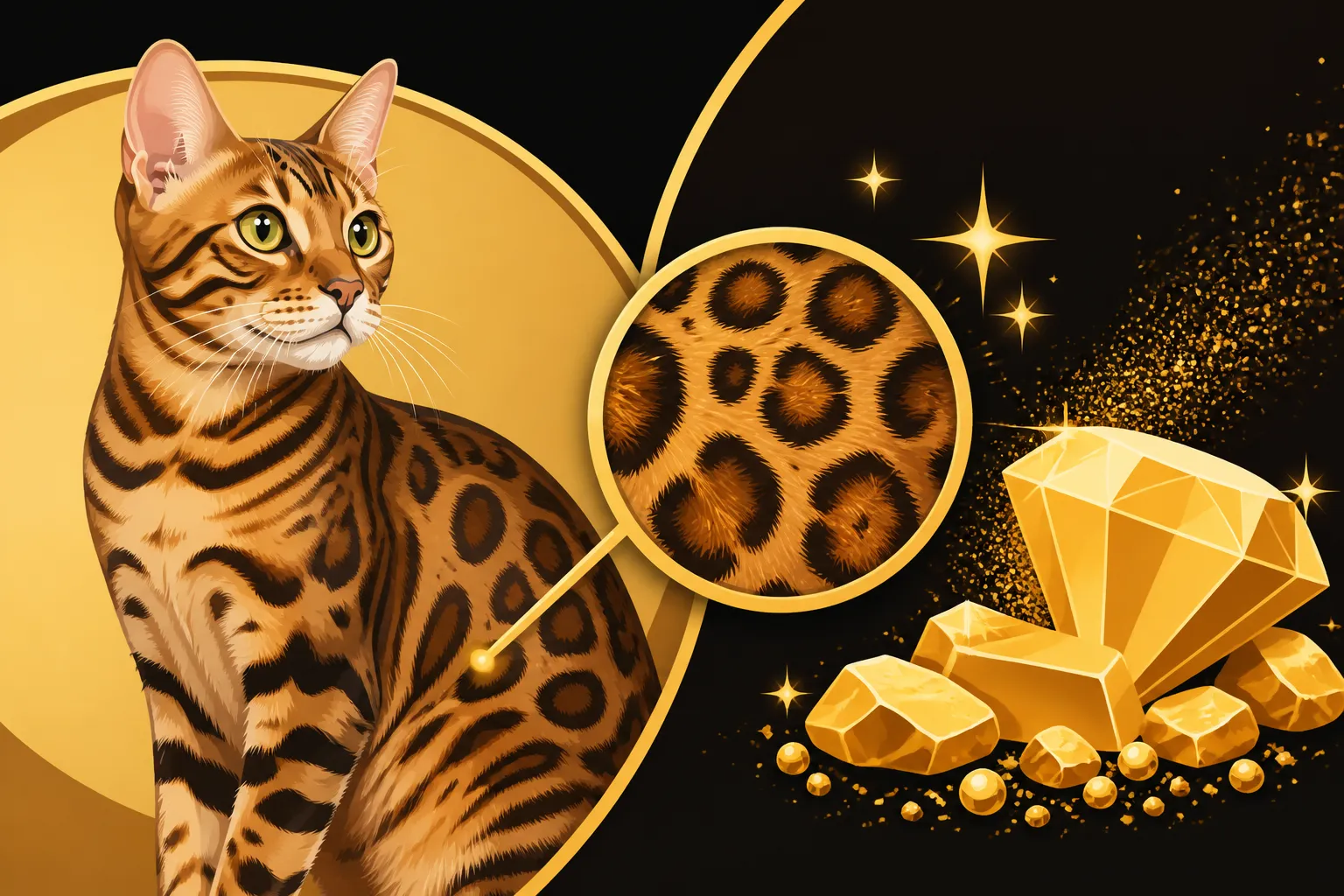
Beyond the mesmerizing patterns, many Bengal cats possess another enchanting trait that makes their coats truly unique: glitter. This isn't actual sparkle you apply; it's a genetic characteristic that gives their fur an iridescent, shimmering quality, as if dusted with gold or fine mica.
What is Bengal Glitter?
Bengal glitter is a fascinating genetic trait that causes the individual hair shafts of the cat's coat to be hollow and somewhat translucent, rather than opaque. This unique structure allows light to pass through and reflect off the inner core of the hair, creating a luminous, shimmering effect. It's not present on every Bengal cat, but it's a highly desired feature, contributing significantly to that exotic, luxurious look the breed is famous for. When a Bengal with glitter moves, especially in good lighting, its coat appears to sparkle, giving it an almost magical quality that truly sets it apart from other cat breeds. This trait is thought to be inherited from the Asian Leopard Cat ancestors, adding another layer to the breed's wild appeal. To understand more about this captivating feature, you might want to read What the Glitter Gene Does to a Bengal Cat.
The Spectrum of Glitter: How Intensity Affects Desirability
Just like rosettes, glitter isn't a simple 'on or off' switch; it exists on a spectrum of intensity. Some Bengals might have a subtle, almost dusty shimmer, while others possess an incredibly vibrant, sparkling glitter that is noticeable even in dim lighting. The more intense and pervasive the glitter across the coat, the more desirable it typically becomes, and thus, the higher the price. Breeders often specifically breed for strong glitter, as it enhances the overall "pelted" feel and appearance of the coat, making it look and feel incredibly luxurious. When assessing a kitten, experienced buyers will look for that strong, all-over shimmer that truly catches the light and adds depth to the patterning. A Bengal with exceptional glitter truly shines, both literally and figuratively, and breeders know that this captivating trait is a significant selling point.
Glitter in Different Color Morphs: How It Presents on Brown, Snow, Silver, Charcoal Bengals
Glitter isn't exclusive to one Bengal color; it can manifest beautifully across all accepted color morphs, though its appearance might vary subtly. On a traditional brown Bengal, glitter often takes on a golden or coppery sheen, enhancing the warmth of their base coat and making their rosettes appear even richer. Imagine a brown Bengal with donut rosettes and a glittering coat that catches the sunlight—it’s absolutely stunning! For snow Bengals, which include Seal Lynx Point, Seal Mink, and Seal Sepia varieties, the glitter can appear more silvery or pearlescent, complementing their cool tones and giving them an ethereal glow. On silver Bengals, glitter often blends seamlessly with their frosty base coat, amplifying its metallic quality. And even on the darker charcoal Bengals, where the contrast is already striking, glitter can add an unexpected depth and richness to their smoky patterns. Regardless of the base color, an intense glitter always elevates the aesthetic appeal, contributing to the cat's value and overall price.
Marbling: An Alternative Pattern and Its Price Implications
While rosettes are often the most recognized and sought-after pattern in Bengal cats, the breed also comes in a stunning marbled pattern. This alternative offers a distinctly different, yet equally captivating, aesthetic that also influences pricing.
Marbled vs. Rosetted: Aesthetic and Price Differences
Marbled Bengal cats display swirling, horizontal patterns that resemble marble stone or an intricate batik fabric, rather than distinct spots. The pattern flows across their body in waves and whorls, often outlined with darker pigmentation, creating a dramatic and artistic effect. While genetically different from rosettes, a well-defined marbled pattern is equally prized for its beauty and adherence to the breed standard. In terms of pricing, truly exceptional marbled Bengals can command prices comparable to, or even higher than, some rosetted Bengals, particularly if their pattern is rare and spectacular. However, generally speaking, donut rosettes tend to be slightly more in demand and thus can sometimes lead to higher prices on average, simply due to their iconic association with wild felines. The choice between a rosetted or marbled Bengal often comes down to personal aesthetic preference, but both patterns, when of high quality, are highly valued. You can compare the differences by researching What a Marbled Bengal Cat Is.
The Art of the Marbled Coat: What Makes a Good Marbled Pattern
A good marbled coat is far more than just random swirls. Breeders strive for a pattern that is clear, well-defined, and flows horizontally across the body rather than vertically. The ideal marbled pattern should have a clear, three-dimensional effect, with distinct bands of color and good contrast. The markings should be large and bold, creating a sense of movement and depth. A "sheet marble" where the pattern covers a large area in a continuous, flowing design is particularly desirable. Fuzzy or broken patterns, or those that look more like random blotches, are generally less valued. The underlying contrast between the base coat and the pattern is also crucial, much like with rosettes. The more vivid the distinction, the more striking the overall appearance and, therefore, the higher the value. Achieving this level of artistry in a marbled coat requires the same dedication to genetics and selective breeding as achieving perfect rosettes.
| Coat Feature | Description | Price Impact (General) |
|---|---|---|
| Donut Rosettes | Fully enclosed dark rings with lighter centers. Most desired. | Highest – Significant premium for clarity and definition. |
| Paw Print Rosettes | Darker outline resembling a paw, surrounding a lighter center. | High – Very desirable, especially with good contrast. |
| Arrowhead Rosettes | Triangular or arrow-shaped spots, often with one side outlined. | Medium-High – Valued for clear, defined shapes. |
| Single Spots | Basic, uniform spots without clear outlining or central color. | Medium – Common, less impact on premium pricing unless excellent contrast. |
| Clouded Rosettes | Large, irregular, more abstract patterns resembling a clouded leopard. | High – Can be very striking and sought after. |
| Glitter (High Intensity) | Strong, pervasive shimmer due to translucent hair shafts. | High – Adds significant aesthetic appeal across all colors. |
| Glitter (Low Intensity) | Subtle, less noticeable shimmer. | Medium – A nice bonus, but less of a premium driver. |
| Marbled (Sheet Flow) | Large, horizontal, flowing swirls and patterns resembling marble. | High – Exceptional examples can rival top rosetted Bengals. |
| Marbled (Broken/Vertical) | Disconnected or vertically oriented marbled patterns. | Medium – Less desirable than clear, flowing horizontal patterns. |
| Excellent Contrast | Sharp, vivid difference between pattern color and base coat. | Significant – Enhances all patterns, crucial for visual appeal. |
The Breeder's Craft: Investing in Quality and Health
While the visual appeal of rosettes and glitter is undeniable, it's crucial to remember that these traits don't appear out of thin air. They are the result of dedicated, responsible breeding practices, which inherently contribute to the overall price of a Bengal cat. A high price often reflects a breeder's significant investment in the health, temperament, and genetic quality of their lines, not just their looks.
Health Testing and Its Impact on Price
A responsible Bengal breeder understands that beauty is secondary to health. This means investing heavily in genetic health screening for potential breeding cats. Common genetic issues in Bengals include PRA-b (Progressive Retinal Atrophy-b), which can lead to blindness, and PK Deficiency (Pyruvate Kinase Deficiency), a form of anemia. Reputable breeders will also regularly screen for HCM (Hypertrophic Cardiomyopathy), a serious heart condition, through cardiac echocardiograms performed by a board-certified veterinary cardiologist. Each of these tests, especially the repeated echos for HCM, represents a significant cost to the breeder. You can investigate topics like How Common HCM Is in Bengal Cats and Which Gene Causes PRA-b in a Bengal Cat to understand the importance of these screenings. When you purchase a kitten from a breeder who provides clear health clearances for both parents, you're not just buying a cat; you're buying peace of mind, knowing that every effort has been made to produce healthy offspring. This commitment to health is a non-negotiable part of ethical breeding and directly impacts the kitten's price. Skipping these tests might result in a cheaper kitten initially, but the long-term veterinary bills for an unhealthy cat can far outweigh any upfront savings.
Pedigree and Show Quality: How Lineage and Conformation Influence Cost
The pedigree of a Bengal cat is essentially its family tree, detailing its ancestry and confirming its purebred status. A strong pedigree from champion lines, where ancestors have achieved high titles in cat shows, adds significant value to a kitten. This is because show titles are awarded to cats that closely meet the breed standard, meaning they possess ideal conformation, temperament, and, of course, outstanding coats with excellent rosettes and glitter. Breeders of show-quality Bengals spend years refining their lines, selecting cats that exemplify the best traits of the breed. These breeders also invest in showing their cats, which involves travel, entry fees, and professional grooming—all substantial expenses. When a kitten is designated "show quality," it means it has the potential to excel in the show ring, and if sold as a pet, it will still embody that superior genetic background and stunning appearance. Such a kitten will naturally be at the higher end of the price spectrum. Exploring what it means to have a What a Show Quality Bengal Cat Costs might shed more light on this.
Ethical Breeding Practices: The Cost of Responsible Breeding
Responsible breeding goes far beyond just health tests and pedigrees. It encompasses a holistic approach to animal welfare, which inevitably adds to the cost of a kitten. Ethical breeders provide a clean, safe, and stimulating environment for their cats, including spacious enclosures, high-quality nutrition, and regular veterinary check-ups for all their breeding animals and kittens. They invest in early socialization, handling kittens frequently to ensure they are well-adjusted, confident, and friendly companions. This includes proper weaning, litter training, and exposing them to various sights and sounds of a household. They also adhere to ethical breeding schedules, ensuring their queens are not overbred and have adequate recovery time between litters. The time, effort, and financial outlay for proper facilities, food, supplies, and veterinary care for a cattery are immense. When you see a higher price for a Bengal cat, part of that cost is supporting a breeder who pours their heart and soul into raising healthy, happy, and well-adjusted kittens. This investment in the early life of a kitten sets them up for a lifetime of success in their new home.
Beyond the Initial Purchase: Total Cost of Ownership
It's tempting to focus solely on the upfront purchase price of a Bengal cat, especially when discussing premiums for rosettes and glitter. However, a responsible owner understands that the initial cost is just the beginning. The total cost of ownership over a Bengal's lifetime, which can span The Twelve to Sixteen Years a Bengal Cat Gets, is a significant consideration that extends far beyond the price of their captivating coat.
Ongoing Care Costs for a Bengal: Food, Vet Care, Enrichment
Bengal cats are not your average housecats; they have unique needs that translate into ongoing expenses. Their high energy levels demand a premium, high-protein diet to fuel their athletic bodies. Finding a food that suits a Bengal's sensitive digestive system can sometimes involve trial and error, and specialty diets can be more expensive. You can read more about Feeding a Bengal Cat Four Generations From a Wild Ancestor to grasp their dietary requirements. Beyond food, routine veterinary care, including vaccinations, annual check-ups, and parasite prevention, is essential. Due to their active nature, they are also more prone to bumps, scrapes, or minor injuries that might require vet visits.
Furthermore, Bengals require significant enrichment to keep their intelligent minds and agile bodies occupied. This means investing in sturdy cat trees, interactive toys, puzzle feeders, and potentially a cat wheel or a secure outdoor enclosure (catio). These items aren't cheap, and a Bengal's destructive tendencies mean toys and furniture often need frequent replacement. Consider the cost of engaging a cat that is constantly seeking stimulation; it’s an ongoing commitment to their well-being.
Insurance and Emergency Funds: Protecting Your Investment
Given the potential for inherited health issues and a Bengal's active lifestyle, pet insurance is a wise investment that can help mitigate unexpected veterinary costs. Providers like Healthy Paws offer various plans that can cover accidents, illnesses, and even some genetic conditions, providing a financial safety net for serious medical emergencies. It’s important to research what each policy covers and if there are any exclusions for breed-specific conditions. While insurance helps with major unforeseen events, it doesn't always cover everything, and routine care or minor issues might still come out of pocket. Therefore, maintaining an emergency fund specifically for your Bengal's health is also highly recommended. This ensures that if a sudden illness or injury occurs, you have the financial means to provide the best possible care without delay, regardless of whether a cat with beautiful rosettes or glitter gets sick.
Where to Find Quality Food and Supplies
When it comes to feeding your Bengal cat, quality is paramount. Many owners find success with reputable online retailers that offer a wide selection of high-protein, grain-free, or limited-ingredient diets often recommended for Bengals. For example, Chewy is a popular choice for cat owners, offering a vast array of premium cat foods, from kibble to wet food, and even raw options, often with convenient delivery services. This saves you trips to the pet store and ensures a consistent supply of your cat's preferred diet. For those interested in fresh options, balanced fresh meal plans can be an excellent option for Bengals with sensitive stomachs or specific dietary needs. Beyond food, these retailers are also great sources for durable toys, scratching posts, and other enrichment items that a Bengal cat needs to thrive. Choosing the right food and supplies is an ongoing cost, but it's an investment in your Bengal's long-term health and happiness.
Making an Informed Decision: Is the Premium Worth It?
After delving into the specifics of rosettes, glitter, and the multitude of factors influencing a Bengal cat's price, you might be wondering if paying a premium for these aesthetic qualities is truly worth it. The answer often lies in balancing your personal desires with a realistic understanding of what makes a truly good companion.
Prioritizing Health and Temperament: More Important Than Just Looks
It's easy to get swept away by the visual splendor of a Bengal cat with perfect donut rosettes and intense glitter. These traits are undeniably beautiful, and they are a hallmark of the breed. However, any experienced Bengal owner will tell you that a cat's health and temperament are far more important than its pattern or shimmer. A stunning cat with behavioral issues or chronic health problems will bring more heartbreak and expense than joy. A good breeder prioritizes breeding healthy, well-socialized kittens, knowing that these are the foundations of a happy life for both the cat and its human family. When choosing a Bengal, make sure to inquire about the parents' health clearances, the kitten's socialization practices, and the breeder's overall philosophy. A slightly less "perfect" coat from a reputable breeder is always a better choice than a visually stunning cat from a questionable source. Remember, you're looking for a lifelong companion, not just a beautiful display piece.
The Long-Term Joy of a Bengal: Weighing Cost Against Companionship
Ultimately, the decision of what price you're willing to pay for a Bengal cat with specific markings comes down to your personal values and budget. For some, having a Bengal that perfectly exemplifies the breed standard, with exquisite rosettes and glittering fur, is a dream worth paying a premium for. They might plan to show their cat or simply enjoy the aesthetic beauty of a truly exceptional specimen. For others, the wild look is appealing, but they might be more flexible on the exact pattern or glitter intensity, prioritizing a healthy, loving companion above all else. What is certain is that a Bengal cat, regardless of its specific markings, brings an incredible amount of energy, intelligence, and affection into a home. They are engaging, playful, and deeply loyal creatures. The true value of a Bengal cat lies in the companionship, entertainment, and unique bond they offer over many years. While rosettes and glitter add to their initial price, the lasting joy and love they bring are truly priceless.
Disclaimer
This article is for general informational purposes only and does not constitute professional advice. Laws, prices and regulations vary by location and change over time. Consult a qualified professional for guidance on your specific situation.