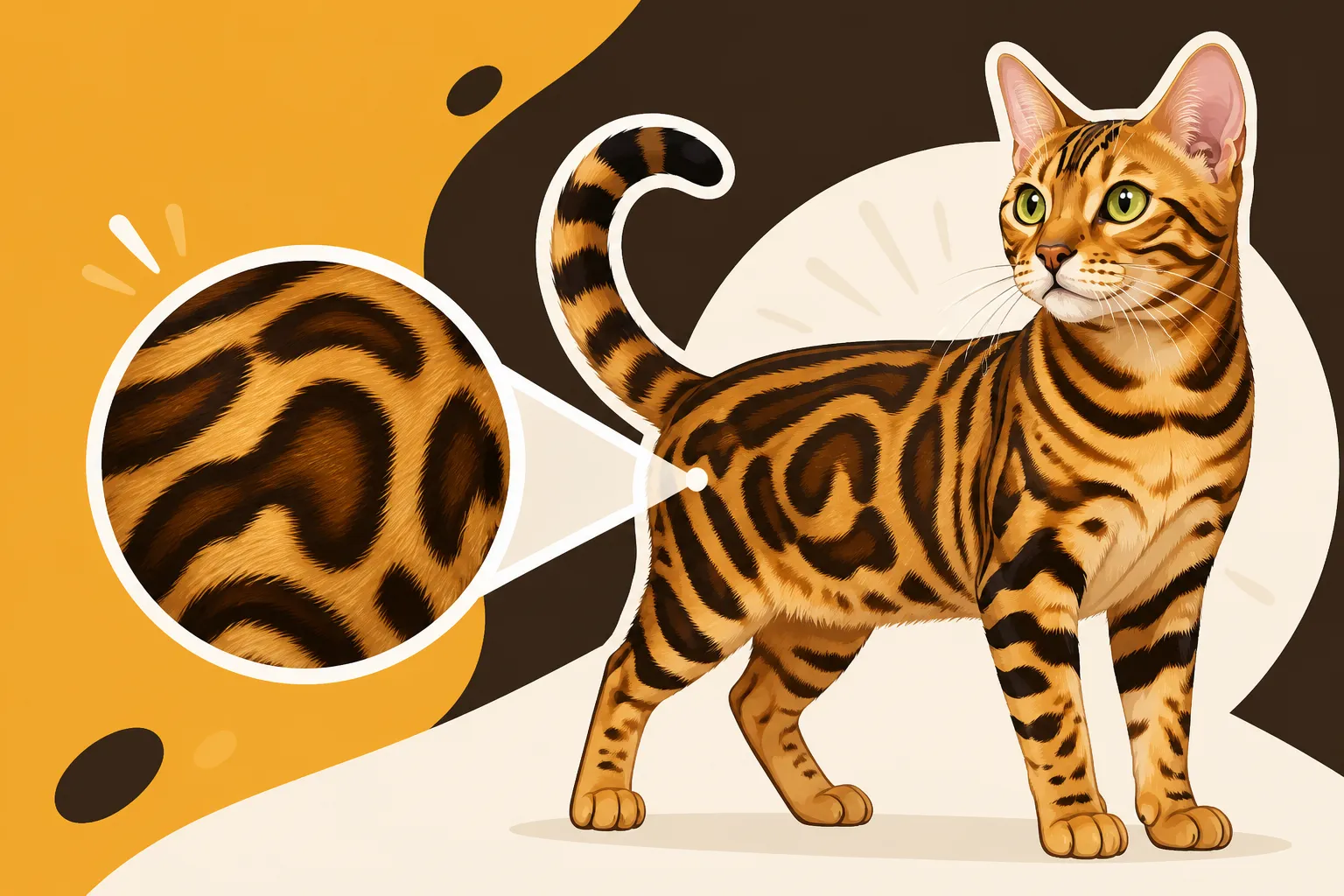
What a Marbled Bengal Cat Is
It's quite common for new Bengal cat enthusiasts, and even some seasoned owners, to only think of those gorgeous, leopard-like rosettes when picturing the breed. But what if I told you there's another equally stunning, yet distinctly different, pattern that’s just as much a part of the Bengal’s wild heritage? This guide is going to take a deep dive into the world of the marbled Bengal cat, explaining exactly what this pattern is, where it comes from, and why it's a truly unique aspect of these incredible felines.
Understanding Bengal Cat Patterns: Beyond the Spots
When you first hear "Bengal cat," your mind probably conjures images of miniature leopards, right? Those striking spots, often arranged in rosettes, are definitely the breed's calling card. But to truly appreciate the Bengal, we need to understand that the breed's beauty is diverse, offering more than just one type of stunning coat. The marbled pattern is just as captivating, but in a completely different way, often surprising people who aren't familiar with its unique artistry.
The Iconic Rosettes: What Most People Expect
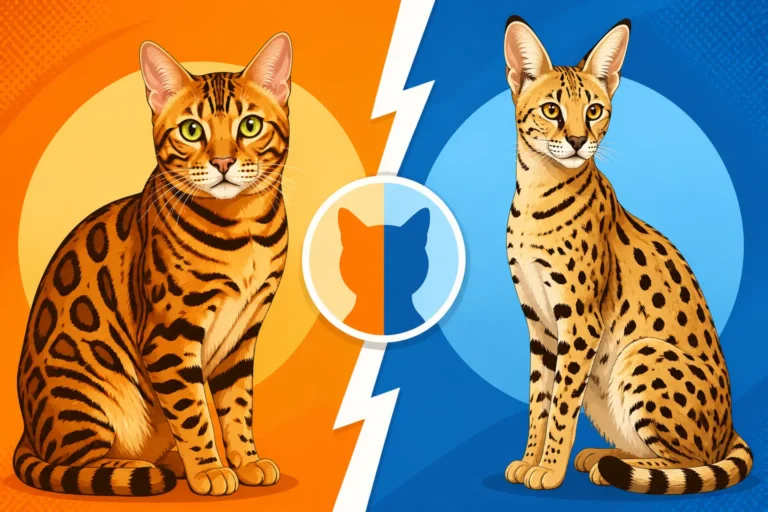
The spotted and rosetted patterns are what typically steal the show and populate most images of Bengal cats. These patterns are designed to mimic the coat of their wild ancestor, the Asian Leopard Cat. A true rosette isn't just a simple spot; it's a spot that's outlined by a darker color, often with a lighter center, giving it a multi-dimensional, almost cloud-like appearance. Think of a jaguar or a leopard, and you're envisioning the ideal rosetted Bengal. Breeders strive for high contrast and well-defined markings, making these cats incredibly sought after.
These rosettes can come in various shapes – arrowhead, paw-print, or even a donut shape – each adding to the intricate beauty of the coat. They are usually horizontally aligned, creating a flow that accentuates the cat's athletic build. This pattern is often seen as the epitome of the Bengal's wild look, drawing countless admirers to the breed. The demand for well-rosetted Bengals often drives their price, as breeders work hard to produce these intricate patterns with excellent contrast and clarity. It truly is a marvel of nature and selective breeding.
Introduction to Marbling: A Different Kind of Wild Beauty
Now, let's talk about the marbled pattern. Instead of distinct spots or rosettes, a marbled Bengal features swirling, often horizontal, patterns of darker color on a lighter ground. Imagine the intricate veins in marble rock or the beautiful whorls of a cinnamon bun, and you're getting closer to understanding the marbled Bengal. It’s a less common pattern than rosetting, and often misunderstood, but it carries a dramatic, almost painterly quality that is absolutely breathtaking.
The marbled pattern unfolds across the cat's body in streaks and swirls, avoiding any semblance of spots. These patterns should ideally flow horizontally, rather than appearing as vertical stripes or random blotches, which would be considered less desirable in the show ring. The beauty of a well-marbled coat lies in its fluid lines and striking contrast, creating a dynamic, almost hypnotic effect. It’s a powerful, elegant pattern that whispers of wildness rather than shouting it, offering a sophisticated alternative to the classic leopard look.
The Genetic Basis of Patterns: Why Marbling Appears
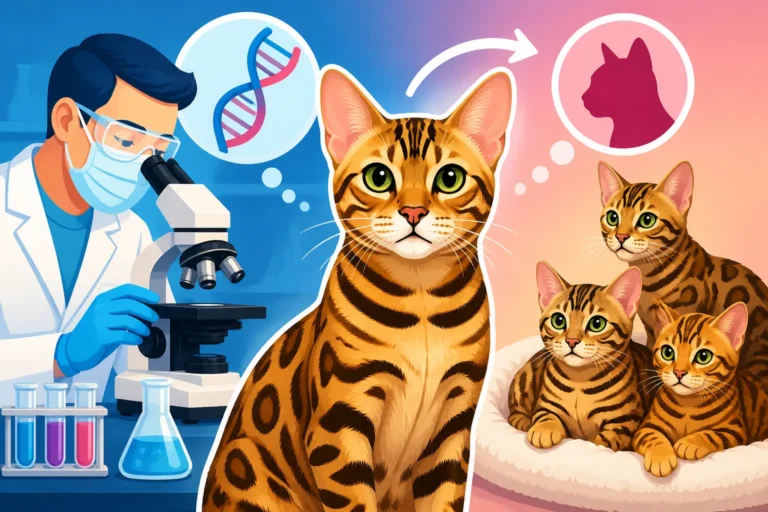
Both spotted and marbled patterns are the result of specific genetic traits passed down from the Asian Leopard Cat, carefully cultivated through generations of breeding. The underlying gene that determines whether a Bengal cat is spotted or marbled is known as the tabby gene. There are actually several variations of this gene, but for Bengals, we're primarily looking at two main forms: the spotted tabby (known as T^a) and the classic or blotched tabby (known as t^b).
A Bengal cat with the spotted tabby gene (or one copy of it, as it's dominant) will display spots or rosettes. However, if a Bengal cat inherits two copies of the recessive classic tabby gene (t^b t^b), then it will express the marbled pattern. This means that two spotted Bengals carrying the recessive gene can produce marbled kittens, leading to delightful surprises in a litter. Breeders who aim for marbled patterns specifically will often pair cats known to carry or express this recessive gene. Understanding this genetic dance helps us appreciate the deliberate art and science behind breeding these magnificent animals, whether they are destined for the show ring or a loving pet home.
Delving Deeper into the Marbled Bengal Pattern
The marbled Bengal cat truly stands apart visually once you understand what to look for. While rosettes are about distinct, often ringed, markings, marbling is about flow, contrast, and the illusion of movement within the coat itself. It’s like comparing a pointillist painting to a swirling impressionistic piece; both are art, but they achieve their effect in dramatically different ways. This uniqueness is what makes a well-marbled Bengal cat so captivating and worthy of admiration.
The Characteristics of a True Marble Pattern
A genuine marbled pattern on a Bengal cat is characterized by bold, swirling, horizontal stripes and patterns that twist and flow across the coat. Instead of individual spots, you'll see a continuous, sinuous design. The darker markings should be well-defined against the lighter ground color, creating high contrast. Imagine a topographic map with dark contour lines winding around peaks and valleys; that’s the kind of intricate, organic flow you want to see. The ideal marbled pattern should avoid anything that looks like vertical "rib bars" or broken spots, as these are considered less desirable for the breed standard.
The markings should be random and well-distributed, giving the impression of continuous movement. There should be no obvious "bullseye" or concentric circles on the flanks, which is characteristic of a classic domestic tabby pattern and not what we're looking for in a Bengal. A truly stunning marbled Bengal will have markings that are clear, rich in color, and beautifully spread across the entire body, from shoulders to tail, with a noticeable "glitter" to the individual hair shafts that makes the pattern truly pop. What a Bengal Cat Looks Like by the Standard often highlights the importance of these specific details.
Distinguishing Marbled from Spotted: Key Visual Cues
For the untrained eye, distinguishing between a spotted and a marbled Bengal might seem tricky at first, especially with younger kittens whose patterns are still developing. However, once you know what to look for, the differences become quite clear. The primary differentiator is the absence of individual, distinct spots or rosettes in the marbled pattern. Instead, you'll find those elongated, flowing patterns that are characteristic of marbling.
To make it easier, consider this quick comparison:
| Feature | Spotted/Rosetted Bengal Cat | Marbled Bengal Cat |
|---|---|---|
| Primary Markings | Distinct spots, often forming rosettes (two-toned) | Swirling, elongated, horizontal patterns and stripes |
| Flow/Arrangement | Horizontal alignment of spots/rosettes | Continuous, flowing, often horizontal "river" patterns |
| Centers of Markings | Rosettes have lighter centers; spots are solid | Markings are generally solid darker color throughout |
| Overall Look | "Leopard-like," "wild cat" | "Marble cake," "cinnamon bun," "artistic" |
| Presence of Spots | Always features individual or clustered spots | Absolutely no individual spots; only continuous flow |
If you're ever in doubt, just remember: if you can count individual spots, it's not a marbled Bengal. The marbled pattern is about continuity and a seamless blend of dark and light. Rosetted Against Marbled: The Two Bengal Cat Patterns goes into more detail on these distinctions.
Variations in Marbled Patterns: From Sheet to Horizontal Flow
Just like rosetted patterns have their variations, so too do marbled patterns. Not all marbled Bengals look exactly the same, and these subtle differences can be appreciated by those who understand the breed standard. The ideal is often described as a "horizontal flow" marble, where the patterns sweep across the body in a predominantly horizontal direction, reminiscent of flowing water or horizontal stripes that curve gracefully. This type of pattern enhances the sleek, athletic build of the Bengal.
Another common variation is the "sheet marble" or "clouded rosette marble," though this name can be a bit confusing as it doesn't have true rosettes. In these cases, the patterns are very large and diffuse, sometimes covering significant portions of the body with less distinct edges, almost like large, swirling clouds. While still beautiful, the distinct horizontal flow might be less pronounced. The key is that the pattern should always be clear and have good contrast. The beauty of marbling lies in its individuality; each marbled Bengal truly has a unique work of art etched into its coat.
The Evolution of the Marbled Bengal Cat
Understanding the marbled Bengal isn't just about admiring its striking looks; it's also about appreciating the history and genetics that brought this pattern into existence. The journey from wild Asian Leopard Cat to the domestic Bengal is a fascinating one, and the marbled pattern played a significant role in its development. It’s a testament to the dedication of early breeders who saw beauty in all the genetic possibilities presented by the foundation crosses.
Early Marbles in Bengal Cat Breeding
When the initial crosses between the Asian Leopard Cat and domestic cats were made, the resulting kittens exhibited a range of patterns, including both spotted and marbled (classic tabby). The classic tabby pattern was already present in many domestic cats, and when combined with the wild genes, it created the unique marbled look we see in Bengals today. Early breeders, like Jean Mill, recognized the potential in both patterns. While the leopard spots were the primary goal, the marbled pattern was beautiful in its own right and integral to the breed's genetic diversity.
In fact, some of the very first Bengal cats registered carried the marbled pattern. It wasn't always seen as the 'lesser' pattern, but rather another expression of the wild heritage. As the breed developed, breeders started to refine the marbled pattern, moving away from the "bullseye" pattern often seen in classic tabbies and striving for the elongated, horizontal flow that better fit the wild aesthetic of the Bengal. This refinement process has continued over decades, leading to the breathtaking marbled Bengals we see today.
The Role of the Asian Leopard Cat in Marbling
It might surprise some, but the genetics for marbling actually come from the domestic cat side of the Bengal's ancestry, not directly from the Asian Leopard Cat (ALC). The ALC typically has a spotted pattern. However, when an ALC was crossed with a domestic cat that carried the recessive gene for classic tabby (marbled) pattern, this gene was then introduced into the Bengal gene pool. Subsequent breeding and selection allowed this recessive trait to be expressed and refined into the stunning Bengal marble.
This highlights the incredible genetic tapestry that makes up the Bengal breed. It's not just a direct replication of the ALC, but a beautiful blend where domestic cat genetics meet wild cat aesthetics. The marbling, therefore, is a unique hybrid expression, showcasing how two distinct genetic lines can combine to create something entirely new and spectacular. It's a prime example of how breeders carefully manage genetics to achieve desired traits, all while maintaining the health and vigor of the breed. You can learn more about the breed's origins in A Leopard Cat and a Housecat Made the First Bengal Cat.
How Marbling is Judged in the Show Ring
For those interested in showing their beautiful marbled Bengals, understanding the breed standard is crucial. The International Cat Association (TICA) is the primary registry for Bengal cats, and their standard outlines precisely what judges look for in a marbled pattern. The emphasis is on clarity, contrast, and the flowing, horizontal nature of the markings. Vertical "rib bars" on the torso are generally considered a fault, as they detract from the desired wild look. The aim is for a pattern that sweeps horizontally, giving the cat a graceful and powerful appearance.
Judges also look for a good overall balance of the pattern, with markings continuing down the legs and tail, and ideally a beautiful "butterfly" pattern over the shoulders. The contrast between the darker pattern and the lighter ground color should be sharp, without blurring or muddiness. And, of course, the famous Bengal "glitter"—that iridescent shimmer to the coat—is just as important in a marbled Bengal as it is in a spotted one. A well-presented marbled Bengal can certainly win top honors, proving that this pattern is just as celebrated as the more commonly seen rosettes.
Living with a Marbled Bengal: Care and Personality
Beyond their stunning appearance, marbled Bengal cats are, at their core, still Bengals! This means they share the same energetic, intelligent, and often vocal personality traits as their spotted counterparts. Owning a marbled Bengal is an immersive experience, demanding attention, enrichment, and a deep understanding of the breed’s unique needs. You're not just getting a pretty face; you're welcoming a dynamic, athletic, and highly interactive companion into your home.
Does the Pattern Affect Temperament or Health?
Let's clear this up right away: the coat pattern of a Bengal cat, whether it's marbled or spotted, has absolutely no bearing on its temperament or overall health. Both patterns stem from the same genetic pool and breed development. A marbled Bengal will be just as active, curious, and intelligent as a rosetted one. They'll still have that insatiable desire to explore, climb, and play, and they'll still likely possess that distinctive Bengal chirp and vocal range. How Intelligent a Bengal Cat Is or What a Bengal Cat's Temperament Is Really Like can give you a better idea of what to expect from any Bengal.
Similarly, health concerns like HCM, PRA-b, or PK Deficiency are breed-wide considerations, not pattern-specific. Responsible breeders will conduct the same health screenings for all their breeding cats, regardless of their pattern. So, when you choose a marbled Bengal, you can expect the same vibrant personality and potential health considerations as any other Bengal, emphasizing the importance of choosing a reputable breeder who prioritizes health testing.
Grooming a Marbled Coat: The Same Luxurious Feel
One of the many joys of owning a Bengal cat, regardless of their pattern, is their incredibly low-maintenance coat. The Bengal cat's coat is often described as a "pelt" rather than fur, feeling incredibly soft and silky to the touch. This unique texture comes from their Asian Leopard Cat ancestry, which typically has a very short, dense coat with little undercoat. This means less shedding and virtually no matting, making grooming a breeze.
A marbled Bengal's coat will feel exactly the same as a spotted one – smooth, short, and exquisitely soft. You'll find that they do an excellent job of self-grooming, keeping their coats pristine with minimal effort from you. Occasional brushing, perhaps once a week, with a soft rubber brush or grooming glove is usually more than enough to remove any loose hairs and keep their coat shining. This minimal grooming requirement is certainly a bonus for busy owners! You can find suitable brushes and grooming supplies on Chewy, making it easy to keep your Bengal looking their best. A Bengal Cat Needs Almost No Grooming explores this topic in more detail.
Finding a Marbled Bengal Kitten: What to Look For
If you've fallen in love with the unique beauty of the marbled Bengal and are looking to bring one home, there are a few things to keep in mind. First, understand that while marbling is a recognized pattern, it's often less common than the spotted/rosetted varieties in some catteries, as many breeders focus on rosettes due to higher demand. However, dedicated breeders do specialize in producing exquisite marbled Bengals, so you'll definitely be able to find one with a bit of searching.
When speaking with breeders, ask about their breeding lines and if they specifically aim for marbled patterns. A reputable breeder will be transparent about the genetics of their cats and proudly show off the parents. Look for kittens with clear, well-defined marbled patterns, even if they're still in their "fuzzies" stage (a temporary dulling of the coat that Bengal kittens go through). Ensure the breeder performs all recommended health screenings, such as echoes for HCM, and DNA tests for PRA-b and PK Deficiency. Always ask for proof of these tests. A good breeder will also provide a detailed contract, discuss the kitten's temperament, and be available to answer all your questions. Never hesitate to do your homework and visit the cattery if possible. When preparing for your new arrival, ensure you have all the essentials, from high-quality food to interactive toys, which can all be conveniently found on sites like Chewy.
Common Misconceptions and FAQs about Marbled Bengals
There's a lot of information, and sometimes misinformation, circulating about Bengal cats, and marbled Bengals are no exception. Because they look different from the more common spotted variety, people often have specific questions or hold incorrect assumptions about them. Let's clear up some of these common points of confusion so you can be a well-informed admirer or owner of these magnificent felines.
"Is a Marbled Bengal Less Desirable?"
This is a misconception that sometimes arises simply because spotted and rosetted Bengals are more prevalent and widely recognized. In the early days of the breed, there might have been a stronger emphasis on spots to mimic the Asian Leopard Cat, but the marbled pattern quickly gained recognition and appreciation. Today, a well-patterned marbled Bengal is considered just as beautiful and desirable by enthusiasts and judges alike, and it is fully accepted in the show ring by TICA.
The "desirability" often comes down to individual preference. Some people simply prefer the flowing, abstract beauty of a marbled coat over the more defined spots. A high-quality marbled Bengal with excellent contrast, rich color, and good pattern flow can command just as much admiration and even a comparable price as a top-tier rosetted Bengal. It's about the quality of the pattern and the cat's overall conformity to the breed standard, not merely the presence or absence of spots. If you're considering a Bengal, let your heart guide you to the pattern you find most captivating.
Marbled Bengals and Hypoallergenic Claims
Another common question, often spurred by the Bengal's unique coat, is whether they are truly hypoallergenic. The truth is, no cat breed is 100% hypoallergenic, and this includes both marbled and spotted Bengals. The term "hypoallergenic" is often used to describe breeds that produce fewer allergens or shed less, which can make them more tolerable for some allergy sufferers.
Bengal cats do tend to have a single, short, pelt-like coat with less undercoat than many other breeds, which often means they shed less dander (the primary allergen). This can certainly make them a better choice for some individuals with mild cat allergies. However, every person's allergic reaction is different, and there's no guarantee that a marbled Bengal will be completely allergy-free for everyone. If you have cat allergies and are considering a Bengal, it's always best to spend time with the breed to see if you react. The pattern of the cat's coat itself (marbled vs. spotted) has no impact on its allergen production.
How Marbling Changes as a Bengal Cat Ages
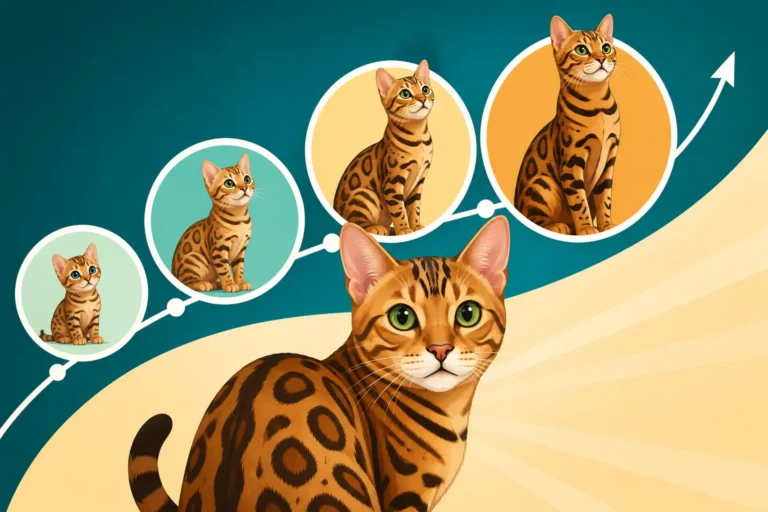
Like all Bengal cats, a marbled Bengal's pattern can undergo subtle changes as they mature, which is part of their natural development. As kittens, all Bengals go through a "fuzzies" stage, typically between 3 weeks and 3-6 months of age. During this period, their coat grows longer, and their pattern appears duller and less defined. This camouflage is a throwback to their wild ancestors, helping to protect young cubs from predators.
As a marbled Bengal kitten grows out of its fuzzies, their short, clear adult coat will emerge, and their beautiful marbled pattern will become much more prominent and sharply contrasted. The colors will deepen, and the glitter will become more apparent. While the fundamental marbled pattern won't change dramatically into a spotted one, the clarity and richness of the markings will improve significantly with age. Some older Bengals might experience a slight softening of their pattern or a subtle change in color intensity, but the overall marbled design will remain a distinctive feature throughout their lives. This beautiful evolution is just one more reason why the Bengal cat, in all its patterns, continues to fascinate and delight us.
Disclaimer
This article is for general informational purposes only and does not constitute professional advice. Laws, prices and regulations vary by location and change over time. Consult a qualified professional for guidance on your specific situation.