What a Rosette Is on a Bengal Cat
Many prospective Bengal cat owners are drawn in by those mesmerizing, wild patterns, often hearing terms like "rosettes" thrown around. But what exactly is a rosette, and how does it differ from a regular spot you might see on another tabby cat? It can be incredibly confusing to distinguish between the two, especially when you're trying to understand the nuances of this magnificent breed. This guide is here to unravel the mystery, helping you truly appreciate the intricate artistry of a Bengal's coat and what makes those rosettes so special.
Defining the Bengal Rosette: Beyond the Simple Spot
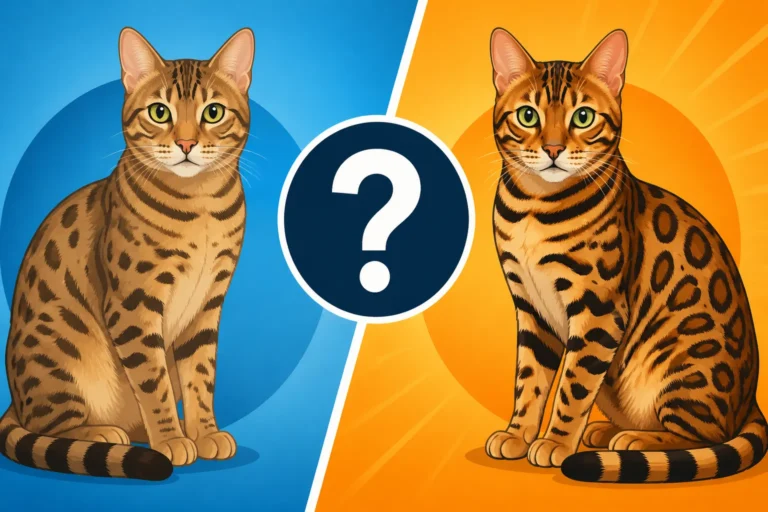
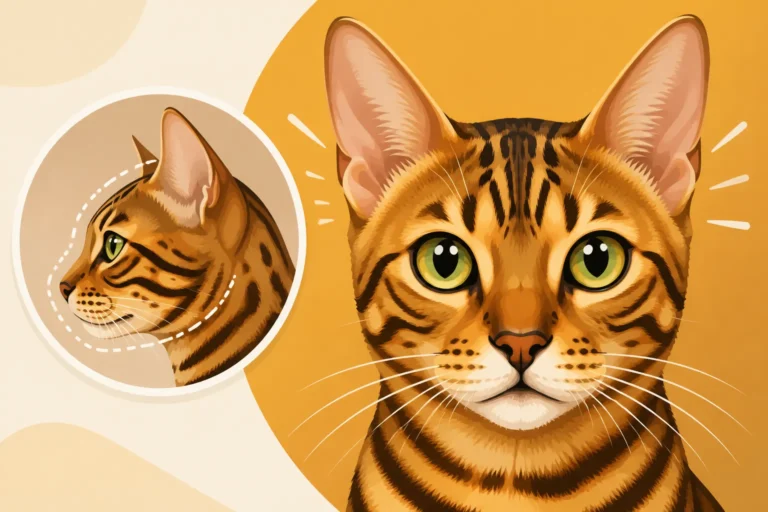
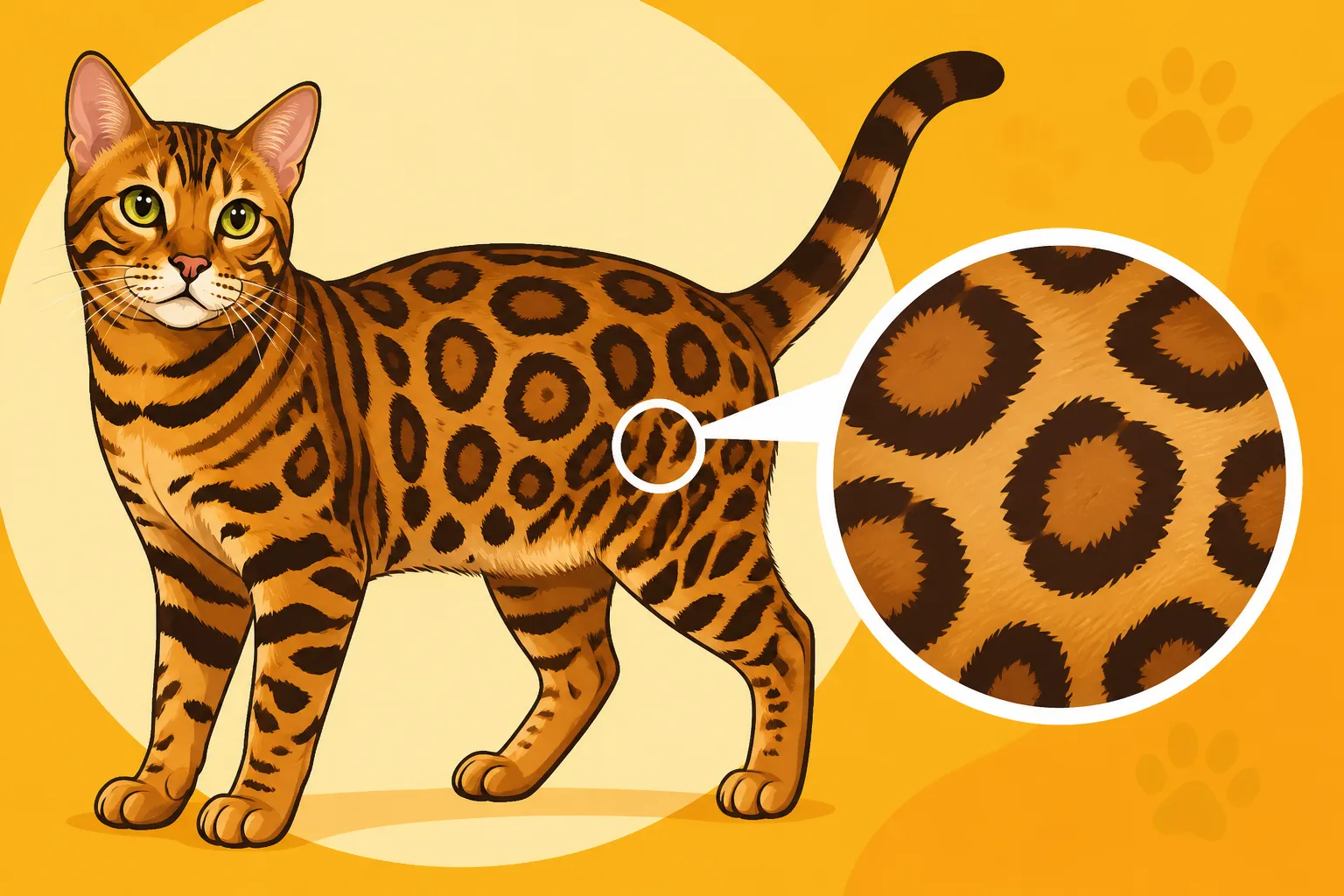
When we talk about a Bengal cat's pattern, the word "rosette" is what truly sets them apart from most other spotted felines. It’s not just any spot; it's a spot with depth, dimension, and often, multiple colors. Think of it like a miniature target or a paw print embedded in their coat. These aren't the solid, single-color spots you might see on an Ocicat or an Egyptian Mau; Bengal rosettes have a distinct inner color surrounded by a darker outline, or they might be composed of several smaller spots that form a larger, complex shape. This intricate detailing is a direct inheritance from their wild ancestry, and it’s a hallmark of the breed.
The Asian Leopard Cat's Influence
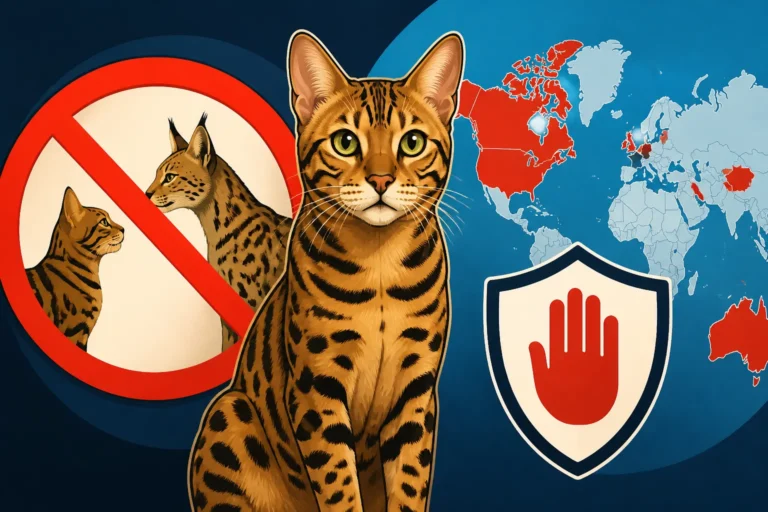
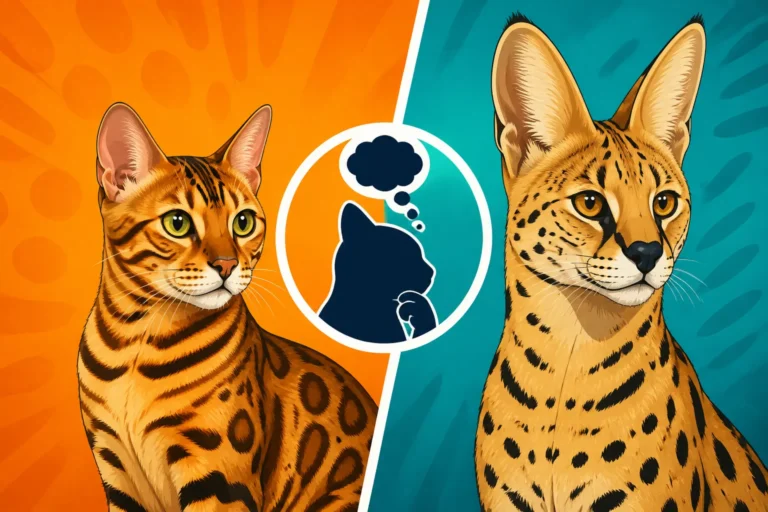
To understand the Bengal rosette, you first have to look at its wild progenitor: the Asian Leopard Cat (ALC). This small, nocturnal wild cat is the original source of the Bengal's exotic beauty, and those stunning rosettes are a direct genetic gift. The ALC boasts a coat pattern perfectly designed for camouflage in its natural habitat, with spots that often break up into more complex shapes, allowing them to blend seamlessly into dappled light and shadows. Without the ALC, the Bengal cat simply wouldn't have this captivating characteristic.
When the first Bengal cats were created by crossing ALCs with domestic shorthairs, the goal was to retain this wild look while developing a domestic temperament. Early generations, like the F1 and F2 Bengals, often display very pronounced and defined rosettes, clearly reflecting their ALC heritage. As breeders moved towards the later generations (F4 and beyond, known as SBT or Stud Book Tradition Bengals), they meticulously selected for cats that maintained these desirable patterns. This selective breeding has ensured that the breathtaking rosettes remain a defining feature of the modern Bengal cat, even though they are now many generations removed from their wild ancestor. It's a testament to the power of genetics and dedicated breeding efforts. For more on this, you might be interested in Why a Bengal Cat's Coat Came From the Asian Leopard Cat.
How a Rosette Forms on a Bengal
A rosette isn't just a randomly shaped spot; its formation is a fascinating interplay of genetics and hair follicle development. Essentially, a rosette occurs when different shades of color are expressed within a single spot, or when a cluster of smaller, distinct spots forms a larger, patterned mark. The darker pigment typically forms the outline, while the center fills in with a lighter or richer shade of the background color. This creates an optical illusion of depth, making the pattern appear to lift off the coat.
The placement and clarity of rosettes are highly variable, even within the same litter. Some Bengals will have very distinct, well-separated rosettes, while others might have a more "clumped" or "chain-like" appearance. Environmental factors during development, even in the womb, can subtly influence how these patterns manifest, though genetics are the primary driver. What we see as a beautifully formed rosette is the culmination of generations of careful breeding, preserving a trait that evokes the wild beauty of their ancestors. It's a complex genetic dance that results in a truly unique coat pattern that you won't find on many other domestic cats, making the Bengal cat's coat a true work of art.
Types of Rosettes: A Gallery of Wild Patterns
The term "rosette" itself is quite broad, encompassing several distinct patterns that breeders and enthusiasts recognize. While all rosettes share the characteristic of having a distinct border and an inner color, the specific shape and arrangement give them their individual names and appeal. Each type offers a slightly different aesthetic, contributing to the incredible diversity and visual interest within the Bengal breed. Understanding these variations helps you appreciate the fine details that distinguish one stunning Bengal from another.
Arrowhead and Paw-Print Rosettes
Two common and highly desirable rosette types are the arrowhead and paw-print rosettes. The arrowhead rosette is exactly what it sounds like: a spot shaped like an arrowhead, often pointing towards the cat's tail. These are particularly striking when they appear in a linear or semi-linear fashion along the cat's body, giving a sense of direction and flow to the pattern. They are typically well-defined and often have a rich, contrasting inner color that really makes them pop against the base coat.
Paw-print rosettes, on the other hand, resemble a series of small, dark spots that cluster together, often in an irregular shape, creating the impression of a paw print. They might have a slightly smudged or irregular outline, making them appear more organic and less geometrically defined than arrowheads. Both arrowhead and paw-print rosettes are highly valued, especially if they are clear, distinct, and well-distributed across the cat's flanks, giving the coat that sought-after "wild" look. These patterns truly highlight the Bengal's exotic heritage and are a testament to careful selective breeding.
Donut and Clouded Rosettes
Moving into even more complex territory, we find donut and clouded rosettes, which are often considered the pinnacle of rosette patterns due to their intricacy and rarity. A donut rosette is characterized by a complete, or nearly complete, dark circle or oval outline, with a distinctly lighter or richer contrasting color inside. Imagine a miniature bagel or donut shape on your cat’s side—that’s the idea! These are incredibly striking because the clear differentiation between the outline and the inner color creates a strong visual impact and incredible depth.
Clouded rosettes take this complexity even further. They are large, irregular, and often "cloud-like" in shape, with multiple outlines or a less defined but still distinct interior. Think of the rosettes on a wild leopard or jaguar – large, somewhat smudged, and often connecting or overlapping. Clouded rosettes give a very wild, almost prehistoric look to the Bengal, and they are highly prized for their unique beauty. These more elaborate rosette types, especially when they exhibit good contrast and coverage, are often found on show-quality Bengals and contribute significantly to their exotic appeal and sometimes even their valuation. Breeders strive to produce Bengals with these stunning and intricate patterns.
Here's a quick comparison of the common rosette types:
| Rosette Type | Description | Appearance | Value / Rarity |
|---|---|---|---|
| Arrowhead | Spots distinctly shaped like arrowheads, often pointing to the rear. | Clear, triangular points, strong definition. | Highly desirable |
| Paw-Print | Clusters of smaller spots forming a larger, irregular mark, like a paw. | Organic, somewhat smudged appearance, less geometric. | Desirable |
| Donut | Complete or nearly complete dark outline encircling a lighter inner color. | Distinct ring with clear inner contrast, like a "donut". | Very desirable |
| Clouded | Large, irregular, "cloud-like" rosettes, often with multiple or blurred outlines. | Complex, flowing patterns, reminiscent of wild leopards/jaguars. | Highly prized, rarer |
The Genetics Behind the Gorgeous Rosette
It’s truly incredible how specific genes dictate such beautiful and intricate patterns on an animal's coat. The rosettes we admire on Bengal cats aren't just a happy accident; they are the result of a precise genetic blueprint, inherited from their wild ancestors and carefully cultivated by breeders. Understanding this genetic background sheds light on why some Bengals have those spectacular rosettes while others might display different patterns. It’s a complex but fascinating science that underpins the breed’s unique aesthetic.
The Agouti Gene and Pattern Modifiers
The fundamental gene responsible for whether a cat has any pattern at all (as opposed to being solid-colored) is the Agouti gene. This gene controls whether pigment is deposited uniformly along each hair shaft or in bands, which creates the tabby pattern. All spotted and rosetted cats are genetically Agouti. Without the dominant Agouti allele, a cat would be a solid color, masking any underlying pattern.
Beyond the basic Agouti gene, there are several "pattern modifier" genes that determine the type of tabby pattern. For Bengals, these modifiers are crucial. One key modifier is responsible for breaking up the mackerel (striped) or classic (blotched) tabby patterns into distinct spots. Then, another set of modifiers (which are not fully understood or testable like some other traits) dictates whether these spots will be simple single-color spots or complex, multi-tonal rosettes. It's thought that these modifier genes influence the distribution of pigment within the developing hair follicles in a very specific way, leading to the darker borders and lighter centers characteristic of rosettes. This complex genetic interaction is why achieving perfectly defined rosettes requires careful and knowledgeable breeding.
Why Some Bengals Are Spotted, Not Rosetted
You might encounter Bengal cats that are simply "spotted" rather than rosetted, and wonder why. This distinction usually comes down to those elusive pattern modifier genes we just discussed. While all Bengals carry the genetic potential for a spotted pattern due to the Agouti gene, not all of them will express that pattern as a rosette. Some Bengals will have solid, single-colored spots, much like an Ocicat or a domestic spotted tabby. These are still beautiful cats, but they don't have the same wild, multi-dimensional appearance that rosettes provide.
The difference lies in the specific alleles (versions) of the pattern modifier genes that an individual cat inherits. A Bengal might have the genes for spotting, but lack the precise combination of modifiers needed to create the distinct border and inner coloration of a rosette. This is why when you're looking for a Bengal, especially if you have a preference for rosettes, it's important to look at the parents' patterns and speak with the breeder about the history of their lines. Reputable breeders often specifically select for cats that consistently produce rosetted offspring, striving to enhance and preserve this iconic trait within the breed. The genetics are a fascinating puzzle, and for more insights into what goes into a good breeding program, you might find What a Bengal Cat Breeder Should Have Tested to be a helpful read.
Rosettes vs. Marbling: Understanding the Differences
Beyond the various types of rosettes, there's another stunning pattern that Bengal cats can exhibit: marbling. While rosettes are characterized by their distinct, often multi-colored spots, marbling presents a completely different visual experience. It's important for potential owners to understand the difference, as both patterns are recognized and celebrated within the breed, but they offer vastly different aesthetics. Both are beautiful, but they convey a different kind of wild elegance, and personal preference often dictates which one people are drawn to.
The Distinctive Look of a Marbled Bengal
A marbled Bengal cat does not have spots or rosettes. Instead, its coat features swirling, horizontal patterns that resemble marble stone, hence the name. These patterns often create an illusion of depth and movement, flowing beautifully across the cat's flanks. A well-defined marbled pattern will typically have clear, broad swirls of darker color contrasting against a lighter background, often with a "bullseye" or "butterfly wing" pattern visible on the shoulders. Unlike the broken, individual elements of rosettes, marbling is characterized by its continuous, flowing design.
The marbled pattern is also inherited from the Asian Leopard Cat, though it's a less common expression than spotting in the wild population. In Bengals, breeders have carefully selected for the gene responsible for this pattern, developing truly breathtaking examples. A marbled Bengal's coat can be just as striking and exotic as a rosetted one, offering a different kind of wild beauty. When looking at a marbled Bengal, you're looking for clarity, contrast, and symmetry in those intricate swirls. You can learn more about this in Rosetted Against Marbled: The Two Bengal Cat Patterns.
Why Both Patterns Are Prized
Both rosetted and marbled patterns are highly prized in the Bengal cat world, though for different reasons. Rosettes are often seen as the quintessential "leopard" look, directly mimicking the spotted patterns of wild felids like leopards and jaguars. This gives them a strong appeal for those seeking that truly wild, untamed aesthetic in a domestic cat. The variety of rosette types, from the simple arrowhead to the complex clouded rosette, adds to their allure and rarity.
Marbled Bengals, while less common, offer a unique and equally stunning alternative. Their flowing patterns are often compared to marble, clouds, or even abstract art, providing a sophisticated and elegant wildness. Some owners prefer the seamless flow of a marbled coat to the distinct breaks of a rosetted one. In the show ring, both patterns are judged on their clarity, contrast, and adherence to the breed standard. Ultimately, the choice between a rosetted and a marbled Bengal comes down to individual taste. Neither is inherently "better" than the other; they are simply different expressions of the Bengal cat's magnificent wild heritage. Both represent the breed's dedication to preserving exotic beauty.
The Value and Appeal of Rosetted Bengal Cats
It's no secret that Bengal cats can be a significant investment, and the quality and type of their coat pattern play a huge role in their value and desirability. Those stunning rosettes aren't just beautiful; they are a key indicator of a well-bred Bengal, often reflecting generations of careful selection and genetic refinement. For many enthusiasts, the rosette is the absolute 'must-have' feature, the trait that truly shouts "miniature leopard." This inherent appeal means that rosetted Bengals, particularly those with rare and well-defined rosette types, often command higher prices and are sought after by discerning buyers.
How Rosettes Influence a Bengal's Price
The presence, clarity, and type of rosettes can significantly impact a Bengal cat's price. Generally speaking, a Bengal with clear, well-defined rosettes will cost more than one with solid spots or a less distinct pattern. Within the rosetted category, the more complex and rare the rosette type, the higher the price tends to be. For example, a Bengal with intricate donut or clouded rosettes, especially if they are large and beautifully contrasted, will typically be at the higher end of the price spectrum. These patterns are harder to achieve consistently through breeding and represent a more refined expression of the breed's wild heritage.
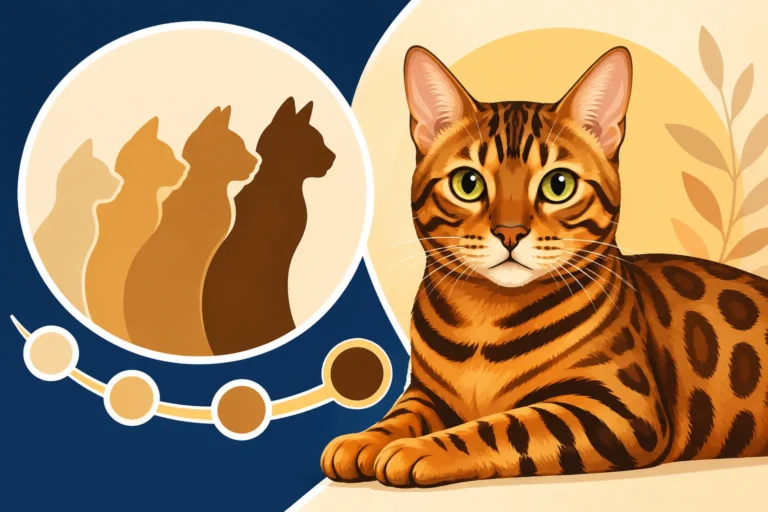
Other factors, like the overall contrast of the pattern against the background color, the presence of "glitter" (a shimmering effect on the coat), and the cat's generation (F1, F2, F3, SBT) also play a role. A rosetted SBT (Stud Book Tradition) Bengal, which is generally considered fully domestic and registerable for show, is highly desirable for both pet owners and breeders. When you're considering the cost of a Bengal, remember that you're not just paying for a cat, but for the careful breeding, health testing, and genetic selection that goes into producing such a magnificent animal. If you're curious about the financial aspect, you might want to read What a Bengal Cat Costs to Buy in 2026 or What the F1 to F5 Price Ladder for a Bengal Cat.
Caring for the Rosetted Coat: Is It Different?
One of the great joys of owning a Bengal cat is their surprisingly low-maintenance coat, and this holds true whether your Bengal is rosetted or marbled. Despite their wild appearance, Bengals have a short, dense, and often "pelted" coat that sheds minimally compared to many other cat breeds. Those fabulous rosettes don't require any special grooming beyond what you'd do for any other Bengal.
Regular brushing, perhaps once a week with a soft brush or grooming mitt, is usually sufficient to remove loose hairs and keep their coat looking shiny and healthy. This also doubles as a bonding opportunity, which most Bengals enjoy. While the rosettes themselves don't require special care, maintaining your Bengal's overall skin and coat health is crucial to keep the pattern looking its best. A high-quality diet, rich in protein and essential fatty acids, is paramount. You can find excellent options for specialized cat food that supports coat health on platforms like Chewy, ensuring your Bengal gets the nutrients needed for a vibrant, shimmering coat. Good nutrition helps maintain the clarity and contrast of those stunning rosettes, making them truly stand out.
The Evolution of Rosettes in the Bengal Breed
The journey of the Bengal cat's rosettes, from their wild origins in the Asian Leopard Cat to the diverse patterns we see today, is a testament to dedicated breeding and a passion for preserving exotic beauty. It wasn't an overnight transformation; rather, it was a carefully guided evolution that saw breeders select for and enhance the traits that make the Bengal so distinctive. Understanding this evolutionary path gives a deeper appreciation for the artistry and effort involved in establishing the breed.
Early Development and Pattern Selection
In the very early stages of the Bengal breed, particularly with the first filial generations (F1, F2, F3), the patterns were often quite varied. While some early crosses naturally displayed stunning rosettes inherited directly from the Asian Leopard Cat, others might have had more simple spotting or even less defined tabby patterns. The key challenge for pioneering breeders like Jean Mill was to consistently produce offspring that retained the desired wild look, specifically the rosetted pattern, while progressively domesticating the temperament. This meant careful selection of breeding pairs, often choosing domestic cats with strong, clear spotted tabby patterns to enhance the wild rosettes of the ALC crosses.
Over time, through generations of selective breeding, breeders began to identify and perpetuate the genes responsible for well-formed rosettes. They focused on enhancing contrast, clarity, and the distinctiveness of the rosettes, moving away from less desirable patterns. This selective pressure eventually led to the recognizable rosetted patterns that are celebrated in the Bengal breed standard today. It was a painstaking process of observation, record-keeping, and genetic understanding to sculpt the coat into the masterpieces we see.
Preserving Rosettes in Modern Breeding Programs
Today, preserving and enhancing the quality of rosettes remains a cornerstone of ethical Bengal breeding programs. Modern breeders use their knowledge of genetics and careful pairing to produce cats with exceptional patterns. They understand that while basic spotting is relatively common, achieving the coveted donut or clouded rosettes requires specific genetic lines and a keen eye for quality. When evaluating kittens, breeders look for distinct, horizontal flow in the rosettes, good contrast between the inner and outer colors, and overall balance across the body.
Many breeders utilize DNA testing for other health traits to ensure the overall well-being of their lines, which in turn supports the development of healthy, beautiful coats. While there isn't a single "rosette gene test," breeders assess pedigrees and the patterns of ancestors to predict the likelihood of producing high-quality rosettes. This commitment ensures that future generations of Bengal cats continue to display the breathtaking, wild patterns that first captured the hearts of cat lovers. It’s a continuous effort to honor the breed's origins and maintain its distinctive allure. The standard by which these patterns are judged is well-defined, and you can explore more about it in What a Bengal Cat Looks Like by the Standard and How a Bengal Cat's Pelt Is Judged in the Ring.
Living with a Rosetted Bengal: Practical Considerations
Owning a Bengal cat, especially one with striking rosettes, is an incredibly rewarding experience. These cats are not just beautiful; they are intelligent, active, and full of personality. While the rosettes are purely an aesthetic feature, their presence often signifies a well-bred cat with strong physical traits. However, it’s important to remember that a stunning coat doesn’t change the fundamental needs and behaviors of the breed. You’re bringing a dynamic, active companion into your home, and while their coat might be eye-catching, their personality and needs are what truly define them.
Rosettes and Temperament: Is There a Link?
It's a common misconception that a more "wild" looking coat, like one with prominent rosettes, correlates with a more wild or difficult temperament. This is absolutely not the case with well-bred SBT (Stud Book Tradition) Bengal cats. The rosettes are a genetic trait primarily linked to physical appearance and are entirely separate from temperament genes. An F4 or later generation Bengal, whether rosetted or marbled, should possess a loving, playful, and social disposition, reflecting decades of careful breeding for temperament.
Any perceived "wildness" in temperament in a pet Bengal is usually due to insufficient socialization, lack of enrichment, or being an early generation (F1-F3) cat, which still retain more wild instincts and are not typically sold as pets. A reputable breeder prioritizes both health and temperament alongside physical appearance, ensuring that even the most exquisitely rosetted Bengal is a wonderful companion. When choosing a Bengal, always inquire about the parents' temperaments and ensure the kittens are well-socialized from a young age. Their rosettes are a visual treat, but their personality is what will truly win your heart.
Show Quality Rosettes vs. Pet Quality: What's the Difference?
When you’re looking at Bengals, you might hear terms like "show quality" or "pet quality." For rosetted Bengals, this distinction often boils down to how closely their pattern adheres to the official breed standard set by organizations like TICA (The International Cat Association). A "show quality" rosetted Bengal will have exceptionally clear, well-defined, and evenly distributed rosettes, with strong contrast against the background color, and often exhibit one of the more prized rosette types like donut or clouded. The size and shape of the rosettes, their horizontal flow, and their presence on the legs and tail all contribute to a show-quality pattern.
A "pet quality" rosetted Bengal, while still having beautiful rosettes, might have a pattern that is less distinct, perhaps a bit "muddy" (less contrast), or less evenly distributed. They might have more solid spots mixed in, or the rosettes might not be as perfectly shaped as a judge would prefer. Functionally, there is absolutely no difference between a show-quality and pet-quality Bengal; they both make equally wonderful companions. The distinction is purely aesthetic and related to the strict criteria of the show ring. Pet quality Bengals are just as healthy, playful, and affectionate, and their slightly less "perfect" rosettes are still incredibly beautiful to behold. The decision to invest in a show-quality cat versus a pet-quality one often comes down to budget and personal aspirations – whether you intend to show or simply want a cherished companion. Both options offer the unique beauty of the Bengal breed.
Conclusion: The Enduring Charm of the Bengal Rosette
The rosette pattern is undeniably one of the most captivating features of the Bengal cat, setting it apart and solidifying its status as a miniature work of wild art. From the distinct arrowhead to the coveted clouded patterns, each rosette tells a story of genetic inheritance from the Asian Leopard Cat and generations of meticulous breeding. Understanding the nuances of these patterns, their genetic origins, and their impact on a Bengal’s appeal helps us appreciate the depth and beauty of this extraordinary breed even more.
Whether your Bengal boasts perfect donut rosettes or charming, less defined spots, the magic lies in their unique heritage and the joy they bring into our lives. These cats are so much more than their stunning coats; they are vibrant, intelligent companions who fill our homes with playful energy and boundless affection. The rosette is simply the icing on the cake, a constant reminder of the wild beauty that exists within our domestic world.
Disclaimer
This article is for general informational purposes only and does not constitute professional advice. Laws, prices and regulations vary by location and change over time. Consult a qualified professional for guidance on your specific situation.