How Common HCM Is in Bengal Cats
Finding out that your beloved Bengal cat might be at risk for a serious health condition like Hypertrophic Cardiomyopathy, or HCM, can feel like a punch to the gut. It's truly heartbreaking to imagine your energetic companion facing such a challenge, especially when there's so much conflicting information out there. This guide aims to clear up the confusion about how common HCM really is in Bengal cats, what it means for your furry family member, and how you can best prepare and care for them.
Understanding HCM in Bengal Cats: The Basics
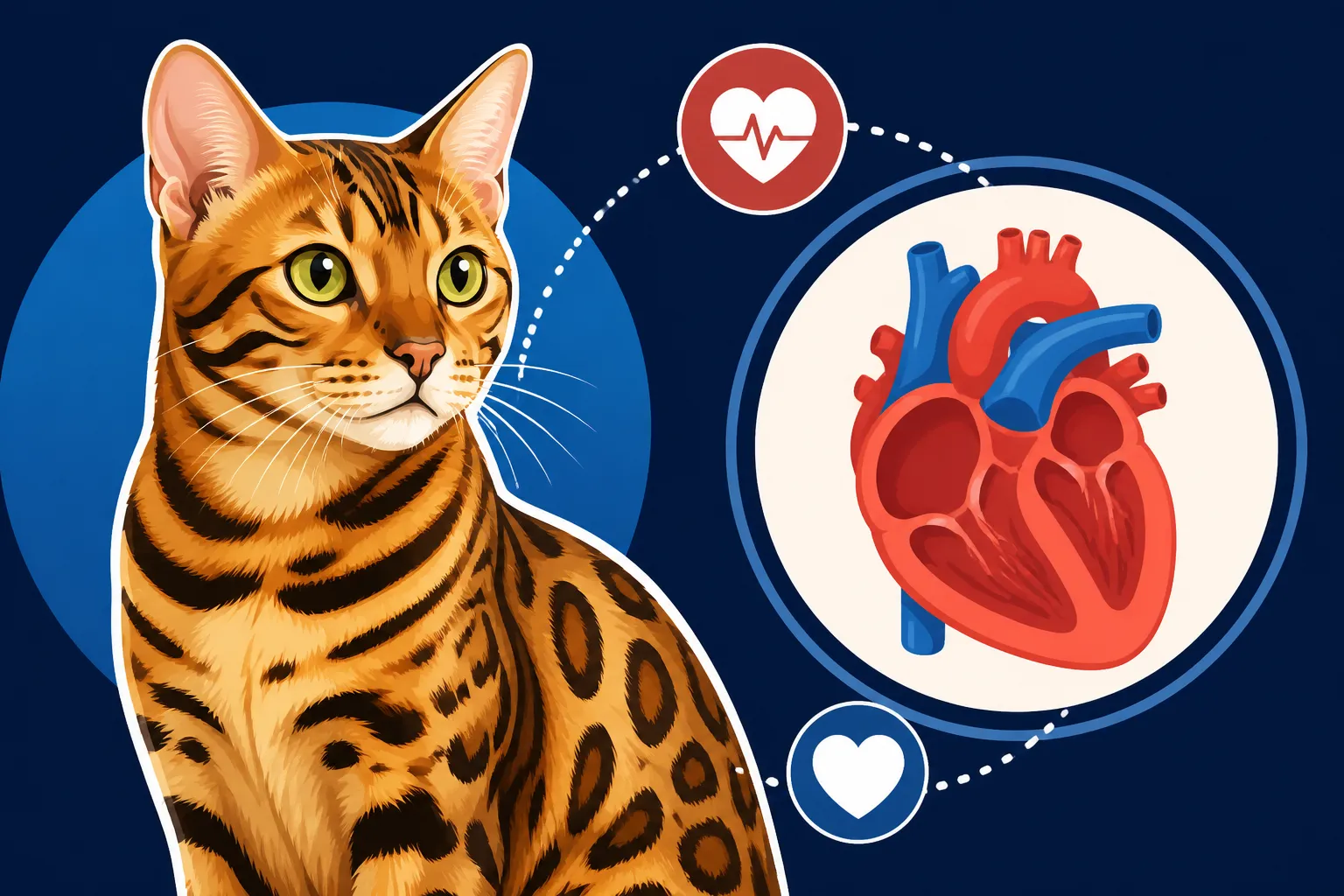
Hypertrophic Cardiomyopathy (HCM) is often whispered about in Bengal cat circles, and for good reason. It’s the most common heart disease seen in felines, and unfortunately, our stunning Bengals are among the breeds genetically predisposed to developing it. This isn't just a minor ailment; it's a progressive condition that causes the muscular walls of the heart's main pumping chamber (the left ventricle) to thicken abnormally. This thickening makes the heart muscle stiff and less efficient, reducing its ability to pump blood effectively throughout the body.
The impact of HCM on a Bengal's heart is profound. Imagine your heart trying to squeeze water out of a thick, rigid sponge instead of a soft, flexible one. That's essentially what happens. The heart chambers might not fill completely with blood, leading to a backup of pressure and sometimes fluid accumulation in the lungs or around the heart, a condition known as congestive heart failure. In severe cases, it can also lead to other serious complications, including sudden cardiac death or the formation of blood clots, which can be acutely painful and life-threatening. For a deeper understanding of the physical effects, you might want to read more about What HCM Does to a Bengal Cat's Heart.
Why Are Bengal Cats Particularly Susceptible?
The predisposition of Bengal cats to HCM isn't a random occurrence; it's rooted in their genetics. Like many purebred cat breeds, Bengals have a more restricted gene pool compared to the general domestic cat population. This means that if a particular gene mutation that contributes to HCM is present in the foundational lines of the breed, it can become more prevalent over generations. While the exact genetic mutations responsible for all cases of HCM in Bengals are still being actively researched, it's clear that there's an inherited component at play. This isn't to say every Bengal will get it, but the risk is definitely higher than in a typical mixed-breed cat.
Many dedicated Bengal breeders work diligently to screen their breeding cats, but even with the best intentions, the complexity of genetics means that HCM can still emerge. It's a frustrating reality for both breeders and owners, who invest so much into ensuring the health and longevity of these magnificent creatures.
How Common Is HCM Really in Bengal Cats?
This is the million-dollar question that keeps many prospective and current Bengal owners up at night. While pinpointing an exact, universally agreed-upon prevalence rate for HCM in Bengal cats across all populations can be tricky, the consensus among veterinary cardiologists is that it is, regrettably, not uncommon. Studies and clinical observations indicate that Bengal cats have a significantly elevated risk compared to the general cat population.
Some earlier studies have suggested prevalence rates in specific Bengal cat populations to be around 15-16%, though this can vary depending on the study population and diagnostic criteria. What this translates to is that a notable percentage of Bengal cats may be affected by the disease at some point in their lives. It's not a rare anomaly; it's a genuine concern that every Bengal owner should be aware of and proactively manage. This doesn't mean you should live in constant fear, but rather that you should be informed and take preventive measures like regular screening seriously.
Diagnosing HCM and Its Challenges
Diagnosing HCM in Bengal cats can feel like navigating a maze, largely because early stages often present no outward symptoms. Your cat might seem perfectly healthy, zooming around the house and playing as usual, while insidious changes are occurring within their heart. This silent progression is one of the most frustrating aspects of the disease, making proactive screening absolutely vital.
The Crucial Role of Echocardiograms
When it comes to diagnosing HCM, the echocardiogram (often just called an "echo") is the undisputed gold standard. Think of it as a specialized ultrasound for the heart. During an echo, a veterinary cardiologist uses sound waves to create a real-time moving image of your cat's heart. This allows them to visualize the thickness of the heart muscle walls, the size of the chambers, and how well the valves are functioning. They can measure the blood flow and look for any structural abnormalities characteristic of HCM.
This non-invasive procedure provides a wealth of information that simply can't be obtained through a stethoscope or X-rays alone. A skilled cardiologist can detect even subtle thickening that might indicate the early onset of the disease, long before any clinical signs manifest. Without an echo, diagnosis is largely guesswork, or worse, only happens when the disease is already advanced.
Why There Is No Simple Gene Test for Bengal HCM
One of the biggest frustrations for Bengal cat owners and breeders alike is the lack of a reliable, comprehensive DNA test for HCM in the breed. Unlike some other breeds, such as the Maine Coon, which has a specific gene mutation identified for a form of HCM, the Bengal cat’s genetic predisposition appears to be more complex, likely involving multiple genes or different mutations. This means a simple cheek swab won't tell you if your Bengal carries the genes for HCM, which is incredibly difficult for breeders trying to make informed decisions. You can learn more about Why There Is No Bengal Cat HCM Gene Test if you're curious about the scientific challenges.
This absence of a definitive genetic test underscores why regular echocardiograms are so critical. Since we can't test for the genetic "blueprint" of the disease, we must rely on directly observing the heart's physical state. It also highlights the importance of choosing a reputable breeder who prioritizes regular cardiac screening of their breeding cats by board-certified veterinary cardiologists.
When to Get Your Bengal Cat Screened
Given the genetic predisposition and the silent nature of early HCM, knowing when to start screening your Bengal cat is paramount. Most veterinary cardiologists recommend the first echocardiogram be performed between 1 and 2 years of age. This initial scan establishes a baseline for your cat's heart health. For breeders, this initial screening is even more crucial to ensure that breeding cats are free of observable HCM before they contribute to the next generation. For a detailed guide on initial screening, check out When a Bengal Cat Should Have Its First Echo.
However, HCM is a progressive disease, meaning it can develop later in life. A clear echo at two years old doesn't guarantee your Bengal will never develop the condition. Therefore, ongoing screening is recommended. For breeding cats, annual or biennial (every two years) echocardiograms are standard practice. For pet Bengals, your veterinarian or cardiologist might recommend repeat scans every 1-3 years, depending on the initial findings, the cat's age, and any other risk factors. This regular monitoring helps catch any changes early, allowing for timely intervention if needed. Understanding How Often a Bengal Cat Needs an Echo can help you plan your cat's veterinary care schedule.
Keeping up with these regular screenings can be an investment, but it's a vital part of responsible Bengal ownership. This is also where pet insurance providers like Healthy Paws can be incredibly helpful, potentially covering a significant portion of these diagnostic costs, making proactive care more accessible.
Living with an HCM Diagnosis: What Comes Next
Receiving an HCM diagnosis for your beloved Bengal cat can be devastating news. It's natural to feel overwhelmed, scared, and even guilty, but remember, this is not your fault. The good news is that an HCM diagnosis isn't necessarily a death sentence, especially if caught early. With proper management and dedicated care, many Bengal cats with HCM can still live fulfilling lives. Your primary goal shifts from prevention to careful management, focusing on maintaining their quality of life and slowing the progression of the disease.
Recognizing the Subtle Signs of Heart Disease
One of the biggest challenges with feline heart disease is that cats are masters at hiding their discomfort. Their wild instincts tell them to conceal weakness, making it incredibly difficult for owners to spot problems until they are quite advanced. However, there are subtle cues to watch for if your Bengal has been diagnosed with HCM or is at risk. Keep an eye out for changes in energy levels; while Bengals are naturally high-energy, a sudden or gradual decrease in their usual playfulness might be a red flag. Increased respiratory rate or effort, even at rest, is a critical sign. You might notice them breathing faster or using their abdominal muscles more noticeably to breathe. If you're unsure, count their breaths per minute while they're sleeping or resting deeply – anything consistently over 30-35 breaths per minute should prompt a vet visit.
Other signs can include coughing (though less common in cats than in dogs with heart disease), lethargy, or a decreased appetite. If you notice any of these changes, especially if combined, contact your vet immediately. Early recognition of symptoms can make a significant difference in outcomes. For a comprehensive list of what to look out for, review Signs a Bengal Cat Has Heart Disease.
Treatment Options and Management
While there is no cure for HCM, various medications can help manage the condition, improve heart function, and alleviate symptoms. The specific treatment plan will be tailored by your veterinary cardiologist based on the severity of the disease, your cat's overall health, and the presence of any secondary complications. Common medications include beta-blockers (like atenolol), which help slow the heart rate and reduce the heart's workload, and ACE inhibitors (like benazepril), which help relax blood vessels and reduce fluid retention. Diuretics, such as furosemide, are used to manage fluid buildup if your cat develops congestive heart failure.
Some cats may also be prescribed medications to prevent blood clot formation, which is a serious risk in HCM patients. Regular follow-up appointments with the cardiologist, often involving repeat echocardiograms, are essential to monitor the disease's progression and adjust medication dosages as needed. It’s a commitment, but one that can significantly extend your Bengal's comfort and lifespan. You can find more information about Which Medication a Bengal Cat With HCM Takes to understand specific drug classes.
Coping with Potential Complications Like Blood Clots
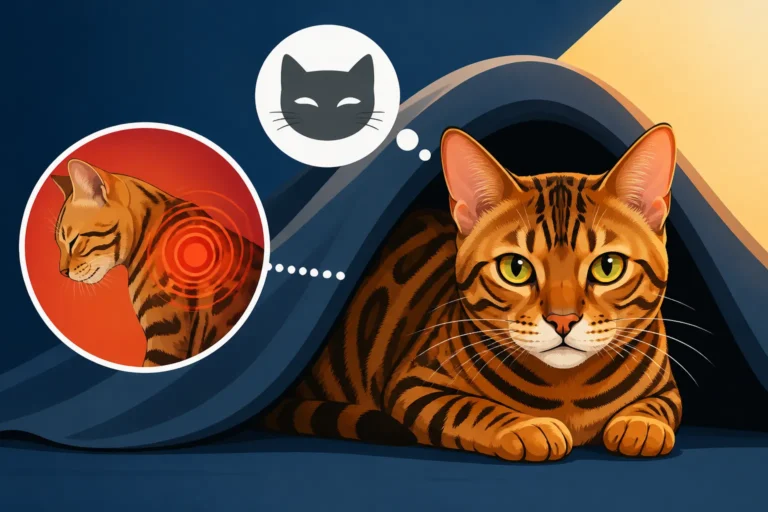
One of the most devastating complications of advanced HCM in cats is the formation of arterial thromboembolism, commonly known as a saddle thrombus or blood clot. When the heart's function is compromised, blood can become turbulent and pool in the left atrium, increasing the risk of clot formation. If a clot forms and travels, it can lodge in an artery, most commonly blocking blood flow to the hind legs. This is an acute, incredibly painful, and often life-threatening emergency. Signs of a saddle thrombus include sudden onset of paralysis or severe weakness in one or both hind legs, intense pain (your cat may cry out), cold paws, and bluish nail beds due to lack of blood flow.
If you suspect your Bengal cat is experiencing a blood clot, immediate veterinary attention is crucial. While some cats can recover with intensive emergency care, including pain management and clot-dissolving medications, the prognosis is often guarded. Prevention strategies, such as daily anticoagulant medications like clopidogrel, are often implemented for HCM cats considered high risk. This is a topic that worries many owners, so learning How a Bengal Cat Throws a Clot can help you understand the urgency of this complication. These emergencies, unfortunately, can be very costly, and having robust pet insurance, such as a comprehensive plan from Healthy Paws, can make a huge difference in being able to afford the critical care your cat needs.
The Emotional Toll on Owners and Finding Support
Living with a Bengal cat diagnosed with HCM isn't just a physical journey for your cat; it's an emotional marathon for you, the owner. The constant worry, the meticulous medication schedule, the fear of sudden decline, and the financial strain can all take a heavy toll. It's okay to feel overwhelmed, sad, or frustrated. Many owners find solace in online support groups for cats with HCM, where they can share experiences, ask questions, and offer comfort to others facing similar challenges. Your veterinary team, including your regular vet and cardiologist, are also crucial resources for information and emotional support. Don't hesitate to ask questions, no matter how small they seem. Remember, you're doing your best for your beloved companion, and that's what truly matters.
Responsible Breeding and Prevention Efforts
The fight against HCM in Bengal cats starts long before a kitten finds its forever home. It begins with responsible breeding practices, a commitment to health screening, and transparent communication between breeders and prospective owners. Without these foundational elements, the prevalence of HCM would likely be even higher, causing more heartbreak for families and cats alike.
The Importance of Breeder Screening
A truly responsible Bengal breeder will be absolutely committed to screening their breeding cats for HCM using regular echocardiograms performed by a board-certified veterinary cardiologist. They should be able to provide clear documentation of these screenings for both parents of any kitten they sell. This isn't just a "good to have"; it's a non-negotiable standard. A breeder who dismisses the importance of these scans, claims their cats are "visually clear," or only relies on genetic tests for other conditions (since there isn't one for Bengal HCM) is not operating ethically.
Look for breeders who scan their cats annually or biennially, depending on the cardiologist's recommendation, and who pull any cat diagnosed with HCM from their breeding program immediately. They should be transparent about their health protocols and happy to discuss them with you. Asking to see the echo reports, specifically signed by a cardiologist, is your right as a prospective owner. For more on what to expect, refer to Whether a Bengal Cat Breeder Shows Echo Results. This diligence, while costly for breeders, is the best defense we currently have against propagating HCM in the breed.
The Aim to Reduce Incidence Through Careful Breeding
The ultimate goal of all these screening efforts is to reduce the overall incidence of HCM within the Bengal cat population. By systematically removing affected cats from breeding programs and carefully selecting mates for healthy individuals, breeders can gradually decrease the genetic load for HCM. This is a long-term, ongoing effort that requires dedication and cooperation across the entire breeding community. Every clear echo, every responsible pairing, contributes to a healthier future for the breed.
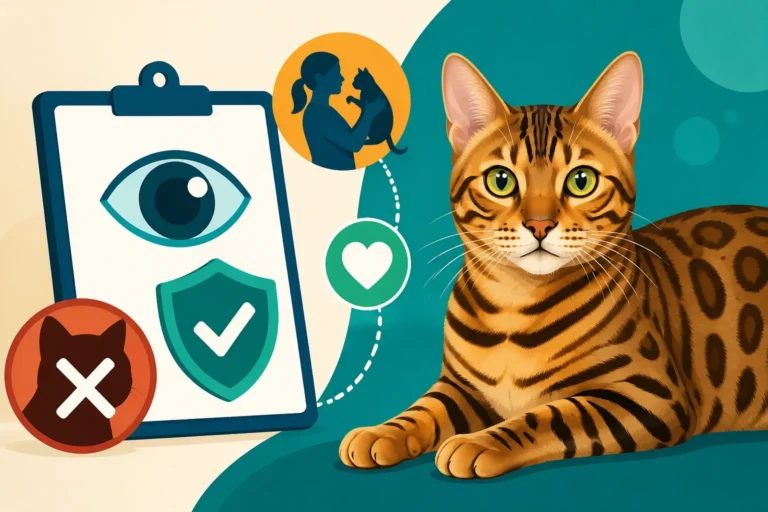
Of course, HCM isn't the only health concern for Bengal cats. Reputable breeders should also be testing for other significant genetic conditions like PRA-b (Progressive Retinal Atrophy) and PK Deficiency (Pyruvate Kinase Deficiency), among others. Understanding What a Bengal Cat Breeder Should Have Tested provides a fuller picture of comprehensive health screening. These combined efforts are crucial for ensuring that the vibrant, long-lived Bengals we all adore can continue to thrive for their full potential lifespan, which typically ranges from The Twelve to Sixteen Years a Bengal Cat Gets, often with proper care, even extending to Caring for a Bengal Cat Past Ten. The overall health of the breed, including its predisposition to conditions like HCM, is a constant discussion among enthusiasts who genuinely want to know Whether the Bengal Cat Is a Healthy Breed.
| Condition | Type | Bengal Cat Predisposition | Diagnostic Method | Treatment/Management |
|---|---|---|---|---|
| Hypertrophic Cardiomyopathy (HCM) | Cardiac | High | Echocardiogram (Cardiac Ultrasound) | Medications (beta-blockers, ACE inhibitors, diuretics, anticoagulants) |
| Progressive Retinal Atrophy (PRA-b) | Ocular | High | DNA Test, Ophthalmic Exam | No cure; supportive care for blindness |
| Pyruvate Kinase Deficiency (PK Def) | Blood | High | DNA Test, Blood Tests | Supportive care, blood transfusions (no specific cure) |
| Tritrichomonas Foetus | Gastrointestinal | High | PCR Fecal Test | Specific antibiotics (Ronidazole) |
| Flat Chested Kitten Syndrome | Developmental | Moderate | Physical Exam | Supportive care, physical therapy (often self-resolving) |
Disclaimer
The information provided in this article is intended for general knowledge and informational purposes only, and does not constitute professional veterinary advice. Always seek the advice of your veterinarian or other qualified animal health provider with any questions you may have regarding a medical condition or the health and welfare of your pet. Never disregard professional veterinary advice or delay in seeking it because of something you have read in this article.