What an Inspection for a Bengal Cat Permit Involves
The dream of bringing a magnificent Bengal cat into your home is incredibly exciting, but for many, it can quickly turn into a bureaucratic maze, especially if you're dealing with local regulations that require a permit. Navigating the rules for owning what some consider a "wild" breed can feel daunting, leading to anxiety about whether your home will even pass muster. This guide aims to demystify the inspection process for a Bengal cat permit, explaining exactly what inspectors are looking for so you can prepare with confidence and ensure a safe, enriching environment for your feline friend.
Why Permits and Inspections Exist for Bengal Cats
It can be frustrating when you just want to welcome a beautiful Bengal into your family, only to find out your city or state has specific laws, and you might even need a permit. You're thinking, "It's just a cat, right?" But the truth is, the Bengal's unique heritage often places it in a different category than your average housecat in the eyes of the law. These permits and the associated inspections aren't meant to be a roadblock, but rather a safeguard, primarily because of the breed's origins and its energetic nature. They exist to ensure that these active, intelligent felines are housed responsibly, preventing escapes and ensuring their well-being, which ultimately protects both the cat and the community.
Understanding the "Hybrid" Label
The core reason for permit requirements often boils down to the Bengal's status as a hybrid breed. They trace their lineage directly back to the Asian Leopard Cat, a small wild feline, crossed with a domestic cat. While most Bengals you encounter today are many generations removed from their wild ancestors (SBT or Stud Book Traditional Bengals, generally F4 and beyond), the "hybrid" label sticks, particularly for earlier generations like F1, F2, and F3. These earlier generations retain more of their wild instincts and physical characteristics, and as such, many jurisdictions classify them differently than fully domestic breeds. This is why you'll often find strict rules, and sometimes outright bans, on owning F1, F2, or F3 Bengals. It's not about being a bad pet owner; it's about the perceived need for specialized containment and care for animals closer to their wild roots. Many people don't realize this distinction when they first fall in love with the breed's stunning looks.
Local vs. State Regulations
Adding to the complexity, the laws governing Bengal cat ownership can vary wildly, not just from state to state but even from city to city within the same state. You might live in a state that permits all generations of Bengal cats, only to find your specific city has an ordinance that bans F1-F3, or even all Bengals unless you have a special permit. How to Check Your State's Bengal Cat Law is a critical first step, but it doesn't always tell the whole story. These varying regulations mean that what's acceptable in one town might be completely illegal just a few miles down the road. This patchwork of rules makes it absolutely essential to thoroughly research your exact local ordinances before even considering bringing a Bengal home, especially an early generation one, as ignorance of the law is rarely an acceptable defense when an animal's welfare or public safety is concerned.
The Permit Application Process: Getting Ready for Inspection
Once you've determined that your local jurisdiction requires a permit for your Bengal cat, the application process itself typically begins with a mountain of paperwork. It can feel like applying for a loan rather than welcoming a furry family member. This initial phase is designed to gather comprehensive information about you, your home, and your proposed care plan for the Bengal. It's often where the municipality confirms that you're aware of the responsibilities involved and have given serious thought to how you'll meet the unique needs of this breed. Don't underestimate this stage; a well-prepared application sets the tone for a smooth inspection.
Initial Documentation Requirements
The specific documents you'll need can differ, but generally, expect to provide proof of ownership, veterinary records for your Bengal, and sometimes even a detailed floor plan of your home illustrating where the cat will live and how outdoor access will be managed. You might need to show proof of vaccinations, spay/neuter status (unless your permit is for breeding, which often has even stricter requirements), and any genetic health testing results from the breeder. What the Bengal Cat DNA Panel a Bengal Cat Breeder Runs Costs can give you an idea of the types of health documentation you might be asked for. Some applications will also require personal references or a statement of your experience with active or exotic pet breeds. It’s a thorough process because the authorities want to ensure you're a responsible owner committed to providing a safe and enriching life for your Bengal, rather than someone impulsively getting a "wild-looking" pet without understanding the implications. Gather everything meticulously; an incomplete application can lead to frustrating delays.
Scheduling and Preparation
After submitting your application and any associated fees—which can sometimes be significant, as detailed in What an Early Generation Bengal Cat Permit Costs—the next step is usually scheduling the actual home inspection. This isn't just a casual visit; it's a formal assessment by an animal control officer or a designated inspector. Before they arrive, you'll want to ensure your home is spotless and, more importantly, prepared specifically for a Bengal. Think about the inspector's perspective: they're looking for signs that you understand the breed's needs and have taken concrete steps to meet them. This means ensuring proper containment, enrichment, and hygiene are clearly evident. A few days before the inspection, do a walk-through yourself, imagining you're the inspector. Are there any obvious red flags? Is everything secure? Is the environment stimulating and safe?
What Inspectors Look For: Key Areas of Assessment
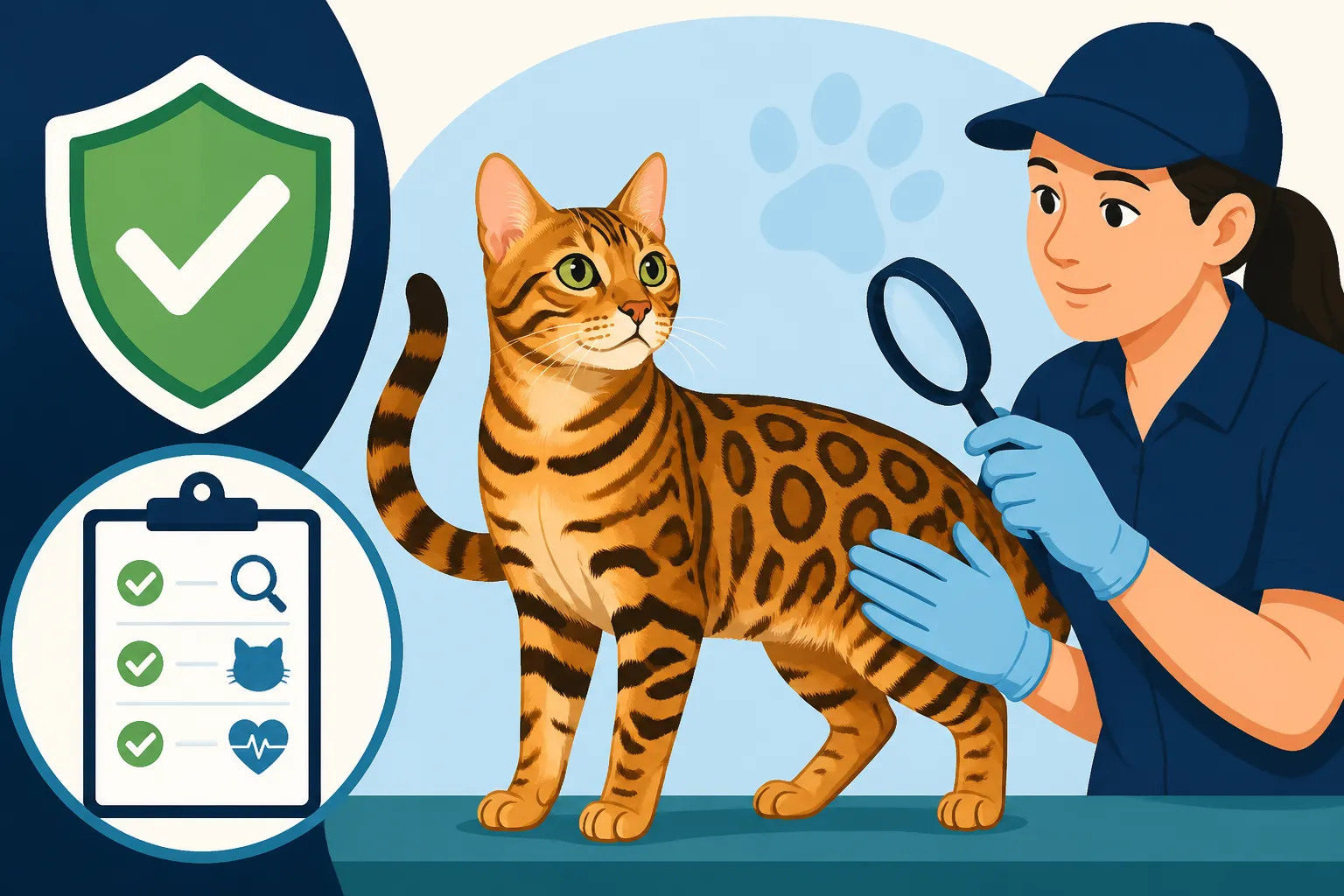
During the actual inspection, the officer isn't just glancing around. They have a checklist, often derived from local ordinances and best practices for exotic or hybrid animal care. They're assessing your ability to provide a secure, stimulating, and healthy environment that minimizes risk to both the cat and the public. This is where your proactive preparation truly pays off. Every detail, from the sturdiness of your cat tree to the cleanliness of the litter box, contributes to the overall impression you make.
Containment and Security
One of the inspector's primary concerns will be containment. Bengal cats, especially the earlier generations, are known for their athleticism, intelligence, and curiosity. They are phenomenal climbers and can be escape artists. The inspector will scrutinize how you prevent your Bengal from getting out, both indoors and, if applicable, outdoors. This often involves checking windows for secure screens, ensuring doors have appropriate locks (especially lever handles that some clever Bengals can operate), and verifying that fences or enclosures are robust and escape-proof. If you have an outdoor enclosure, often called a "catio," the inspector will want to see it firsthand. Why a Catio Is the Answer to a Bengal Cat explains why these are so vital, and the inspector will be looking for features like secure roofing, strong mesh that can't be clawed through, and double-entry systems to prevent accidental escapes. They'll also assess any potential hazards in your home that a curious Bengal could get into, checking child locks on cabinets that might contain dangerous chemicals, as explored in How to Cat Proof Cabinets From a Bengal Cat. The goal is to demonstrate that your Bengal simply cannot escape your property and pose a risk to itself or others.
| Inspection Area | Key Points for Bengal Cats | Why It Matters |
|---|---|---|
| Indoor Containment | Secure window screens, locked doors, child locks on cabinets, no easy escape routes. | Prevents escapes and access to hazardous items. |
| Outdoor Enclosure | Robust catio with secure mesh, roof, double-entry, proper ventilation. | Safe outdoor enrichment, prevents escapes, protects wildlife. |
| Environmental Safety | Removal of toxic plants, securing loose wires, storing medications/chemicals safely. | Prevents ingestion of toxins or accidental injury. |
| Enrichment | Tall cat trees, puzzle toys, scratching posts, cat wheel (optional). | Addresses high energy, prevents boredom and destructive behavior. |
| Sanitation | Clean litter boxes (multiple if needed), fresh food/water bowls. | Ensures health, prevents odor and inappropriate elimination. |
| Health Records | Up-to-date vaccinations, spay/neuter cert, vet contact, health clearances. | Demonstrates responsible ownership and preventative care. |
| Emergency Plan | Emergency vet contact, carrier readily available, plan for natural disasters. | Ensures safety and care during unexpected events. |
Welfare and Environment
Beyond mere containment, inspectors are keen to see that your home provides an enriching and healthy environment for such an active and intelligent breed. They'll assess the quality of your cat's living space. Do you have ample vertical space, like tall cat trees or shelves, for climbing and perching? Bengals thrive on vertical territory, and a lack of it can lead to frustration and destructive behavior. They'll look for evidence of sufficient enrichment, such as a variety of toys, puzzle feeders, and scratching surfaces. Remember, How Much Enrichment a Bengal Cat Actually Needs is far more than your average couch potato cat. The inspector wants to see that you've invested in providing outlets for their boundless energy and keen minds. They'll also check for cleanliness and proper sanitation, ensuring litter boxes are appropriately sized and maintained, and that fresh food and water are always available. This shows a commitment to the Bengal's physical and mental well-being, which is paramount.
Health and Veterinary Records
A responsible Bengal owner prioritizes their cat's health, and the inspection will certainly include a review of your cat's veterinary history. This means having readily available records of regular check-ups, vaccinations, deworming, and parasite prevention. The inspector will want to confirm that your Bengal is spayed or neutered (unless you have a specific breeding permit, which is a different category altogether), as this is crucial for preventing unwanted litters and mitigating certain behavioral issues. They might also ask about preventative care, such as dental hygiene, and inquire about your chosen veterinarian, ideally one familiar with Bengal cats or exotic breeds. Providing comprehensive records, demonstrating a proactive approach to veterinary care, and even showing you have pet insurance or use quality food can all paint a picture of a dedicated and well-prepared owner. This aspect of the inspection reassures authorities that you are committed to the long-term health and care of your unique feline companion. What a Bengal Cat's Yearly Bloodwork Should Cover could be a topic that arises if discussing routine vet care.
Post-Inspection and Maintaining Your Permit
The inspection isn't the finish line; it's merely a significant hurdle. What happens afterward, whether you receive approval or a denial, requires further action on your part. And if you do get that coveted permit, remember that it's not a "one and done" situation. Maintaining your permit often involves ongoing responsibilities and potential future checks, reinforcing the idea that owning an animal like a Bengal is a continuous commitment.
Approval, Denial, and Appeals
If your inspection goes well and your home meets all the local requirements, you'll typically receive notification of your permit's approval. This is a moment of relief and excitement! You've navigated the bureaucracy and proven yourself a responsible Bengal owner. However, it's also possible to receive a denial, or a conditional approval with specific requirements you need to meet within a certain timeframe (e.g., adding a specific lock or reinforcing a fence). If denied, the letter should clearly state the reasons for the refusal, citing the specific regulations you failed to meet. Don't despair immediately. Most jurisdictions have an appeals process. This often involves reviewing the inspector's report, addressing the deficiencies they noted, making the necessary improvements, and then requesting a re-inspection or presenting your case to an appeals board. It's vital to carefully read the denial notice and understand your options before taking any further steps.
Ongoing Compliance and Renewals
Even with an approved permit, your responsibilities don't end. Many Bengal cat permits require annual or biennial renewal, often accompanied by a fee. During these renewal periods, you might be subject to follow-up inspections to ensure continued compliance with the original permit conditions. This is particularly common for early-generation Bengals or in areas with stricter regulations. It's a way for authorities to periodically verify that your living situation for the Bengal remains safe, secure, and enriching, and that you haven't let your standards slip. Keeping meticulous records, maintaining your home to the original inspection standards, and staying informed about any changes to local ordinances are all part of responsible, ongoing compliance. Remember that your commitment to your Bengal cat is a long-term one, ideally spanning The Twelve to Sixteen Years a Bengal Cat Gets, and that includes consistently meeting all legal and ethical requirements for their care.
Disclaimer
This article is for general informational purposes only and does not constitute professional advice. Laws, prices and regulations vary by location and change over time. Consult a qualified professional for guidance on your specific situation.