Whether Florida Requires a Bengal Cat Permit
One of the biggest anxieties for potential Bengal cat owners, especially in a state as unique as Florida, is navigating the maze of laws surrounding pet ownership. You fall in love with those stunning rosettes and that wild look, but then a tiny seed of doubt plants itself: Is this cat even legal where I live? It's a completely valid concern, and the last thing anyone wants is to unknowingly violate local or state regulations. This guide is here to untangle the complexities of Florida's rules for Bengal cats, helping you understand whether you'll need a permit to welcome one of these magnificent felines into your home.
Understanding Florida's Approach to Hybrid Animals
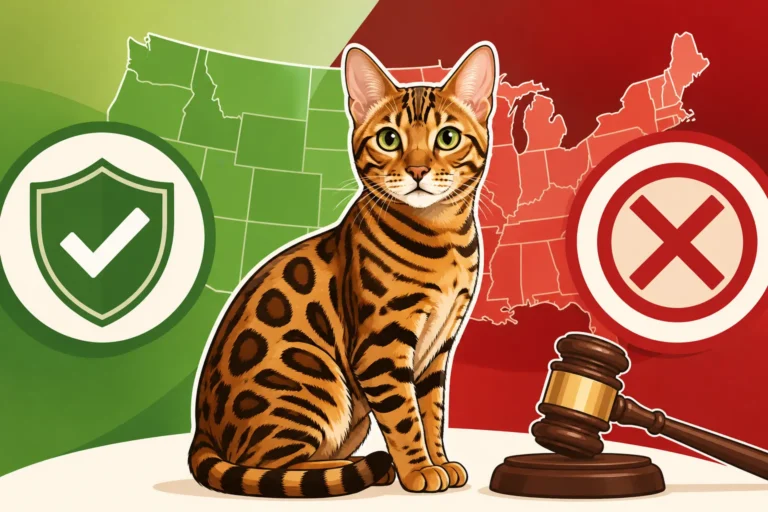
Florida is a state known for its diverse wildlife, both native and introduced, which means it takes regulations concerning exotic and hybrid animals very seriously. This serious approach is often where the confusion begins for aspiring Bengal cat owners. Many people assume a cat is just a cat, but when it comes to hybrids like the Bengal, the law can see things quite differently. The core issue revolves around the Bengal's lineage: it's a cross between a domestic cat and the wild Asian Leopard Cat (ALC). This wild ancestry is what triggers a closer look from state authorities.
The Florida Fish and Wildlife Conservation Commission (FWC) is the primary governmental body in charge of regulating wildlife and exotic animals in the state. Their classifications dictate whether an animal requires a permit, and this often hinges on how far removed an animal is from its wild ancestor. It's not a simple "yes" or "no" for all Bengal cats; rather, it depends heavily on their "filial" generation, often denoted as F1, F2, F3, and so on. An F1 Bengal is a direct cross between an ALC and a domestic cat, meaning it's 50% wild. An F2 has an F1 parent, an F3 has an F2 parent, and so forth. The FWC looks at this percentage of wild blood, and as you can imagine, an F1 Bengal is going to be viewed with much more scrutiny than a cat many generations removed from its wild roots. This nuanced approach can be incredibly frustrating for those just trying to understand if their dream pet is permitted. For a deeper dive into these classifications, you might find How a Bengal Cat's Generation Is Counted helpful.
The difference in legal status between these generations is a critical point of contention and confusion for many. What seems like a domestic cat to one person might be considered a wild animal under Florida law, bringing with it a whole host of responsibilities and potential restrictions. The FWC's regulations are designed to protect both the public and the animals themselves, preventing irresponsible ownership of potentially dangerous or difficult-to-manage exotic species. It’s a common misconception that because a Bengal cat looks and often acts like a domestic cat, it will automatically be treated the same by the law. Unfortunately, that's not always the case, especially with those earlier generations that retain more of their wild heritage. If you're curious about the wild side, check out What an Asian Leopard Cat Is Behind Every Bengal Cat.
Permit Requirements for Bengal Cats in Florida
When it comes to Bengal cats in Florida, the FWC generally categorizes animals into Class I, Class II, or those that are unregulated. The good news for most prospective owners is that the vast majority of Bengal cats, specifically those categorized as SBT (Stud Book Traditional), typically do not require a state permit. An SBT Bengal is at least four generations removed from its wild Asian Leopard Cat ancestor (F4 or beyond) and is considered fully domestic for all intents and purposes by major cat registries like TICA. These cats behave much like any other domestic cat, albeit with their unique energy and vocalizations, and Florida law usually treats them as such. This means you can generally own an SBT Bengal cat without jumping through specific FWC permitting hoops. However, "generally" is the keyword, as local ordinances can always add another layer of complexity.
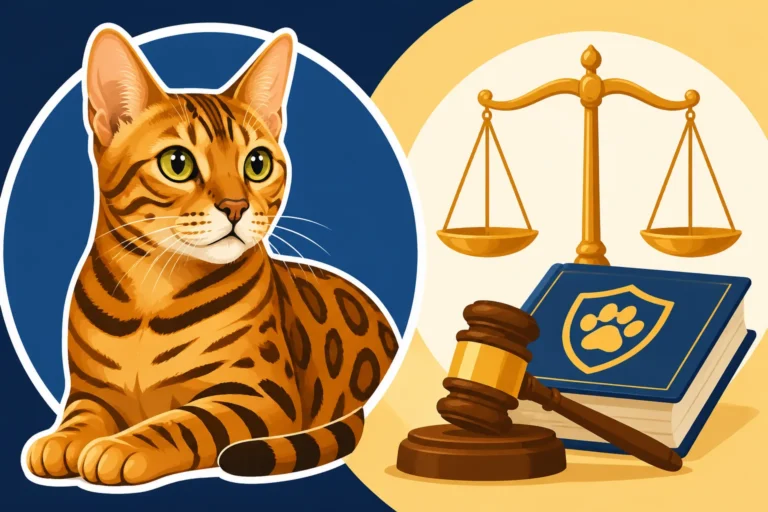
The situation changes dramatically for earlier generation Bengal cats: the F1, F2, and sometimes even F3 Bengals. Due to their closer genetic proximity to the Asian Leopard Cat, these animals are often considered Class III wildlife by the FWC. This classification means that owning an F1, F2, or F3 Bengal cat in Florida does require a permit. The FWC's Class III wildlife permits are not trivial to obtain. They come with stringent requirements designed to ensure the owner has the experience, facilities, and financial means to properly care for and contain an animal that still possesses significant wild traits. These requirements can include:
- Proof of Experience: You'll likely need to demonstrate a certain number of hours of documented experience caring for the specific type of animal or similar species.
- Caging and Enclosure Standards: The FWC has very specific regulations for enclosures for Class III animals, which go far beyond what a typical pet cat needs. These enclosures must be secure, appropriately sized, and designed to prevent escape and ensure the animal's welfare. This might involve robust outdoor catios or specialized indoor spaces.
- Inspection: Your premises will typically need to be inspected by FWC officers to ensure compliance with all caging and safety standards before a permit is issued, and often periodically thereafter.
- Record Keeping: Permitted owners are usually required to keep detailed records about their animals, including veterinary care, acquisition, and disposition.
It’s easy to feel overwhelmed by this bureaucracy, but these measures are in place because earlier generation Bengals can exhibit more pronounced wild behaviors, such as strong hunting instincts, territorial marking, and a greater propensity for aggression if not properly socialized and managed. The goal is to prevent escapes, protect the public, and ensure these unique animals receive appropriate care. This is a far cry from simply picking up a kitten from a local shelter. If you're looking at an early generation Bengal, it's vital to truly understand Why the Generation Number Decides Whether You Can Own a Bengal Cat and the commitment involved.
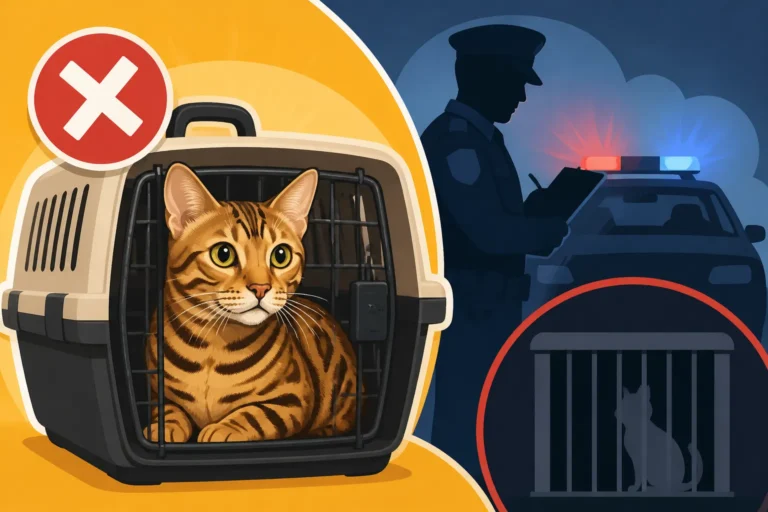
Beyond state regulations, it's paramount to remember that individual cities and counties within Florida can (and often do) have their own ordinances regarding exotic or hybrid animal ownership. A city might have a blanket ban on all "wild animals" or hybrids, even if the state permits certain generations with a license. For example, while the FWC might permit an F3 Bengal with a Class III license, your specific city might still prohibit it outright. This means that before you ever bring a Bengal cat home, you must not only verify the FWC's stance but also thoroughly research your local municipal code. Overlooking local laws can lead to heartbreaking situations, including fines and even the confiscation of your beloved pet. Understanding What an F Number on a Bengal Cat Means Legally is a good first step to navigating these rules.
| Bengal Cat Generation | FWC Permit Required (State) | Typical Behavior |
|---|---|---|
| F1 (First Generation) | Yes (Class III) | Strong wild instincts, less predictable, may not use litter box consistently. |
| F2 (Second Generation) | Yes (Class III) | Significant wild instincts, energetic, can be challenging. |
| F3 (Third Generation) | Yes (Class III) | Still strong wild traits, energetic, requires experienced handling. |
| F4 (Fourth Generation) | No (Generally Unregulated) | Mostly domestic, highly active, intelligent. |
| SBT (Stud Book Traditional, F4+) | No (Generally Unregulated) | Fully domestic, energetic, playful, highly adaptable. |
Note: This table provides general guidance. Always verify current regulations with the FWC and local authorities.
What to Do If You're Considering a Bengal Cat in Florida
If you're in Florida and contemplating bringing a Bengal cat into your life, the best advice is always to do your homework – and then do a little more. The last thing you want is to fall in love with a kitten only to find out you can't legally keep it or that you've unintentionally broken the law.
First and foremost, always, always verify the generation of any Bengal cat you're considering. A reputable breeder will be transparent about their cats' lineage and provide registration papers that clearly indicate the generation. If a breeder is vague about the generation or doesn't have proper documentation, that should be a significant red flag. You need to be sure you're getting an SBT Bengal if you want to avoid the permit process entirely. Asking a breeder for this kind of transparency is not pushy; it's responsible ownership. You might find more tips on what to ask in Which Questions to Ask a Bengal Cat Breeder.
Secondly, directly contact the Florida Fish and Wildlife Conservation Commission (FWC). Even if you're set on an SBT Bengal, it's a good practice to touch base with them. Laws and regulations can change, and getting information straight from the source is always best. Don't rely solely on what you read online or hear from others, no matter how well-meaning. Similarly, contact your local city and county animal control or clerk's office. Ask specifically about "hybrid cats," "Bengal cats," or "wild animal ordinances" to ensure there are no local rules that might affect your ownership. This might seem like a lot of legwork, but it’s crucial for peace of mind.
If, against all the complexities, you're still considering an earlier generation Bengal (F1-F3), understand that this is a truly significant commitment. The permit process itself is demanding, requiring proof of specialized facilities and extensive experience. These are not “set it and forget it” pets. They demand a deep understanding of feline behavior, especially regarding their wild instincts. You’ll need to dedicate considerable resources to providing an enriching environment to keep these intelligent and active cats happy and stimulated. Think beyond standard cat trees; consider large, secure outdoor enclosures, or “catios,” that satisfy their need to climb and explore safely. You can get ideas from What a Catio for a Bengal Cat Costs. For their general well-being, a high-quality, protein-rich diet is often recommended to support their active lifestyles.
Finally, think about the long-term. Bengal cats can live for many years, often The Twelve to Sixteen Years a Bengal Cat Gets, so you're signing up for a long-term commitment. Consider the costs associated with regular veterinary care, which for a highly active breed, might include unexpected visits for injuries from their adventurous escapades. Pet insurance from providers like Healthy Paws can be a wise investment to help manage these potential expenses, especially if their adventurous nature leads to a mishap or if they develop one of the genetic health conditions Bengal cats can be prone to. Being proactive and informed will ensure a happy, healthy, and legal life for you and your Bengal cat in the Sunshine State.
Disclaimer
This article is for general informational purposes only and does not constitute professional advice. Laws, prices and regulations vary by location and change over time. Consult a qualified professional for guidance on your specific situation.