What a Bengal Cat’s Yearly Bloodwork Should Cover
It’s a common worry for us Bengal cat parents: how do we really know our energetic, mischievous companions are thriving on the inside? They’re such masters of hiding discomfort, aren’t they? This guide is here to walk you through exactly what your Bengal cat's yearly bloodwork should cover, demystifying those lab results and showing how these routine checks are truly one of the best tools we have for proactive health.
The Core Components of Your Bengal's Annual Blood Panel
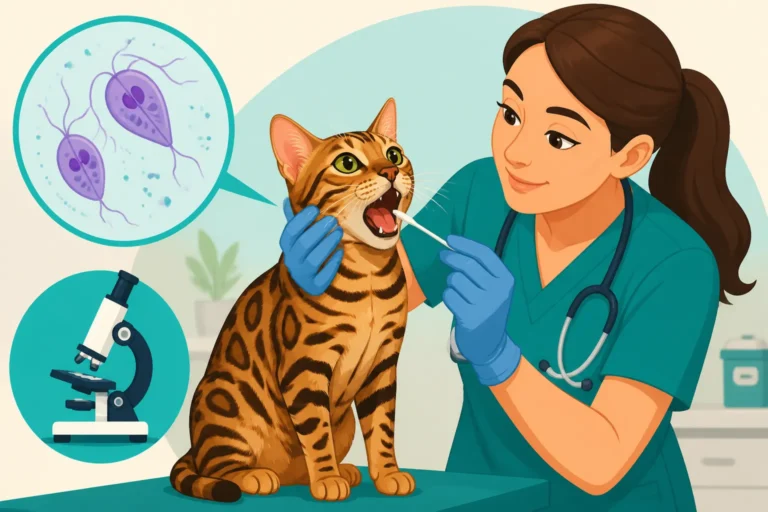
When you take your Bengal cat in for their annual check-up, the vet often recommends a standard blood panel. This isn't just a generic set of tests; it's a vital snapshot of your cat's internal health, designed to catch potential issues long before they become visible problems. Think of it as your Bengal's personal health report card, giving you and your veterinarian crucial insights into how their body is functioning behind all that glitter and athleticism.
Complete Blood Count (CBC): More Than Just Red Cells
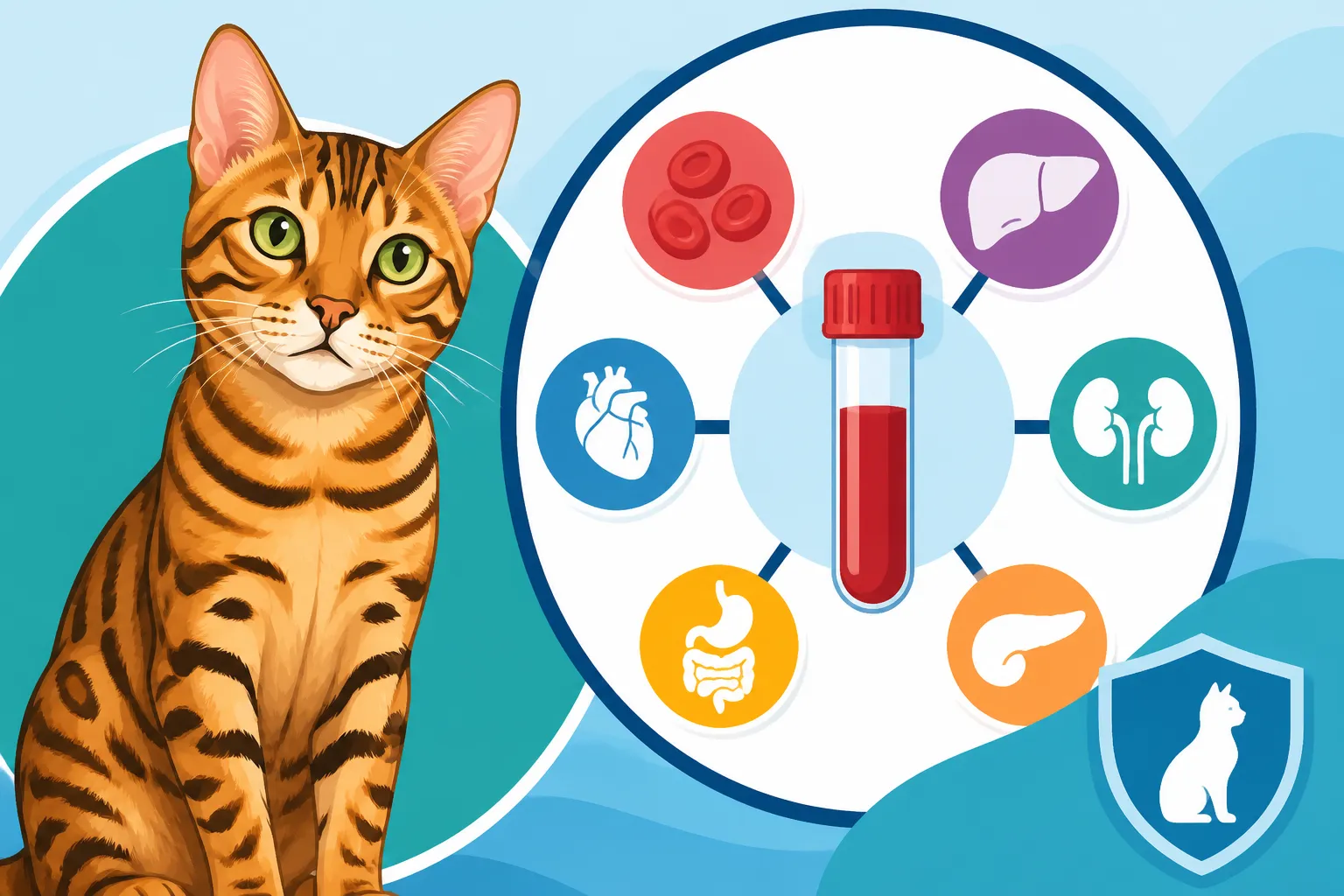
The Complete Blood Count, or CBC, is a foundational test that provides a detailed look at the cells circulating in your Bengal's blood. It's a powerhouse for detecting a wide array of conditions, from infections to anemia, and even certain types of inflammation. For a breed as active as the Bengal, understanding their CBC results can be particularly insightful.
This test measures red blood cells, white blood cells, and platelets. The red blood cells are responsible for carrying oxygen throughout your cat's incredibly efficient body, fueling all that jumping, climbing, and playful chaos. If these counts are low, it could indicate anemia, a condition where the blood doesn't carry enough oxygen, leading to lethargy or weakness. Given their high activity levels, any dip in red blood cell count could significantly impact your Bengal's energy. On the flip side, unusually high red blood cell counts can also signal problems, such as dehydration.
Then there are the white blood cells, the mighty defenders of your Bengal's immune system. Their numbers and types can point to the presence of infection, inflammation, or even stress. For instance, if your Bengal has been secretly battling a low-grade infection that hasn't yet shown outward symptoms, their white blood cell differential might show an increase in neutrophils or other specific white blood cell types. Catching this early means your vet can investigate and treat it before it escalates, potentially preventing a more serious illness down the line. Lastly, platelets are critical for blood clotting. Abnormal platelet counts can indicate bleeding disorders or issues with bone marrow. All these components together paint a comprehensive picture, offering clues that an astute veterinarian can interpret to ensure your Bengal cat's well-being.
Chemistry Panel: Peeking at Organ Function
The chemistry panel, sometimes referred to as a blood serum chemistry profile, is like getting a detailed report on how all of your Bengal's internal organs are performing. It measures various enzymes, electrolytes, and other substances in the blood, providing vital information about the health of their kidneys, liver, pancreas, and even their glucose levels. These results are particularly important because, for cats, many serious illnesses often don't show obvious external signs until they are quite advanced.
For example, your Bengal's kidneys are vital filters, working tirelessly to remove waste products from their blood. The chemistry panel includes tests like BUN (blood urea nitrogen) and creatinine, which are key indicators of kidney function. If these levels are elevated, it could be an early warning sign of kidney disease, allowing for intervention and management much sooner than if you waited for symptoms like increased thirst or changes in urination. Similarly, liver enzymes (like ALT and ALP) give insights into liver health. High levels might suggest inflammation, damage, or other issues with this crucial organ, which plays a role in digestion, detoxification, and protein production. Catching liver problems early can significantly improve treatment outcomes.
The panel also assesses glucose levels, helping to detect conditions like diabetes, and electrolytes such as sodium and potassium, which are essential for nerve and muscle function, and overall hydration. Imagine your usually vibrant Bengal being just a little "off" – perhaps a bit less enthusiastic about playtime. A chemistry panel might reveal an electrolyte imbalance that, once corrected, restores their usual zest for life. This comprehensive look at their internal chemistry is an indispensable part of maintaining their robust health and can be crucial in managing The Twelve to Sixteen Years a Bengal Cat Gets.
Thyroid Hormone Screening: Especially for Older Bengals
While important for all cats, thyroid hormone screening becomes increasingly crucial as your Bengal cat approaches their senior years. Hyperthyroidism, a condition where the thyroid gland produces too much thyroid hormone, is surprisingly common in older felines. We often don't realize how subtle the early signs can be – maybe a slight increase in appetite without weight gain, or just a little more vocal than usual.
A blood test, specifically measuring T4 levels, can easily identify hyperthyroidism. Elevated T4 indicates an overactive thyroid. Why is early detection so vital? Because if left untreated, hyperthyroidism can lead to serious secondary health issues affecting the heart, kidneys, and other organ systems, significantly impacting your Bengal’s quality of life and potentially shortening their lifespan. Managing this condition effectively, whether through medication, dietary changes, or other treatments, can prevent a cascade of problems and allow your Bengal to live comfortably for much longer.
It's wise to start discussing routine thyroid screening with your vet once your Bengal cat hits around seven to eight years old, even if they don't show any obvious symptoms. As they enter what we consider "senior" age – typically around ten years old, as discussed in The Age a Bengal Cat Is Considered Senior – this test should become a regular part of their annual bloodwork. Proactive screening ensures that if hyperthyroidism begins to develop, it's caught at its earliest, most manageable stage, making treatment much simpler and less invasive for your beloved companion.
Beyond the Basics: Tailoring Bloodwork to Your Bengal's Needs
While the standard CBC and chemistry panels are fantastic starting points, responsible Bengal cat ownership sometimes means looking a little deeper. Our Bengals, with their wild ancestry, have certain predispositions and unique health considerations that might warrant additional, more targeted blood tests. It’s all about working with your veterinarian to create a truly personalized health plan that accounts for their specific breed characteristics and individual life stage.
Specific Concerns for the Bengal Breed
Bengal cats are generally robust, but like many purebreds, they can have predispositions to certain genetic conditions. While many of these, like PRA-b (progressive retinal atrophy) or PK Deficiency (pyruvate kinase deficiency), are ideally screened for through DNA tests performed by responsible breeders, bloodwork can still play a role in monitoring their overall health or detecting the effects of these conditions if they weren't previously identified. For instance, if a Bengal cat has Pyruvate Kinase Deficiency in a Bengal Cat, the CBC portion of their bloodwork would likely show signs of anemia (low red blood cell count), which is a direct consequence of the disease. This means that even if you don't have DNA test results, routine bloodwork can flag an issue that warrants further investigation, potentially leading to a diagnosis.
It’s crucial to have open conversations with your breeder when you acquire your Bengal kitten. They should be transparent about the health testing performed on the parents, ideally including DNA tests for common genetic conditions. If you adopt a Bengal cat later in life, or from a rescue, you might not have access to this information. In such cases, your vet might recommend additional blood tests or screenings if specific symptoms arise or if your cat's general health profile warrants a closer look. Understanding your Bengal’s lineage and the health history of their parents and siblings can provide invaluable context for interpreting their blood test results. This is part of the comprehensive approach to understanding What a Bengal Cat Breeder Should Have Tested.
Age-Related Considerations and Additional Tests
Just like us, cats' bodies change as they age, and so too should their diagnostic approach. For senior Bengal cats, standard yearly bloodwork often needs to be supplemented with additional tests or more frequent screenings to stay ahead of age-related diseases. As we discussed, hyperthyroidism becomes more prevalent, so consistent T4 monitoring is essential. Beyond that, conditions like kidney disease and heart disease (such as HCM, or hypertrophic cardiomyopathy) are concerns for older felines. While HCM is primarily diagnosed via echocardiogram (an ultrasound of the heart, which is why Why a Bengal Cat Breeder Must Show an Echo, Not a Gene Test is so important), bloodwork can show secondary effects, such as kidney changes if the heart is struggling.
For a senior Bengal, your vet might recommend a more comprehensive panel, including tests for specific kidney markers beyond BUN and creatinine, or even a urine analysis. A urine analysis complements bloodwork by providing details about kidney function, hydration status, and can detect urinary tract infections or early signs of diabetes. These additional layers of testing allow your vet to establish baselines and detect subtle shifts that might indicate the onset of age-related conditions.
Imagine an older Bengal, still playful but perhaps a bit less agile, starting to lose a tiny bit of weight despite eating well. A simple yearly blood panel, especially if it includes a thyroid screen and a robust chemistry panel, could pinpoint early kidney changes or hyperthyroidism. Catching these early means proactive management – dietary adjustments, supplements, or medication – which can drastically improve their comfort and extend their healthy years. Caring for a Bengal cat past ten means paying extra attention to these details, and regular, comprehensive bloodwork is your best ally.
Understanding the Results and Proactive Health Management
Getting a detailed report on your Bengal's internal health can feel a bit overwhelming, especially when you're looking at a sheet full of numbers and scientific terms. But don't worry, your veterinarian is your partner in this process, and understanding these results is a team effort. The goal isn't just to identify problems, but to use this information to create the best possible health and wellness plan for your unique and wonderful Bengal.
Deciphering the Numbers: What Your Vet Will Explain
When your vet goes over the bloodwork results, they won't just rattle off numbers. They'll interpret them in the context of your individual Bengal cat's age, breed, lifestyle, and previous health history. It's important to remember that 'normal ranges' are just that: ranges. A slight deviation might not always indicate a serious problem, but rather a point for monitoring. What's truly valuable are baseline values—results from previous years. Having these allows your vet to track trends and identify changes that might be significant for your particular cat, even if they're still technically within a broader "normal" range.
For example, if your Bengal's kidney values (like BUN and creatinine) have been steadily creeping up over a few years, even if they haven't yet reached critically high levels, it's a red flag. Your vet might then suggest dietary changes or supplements to support kidney health, rather than waiting for full-blown kidney disease symptoms to appear. This proactive approach is the entire point of regular bloodwork. Don't be afraid to ask questions. If something isn't clear, ask for clarification. You are your Bengal's best advocate, and being informed empowers you to make the best decisions for their health.
Partnering with Your Vet and Planning for the Unexpected
Regular annual wellness exams, which include comprehensive bloodwork, are fundamental to your Bengal's long-term health. These appointments aren’t just about vaccinations; they are a critical opportunity for your vet to assess your cat's overall condition, discuss any changes you've observed, and interpret those vital blood test results. This collaboration between you and your vet is key to addressing any issues, from minor dietary adjustments to more serious medical interventions, before they become urgent. You can learn more about what to expect during a typical check-up in How Often a Bengal Cat Needs a Wellness Exam.
It’s also wise to consider how you’ll manage the costs of potential health issues that bloodwork might uncover. While we all hope for perfectly clear results every year, the reality is that sometimes these tests do reveal conditions requiring ongoing management or unexpected treatment. This is where pet insurance can be a real lifeline. Companies like Healthy Paws offer various plans that can help alleviate the financial stress of veterinary care, ensuring you can always make health decisions based on what’s best for your Bengal, rather than solely on your budget. They can provide peace of mind if, for example, your Bengal's bloodwork reveals a chronic condition that requires regular medication or specialized diets. Healthy Paws can also be there to support you if an emergency arises, allowing you to focus on your cat's recovery. Early detection through bloodwork, combined with the financial safety net of pet insurance, creates a robust strategy for your Bengal's health journey. Knowing What a Bengal Cat Costs Over Its Lifetime can help you plan for these expenses, and pet insurance is a tool many owners use to manage them.
Ultimately, your Bengal cat’s yearly bloodwork isn't just a formality; it's a powerful preventative tool that provides peace of mind and equips you and your veterinarian with the knowledge needed to keep your wild-looking companion healthy and happy for as long as possible.
| Bloodwork Component | What It Evaluates | Key Bengal Cat Relevance |
|---|---|---|
| CBC (Complete Blood Count) | Red blood cells, white blood cells, platelets | Detects anemia, infection, inflammation, and blood clotting disorders; vital for monitoring active cats. |
| Chemistry Panel | Kidney function (BUN, Creatinine), liver enzymes (ALT, ALP), glucose, electrolytes | Early detection of organ disease, diabetes, and imbalances; crucial given cats hide illness well. |
| Thyroid Hormone (T4) | Thyroid gland activity | Essential for older Bengals to detect hyperthyroidism, a common and treatable senior cat condition. |
| Urinalysis (often alongside bloodwork) | Kidney function, hydration, urinary tract health, specific gravity | Complements bloodwork, especially for seniors, to detect UTIs, early kidney issues, and diabetes indicators. |
| Specific Genetic Markers (DNA tests, not bloodwork) | PRA-b, PK Deficiency | While not bloodwork, results from these influence overall health monitoring and interpretation of blood test effects. |
Disclaimer
This article is for general informational purposes only and does not constitute professional advice. Laws, prices and regulations vary by location and change over time. Consult a qualified professional for guidance on your specific situation.