What an Early Generation Bengal Cat Permit Costs
The thrill of envisioning a majestic F1, F2, or F3 Bengal cat bounding through your home is incredibly strong for many feline enthusiasts. You dream of that wild beauty, that undeniable connection to their Asian Leopard Cat ancestors. But then, reality hits: these aren't just ordinary housecats, and depending on where you live, owning one might require navigating a complicated legal landscape and paying for a special permit. This guide will help you understand the surprising and often overlooked costs associated with obtaining such a permit.
The Surprising Reality of Early Generation Bengal Cat Laws and Permits
Bringing an early generation Bengal cat into your life is a unique experience, but it comes with a distinct set of responsibilities and legal considerations that many people don't anticipate. It's not as simple as picking out a kitten and bringing it home. The "F" number attached to your potential feline companion carries significant weight, dictating everything from legality to the hoops you'll have to jump through, and critically, the financial implications of those hoops.
Why Certain Bengal Generations Need Special Permits
The reason F1, F2, and F3 Bengal cats often require special permits stems directly from their close lineage to the wild Asian Leopard Cat (ALC). An F1 Bengal is a direct cross between a domestic cat and an ALC, making it 50% wild. F2s have an ALC grandparent, and F3s have an ALC great-grandparent. This close proximity to their wild ancestors means these cats often retain more wild traits than later generations, such as their temperament, activity levels, and physical needs. It's not just about their stunning appearance; it's about their inherent wildness.
Because of these unique characteristics, many jurisdictions classify early generation Bengals not as typical domestic pets but as exotic or hybrid animals. This classification is often driven by concerns for public safety, the cat's welfare, and potential impacts on local wildlife if the animal were to escape. The rules aren't designed to be punitive but rather to ensure that owners are fully prepared for the commitment and potential challenges these magnificent, yet wild-influenced, cats present. Understanding Why the Generation Number Decides Whether You Can Own a Bengal Cat is the first step in appreciating the permit process.
State vs. Local Laws: A Confusing Maze
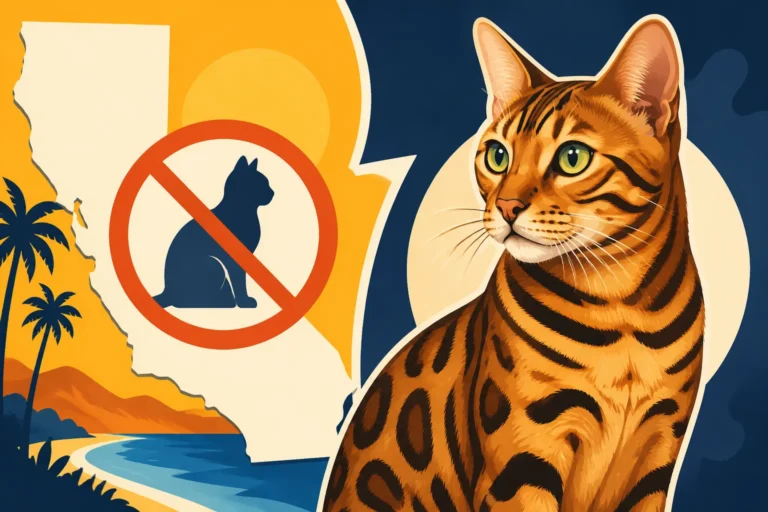
One of the most frustrating aspects for prospective early generation Bengal owners is the sheer inconsistency of laws and regulations. What might be perfectly legal and straightforward in one state could be completely banned, or heavily regulated, just across the border, or even in a neighboring city. Imagine finding the perfect F2 kitten, only to discover your specific county has a strict ordinance that overrides the more lenient state law. It's a common, disheartening scenario.
This patchwork of legislation means you can't rely on general advice; you have to dive deep into the specific codes of your state, county, and even municipality. A state might permit F3 Bengals without issue, but your city might require a special permit, an annual fee, and even an inspection for any hybrid cat. This legal labyrinth can be incredibly confusing and is often the point where many potential owners realize the dream might be more complicated – and costly – than they first thought. Getting a handle on Where Bengal Cat Law Is Set, the State or the City is crucial before you proceed.
The Permit Application as a Gatekeeper
Think of the permit application process not as a bureaucratic hurdle, but as a critical gatekeeper designed to ensure the responsible ownership of these unique animals. It’s a thorough evaluation, often requiring detailed information about your living situation, your experience with exotic animals, and your plans for the Bengal cat's care and containment. This isn't just about filling out a form; it's about demonstrating your capacity to provide a safe, enriching environment for a cat that requires more than the average housecat.
Many permits include clauses about housing requirements, such as secure outdoor enclosures or specific indoor setups to prevent escapes. This is where the cost can truly begin to escalate, as preparing your home to meet these standards often involves significant investment before you even submit the application. The permit, therefore, serves as proof that you've done your homework, understand the commitment, and have taken concrete steps to meet the stringent demands of owning an early generation Bengal.
Deconstructing the Costs Associated with Early Generation Bengal Permits
When you first hear about a permit, you might think of a small, one-time fee. The reality, especially for early generation Bengal cats, is often far more complex and costly. These expenses can range from administrative fees to significant investments in home modifications, all of which contribute to the true price tag of legal ownership.
Direct Permit Application Fees
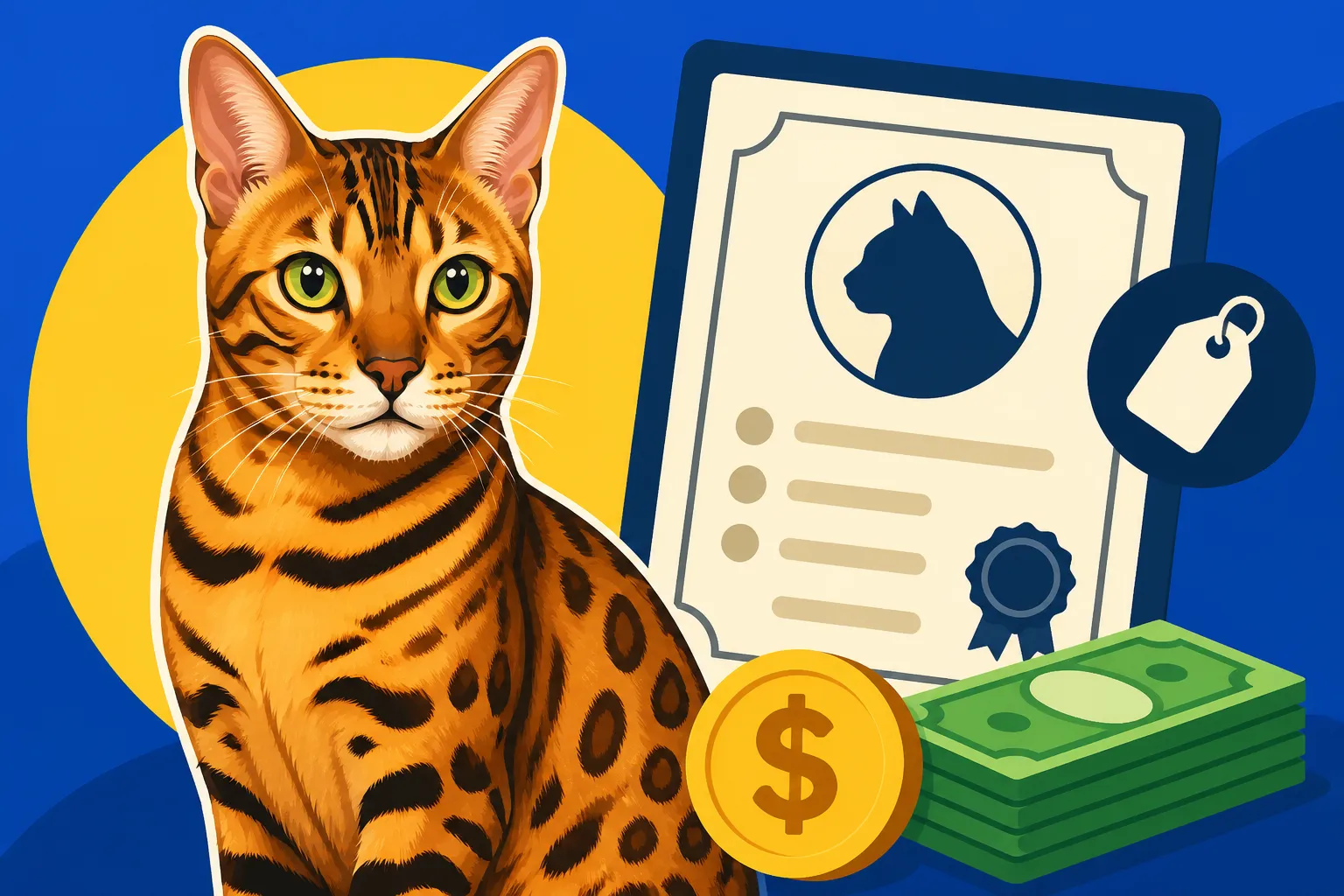
The most straightforward cost you'll encounter is the direct application fee for the permit itself. However, don't expect this to be a nominal charge. Because early generation Bengals are classified differently from standard domestic cats, the administrative oversight and processing involved are usually more intensive. These fees are designed to cover the cost of the regulatory body's time, resources, and often, the specialized knowledge required to review such applications.
The actual amount can vary wildly from one jurisdiction to another. In some areas, you might find a permit fee that's a modest administrative charge, perhaps in the low hundreds. In other, more stringently regulated municipalities or states, the fee could easily climb into the mid-hundreds or even a four-figure sum, reflecting a higher level of scrutiny or a more complex permitting process. This initial outlay is just the first financial consideration, and it's essential to factor it into your budget from the very beginning.
Costs Related to Home Inspections and Facility Requirements
Beyond the application fee, many permits for early generation Bengal cats mandate a home inspection. This isn't just a quick look-around; it's a detailed assessment to ensure your environment is genuinely suitable for a high-energy, intelligent, and potentially escape-prone animal. Inspectors will be looking for robust security measures to prevent escapes and ensure the cat's well-being. This can include requirements for double-door entryways, secure outdoor enclosures, or specialized caging.
Imagine you're dreaming of an F2 Bengal. Your local ordinance might require a fully enclosed "catio" with specific height and material requirements, or even a secure indoor room with reinforced windows and locks. Building a substantial What a Catio Costs to Build for a Bengal Cat can be a significant investment, potentially running into thousands of dollars, depending on its size, materials, and whether you hire a professional or do it yourself. These are costs you'll incur before the permit is even approved, as you need to demonstrate compliance to pass the inspection.
Annual Renewal Fees and Associated Bureaucracy
Unfortunately, for many early generation Bengal cat permits, the financial commitment isn't a one-and-done deal. It's common for these permits to require annual or biennial renewal, each time accompanied by a new fee. This ongoing cost can be easy to overlook when you're caught up in the excitement of getting your cat, but it adds up over the lifespan of your feline companion.
Renewals often aren't just about sending in a check, either. They might involve submitting updated veterinary records, proof of continued compliance with housing regulations, or even periodic re-inspections of your property. This means not only recurring fees but also the ongoing time and effort required to maintain all necessary documentation and ensure your setup remains up to code. It's a testament to the long-term dedication expected from owners of these special cats.
Hidden and Indirect Expenses Tied to Permit Compliance
While direct permit fees and inspection-related construction costs are clear, there are other, less obvious expenses that often arise from the stringent requirements of owning an early generation Bengal. These indirect costs are just as real and must be factored into your overall budget.
Veterinary Care and Health Certifications
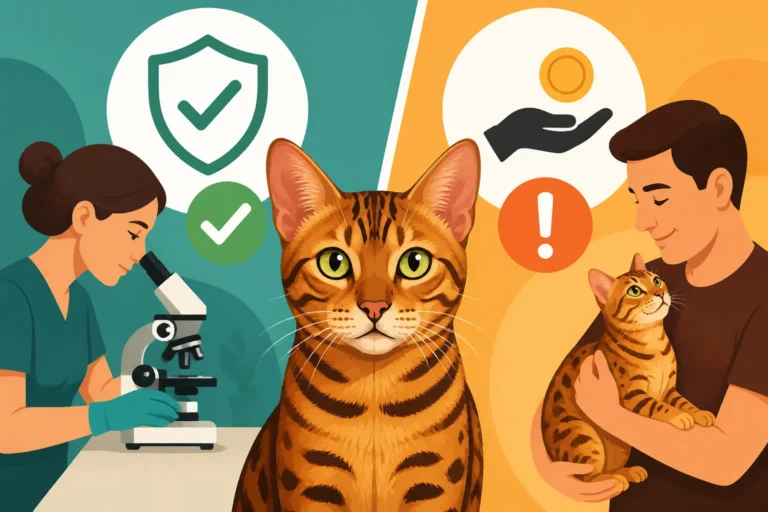
Many jurisdictions that issue permits for early generation Bengal cats also require proof of specific veterinary care and health certifications. This can mean more than just standard vaccinations. You might need to provide a recent health certificate from a veterinarian, confirming your cat is healthy, free of parasites, and appropriately vaccinated. For some permits, there may even be requirements for specific tests that go beyond routine wellness checks.
The challenge here is finding a veterinarian experienced with early generation Bengals or exotic cats, as not all clinics are equipped or comfortable treating them. Specialized vets often have higher fees due to their expertise and equipment. For example, some permits might require confirmation that the cat has been tested for common Bengal-specific genetic conditions, adding to the expense. Understanding What a Bengal Cat Breeder Should Have Tested gives insight into some of these necessary health screenings, which you may need to prove for your permit.
Insurance Premiums and Liability Coverage
Owning an early generation Bengal cat, due to its wild lineage, can significantly impact your homeowner's or renter's insurance. Many standard policies might have exclusions for "exotic" or "hybrid" animals, or they might charge substantially higher premiums to cover the increased liability risk. This isn't just about covering potential vet bills; it's about protecting yourself if your cat were to cause damage or injury.
While specific coverage can vary, it's crucial to openly discuss your intent to own an early generation Bengal with your insurance provider. You might need to seek out a specialized exotic animal insurance policy, which often comes with a heftier price tag than standard pet insurance. For general pet health concerns, many owners consider comprehensive plans from providers like Healthy Paws, but for liability specifically tied to a hybrid animal, you'll need to confirm what is and isn't covered. This extra layer of financial protection, though indirect, is often a necessary component of responsible and permit-compliant ownership.
Legal Consultation and Documentation Preparation
For those living in areas with particularly complex or ambiguous animal ordinances, the thought of navigating the permit application alone can be daunting. In such cases, some prospective owners choose to consult an attorney specializing in animal law. This ensures they fully understand the regulations, can properly prepare their application, and avoid any costly missteps. Legal fees, while not always necessary, can add a substantial sum to the overall cost of acquiring a permit.
Beyond legal advice, the process of gathering all required documentation can also incur minor expenses. You might need certified copies of pedigrees, veterinary records, proof of microchipping, or detailed blueprints of your enclosure. While these individual costs are usually small, they add up, and the time investment in compiling everything correctly should not be underestimated.
Planning and Budgeting for an Early Generation Bengal
Bringing an early generation Bengal into your home is a profound commitment, both emotionally and financially. Understanding the true scope of the costs, especially those related to permits, is vital for a smooth and responsible ownership journey.
Researching Local Ordinances Beforehand
I cannot stress this enough: do your homework before you do anything else. Before you even begin looking at breeders or dreaming of a particular F1 or F2 kitten, dedicate significant time to researching the specific laws and ordinances in your exact location. This means checking state laws, county regulations, and city codes. Don't assume anything, and don't rely solely on what a breeder tells you, as laws can change, and breeders might not be aware of hyper-local restrictions.
A simple phone call to your local animal control or county clerk's office can save you immense heartache and thousands of dollars. Ask explicit questions about hybrid cat classifications and permit requirements. This proactive approach helps you understand How to Check Your State's Bengal Cat Law and prevents the devastating scenario of falling in love with a cat you legally cannot keep. Remember, What Happens If You Move With an Illegal Bengal Cat can be a nightmare scenario involving confiscation and fines.
Creating a Comprehensive Budget
Once you have a clear picture of the permit requirements, it's time to build a robust and honest budget. This isn't just about the purchase price of the kitten and the initial permit application fee. You need to factor in all the associated costs we've discussed. This includes:
- Initial Permit Fee: The direct cost of the application.
- Home Modifications: Any necessary upgrades to your property, such as building a secure catio or reinforcing indoor spaces, to pass inspection.
- Annual Renewal Fees: The recurring cost of keeping your permit active.
- Specialized Vet Care: Costs for exotic animal vets and any required health certifications or specific genetic tests beyond what a typical cat owner might consider.
- Increased Insurance: Higher premiums for liability coverage that includes exotic or hybrid animals.
- Emergency Fund: A buffer for unexpected events, which are always a possibility with any pet, let alone one with special needs.
Don't forget the everyday costs of owning a high-energy cat, from premium food (many Bengal owners invest in high-quality nutrition, from specialized dry kibbles to fresh-food services) to durable enrichment toys. An early generation Bengal is not a pet for a tight or unexpected budget.
| Cost Category | Description | Variability |
|---|---|---|
| Permit Application Fee | Initial fee to submit the permit request. | High |
| Home Inspection Fee | Cost for an official to assess your property for compliance. | Medium |
| Annual/Renewal Fee | Recurring charges to keep the permit valid. | Medium |
| Enclosure Construction | Building or modifying catios, secure rooms, double-door entries. | Very High |
| Veterinary Certifications | Specific health checks, vaccinations, or vet visits required by permit. | Medium |
| Specialized Insurance | Higher liability premiums or exotic animal insurance policies. | High |
| Legal Consultation | Fees for an attorney specializing in animal law (if needed). | High |
| Documentation Costs | Photocopies, certified records, postage. | Low |
The Long-Term Financial Commitment
Ultimately, owning an early generation Bengal cat is a multi-year, significant financial commitment. These magnificent creatures can live for many years, often How Long a Bengal Cat Lives on Average into their teens, meaning those annual permit renewals and ongoing specialized care costs will accumulate. The initial permit cost, while potentially substantial, is just one piece of a much larger, continuous financial picture.
This breed demands not just financial resources but also a significant investment of your time, energy, and love. Before you embark on this journey, ensure you are fully prepared for the long-term responsibilities, both in terms of care and the financial implications of legal compliance. Considering What a Bengal Cat Costs Over Its Lifetime really puts these initial permit costs into perspective as part of a much greater, yet incredibly rewarding, adventure.
Disclaimer
This article is for general informational purposes only and does not constitute professional advice. Laws, prices and regulations vary by location and change over time. Consult a qualified professional for guidance on your specific situation.