What a Blue Bengal Cat Costs
Falling in love with the striking, slate-blue coat of a rare Bengal cat is easy, but navigating the real-world expenses can quickly feel overwhelming. Price tags swing dramatically based on coat genetics, breeder reputation, and specialized care requirements. This guide breaks down every financial layer—from purchase prices and initial supplies to monthly nutrition and lifetime health care—so you can budget confidently for your new feline companion.
Understanding the Price Tag of a Blue Bengal Cat
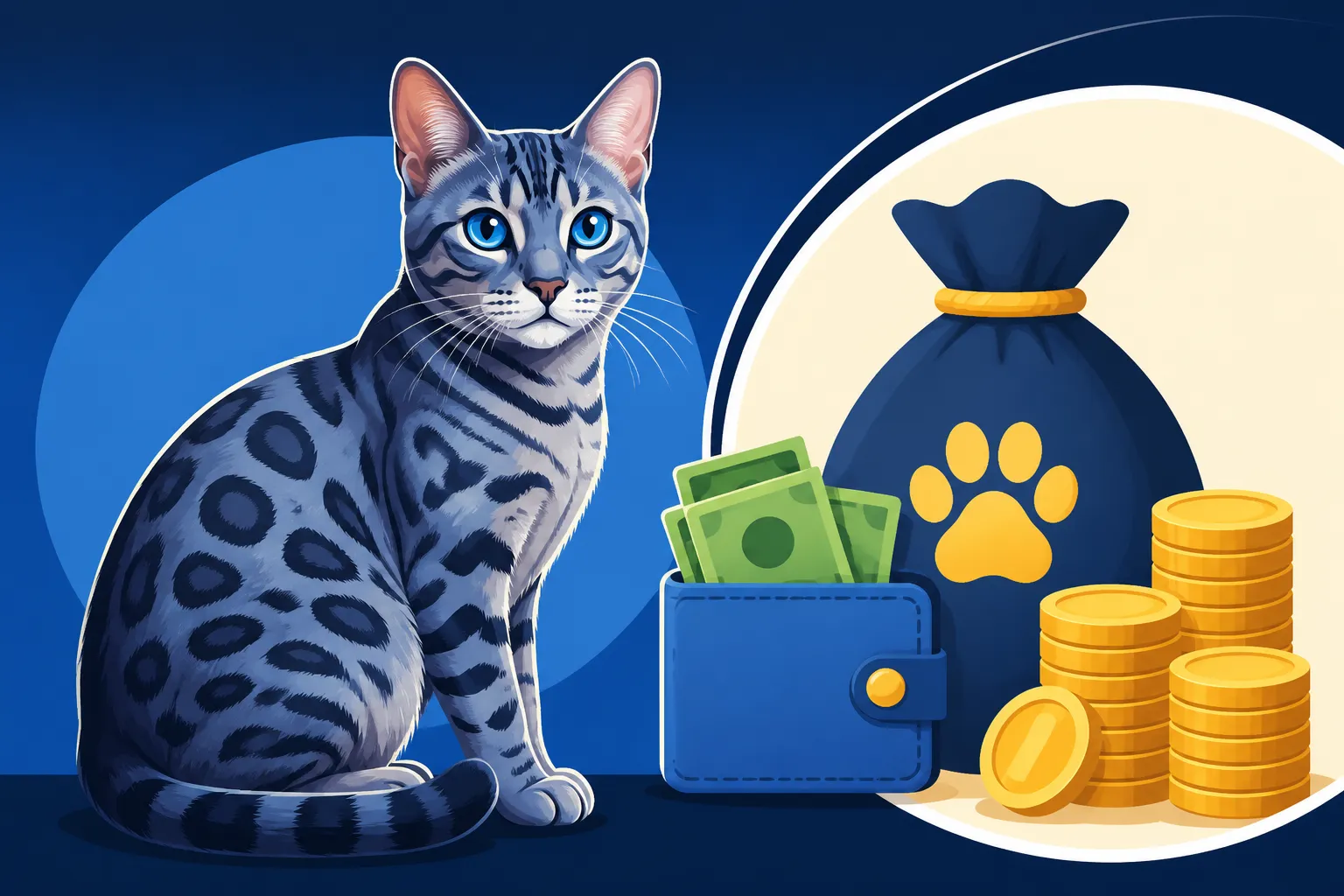
Adding a blue Bengal to your family involves more than just a typical adoption fee. The blue coat variation is one of the most intriguing and rare traits in the breed, created by a double recessive gene that turns standard black pigment into a shimmering, muted steel-grey. Because both parents must carry this diluted gene to produce blue offspring, finding a reputable breeder who produces healthy, well-socialized blue Bengals takes patience, and that scarcity is reflected directly in the initial price.
When you start browsing breeders, you will notice that prices vary depending on the cat’s lineage, physical conformation, and whether the kitten is sold as a companion pet, a show candidate, or with breeding rights. Understanding these pricing tiers helps ensure you pay a fair price without falling for backyard breeding traps.
The Rarity and Genetics Behind the Blue Coat
The blue coat color is non-standard in some traditional circles, but it has gained immense popularity among enthusiasts who love exotic aesthetics. Unlike standard brown rosetted Bengals, blue Bengals display a soft grey ground color with darker slate or charcoal-blue spots or marble swirls. Because it requires two copies of the dilute gene, breeders cannot simply cross two standard Bengals and expect a litter full of blue kittens unless both parents carry the hidden trait.
This genetic lottery means litters containing blue kittens are fewer and farther between. Breeders invest significant capital into genetic testing to verify coat traits and screen out inherited health conditions. When researching breeders, expect to see the genetic investment passed along in the total kitten cost. If you are curious about how pattern and color influence overall pricing across the breed, exploring What a Rosetted Bengal Cat Costs or Which Bengal Cat Patterns Cost the Most will give you a clear sense of where the blue coat sits on the cost spectrum.
Price Breakdown for Pet, Breeder, and Show Quality
Not all blue Bengals carry the same price point. Breeders classify their litters into three main categories, each reflecting a different investment level:
- Pet Quality: These kittens are sold strictly as companion animals and usually come with a mandatory spay/neuter contract. They may have minor cosmetic departures from the official TICA breed standard—such as slightly uneven rosetting or a softer contrast—but they are 100% healthy, energetic Bengals. Companion blue Bengals generally form the base price range for this coat color.
- Show Quality: Show-prospect kittens feature exceptional contrast, crisp slate-blue rosettes, symmetrical markings, and ideal head and body structure. Because they represent the top tier of the breeder’s output, show-quality blue Bengals command a premium price.
- Breeding Quality: Breeders selling a kitten with full active registration rights charge the highest rates. These cats are intended to pass on their dilute genes to future generations. Responsible breeders rarely sell breeding-quality cats to inexperienced owners, requiring proof of mentorship and strict cattery standards.
To avoid unexpected surprises, always ask breeders what their fee includes. Top-tier breeders usually bundle microchipping, initial vaccinations, spay/neuter surgery, and registration paperwork directly into the purchase price.
Upfront Costs and Initial Supplies for Your Blue Bengal
The purchase price of the kitten is only the first step in your budget. Before your blue Bengal ever steps foot inside your house, you must transform your living area into an interactive, kitten-proof sanctuary. Bengals are notoriously intelligent, athletic, and energetic; cheap, flimsy pet gear simply will not survive their daily parkour sessions.
Investing in high-quality items from the start prevents you from having to replace destroyed gear every few months. Budgeting several hundred dollars for initial supplies ensures a smooth, stress-free transition for both you and your kitten.
Essential Gear and Habitat Setup
When equipping your home, focus on heavy-duty vertical storage and mental stimulation. Bengal cats possess incredible jumping power and need high perches to feel secure and exercised. A lightweight cardboard scratcher will be shredded in days, so you will want to invest in solid wood structures wrapped in thick sisal rope. Buying a sturdy platform like What a Tall Cat Tree for a Bengal Cat Costs allows your cat to climb safely without tipping the structure over during wild play sessions.
Indoors, you will also need heavy-duty litter boxes. Bengals are enthusiastic diggers that will happily fling litter across the room if given a shallow box. High-sided or extra-large covered litter pans are essential. You can easily order heavy-duty boxes, scratchers, and sturdy carrier bags online through platforms like Chewy to have everything delivered directly to your doorstep before your kitten arrives.
Initial Health Checks, Vaccines, and DNA Testing
Even if your breeder provides initial core vaccines, your kitten will need an introductory visit with your local veterinarian within 42 to 72 hours of coming home. This initial baseline examination confirms that your kitten is free of parasites, respiratory issues, or heart murmurs.
During this first year, factor in the cost of booster shots, rabies vaccination, fecal parasite panels, and preventative flea and tick medication. Many proactive owners also choose to run an independent genetic panel through their vet to check for underlying health markers. Reviewing What a Bengal Cat’s DNA Panel Costs helps you understand what screening for conditions like PRA-b or PK Deficiency looks like from a financial perspective.
| Expense Category | Estimated Upfront Cost | Estimated Monthly / Yearly |
|---|---|---|
| Kitten Purchase Price (Pet Quality) | Premium Tier (Rare Color) | One-time initial cost |
| Vet Exam & Baseline Diagnostics | Moderate | Moderate (Annual checkups) |
| Sturdy Cat Tree & Vertical Perches | Moderate to High | One-time (Replacements 3-5y) |
| Litter Box, Carrier & Basic Gear | Moderate | Low (Occasional replace) |
| Premium High-Protein Diet | Low initial buy | Moderate to High (Monthly) |
| Pet Health Insurance | None initial | Low to Moderate (Monthly) |
Long-Term Maintenance and Recurring Monthly Expenses
Once your blue Bengal is settled into your home, your spending shifts from initial setup fees to recurring monthly upkeep. Bengals burn through energy rapidly compared to typical, low-activity domestic cats. Their metabolic needs require a clean, protein-dense diet that builds lean muscle without adding unnecessary filler carbohydrates.
Monthly maintenance also includes routine supplies like dust-free clumping litter, replacement wand toys, routine dental care, and comprehensive wellness coverage.
High-Protein Diets and Premium Nutrition
Feeding a Bengal requires a deliberate nutritional strategy. Cheap grocery store kibble packed with corn, wheat, and soy fillers often leads to digestive upset, foul-smelling loose stools, and weight gain. Because Bengals descend from wild ancestral lines, their digestive tracts thrive on high-meat, protein-rich wet food, freeze-dried raw meals, or fresh food diets.
Calculating What Feeding a High Protein Bengal Cat Costs a Month reveals that quality nutrition forms a major part of your ongoing care budget. Many owners choose to incorporate fresh, human-grade meal plans to deliver balanced, nutrient-dense meals that maintain coat shine and support digestive health. Complementing wet or fresh foods with quality kibble keeps their teeth clean while satisfying their high daily calorie burn.
Veterinary Care, Health Insurance, and Healthcare Expenses
Bengal cats are generally robust and muscular, but like all purebred felines, they are predisposed to specific genetic health issues. Hypertrophic Cardiomyopathy (HCM), Progressive Retinal Atrophy (PRA-b), and Pyruvate Kinase Deficiency (PK Deficiency) are conditions that require careful veterinary oversight. Routine annual exams, senior bloodwork, and occasional dental cleanings under anesthesia add up over a cat’s lifespan.
Because emergency vet visits for accidental ingestion or sudden illness can quickly run into thousands of dollars, securing a reliable health insurance policy early in your cat’s life is a smart financial move. Providers such as Healthy Paws offer comprehensive accident and illness coverage that protects your savings against unexpected medical emergencies. Checking What Insuring a Bengal Cat Costs a Month and Whether Insurers Load a Bengal Cat’s Premium will help you choose a policy that fits your budget without compromising on care.
Hidden Expenses and How to Budget Smartly
Beyond food and basic vet care, owning a blue Bengal comes with subtle, hidden expenses that catch first-time owners off guard. Their high intelligence means they tire of basic toys quickly, requiring continuous investment in puzzle feeders, interactive wands, and high-energy exercise gear.
Furthermore, if you travel for work or vacation, hiring a pet sitter who understands how to manage a high-energy, vocal breed is significantly more expensive than hiring a neighbor to pop in for five minutes to drop off kibble.
Enrichment Tools and Interactive Gear
Boredom is the absolute enemy of a Bengal cat. A bored Bengal will quickly invent its own entertainment—which often involves peeling wallpaper, opening kitchen cabinets, or shredding your living room sofa. To protect your home furnishings, understanding Why a Bengal Cat Destroys Cheap Cat Furniture will save you money in the long run.
Investing in an exercise wheel is one of the best ways to keep a high-energy blue Bengal physically fulfilled indoors. High-quality exercise wheels represent a moderate upfront expense, but they pay for themselves by channeling your cat’s energy into running rather than destructive household behavior. You can easily stock up on replacement feather wands, laser toys, and interactive puzzle feeders on Chewy to keep their hunting instincts sharp and satisfied.
Comparing Costs Across Bengal Colors and Variations
When setting your budget, it helps to put the cost of a blue Bengal into context alongside other color variations within the breed. Standard brown rosetted Bengals are the most common, meaning their supply is higher and prices are generally more competitive. On the other hand, rare variations—such as charcoal, silver, snow, and blue—tend to sit at the higher end of the price spectrum due to genetic complexity.
Taking time to look at What a Bengal Cat Costs Over Its Lifetime gives you an overarching view of how purchase price, annual veterinary care, high-protein nutrition, and enrichment tools multiply over a 12- to 16-year period. While a blue Bengal represents a noticeable financial commitment up front, planning ahead ensures you enjoy every minute with your striking, affectionate, and athletic companion without financial stress.
Disclaimer
This article is for general informational purposes only and does not constitute professional advice. Laws, prices and regulations vary by location and change over time. Consult a qualified professional for guidance on your specific situation.