How Long a Bengal Cat Waitlist Runs
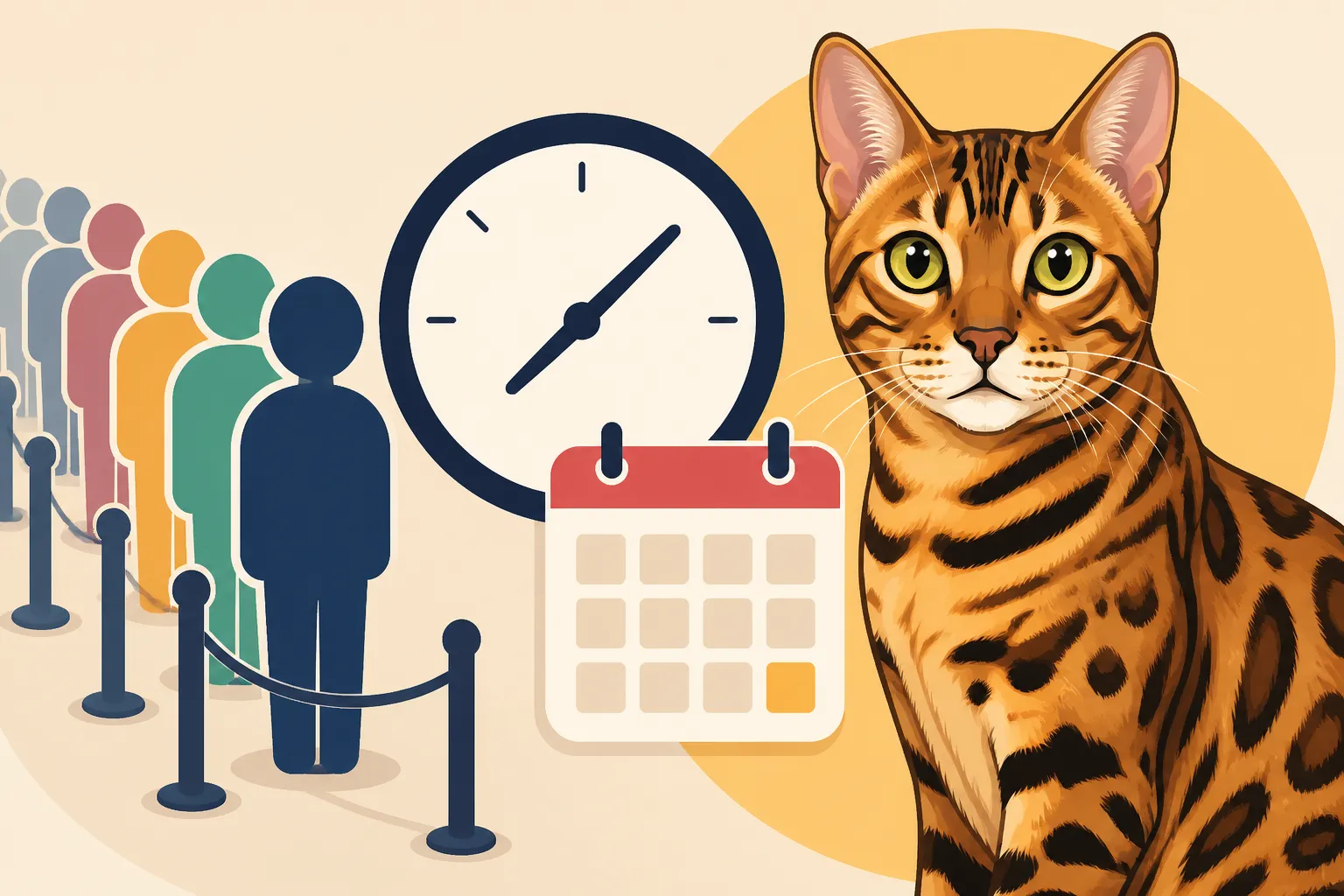
You’ve made the exciting decision to bring a stunning Bengal cat into your life, only to discover a common hurdle: the waitlist. It can be incredibly frustrating to feel like you’re ready for your new family member, but the perfect kitten isn't ready for you. This guide will delve into why Bengal cat waitlists exist, what factors make them longer or shorter, and how you can best navigate the process to bring your dream cat home.
The Realities of Bengal Cat Breeding and Demand
When you're eager to welcome a Bengal into your home, it's easy to overlook the complex world behind ethical breeding. Reputable Bengal cat breeders aren't running kitten factories; they're dedicated to preserving the breed's health, temperament, and stunning aesthetics. This dedication inherently limits the number of kittens available at any given time, leading to the dreaded but necessary waitlist. It's a testament to the breeder's commitment and the breed's enduring popularity.
Why Waitlists Are a Sign of a Good Breeder
Think of a waitlist not as a barrier, but as a quality control indicator. Breeders who consistently have kittens available without any waiting period might be cutting corners. A responsible breeder has a limited number of breeding queens, each with a carefully planned schedule to ensure their health and well-being. They won't overbreed their cats just to meet demand. Furthermore, they invest significant time and resources into each litter, from genetic health testing for conditions like PRA-b Blinds a Bengal Cat by Two and There Is a DNA Test and Pyruvate Kinase Deficiency in a Bengal Cat to early socialization. This meticulous approach means fewer litters, and thus, a longer wait for prospective owners. If a breeder is asking "Which Questions to Ask a Bengal Cat Breeder", they're likely doing their due diligence.
The Popularity Factor: Everyone Wants a Bengal
Let's be honest, Bengal cats are captivating. Their wild appearance, intelligent minds, and active personalities make them highly sought after. This high demand naturally outstrips the supply from responsible breeders. The sheer volume of inquiries for these beautiful cats means that breeders quickly fill their upcoming litters, sometimes even before a queen is pregnant. This is particularly true for specific patterns, colors, or generations, where interest can be overwhelming. The popularity means you’re often competing with many other loving homes for a limited number of kittens.
Key Factors That Influence Bengal Cat Waitlist Length
Several elements combine to determine how long you'll be waiting for your Bengal kitten. Understanding these can help you manage your expectations and even make informed choices that might shorten your wait.
Breeder Reputation and Size
The more established and respected a breeder is, the longer their waitlist is likely to be. Breeders with a long history of producing healthy, well-socialized, and beautiful Bengals often have a stellar reputation within the Bengal community and beyond. People are willing to wait longer for a kitten from a breeder known for exceptional quality and ethical practices. Conversely, smaller, newer breeders might have shorter waitlists as they build their reputation. However, always exercise caution with a breeder who has no waitlist at all, as this can sometimes be a red flag. Always verify their health testing protocols, as detailed in What a Bengal Cat Breeder Should Have Tested.
Breeding Cycles and Litter Sizes
Female Bengal cats, like most felines, have specific breeding cycles. They don't have litters year-round. A healthy queen might only have one or two litters a year, with breaks in between to recuperate. Factors such as a queen's age, overall health, and previous litter history all play a role in how often she is bred. Additionally, How Many Kittens a Bengal Cat Litter Holds can vary significantly. A queen might have a small litter of 2-3 kittens, or a larger one of 5-6. A smaller litter immediately means fewer available kittens to fulfill a long waitlist. These natural biological constraints mean breeders cannot simply increase production on demand.
Desired Characteristics: Color, Pattern, and Generation
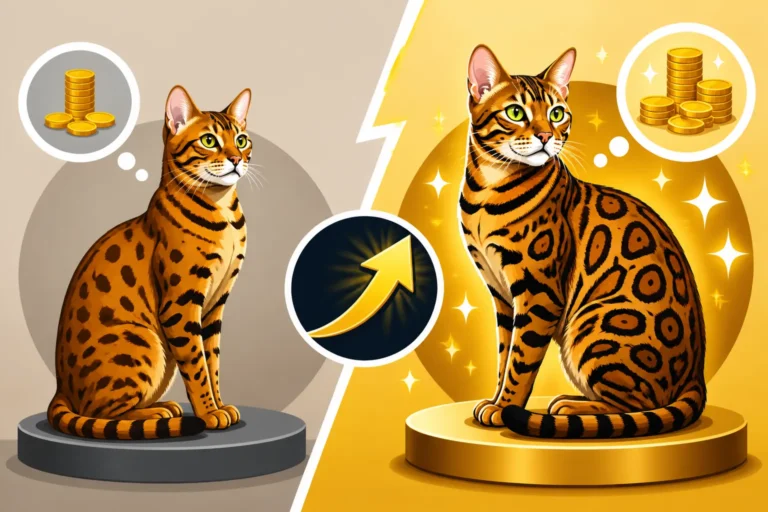
If you have your heart set on a very specific type of Bengal – perhaps a snow Bengal with pronounced rosettes, or an early generation (F1 or F2) – your wait time will almost certainly be longer. Some patterns, like the highly sought-after rosetted patterns (donut, paw-print, arrowhead), are more prized and thus command longer waitlists and often higher prices, as discussed in The F1 to F5 Price Ladder for a Bengal Cat. Similarly, specific rare colors like blue or charcoal can significantly extend your wait. If you are more flexible with your preferences, you might find a kitten sooner.
Consider the following table for how different preferences can impact your wait:
| Factor | Impact on Waitlist Length |
|---|---|
| Reputable Breeder | Generally longer, due to high demand and ethical breeding practices. |
| Specific Color/Pattern | Significantly longer if seeking rare or highly desirable traits (e.g., clear, well-defined donut rosettes, snow, charcoal). |
| Early Generation (F1-F3) | Much longer, due to legality restrictions, temperament, and sterility of males. Often requires special permits. |
| "Pet Quality" | Potentially shorter than "show quality" as kittens with minor cosmetic flaws are still perfect pets. |
| Gender Preference | Can add a few weeks or months if you're set on male or female. |
| Timing (Seasonal) | Can vary; fewer litters in colder months or around holidays might increase wait. |
| Flexibility | Being open to different colors, patterns, or ages can shorten the wait. |
Health Testing and Breeding Pair Selection
Ethical breeders spend considerable time and money on comprehensive health testing for their breeding cats. This includes regular echocardiograms for HCM (HCM Is What Kills Bengal Cats Early), genetic tests for PRA-b and PK deficiency, and fecal tests for common issues like Chronic Diarrhea Is the Bengal Cat Complaint Nobody Warns About. These tests ensure that parents are healthy and won't pass on genetic diseases to their offspring. If a test result requires follow-up, or if a planned pairing falls through due to health concerns, it can delay breeding plans and thus, kitten availability. This rigorous selection process is vital but means fewer breeding pairs and often longer waits for healthy kittens.
Navigating the Bengal Cat Waitlist: What You Can Do
Being on a waitlist doesn't mean you just sit back and do nothing. There are proactive steps you can take to make the most of this period, prepare for your kitten's arrival, and even potentially shorten your wait.
Communicate Clearly with Your Breeder
Open and honest communication is paramount. When you first contact a breeder, be very clear about your preferences: do you want a male or female, specific color or pattern, pet or show quality? Ask about their typical wait times and their process. Some breeders prioritize flexibility, meaning if you're open to any healthy kitten that becomes available, you might get one sooner. Others operate on a strict first-come, first-served basis. Understand their contract and deposit requirements, as these vary widely. Being responsive to the breeder’s communications shows you are a serious and committed prospective owner.
Be Patient and Prepare for Your New Arrival
Patience is truly a virtue when waiting for a Bengal kitten. While it's tempting to get frustrated, remember that the delay is often for the kitten's benefit. Use this time wisely to prepare your home. Benglas are highly active and intelligent cats, so they need a lot of enrichment. Think about How Much Enrichment a Bengal Cat Actually Needs. You can research high-quality food options or explore different types of cat trees and toys to create a stimulating environment. This preparation will make the transition smoother for both you and your new kitten.
You might also use this time to research pet insurance options. Companies like Healthy Paws can offer peace of mind, especially with a breed like the Bengal, known for its activity levels and specific health considerations. Understanding what different plans cover before your kitten arrives can save you stress later.
Consider Flexibility in Your Preferences
As mentioned, having very specific desires for your kitten's appearance can extend your wait significantly. If you're open to different colors (like a brown spotted instead of a snow marbled) or even a kitten with a "pet quality" marking that makes it unsuitable for show but perfectly healthy and beautiful for a companion, you might find a kitten sooner. Sometimes, a breeder will have a kitten who was initially reserved for show but didn't quite meet the stringent show standards, becoming available to a pet home on a shorter notice.
Alternatives to the Traditional Kitten Waitlist
While waiting for a kitten from a reputable breeder is often the best path, there are other avenues to consider if you're struggling with long wait times or are open to an older cat.
Adopting a Retired Breeding Cat
Many ethical breeders will retire their breeding cats after a few litters, typically when they are around 3-5 years old. These cats are usually spayed/neutered, fully socialized, and have been thoroughly health-tested throughout their lives. They are often incredibly affectionate and make wonderful companions. While they won't be tiny kittens, they come with the benefit of having their personality already developed and often being past the most rambunctious kitten stages. This can be a fantastic option for someone who wants a mature Bengal without the long wait.
Bengal Cat Rescues
Unfortunately, due to various reasons, some Bengal cats find themselves in rescue organizations. While less common than purebred rescues for more traditional breeds, Bengal-specific rescues do exist, as do all-breed rescues that occasionally take in Bengals. The wait for a rescue Bengal can be unpredictable – sometimes a suitable cat becomes available quickly, other times it takes months. Adopting from a rescue is incredibly rewarding and gives a loving home to a cat in need. These cats might be adults, or occasionally older kittens, and their history might not always be fully known, but rescue organizations work hard to assess their temperament and health.
Weighing the Pros and Cons of Waitlist Options
It's important to consider what works best for your lifestyle and expectations.
| Option | Pros | Cons |
|---|---|---|
| New Kitten (Waitlist) | You get a kitten from a known lineage, raised by an ethical breeder. You get to witness all stages of development. | Long wait times, can be expensive (What a Bengal Cat Costs to Buy in 2026). |
| Retired Breeding Cat | Often well-socialized, health history known, personality established, no kitten energy. | Not a tiny kitten, may have specific habits from cattery life. |
| Rescue Bengal | Giving a cat a second chance, often lower adoption fees, cats are spayed/neutered. | Unpredictable availability, sometimes unknown history, may require more patience and understanding. |
Ultimately, the length of a Bengal cat waitlist is a reflection of the breed's desirability and the dedication of responsible breeders. While the anticipation can be tough, the wait ensures you're bringing home a healthy, well-adjusted companion who will enrich your life for years to come.
Disclaimer
This article is for general informational purposes only and does not constitute professional advice. Laws, prices and regulations vary by location and change over time. Consult a qualified professional for guidance on your specific situation.