What a Tall Cat Tree for a Bengal Cat Costs
One of the biggest concerns new Bengal cat owners have, after they realize just how much energy these magnificent felines possess, is how to provide enough appropriate vertical space and enrichment without breaking the bank or sacrificing their home's aesthetic. You know your Bengal needs to climb, perch, and survey their domain, but figuring out what a truly suitable "tall" cat tree costs and what you actually get for your money can be a real headache. This guide is here to unravel the mystery of cat tree pricing specifically for your athletic Bengal, helping you understand the factors that drive costs and what to expect from different price points, so you can make an informed decision that keeps your adventurous companion happy and your budget intact.
Why a Bengal Cat Needs a Specialized Cat Tree, Not Just Any Tall One
Let's be real, a Bengal cat isn't just any housecat. These felines are a force of nature, brimming with an energy and agility that demands specific types of enrichment. When we talk about a "tall" cat tree for a Bengal, we're not just thinking about a structure that reaches the ceiling; we're envisioning a robust, multi-level fortress designed to withstand their wild antics and provide the mental and physical stimulation they crave. Ignoring these unique needs can lead to a quickly destroyed, unsafe, or simply unused piece of furniture.
A Bengal’s natural instincts, inherited from their Asian Leopard Cat ancestors, mean they thrive on vertical exploration. They love to climb, jump, and survey their surroundings from a high vantage point. A cheap, flimsy tree simply won't cut it. It won't stand up to their powerful leaps and bounds, their enthusiastic scratching, or their sheer weight as they rocket from one perch to another. You'll quickly find yourself replacing it, or worse, dealing with a dangerous collapse. This is why investing in the right kind of structure from the start is so important for their safety and your peace of mind.
Think about it: your Bengal cat is one of the most active cats you can own. They are constantly in motion, whether it's a frantic game of chase, a stealthy hunt for a dust bunny, or scaling new heights just because they can. This isn't a breed that will be content with a small, carpeted scratch post. They need challenge, stability, and enough variety to keep their clever minds engaged. A well-chosen cat tree is a cornerstone of their environment, a central hub for play, rest, and observation.
What "Tall" Really Means for a Bengal Cat
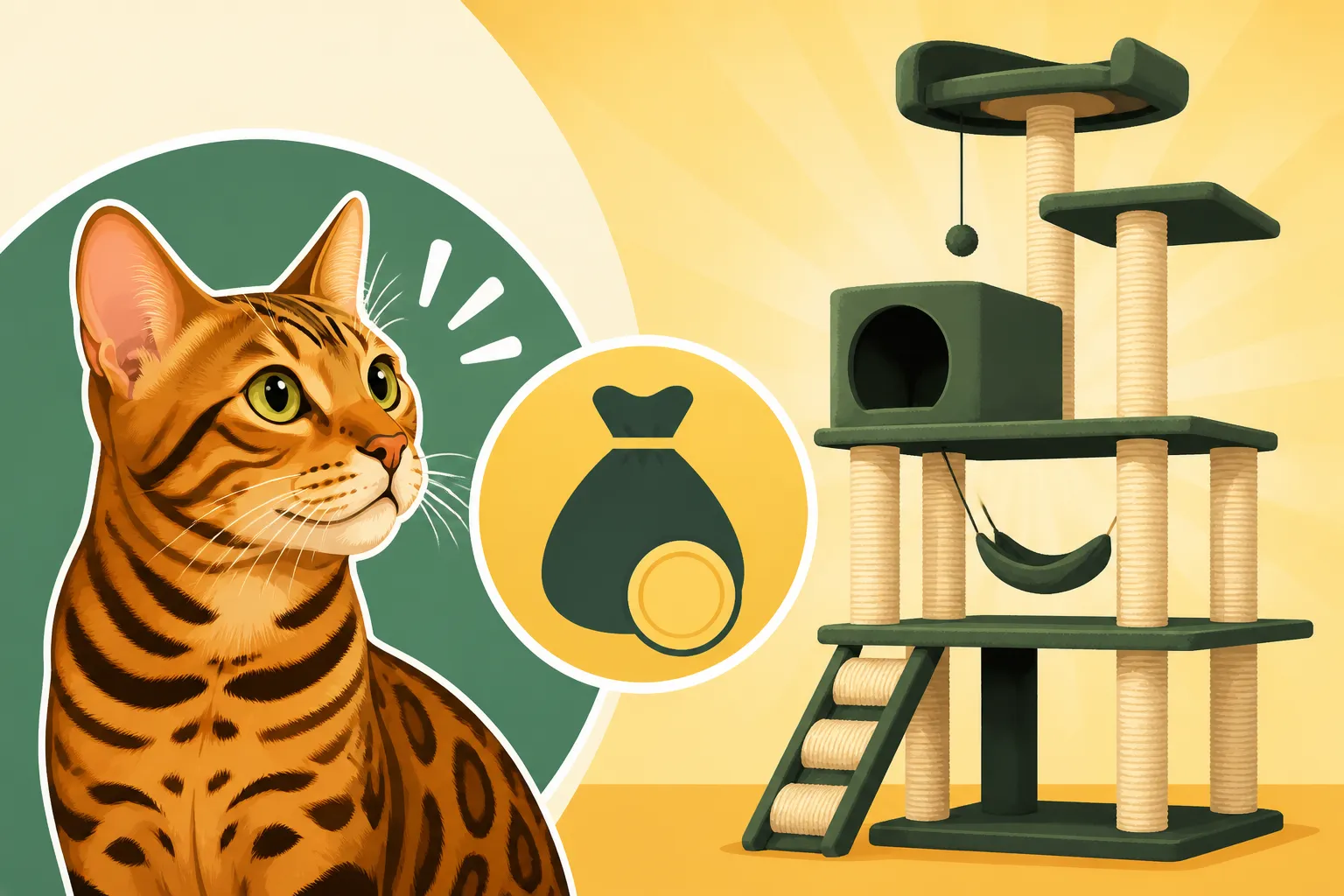
When someone says "tall cat tree," many people picture a standard floor-to-ceiling pole. For a Bengal, "tall" means something far more substantial and intricate. It's not just about reaching the ceiling; it's about providing multiple, sturdy platforms, varied textures for scratching, and secure, high perches where they can truly feel safe and in command of their territory. We're talking about structures that are often over 6 feet, sometimes even 8 feet or more, with broad bases to prevent tipping.
Consider their incredible jumping ability. How High a Bengal Cat Can Jump is truly impressive, and they need a tree that can accommodate these powerful leaps without wobbling or threatening to topple over. A Bengal doesn't gently step from platform to platform; they launch themselves with incredible force. Therefore, each level needs to be firmly attached and capable of supporting their muscular bodies. You're essentially building a mini-gym for an agile athlete, not just a decorative piece of furniture.
Beyond height, the quality of the materials is paramount. Cheap carpet glued to particle board will be shredded in weeks, revealing sharp edges and unstable platforms. What you want are solid wood components, sisal rope wrapped tightly for scratching, and durable, easy-to-clean fabrics or natural wood finishes. These materials not only last longer but also offer a more enriching experience for your Bengal, giving them appropriate surfaces to What a Bored Bengal Cat Destroys rather than your sofa.
The Dangers of a Cheap or Unsuitable Cat Tree
It might be tempting to grab the cheapest "tall" cat tree you see online or at a big box store. After all, they all look similar in the pictures, right? Unfortunately, for a Bengal cat, a cheap tree can be more than just a waste of money – it can be a serious hazard. These cats are powerful, and they will put any structure to the test. A wobbly tree is an accident waiting to happen, potentially leading to injuries like sprains, fractures, or even more severe trauma.
Imagine your Bengal, full of beans, launching themselves from the highest perch, only for the entire structure to sway and then crash. Not only is this terrifying for your cat, but it can also lead to a deep-seated fear of cat trees, making your investment useless. Beyond the immediate danger, cheap materials often shed fibers, break easily, and become unsightly very quickly. Why a Bengal Cat Destroys Cheap Cat Furniture is a question many owners ask themselves after a bad purchase, only to realize the issue wasn't the cat, but the quality of the product.
Furthermore, a tree that doesn't meet their needs can lead to behavioral problems. If your Bengal doesn't have an appropriate outlet for their climbing and scratching instincts, they will find other outlets – likely your curtains, furniture, or door frames. A proper cat tree is not just a luxury; it's a necessary tool for channeling their natural behaviors in a positive and safe way. It contributes significantly to How Much Enrichment a Bengal Cat Actually Needs to live a happy, fulfilled life indoors.
Factors Influencing the Cost of a Bengal-Appropriate Cat Tree
The price tag on a cat tree can vary wildly, from what seems like a steal to an eye-watering sum. For a Bengal cat, you generally need to aim for the higher end of that spectrum, but understanding why certain trees cost more will help you appreciate the value. Several key factors contribute to the overall expense, all of which directly impact durability, safety, and your cat's long-term satisfaction.
The material quality is arguably the most significant cost driver. Trees made from solid wood, like birch or pine, are far more expensive than those constructed from particle board, MDF, or cheap cardboard tubing. Solid wood offers unparalleled stability and longevity, standing up to years of vigorous use. Additionally, the type of covering matters. Durable sisal rope, plush, tightly woven fabric, or even natural wood branches will cost more than thin, loosely stapled carpet.
Size and complexity also play a huge role. A simple, tall post with one or two small platforms will be cheaper than a multi-level structure with multiple scratching surfaces, enclosed condos, hammocks, and integrated toys. For a Bengal, you’re looking for something that provides ample How Much Vertical Space a Bengal Cat Needs and a variety of textures and hideaways. The more elaborate and functional the design, the higher the price.
Material Quality and Construction
This is where the rubber meets the road when it comes to a Bengal cat tree. Forget about the flimsy, carpet-covered particle board towers that wobble with a strong breeze. Those might be okay for a sedate senior housecat, but your Bengal will treat it like a challenge to dismantle. For these athletic felines, you need something built like a fortress. Solid wood posts and platforms are the gold standard. They provide the necessary stability to prevent swaying and tipping, even when your Bengal executes a flying leap.
Consider the scratching surfaces. Bengals love to scratch, and they need strong, durable options. Tightly wound sisal rope, sisal fabric panels, or even untreated wood offer excellent outlets for their natural instincts. Cheaper trees often use low-quality carpet that quickly frays, peels, and offers little resistance, leading your cat to seek out your furniture instead. High-quality materials like thick, dense carpeting (if used at all) or natural wood elements are built to last and keep your Bengal's claws happy. This attention to detail in construction isn't just about aesthetics; it's about safety and long-term functionality.
When you look at a truly well-made cat tree, you'll often see robust hardware, strong bolts, and secure fastenings that are designed to endure. These trees don't rely on flimsy screws or unstable interlocking parts. This superior engineering translates directly into a higher price, but it's an investment in a product that won't need replacing in six months and, more importantly, won't pose a risk to your cat. Remember, your Bengal is a powerful animal, and their climbing equipment needs to match their strength and agility.
Size, Height, and Features
As we've discussed, "tall" for a Bengal cat isn't just a number; it's a philosophy of vertical living. The sheer volume of material required for a truly tall, wide, and multi-featured cat tree contributes significantly to its cost. These aren't just single posts; they are often complex structures with multiple levels, spanning upwards of 6-8 feet. The more platforms, cubbies, hammocks, and integrated toys a tree offers, the higher its price will naturally be.
Bengals thrive on variety. A tree with different levels, some enclosed spaces for napping, and open perches for observation offers more enrichment. Look for features like multiple scratching surfaces at different angles, dangling toys securely attached (not just flimsy strings), and platforms large enough for your Bengal to comfortably stretch out on. Some premium trees even include features like removable, washable cushions, built-in feeding stations, or modular designs that allow you to customize and expand over time.
Think about the overall footprint, too. A cat tree designed for a Bengal often has a larger, heavier base to ensure stability. This means more materials, more shipping weight, and ultimately, a higher price. It’s also crucial that the perches themselves are large and secure enough for an active, muscular Bengal to land on and launch from. Small, unstable perches are useless and potentially dangerous. The best trees are designed with the cat's physics in mind, offering a secure and expansive climbing experience. Which Cat Tree a Bengal Cat Needs isn't just about height; it's about the full suite of features that cater to their unique needs.
Brand Reputation and Craftsmanship
Just like with anything else, the brand behind a cat tree can influence its price. Established brands known for quality, safety, and durability often command higher prices, and for good reason. These companies typically invest more in research and development, use higher-grade materials, and employ better manufacturing processes. They also often offer better customer support and warranties, giving you peace of mind with your purchase.
A company with a strong reputation, especially one that specializes in high-quality pet furniture, is more likely to use non-toxic materials, ensure rigorous safety testing, and design products with a deep understanding of feline behavior. This craftsmanship isn't just about how pretty the tree looks; it's about the details that ensure stability, longevity, and your cat's safety. For instance, a brand might use superior grade sisal rope that doesn't unravel easily or employ solid wood instead of plywood, which significantly increases the product's lifespan and structural integrity.
While you might find a seemingly good deal from an unknown brand, there's a higher risk of receiving a product that falls apart quickly, is unstable, or uses questionable materials. For a Bengal, whose power and agility will truly test any structure, a reputable brand offers a level of assurance that is often worth the extra cost. It's an investment in quality that ultimately saves you money by preventing frequent replacements and potentially costly vet bills if a cheap tree fails.
Breaking Down the Price Tiers: What Your Money Buys
Understanding the price tiers for cat trees, especially for a demanding breed like the Bengal, helps set realistic expectations. You'll find options ranging from surprisingly inexpensive to genuinely luxurious, and each tier comes with a different set of compromises and benefits. For a Bengal owner, it's about finding the sweet spot where quality meets affordability, knowing that skimping too much can lead to disappointment and even danger.
Generally, you can categorize cat trees into three main tiers: entry-level, mid-range, and premium/luxury. The materials, construction, size, and features will vary dramatically across these tiers, directly impacting their suitability for a Bengal. Remember, while a lower price might be attractive, the true cost is often revealed in how quickly it needs to be replaced or repaired.
It’s about balancing your budget with your Bengal’s needs. A truly effective cat tree is not just a place for them to sleep; it’s a vital piece of their environment, an active gym, and a secure lookout. Choosing wisely at the outset will pay dividends in their happiness and your wallet over the long run.
Entry-Level (Typically Lower Price Point)
At the entry-level, you're usually looking at cat trees that are more suitable for smaller, less active cats, or perhaps as a temporary solution. These trees are typically made from lightweight particle board or cardboard tubes, covered with thin, loosely stapled carpet. The posts are often wrapped in low-grade sisal that quickly frays, and the platforms tend to be small and less stable. While they might look tall in photos, their stability is often compromised by a narrow base and lightweight construction.
For a Bengal cat, an entry-level tree is almost always a false economy. They will likely tear through the carpet, unravel the sisal, and cause the structure to wobble alarmingly within a matter of weeks or months. Not only does this mean you'll have to replace it quickly, but the instability also poses a significant safety risk. Imagine your muscular Bengal launching themselves onto a perch, only for the whole thing to sway precariously. It's not a fun scenario, and it can lead to injury or your cat simply refusing to use it.
You might find these trees widely available on large online marketplaces or in discount pet stores. While the initial purchase price seems appealing, the lack of durability and stability means it won't provide the long-term value or safety your Bengal needs. If your budget is extremely tight, it might be better to save up for a more robust option or explore DIY solutions using sturdier materials, rather than wasting money on something that will quickly become litter for your active feline.
Mid-Range (Moderate Price Point)
The mid-range is often where Bengal cat owners find the best balance between cost and quality. Trees in this category typically feature a sturdier construction, often using a combination of solid wood posts and higher-density particle board for platforms. The scratching surfaces are usually better quality sisal rope or fabric, and the overall design incorporates more stability features like wider bases or wall attachments. You’ll also start seeing more complex designs with multiple levels, cubbies, and larger perches.
These trees are designed to withstand more vigorous play and climbing. They offer a better return on investment because they last longer and provide a safer environment for your energetic Bengal. While they might still use some carpet, it's generally a more durable, tightly woven variety, and the structural components are more robust. You'll often find a good selection of these on reputable pet supply sites like Chewy, where customer reviews can help guide your choice. Brands specializing in moderately priced, durable pet furniture are usually found here.
A mid-range tree often hits the sweet spot for a growing Bengal kitten or an adult cat. It provides enough vertical space, stability, and scratching opportunities without demanding the top-tier investment. While it might not have all the bells and whistles of a luxury model, it gets the job done safely and effectively for several years. You'll want to carefully read product descriptions and look for indications of solid construction and durable materials when shopping in this tier.
Premium and Luxury (Higher Price Point)
When you move into the premium and luxury tiers, you're looking at cat trees that are built to last a lifetime. These are often handcrafted from solid hardwoods, feature exquisite design, and use the highest quality materials like natural wood branches, thick sisal rope, and ultra-plush, dense fabrics. Stability is paramount, with many designs offering ceiling tension mounts or heavy, expansive bases. These trees are often designed to be beautiful pieces of furniture that integrate seamlessly into your home.
Think of these as the ultimate indoor adventure parks for your Bengal. They provide incredible vertical height, multiple spacious platforms, hideaways, and often innovative features like built-in ledges, ramps, or even custom configurations. The craftsmanship is evident in every detail, from the seamless joinery to the durable finishes. Some luxury trees are even modular, allowing you to add components or reconfigure them as your cat's needs or your living space changes.
While the upfront cost for a premium or luxury cat tree is significant, the long-term value can be immense. These trees rarely need replacing, stand up to even the most energetic Bengal, and provide a consistently safe and engaging environment. They are an investment in your cat's well-being and a testament to your commitment to providing the best. If you're planning for Fifteen Years of a Bengal Cat, Priced Out, then a tree that lasts for a decade or more can actually be a very cost-effective choice compared to repeatedly buying and replacing cheaper models.
Beyond the Purchase Price: Hidden Costs and Long-Term Value
When budgeting for a Bengal cat tree, it's easy to focus solely on the sticker price. However, savvy pet parents know that the initial cost is only part of the equation. There are often hidden costs associated with cheaper options and significant long-term value derived from investing in quality. Thinking about the total cost of ownership, rather than just the immediate expense, is crucial for a breed as active and powerful as the Bengal.
Considering the longevity, safety, and potential impact on your home, a higher upfront investment can often save you money and headaches in the long run. From replacement costs to potential vet bills, overlooking these factors can quickly turn a "bargain" into a regret. It’s all part of understanding What a Bengal Cat Costs Over Its Lifetime.
Replacement and Repair Costs
A major hidden cost of cheaper cat trees is the need for frequent replacement or repair. As we've discussed, a Bengal cat will put any structure through its paces. A poorly constructed, entry-level tree might only last a few months before it starts to wobble, shed carpet, or have its sisal posts completely unraveled. If you end up buying three or four cheaper trees over a few years, you've likely spent more than if you had just invested in one high-quality, durable model from the start.
Beyond full replacement, even mid-range trees might require some repairs over time. Sisal rope, while durable, can eventually wear down under the constant assault of Bengal claws. Some manufacturers offer replacement parts like sisal posts or platforms, but these add to the overall cost. With premium trees, the need for repair is far less frequent, and if parts are needed, they are usually designed to be easily replaceable, further extending the life of the product.
This constant cycle of buying, assembling, and disposing of cheap, worn-out cat trees is not only frustrating for you but also environmentally impactful. Investing in a durable tree means less waste and less hassle for you. It's a prime example of how spending more initially can actually save you money and time over the years, especially when dealing with a cat that truly Why a Bengal Cat Destroys Cheap Cat Furniture.
Safety and Veterinary Expenses
This is perhaps the most critical "hidden cost" to consider. A flimsy or unstable cat tree poses a genuine risk of injury to your Bengal. A collapse or a fall from a wobbly perch can lead to sprains, fractures, concussions, or even internal injuries. Veterinary bills for such incidents can quickly escalate, easily dwarfing the difference in price between a cheap tree and a sturdy one. Even with good pet insurance, like a plan from Healthy Paws, preventing accidents is always the best approach for both your cat's well-being and your wallet.
Beyond acute injuries, a poorly designed tree that doesn't provide adequate grip or stable landing spots can contribute to long-term joint stress, especially in a cat known for its powerful jumps. While Bengals are incredibly agile, repetitive stress from unstable surfaces isn't ideal for their joints. Investing in a tree with wide, stable platforms and appropriate traction can help safeguard their physical health over the years.
Think of a durable, well-constructed cat tree as a preventative health measure. It reduces the risk of accidents and provides a safe environment for your cat to exercise and express their natural behaviors. This peace of mind, knowing your Bengal is safe while enjoying their vertical kingdom, is invaluable. This is why many experienced Bengal owners will tell you that a quality cat tree is not an extravagance but a necessity.
Impact on Home Furniture
If your Bengal doesn't have an appropriate and satisfying place to climb, scratch, and perch, where do you think they'll go? Your sofa, your curtains, your bookshelves, and your countertops become fair game. This can lead to significant damage to your home furniture, incurring costs far beyond what a premium cat tree would have set you back. Replacing a shredded couch or repairing damaged woodwork is often much more expensive than the initial investment in a proper cat tree.
Bengals have a strong instinct to climb and scratch, and if their designated equipment doesn't meet their needs for height, stability, and scratching satisfaction, they will seek alternatives. A well-designed cat tree offers a compelling alternative, drawing their attention and energy away from your beloved possessions. It’s a proactive measure to protect your home.
Consider the ongoing cost of furniture repair or replacement, coupled with the frustration of constantly trying to deter your cat from scratching inappropriate surfaces. By providing an irresistible cat tree, you're not just buying a piece of pet furniture; you're investing in harmony within your home and protecting your belongings from an energetic and determined feline. It's similar to how you invest in high-quality food to keep them healthy – you invest in their environment to keep them, and your home, happy.
Making the Investment Worthwhile: Tips for Choosing and Maintaining
Choosing the right tall cat tree for your Bengal is a significant decision, and once you've made that investment, you want to ensure it stands the test of time and continues to provide maximum benefit to your energetic feline. It's not just about the initial purchase; it's about setting it up correctly, encouraging use, and performing routine maintenance to ensure longevity and safety.
A Bengal cat needs a stimulating environment, and their cat tree is a huge part of that. With proper selection and care, your cat tree can be a central feature of their daily routine, providing endless opportunities for climbing, playing, and resting. These tips will help you maximize the value of your chosen tree.
What to Look for in a Bengal-Specific Cat Tree
When you're out there shopping, keep your Bengal's unique needs firmly in mind. First and foremost, stability is king. Look for a heavy, wide base or a design that incorporates ceiling tension rods for added security. If it wobbles when you give it a gentle push, it won't stand a chance against a launching Bengal. Solid wood construction, particularly for the core posts, is a huge plus.
Next, consider the materials and scratching surfaces. Sisal rope, tightly wound and covering ample surface area, is ideal. Sisal fabric panels are also great. Ensure there are multiple scratching opportunities at different heights. The perches and platforms should be spacious enough for your Bengal to comfortably lie down and stretch out, not just stand. They should also be well-secured and able to support their weight. What a Muscular Bengal Cat Should Weigh gives you an idea of the load they'll put on the tree.
Think about enrichment features. Are there cubbies for hiding, hammocks for lounging, or multiple levels for climbing? A variety of textures and heights keeps things interesting. Lastly, consider cleanliness. Can the fabric covers be easily spot cleaned or even removed for washing? This is a practical consideration for any cat owner, but especially with an active Bengal who loves to get into everything. Many excellent options can be found on large pet supply retailers like Chewy, offering detailed descriptions and customer reviews to help you make your choice.
Proper Placement and Introduction
Once you've chosen your magnificent Bengal cat tree, where you put it matters almost as much as the tree itself. Placement can significantly impact whether your Bengal uses it as intended or largely ignores it. Ideally, place the cat tree in a high-traffic area of your home, but not directly in the middle of a walkway. Bengals are social and love to be part of the action, even if it's from a high perch. A spot near a window is often perfect, offering stimulation from birds or squirrels outside, fulfilling their natural hunting instincts.
Also, consider placing it near something they already like to climb or scratch, to draw their attention to the new, appropriate surface. If they love scaling your bookcase, put the tree nearby. Once it's assembled and in place, the introduction is key. Don't just expect them to immediately jump on it. Encourage them with treats, toys, and praise. Lead them up the levels with a wand toy, or sprinkle some catnip on the perches. This positive reinforcement helps them associate the tree with good things. How a Bengal Cat Learns From Watching You means they'll pick up on your enthusiasm too!
Ensure the tree is stable and secure from day one. If any part feels wobbly, reinforce it. A bad first experience with instability can deter your Bengal from using the tree again. Make it the most exciting and comfortable spot in the house, and your Bengal will quickly make it their own personal skyscraper.
Maintenance for Longevity
Even the best cat tree needs a little love to last. Regular maintenance will extend its life and ensure it remains a safe and attractive spot for your Bengal. Start with routine cleaning. Vacuum the platforms and cubbies regularly to remove shedding fur and dander. If there are removable covers, wash them according to the manufacturer's instructions. For sisal posts, a stiff brush can help remove trapped fur and maintain the texture.
Periodically check all connections and bolts to ensure they are tight. Over time, with all the jumping and climbing, parts can loosen. A quick tightening with a screwdriver can prevent wobbling and maintain stability. Inspect the sisal rope for excessive fraying; while some wear is normal, if large sections are unraveling, consider whether replacement posts are available from the manufacturer.
If any part of the tree becomes damaged, address it promptly. A broken platform or a sharp edge can quickly become a hazard. Many quality manufacturers offer replacement parts, which is another reason to invest in a reputable brand. By keeping the tree clean, stable, and in good repair, you ensure your Bengal continues to enjoy their vertical playground for many years to come, truly getting the most out of your investment. It’s an essential part of Caring for a Bengal Cat Past Ten years, making sure their environment adapts with them.
Disclaimer
This article is for general informational purposes only and does not constitute professional advice. Laws, prices and regulations vary by location and change over time. Consult a qualified professional for guidance on your specific situation.