Whether a Bengal Cat Can Be Toilet Trained
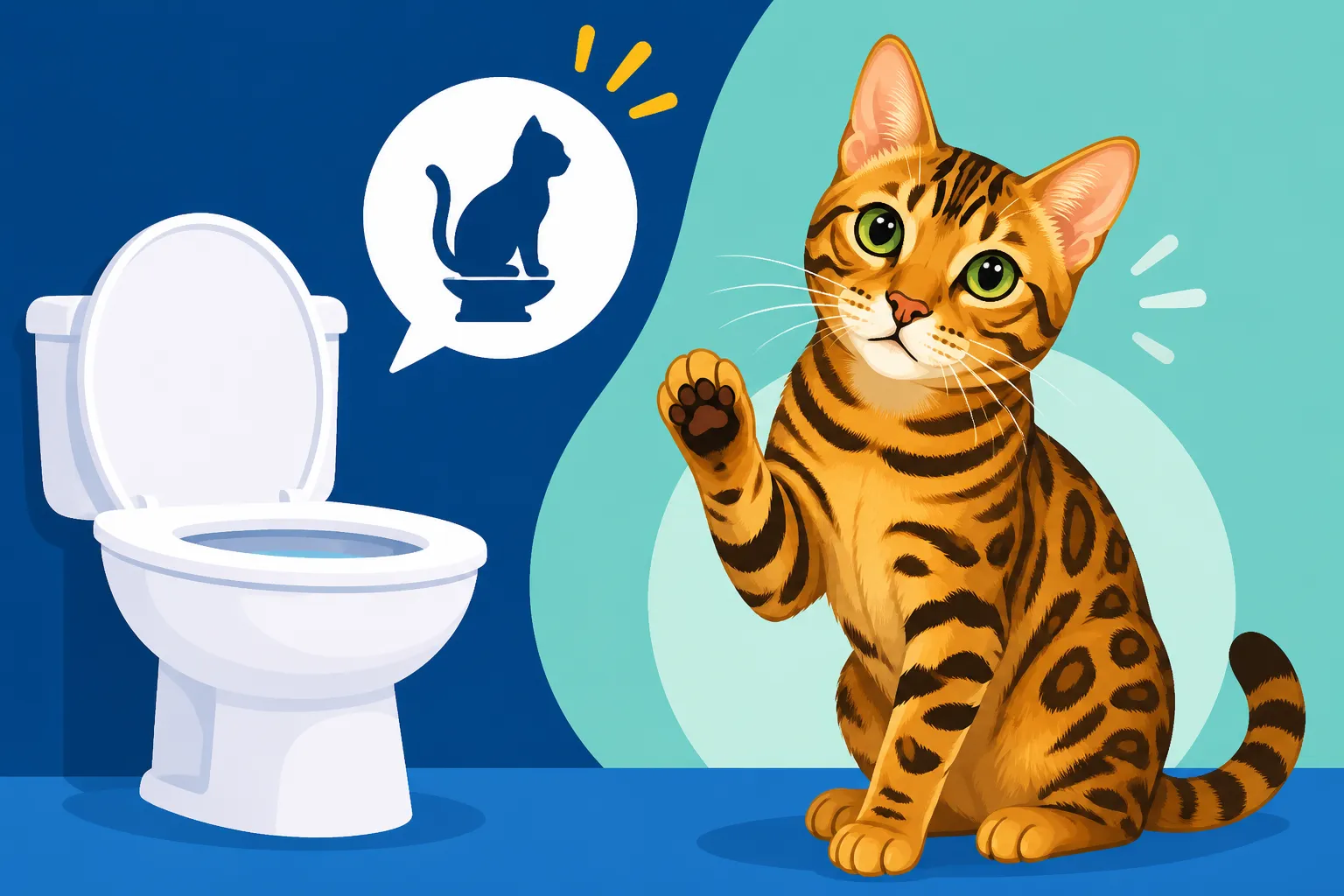
The idea of a litter box-free home is incredibly appealing, especially when you have a brilliant, active Bengal cat. Many of us dream of waving goodbye to the endless scooping, the tracked litter granules, and that subtle (or not-so-subtle) scent that can sometimes permeate a home. You’ve heard tales of cats, perhaps even Bengals, who use the toilet just like humans, and you wonder if your clever companion could join their ranks. This guide will dive deep into whether toilet training is a realistic goal for a Bengal cat, exploring the methods, the extensive commitment it requires, and crucially, the potential pitfalls and alternatives you absolutely need to consider.
The Allure of a Litter-Free Home with Your Clever Bengal
It's easy to see why the concept of a toilet-trained cat captures the imagination. Bengals, with their striking looks and undeniable intelligence, often seem like they could master anything we put their minds to. This inherent cleverness is often the first thing people consider when pondering such an advanced training feat.
Understanding the Bengal Cat's Intelligence and Adaptability
Bengal cats are not your average housecats. They are notoriously intelligent, inquisitive, and highly active creatures, often described as having a canine-like personality. They thrive on mental stimulation and enjoy learning new things, which is why many owners successfully teach them tricks like fetching, sitting, or even walking on a leash. Their problem-solving skills are legendary; they’ll figure out how to open cabinets, turn on faucets, and navigate complex puzzle toys with remarkable ease. This sharp mind and inherent curiosity make them seem like prime candidates for something as complex as toilet training. They observe, they learn, and they can be incredibly adaptable when properly motivated. You might find them watching your every move, trying to understand how things work. This keen observation is a double-edged sword: it means they can learn by watching you, but it also means they need constant engagement. If you're curious about their mental prowess, you might enjoy reading about How Intelligent a Bengal Cat Is and How a Bengal Cat Learns From Watching You. They genuinely enjoy the process of engaging with their humans, which forms the bedrock of any successful training endeavor.
The Dream of No Litter Box: Why Owners Consider It
Let's be honest, cleaning a litter box is not anyone's favorite chore. It's messy, it can be smelly, and for an active Bengal, it often means litter tracked far and wide across your floors. The vision of a truly litter-free home—no more scooping, no more buying bags of litter, no more vacuuming up stray granules—is a powerful motivator for many cat owners. The idea of flushing away waste directly, eliminating odors, and freeing up floor space where a litter box once sat, feels like a monumental improvement in home hygiene and convenience. People imagine a bathroom that smells fresh, where the only "cat mess" is a happy, clean feline. For a Bengal owner, this dream is even more pronounced because these cats are known for their energetic digging and sometimes vigorous litter habits. You might find yourself constantly sweeping up around their box, or even finding litter in unexpected places, a testament to their enthusiastic excavation efforts. This common frustration is exactly why the thought of bypassing the litter box entirely is so tempting.
The Reality of Toilet Training a Bengal Cat: Steps and Considerations
So, you're still intrigued? Let's talk about what actually goes into toilet training a Bengal cat. It's not a quick fix or a magical solution; it's a marathon of patience, consistency, and understanding your cat's unique needs.
The Step-by-Step Training Process
Toilet training a cat typically involves a gradual process, often utilizing specialized kits available online (you can find several options on Amazon). It's essentially a multi-stage transition designed to slowly accustom your cat to using the toilet.
First, you start by moving your cat's existing litter box closer and closer to the toilet, eventually placing it directly next to the toilet. The next stage involves raising the litter box onto progressively higher surfaces until it’s at the same height as the toilet seat. Once your cat is comfortable with the height, you introduce a special training seat that fits over your toilet. These seats usually have rings with decreasing amounts of space for litter. You start with a full litter tray that sits inside the training seat. Over weeks or even months, you gradually remove smaller and smaller rings, reducing the amount of litter and increasing the open space, forcing your cat to stand on the toilet seat itself and aim into the water. The final step is removing the training seat entirely, leaving your Bengal to use the bare toilet. This entire journey can take anywhere from a few months to over a year, with many setbacks along the way. Each step requires your cat to be fully comfortable before moving on. Rushing the process almost always guarantees failure and can create serious behavioral issues.
Essential Tools and Patience for Success
Beyond the dedicated training kit, you'll need a specific type of litter. Flushable litters are designed to break down in water and are essential for this process, as you'll be teaching your cat to eliminate directly into the bowl. Non-flushable litters can clog your plumbing, leading to costly repairs. But perhaps the most crucial "tool" you'll need is an almost superhuman amount of patience. This isn't a trick you teach in an afternoon. It requires daily reinforcement, meticulous observation of your cat's habits, and a willingness to clean up accidents without getting frustrated. Positive reinforcement, such as treats and praise, is vital at every successful stage. Punishing accidents will only scare your Bengal, making them associate the toilet or even the bathroom with negative experiences, potentially leading to them eliminating elsewhere in the house out of fear. Consistency from all household members is also non-negotiable; everyone needs to be on board with the training protocol.
Early-Generation Bengals and Their Trainability
When we talk about Bengal cats, it's important to remember their generational differences. An F1, F2, or F3 Bengal (early generation) has a higher percentage of recent Asian Leopard Cat ancestry. These cats often retain more wild instincts and behaviors, which can sometimes make training more challenging, though not impossible. They might be more resistant to artificial environments or have stronger natural digging instincts that conflict with the concept of a water-filled toilet.
Most Bengals kept as pets are SBT (Stud Book Traditional), which are at least four generations removed from their wild ancestor. These later-generation Bengals are generally more domesticated and thus more amenable to house-training, including toilet training, though their strong intelligence and independent streak still mean they demand a committed owner. While an SBT Bengal might be easier to train in general, even they can exhibit behaviors that make toilet training difficult. For instance, their natural instinct to bury their waste is very strong, and the toilet offers no such opportunity. This can be a significant psychological barrier for some cats. If you're looking into training your Bengal for other feats, you might find inspiration in Which Tricks a Bengal Cat Can Learn.
Potential Pitfalls and Health Concerns of Toilet Training
While the idea of a toilet-trained Bengal is enticing, it's crucial to consider the significant downsides and risks involved. This isn't just about whether your cat can do it, but whether it's truly in their best interest and yours.
Behavioral Risks: Stress and Litter Box Aversion
The biggest behavioral risk is inducing stress and anxiety in your Bengal, potentially leading to litter box aversion (or in this case, toilet aversion) and inappropriate elimination elsewhere in your home. Cats are creatures of habit, and their litter box routine is deeply ingrained. Forcing them into an unnatural method can be incredibly stressful. If the process is rushed, or if your cat simply doesn't take to it, they might start urinating or defecating on your carpets, furniture, or in secluded corners of the house. This isn't out of spite, but often a cry for help or a manifestation of stress. Once a cat develops inappropriate elimination habits, it can be incredibly difficult to break, even if you revert to a traditional litter box. The smell can linger, attracting them back to the same "accident" spots, and cleaning them thoroughly is a constant battle. This completely negates the original goal of a cleaner, odor-free home, and can lead to immense frustration for both you and your cat.
Health Risks: Sanitation, Falls, and Digestive Issues
Beyond behavioral problems, there are serious health implications to consider. First, sanitation: cats don't flush. Unless you are home 24/7 to flush immediately after every use, waste can sit in the toilet, creating an unsanitary environment. Cats walk where they eliminate, and then walk through your house, potentially spreading bacteria. This is particularly concerning if you have young children or immunocompromised individuals in the home.
Second, there's the risk of falls. A toilet seat isn't a stable surface, especially for a playful or older Bengal. A slip could lead to injury, or at the very least, a terrifying experience that makes them completely reject the toilet. Imagine a small kitten or a senior cat with less agility trying to balance on a slippery toilet rim.
Third, and perhaps most critically for a Bengal, are digestive and urinary health concerns. Cats naturally squat to eliminate, a posture that is ergonomically correct for their digestive system. Using a toilet requires them to stand, which can be awkward and may lead to straining or holding their waste. This unnatural posture can contribute to constipation, urinary tract infections, or even exacerbate existing gastrointestinal issues. Bengals are already known for having sensitive stomachs and sometimes chronic diarrhea. Forcing an uncomfortable posture could worsen these conditions or create new ones. It’s worth noting that issues like How Common Chronic Diarrhea Is in Bengal Cats and Why a Bengal Cat's Gut Is So Sensitive are already concerns for the breed, making any additional strain on their elimination habits a risky gamble.
The "What If" Scenarios: Travel, Illness, and Aging
Consider the practicalities for the long term. What happens when you travel? A cat sitter might not be comfortable or consistent with your toilet-trained Bengal's routine. If your cat gets sick with diarrhea or vomiting, balancing on a toilet might be impossible, leading to accidents everywhere.
As your Bengal ages, their agility and balance naturally decline. An elderly Bengal might struggle immensely to jump onto the toilet, balance, and maintain the necessary posture. What about joint pain or arthritis, common in senior cats? What if they suffer from a sudden illness that impairs their mobility? Forcing an aging cat to use a toilet could cause pain, falls, and lead to them soiling your home. This could be incredibly distressing for a cat who has spent years mastering this trick, only to find their body betraying them. Thinking ahead to The Age a Bengal Cat Is Considered Senior and their changing needs is vital here.
| Aspect | Toilet Training Pros | Toilet Training Cons |
|---|---|---|
| Convenience | No litter box to scoop, no litter to buy. | Long, arduous training process. |
| Hygiene | Potentially cleaner home, less odor (if flushed). | Cat doesn't flush; waste sits. Spread of bacteria. |
| Space Saving | Frees up space where litter box used to be. | Bathroom always accessible (toilet seat up/down). |
| Behavioral | Mental stimulation for a smart cat. | High risk of stress, anxiety, inappropriate elimination. |
| Health | None inherent. | Unnatural posture, potential for falls, exacerbation of gut/urinary issues. |
| Long-Term | Ideal if everything works perfectly. | Difficult with travel, illness, aging, new household members. |
Practical Alternatives to Toilet Training for Bengal Owners
Given the significant challenges and risks associated with toilet training, many Bengal owners find that optimizing the traditional litter box experience is a far more practical, humane, and less stressful approach for both cat and owner.
Optimizing the Litter Box Experience for Your Bengal
Instead of trying to force an unnatural behavior, focus on making the litter box experience as pleasant and hygienic as possible. Start with size. Bengals are larger, active cats, and they need a generously sized litter box where they can turn around comfortably and dig without feeling cramped. A small box can lead to dissatisfaction and accidents outside the box. Look for extra-large options or even repurpose a large storage tote. You can often find suitable, sturdy options on Amazon. Consider a high-sided litter box to contain the enthusiastic digging and spraying that some Bengals are prone to. A covered box might seem appealing for odor control, but many cats dislike them because they trap odors inside and can feel claustrophobic. If you're struggling with litter being thrown everywhere, as discussed in Why a Bengal Cat Throws Litter Everywhere, a larger, high-sided open box might actually be more effective than a covered one, as it gives them more space to maneuver without feeling enclosed.
The type of litter also matters. Experiment with different textures and scents. Some Bengals prefer a very fine, soft litter, while others might tolerate a coarser one. Unscented litter is almost always preferred by cats, as strong perfumes can be off-putting to their sensitive noses. Scooping at least twice daily is non-negotiable for a Bengal, as they are fastidiously clean. If a box isn't clean enough, they will find another spot. Having multiple litter boxes – ideally one more than the number of cats you have – spread throughout your home can also prevent accidents, especially in multi-story houses. Even if you have just one Bengal, two boxes can make a huge difference, ensuring there's always a clean option available. For more insights on what kind of setup works best, check out Which Litter Box Survives a Bengal Cat.
Enrichment and Mental Stimulation
Remember, your Bengal is brilliant. Channel that intelligence into positive, species-appropriate activities rather than forcing them into unnatural behaviors. A bored Bengal is often a destructive Bengal. Provide ample opportunities for climbing, exploring, and playing. Tall cat trees, wall-mounted shelves, and a secure outdoor enclosure (catio) can provide the vertical space and adventure they crave. Interactive toys, puzzle feeders, and regular, engaging play sessions with you are essential. You might even explore teaching them other tricks that are more aligned with their natural abilities and instincts. An engaged, mentally stimulated Bengal is a happier, more well-behaved cat, far less likely to develop behavioral issues, including inappropriate elimination. This kind of enrichment fulfills their innate needs, rather than frustrating them with human expectations. If you're looking for ways to keep your Bengal happy and busy, consider reading about How Much Enrichment a Bengal Cat Actually Needs.
Ultimately, while the concept of a toilet-trained Bengal cat is fascinating and, for a select few, achievable, it comes with a heavy toll. The rigorous training, the potential for severe behavioral and health problems, and the ongoing commitment required often outweigh the perceived benefits. Prioritizing your Bengal's natural instincts, comfort, and well-being by providing an optimal litter box setup and plenty of enrichment will almost always lead to a happier, healthier cat and a more harmonious home environment. Sometimes, the simplest solution is truly the best one.
Disclaimer
This article is for general informational purposes only and does not constitute professional advice. Laws, prices and regulations vary by location and change over time. Consult a qualified professional for guidance on your specific situation.