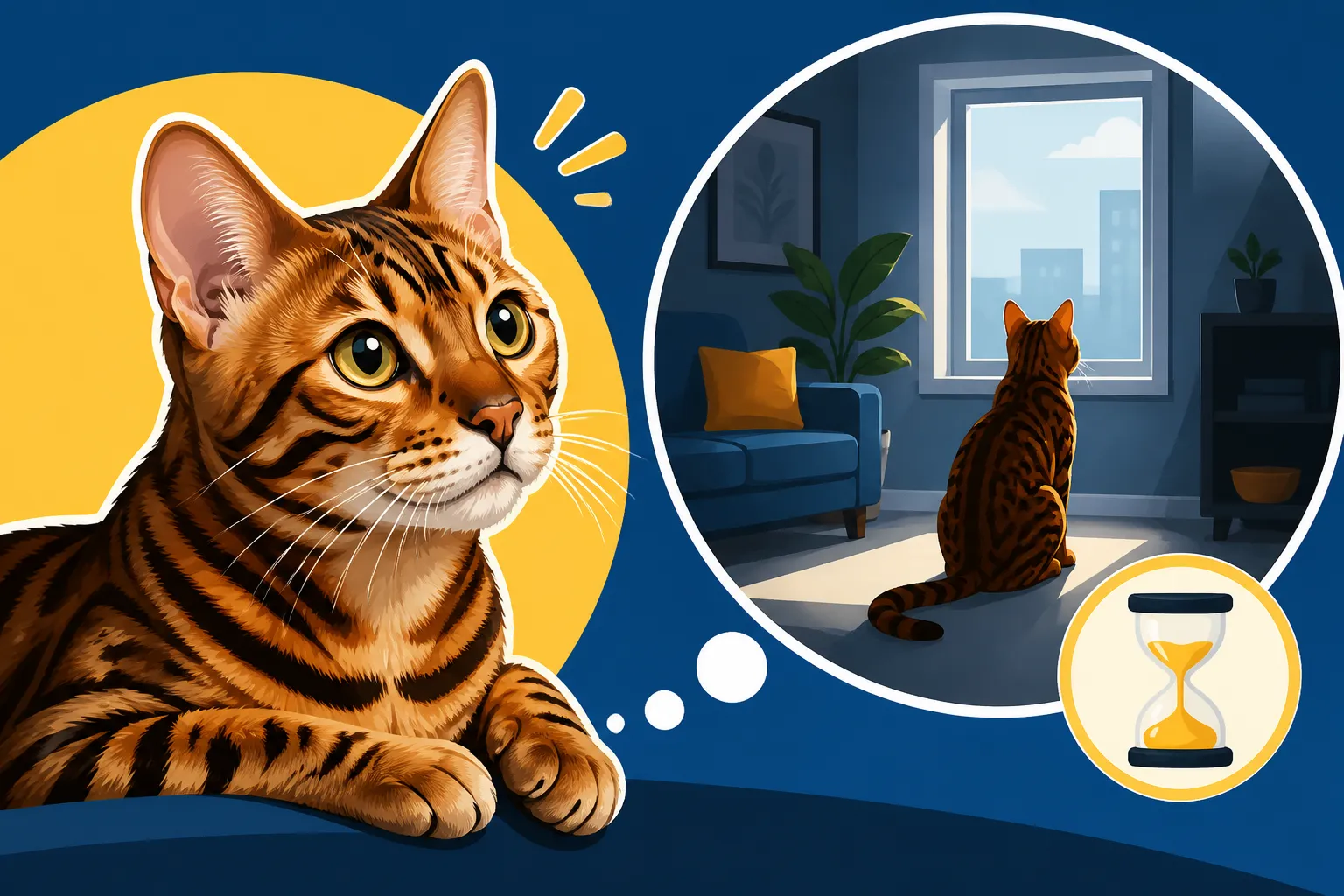
How Long a Bengal Cat Copes Alone
It’s a common dilemma for Bengal cat owners, isn't it? We adore our energetic, intelligent, and utterly captivating Bengals, but life demands that we sometimes leave them alone. Whether it's for a workday, a quick errand, or even a longer trip, the nagging question always remains: just how long can a Bengal cat truly cope by themselves before loneliness or boredom sets in? This guide is here to shed light on that very real concern, offering practical advice and setting realistic expectations for how these unique feline companions manage their time when you're not around.
The Unique Social Needs of a Bengal Cat
Many people assume that cats are inherently solitary creatures, perfectly content to be left to their own devices for hours on end. And while it's true that a cat isn't a dog requiring multiple walks a day, the Bengal cat is a breed that truly shatters that "independent loner" stereotype. They're far from your average couch potato housecat; these are felines bred with a wild spirit, and that comes with a distinct set of behavioral and emotional needs.
A Bengal cat thrives on interaction, mental stimulation, and a rich, engaging environment. They are incredibly clever, endlessly curious, and possess an energy level that can often outmatch even the most dedicated owner. Because of this, simply leaving out food and water isn't enough to satisfy a Bengal. Their minds need to be worked, their bodies need to move, and their innate hunting instincts need an outlet. When these fundamental needs aren't met, especially when left alone for extended periods, problems can quickly arise. It's not about being "needy" in a negative sense; it's about their inherent genetic programming and intelligence demanding engagement. Understanding this is the first step in figuring out how long they can genuinely cope without you.
What "Alone Time" Really Means for a Bengal
When we talk about leaving a Bengal cat alone, it's crucial to define what that really entails. There's a big difference between being in a house where other family members are present but not directly interacting with the cat, and being truly solitary in an empty house. For a Bengal, "alone" often means a significant lack of direct engagement, play, and mental challenges.
Consider the dynamic of your household. If you have multiple pets, especially another active cat or a cat-friendly dog, this can significantly mitigate the feeling of isolation for your Bengal. They might spend time chasing, wrestling, or simply coexisting with their animal companions, providing some level of stimulation. However, even with other pets, a Bengal still craves human interaction. They form strong bonds with their people and will seek attention, play, and even conversation. For a Bengal, simply having a warm lap to nap on or a human voice to chirp at can be incredibly comforting. So, when the house is truly empty, with no human or animal interaction for hours, that's when the challenge really begins for these vibrant cats.
Factors Influencing a Bengal's Tolerance for Solitude
Several individual factors play a huge role in how well a Bengal cat tolerates being left alone. It's not a one-size-fits-all answer, and understanding your specific cat's personality is key.
Firstly, age is a massive factor. A young Bengal kitten, full of boundless energy and still learning the ropes of the world, will struggle far more with solitude than a mature adult cat. Kittens need constant supervision, play, and reassurance. An older Bengal cat, while still active, might have mellowed a bit and established a more predictable routine, making them somewhat more tolerant of quiet hours. Then there's temperament. Some Bengals are naturally more confident and self-sufficient, finding ways to entertain themselves. Others are more prone to anxiety and depend heavily on their human companions for comfort and stability. A Bengal that is naturally shy or has experienced past trauma might find being left alone particularly distressing.
Routine also plays a significant role. Cats are creatures of habit, and Bengals are no exception. If your cat is used to a consistent schedule of playtime, feeding, and interaction, a sudden disruption or prolonged absence can be unsettling. A predictable departure and return time, even if you're gone for several hours, can be less stressful than erratic comings and goings. Finally, the amount and quality of enrichment available while you're away can make or break their coping mechanism. A bare house offers little to a bored Bengal, whereas a home full of How Much Enrichment a Bengal Cat Actually Needs will help them manage.
The Short-Term: Workdays and Errands
For most of us, leaving our Bengal cats alone during a typical workday is a necessity. The good news is that many Bengal cats can adapt to an 8-hour workday, provided they have the right environment and routine. However, it's a tightrope walk, and you need to be acutely aware of their needs to prevent issues.
Think about it from their perspective: after a burst of morning activity and affection, suddenly, their primary source of entertainment and interaction disappears. An average 8-10 hour workday means a significant portion of their waking hours are spent without their favorite playmate. While adult cats do sleep a lot, a Bengal's sleep is often lighter, punctuated by bursts of energy, observation, and exploration. Without an outlet for this energy and curiosity, even a few hours can feel like an eternity, especially for a younger or more high-energy individual. The key to successful workday absences lies in preparation and providing ample resources for self-amusement.
How Many Hours is Too Many for an Adult Bengal?
Generally speaking, an adult Bengal cat can usually manage 8-10 hours alone during a typical workday. However, this isn't a hard and fast rule, and it truly depends on the individual cat and the environment you've created for them. If your Bengal has access to plenty of vertical space, interactive toys, puzzle feeders, and natural light, they might cope quite well. On the other hand, a Bengal left in a sterile, unchanging environment with no stimulation will likely start to exhibit signs of distress or boredom much sooner.
It's also about the quality of the time you do spend with them. If those 8-10 hours alone are followed by an hour or two of intense, focused play and cuddles, it can help them recharge their social batteries. If you come home and immediately retreat to your own devices, the cumulative effect of loneliness can build up. For some particularly high-energy or sensitive Bengals, even an 8-hour stretch might be pushing their limits, especially if they are the only pet. This is where you, as their owner, become their best advocate, observing their behavior closely.
The Problem with Leaving a Bengal Cat Alone for Too Long
When a Bengal cat is left alone for periods that exceed their coping mechanism, the effects can manifest in various ways, often escalating from minor annoyances to significant behavioral problems. It's not out of spite; it's a genuine cry for help or a desperate attempt to self-soothe.
One of the most common issues is destructive behavior. A bored Bengal is an incredibly inventive Bengal, and they'll find ways to create their own fun, often at the expense of your furniture or belongings. This might include excessive scratching on inappropriate surfaces (even if they have scratch posts), chewing on cords or fabrics, or systematically What a Bored Bengal Cat Destroys. You might come home to knocked-over plants, pulled-down curtains, or a general state of disarray. This isn't naughtiness; it's simply a high-energy animal redirecting its intelligence and physical prowess into whatever is available.
Another prevalent sign is excessive vocalization. Bengals are known for their varied and often loud vocalizations. While a chatty Bengal is normal, constant yowling, crying, or demanding chirps when you leave or upon your return can signal distress or loneliness. They might be trying to "call" you back or express their frustration. This can be particularly disruptive for neighbors if you live in an apartment.
Litter box avoidance can also be a heartbreaking sign. While medical issues should always be ruled out first, a Bengal suddenly eliminating outside the litter box could be protesting their perceived abandonment or simply feeling too anxious to use their designated area. They might also develop over-grooming habits, licking themselves to the point of bald patches, a common anxiety coping mechanism in cats. Conversely, some Bengals might become lethargic and withdrawn, spending their time hiding or sleeping more than usual, a subtle but equally concerning sign of unhappiness. You might notice them being overly clingy upon your return, desperately seeking attention, or becoming agitated and restless.
| Alone Time Duration | Typical Bengal Reaction (General) | Recommended Action |
|---|---|---|
| 0-4 Hours | Generally well-tolerated | Minimal intervention needed, ensure basic enrichment. |
| 4-8 Hours | Manageable with adequate prep | Provide interactive toys, puzzle feeders, vertical space. Play before and after. |
| 8-12 Hours | Borderline for many Bengals | High level of enrichment, consider companion, check-ins, or advanced tech. |
| 12-24 Hours | Difficult for most Bengals | Requires pet sitter or trusted friend. Not ideal for regular occurrence. |
| 24+ Hours | Unacceptable without supervision | Professional pet sitting or boarding is essential. |
Setting Up Your Home for Solo Bengal Success
The good news is that you can dramatically improve your Bengal cat's ability to cope alone by proactively enriching their environment and establishing smart routines. It's about turning your home into an adventure playground and a safe haven, even when you're not there to supervise.
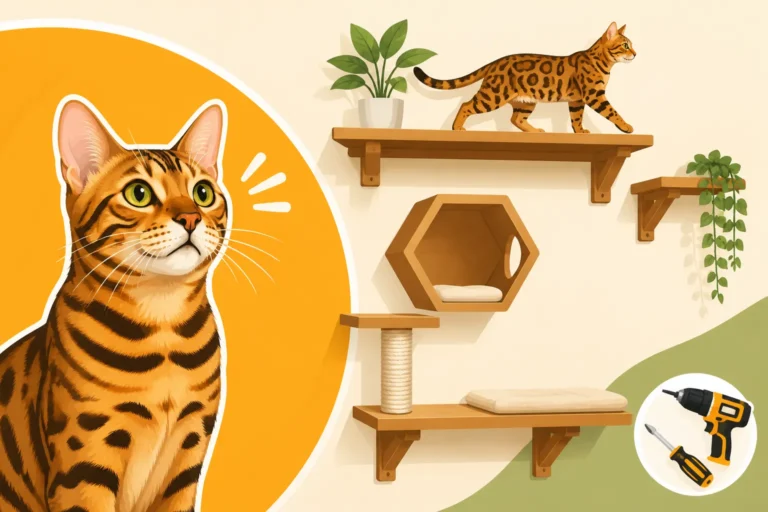
First and foremost, vertical space is non-negotiable. Bengals love to climb, observe from high vantage points, and explore every nook and cranny. Investing in a sturdy, tall cat tree is paramount. Look for one with multiple levels, scratching surfaces, and perhaps a cozy cubby. Better yet, consider How to Build Shelves for a Bengal Cat to create an entire "cat highway" system on your walls. These elevated pathways not only provide exercise but also give your Bengal a sense of security and a constantly changing perspective, which is crucial for their active minds. You can find excellent options on Amazon for durable cat trees and wall-mounted shelves.
Interactive toys and puzzle feeders are your secret weapons. These brilliant devices tap into your Bengal's intelligence and natural hunting drive. Instead of just leaving a bowl of kibble, a puzzle feeder makes them "work" for their food, slowing down mealtime and providing mental engagement. There are various types, from treat-dispensing balls to more complex mazes. Rotate these toys daily or weekly to keep things fresh and exciting. You can find a huge variety of these on Amazon too. Wand toys left out, especially those with feathers or bells, can also provide some self-play, but always ensure they are safe and don't pose a choking hazard when unsupervised.
Maximizing Playtime Before and After You Leave
It might sound simple, but the quality of the time you spend with your Bengal when you are home can profoundly impact their solo coping skills. Before you head out for the day, engage in an intense, focused play session. Use a wand toy to simulate hunting, letting them chase, pounce, and "catch" their prey. This helps burn off excess energy and satisfies their predatory instincts, leaving them more tired and content during your absence. Aim for at least 15-20 minutes of vigorous play in the morning.
When you return, resist the urge to immediately sit down and relax. Your Bengal has been waiting for you! Greet them, offer affection, and then immediately initiate another engaging play session. This reinforces the idea that your return is a positive event filled with interaction. It also helps them decompress any pent-up energy or anxiety from being alone. Consistent "before and after" playtime establishes a reassuring routine that your Bengal can depend on.
The Role of Companion Animals
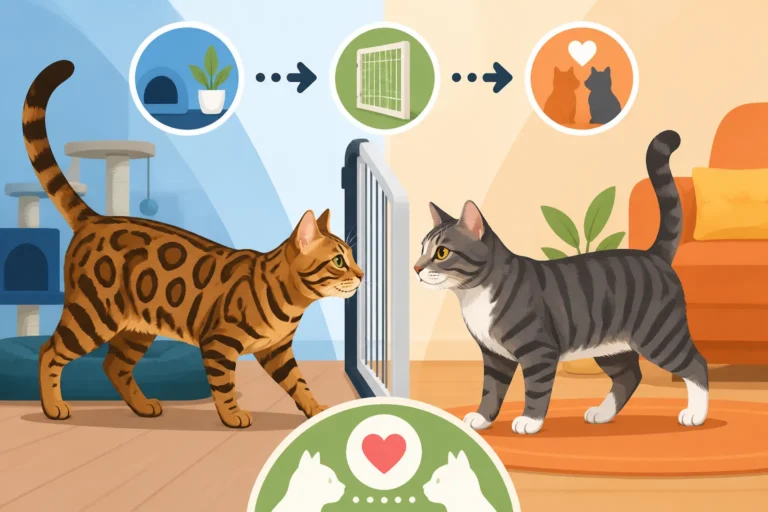
Sometimes, the best solution for a lonely Bengal is another animal companion. While it's not a guarantee, many Bengals thrive with a friend. Another Bengal, in particular, can be an excellent match, as they often share similar energy levels and play styles. They can chase, wrestle, and groom each other, providing constant entertainment and reducing feelings of isolation. However, introducing a second cat requires careful planning and a slow, supervised integration to ensure compatibility. You can learn more about When a Bengal Cat Needs a Second Cat.
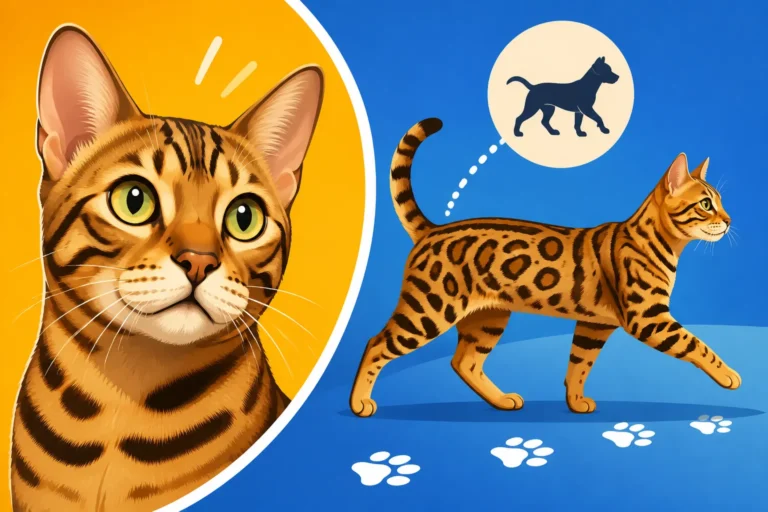
A cat-friendly dog can also be a wonderful companion for a Bengal. Their active, playful nature often aligns well, and they can keep each other entertained. Again, careful introductions and ensuring the dog is respectful of the cat's space are crucial. Always supervise initial interactions to ensure both animals are comfortable and safe. The goal is companionship, not added stress, so choose wisely.
Smart Tech and Environmental Enhancements
In today's world, technology offers some fantastic tools to help your Bengal cope when you're away. Pet cameras with two-way audio allow you to check in on your cat, talk to them, and even dispense treats remotely. This can be incredibly reassuring for both you and your Bengal. Automatic laser pointers or rotating feather toys can provide bursts of unexpected entertainment throughout the day. You can program these to activate at different times, breaking up the monotony.
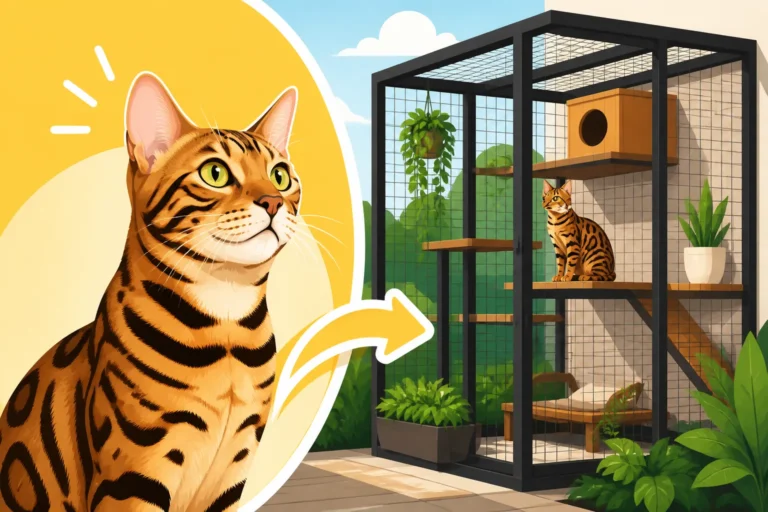
Beyond technology, consider simple environmental enhancements. A sturdy Which Cat Tree a Bengal Cat Needs will provide endless climbing opportunities. Leaving the radio or TV on low with calming music or nature sounds can fill the silence and provide a sense of presence. If you have a secure window perch, ensure it's accessible so your Bengal can watch the world go by. For those with outdoor access, a safely enclosed outdoor space, often called a catio, can provide an incredible amount of mental and physical stimulation. This allows them to experience fresh air, sunshine, and natural sights and sounds without the dangers of free-roaming. Why a Catio Is the Answer to a Bengal Cat can provide hours of enrichment. For drinking water, a sturdy Which Water Fountain Survives a Bengal Cat can provide fresh, flowing water, which many Bengals prefer and often play with.
Managing Longer Absences and Overnights
While Bengals can adapt to a workday routine, longer absences, such as overnight trips, weekend getaways, or vacations, present a more significant challenge. Leaving a Bengal completely alone for more than 12-18 hours is generally not recommended, and extending that to 24 hours or more without proper care is simply unacceptable for their emotional and physical well-being.
The risks associated with prolonged solitary confinement increase exponentially. Beyond boredom and anxiety, there are practical concerns. Food and water can run out or become stale. Litter boxes can become too soiled, leading to avoidance issues. Accidents can happen, and a Bengal could get injured or ill without immediate attention. Their intense need for interaction means that even if all physical needs are met, the mental toll of extreme loneliness can be severe. This is where external help becomes essential.
Pet Sitters vs. Boarding Facilities
When you need to be away for more than a single workday, you have two primary options: hiring a pet sitter or utilizing a boarding facility. Each has its pros and cons for a Bengal cat.
Pet sitters are often the preferred choice for Bengals. Cats, in general, are creatures of habit and territorial, preferring to stay in their familiar environment. A pet sitter comes to your home, maintains your cat's routine, and provides individual attention and play. This minimizes stress by avoiding a change of scenery, smells, and sounds. A good pet sitter will not only feed and clean the litter box but also engage your Bengal in playtime, offer cuddles, and provide mental stimulation. For a Bengal, having a consistent human presence, even if it's for short visits, can make a huge difference in their overall well-being during your absence. Look for sitters experienced with active, high-energy breeds and ask for references.
Boarding facilities can be a viable option, but you need to be very selective. Many standard boarding kennels are designed primarily for dogs and might not offer the quiet, stimulating environment a Bengal needs. Look for facilities specifically catering to cats, preferably with spacious, multi-level "cat condos" that offer vertical climbing opportunities, natural light, and individual play sessions. A good cat boarding facility understands that Bengals need more than just a cage; they need space to move, things to climb, and personalized attention. Always tour the facility beforehand, ask about their cat-specific enrichment programs, and ensure the staff are knowledgeable about Bengals. While some Bengals might do well, others could find the change of environment and proximity to other cats highly stressful.
Preparing for Extended Absences
If you know you'll be away for a longer period, planning is paramount. Beyond arranging for a pet sitter or boarding, you need to prepare your home and your Bengal.
- Trial Runs: If using a pet sitter, have them visit a few times while you're home so your Bengal can get used to them. If considering boarding, a short overnight stay can help your cat acclimate.
- Multiple Resources: Always provide extra food and water bowls in different locations, just in case one gets tipped over. Similarly, have multiple clean litter boxes available. Bengals are particular about their litter boxes, and two or even three boxes for a single cat can prevent accidents if you're away for a couple of days.
- Secure Your Home: Bengals are notorious for How a Bengal Cat Opens Cabinets, Doors and Drawers. Ensure all cabinets with food, medications, or dangerous items are securely latched. Lock away anything precious or breakable.
- Emergency Contacts: Leave clear instructions for your pet sitter, including your vet's contact information and an emergency contact person who can make decisions if you're unreachable.
- Comfort Items: Leave out familiar blankets, toys, or even an item of your clothing with your scent on it to provide comfort.
- Microchip and ID: Ensure your Bengal is microchipped and wears an ID tag, especially if they are prone to door-dashing. Accidents can happen, and a microchip greatly increases the chances of being reunited if your cat somehow escapes. Why a Bengal Cat Should Be Microchipped is always important, but particularly when your routine changes.
By carefully considering your Bengal's unique needs and implementing these strategies, you can help them cope with your absence, ensuring they remain happy, healthy, and well-adjusted members of your family, even when you can't be by their side every moment.
Disclaimer
This article is for general informational purposes only and does not constitute professional advice. Laws, prices and regulations vary by location and change over time. Consult a qualified professional for guidance on your specific situation.