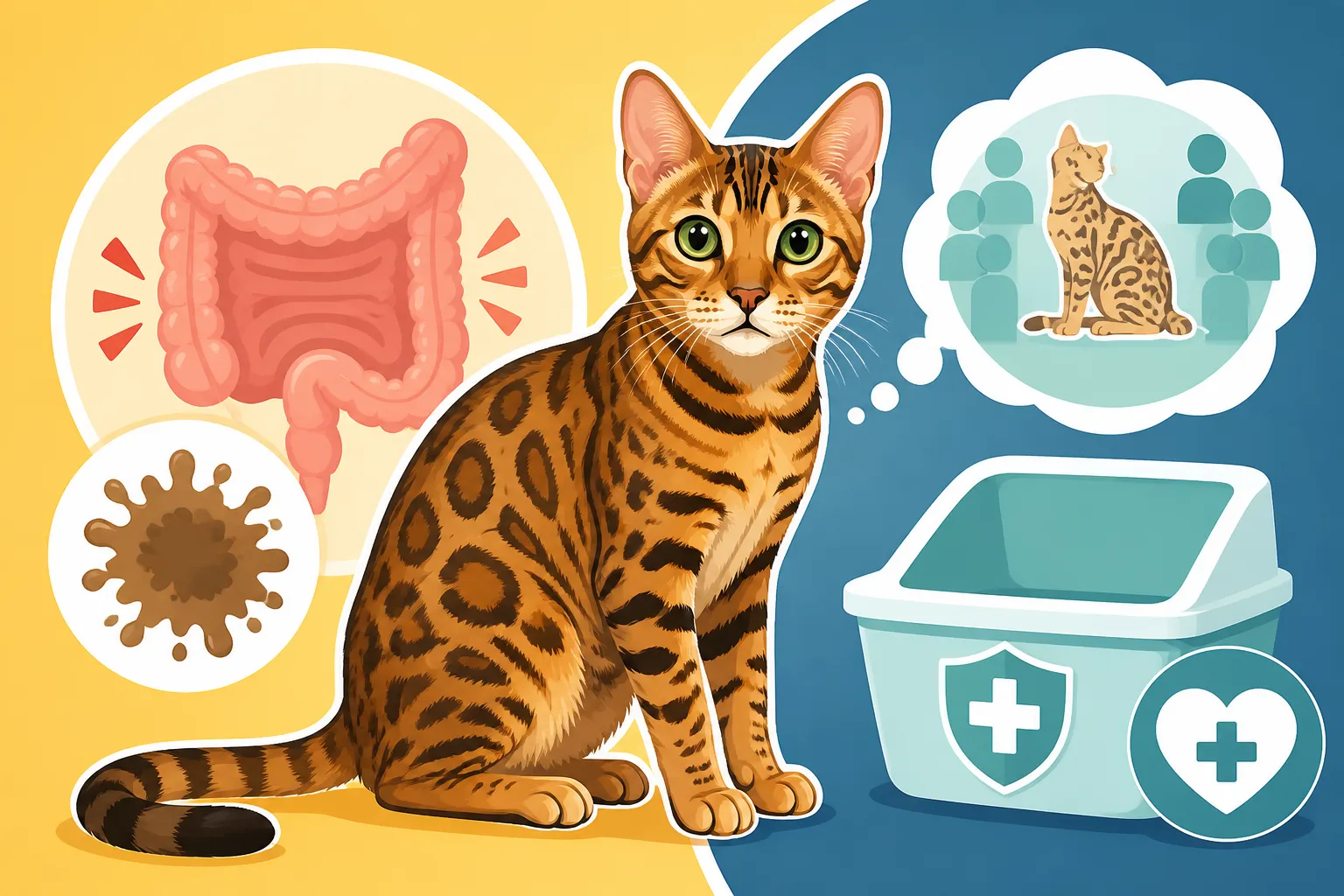
How Common Chronic Diarrhea Is in Bengal Cats
If you're a Bengal cat owner, you've probably spent more time than you'd like worrying about their sensitive tummy. The truth is, many Bengal cat parents find themselves wrestling with bouts of loose stools or even persistent, chronic diarrhea. It's a frustrating, messy, and often concerning issue that leaves you wondering if it's just 'a Bengal thing' or something more serious. This guide will delve into just how common chronic diarrhea is in Bengal cats, explore the underlying reasons, and shed light on what you can do to support your beloved feline's digestive health.
The Reality of Chronic Diarrhea in Bengal Cats
Let's be real: chronic diarrhea in Bengal cats is, unfortunately, a pretty common complaint among owners and breeders alike. While it might not affect every single Bengal, the breed certainly seems to have a predisposition to digestive sensitivities that can manifest as ongoing loose stools. It’s not just anecdotal either; many veterinary professionals who regularly see Bengal cats will tell you they are often presented for gastrointestinal issues.
Understanding the Prevalence Among Owners
When you talk to other Bengal cat enthusiasts online or at cat shows, conversations about sensitive stomachs, specific diets, and seemingly endless vet visits for 'tummy troubles' are frequent. It's not uncommon to hear tales of kittens arriving home with persistent diarrhea, or adult cats suddenly developing issues after a diet change or stress. This widespread experience suggests that digestive fragility isn't an isolated incident but rather a noticeable trend within the breed. Owners often feel alone in this struggle, constantly trying different foods or supplements, but the sheer volume of similar stories confirms that this is a shared battleground for many. It can be incredibly disheartening to watch your otherwise vibrant, energetic Bengal cat suffer from these recurring episodes, leading to worries about their comfort and long-term health.
Breeder and Veterinary Observations
Reputable Bengal cat breeders are keenly aware of the breed's digestive sensitivities and often screen their breeding cats for common issues. They'll tell you that managing a cattery sometimes feels like a constant battle against various gut invaders or sensitivities that can trigger diarrhea in kittens and adults. Vets, particularly those with a large feline caseload, often note that Bengal cats appear to present with chronic diarrhea more frequently than many other domestic breeds. This observation is crucial because it moves beyond mere owner anecdotes, suggesting a genuine physiological tendency. They might refer to it as an "inherent sensitivity" or acknowledge the challenges in diagnosing and managing these cases compared to a typical domestic shorthair. These professionals are at the forefront of seeing these issues and attempting to find solutions, which often means an array of tests and diet trials.
Why Bengal Cats Are Prone to Digestive Issues
The Bengal cat's unique heritage and physiological makeup contribute significantly to their predisposition to chronic diarrhea. It’s not just bad luck; there are genuine biological reasons that make their digestive systems a bit more temperamental.
The Wild Ancestry Factor
The most significant factor often cited for the Bengal cat's sensitive gut is their wild ancestry, specifically the Asian Leopard Cat (ALC). While generations removed, the ALC's digestive system evolved to process a diet of raw prey, which is vastly different from the highly processed kibble many domestic cats consume. This evolutionary legacy means Bengal cats often retain a more specialized, and sometimes less adaptable, digestive tract. Their gut microbiome might be less robust in handling diverse ingredients or sudden changes, making them more susceptible to upset. It's almost as if their systems are constantly on high alert, reacting strongly to anything that doesn't perfectly align with what their wild ancestors would have eaten. This is a critical point when considering Why a Bengal Cat's Gut Is So Sensitive.
Common Parasites and Pathogens
Bengal cats, especially those from catteries or rescue environments, can be particularly susceptible to certain parasites that cause chronic diarrhea. Two common culprits are Tritrichomonas foetus and Giardia. These aren't your typical worms; they're microscopic organisms that can be incredibly challenging to eradicate and can wreak havoc on a Bengal's gut for months, or even years.
- Tritrichomonas Foetus (T. foetus): This single-celled protozoan is a notorious cause of chronic large bowel diarrhea in Bengal cats, particularly in younger animals or those from multi-cat environments. The diarrhea is often foul-smelling, sometimes contains mucus or fresh blood, and can be difficult to resolve. It's shed intermittently, making diagnosis tricky, as standard fecal tests might miss it. If you've been dealing with persistent diarrhea and nothing seems to work, asking your vet about testing for Tritrichomonas foetus is crucial because What Tritrichomonas Does to a Bengal Cat can be truly debilitating for them.
- Giardia: Another common protozoan, Giardia, causes small bowel diarrhea and is often picked up from contaminated water or environments. While many cats can carry Giardia without symptoms, the sensitive Bengal gut often reacts strongly, leading to persistent, watery, or greasy stools. Eradication can be challenging, and reinfection is possible, especially in homes with multiple pets. Understanding How a Bengal Cat's Giardia Is Treated can save you a lot of heartache and ensure proper steps are taken.
These pathogens are highly contagious and can persist in environments, leading to cycles of re-infection, which only adds to the frustration for owners trying to keep their cats healthy.
Food Sensitivities and Allergies
Beyond parasites, many Bengal cats develop food sensitivities or even full-blown allergies. Their digestive systems can react negatively to common ingredients like chicken, beef, dairy, or grains. Unlike an immediate allergic reaction, a food sensitivity might present as gradual, chronic diarrhea, bloating, or discomfort that slowly worsens over time. It requires careful detective work to pinpoint the offending ingredient, often involving an elimination diet or food trial. This is a common reason When a Bengal Cat Needs a Special Diet for Its Gut becomes a necessary conversation with your vet. Grain-free diets were once popular for sensitive guts, but the science on their benefit (or harm) for cats is still evolving, so it's best to consult your vet rather than making assumptions. Finding Which Food Settles a Bengal Cat's Stomach is often a long, drawn-out process of trial and error.
Identifying Chronic Diarrhea in Your Bengal Cat
Spotting chronic diarrhea isn't always as simple as seeing a single runny stool. It's about recognizing a pattern and understanding what 'normal' looks like for your particular cat. Early identification and working with your vet can prevent more serious complications.
Differentiating Acute from Chronic Issues
Acute diarrhea is a sudden, often short-lived episode that might be caused by a dietary indiscretion, stress, or a mild bug. It usually resolves within a day or two with minimal intervention. Chronic diarrhea, however, is persistent, meaning it lasts for two weeks or longer, or it recurs frequently over an extended period. It might fluctuate in severity, having good days and bad, which can make it particularly tricky to define and diagnose.
Here’s a quick comparison to help you tell the difference:
| Feature | Acute Diarrhea | Chronic Diarrhea |
|---|---|---|
| Duration | Short-term (1-3 days) | Long-term (2+ weeks) or recurring |
| Onset | Sudden | Gradual or intermittent |
| Common Causes | Diet change, stress, mild infection | Parasites, food allergies, IBD, systemic disease |
| Associated Signs | Vomiting, lethargy (often self-limiting) | Weight loss, poor coat, lethargy, dehydration |
| Urgency | Monitor closely, contact vet if severe/prolonged | Veterinary intervention highly recommended |
If your Bengal cat's diarrhea falls into the 'chronic' column, it's definitely time for a thorough veterinary investigation. Ignoring it can lead to malnutrition, dehydration, and a significantly reduced quality of life for your active feline friend.
Key Symptoms and Warning Signs
Beyond just loose stools, chronic diarrhea often comes with a host of other symptoms that are important to observe and report to your vet.
- Changes in Stool Consistency: This is the most obvious sign. Stools might be consistently soft, mushy, watery, or unformed. They could also contain mucus, fresh blood, or appear greasy. Note the color and any unusual smell as well.
- Increased Frequency of Defecation: Your Bengal might be using the litter box more often than usual, sometimes with urgency.
- Accidents Outside the Litter Box: Due to urgency or discomfort, your cat might start having accidents around the house. This is a clear sign of distress and not just 'bad behavior.'
- Weight Loss: Despite eating normally, a cat with chronic diarrhea struggles to absorb nutrients, leading to gradual weight loss. You might notice their spine or hip bones becoming more prominent.
- Poor Coat Condition: A dull, unkempt coat can indicate poor nutrient absorption. The beautiful glittery pelt your Bengal is known for might lose its luster.
- Lethargy and Reduced Activity: While Bengal cats are incredibly energetic, persistent discomfort and nutrient deficiency can lead to a noticeable drop in their playful antics. They might sleep more or show less interest in interactive toys.
- Vomiting: Though diarrhea is the primary symptom, some cats with chronic gastrointestinal issues may also experience intermittent vomiting.
- Abdominal Pain or Discomfort: Your cat might be reluctant to be touched around their abdomen, or you might notice them hunching or stretching in unusual ways.
Keeping a detailed log of these symptoms, including frequency, consistency, and any other changes, can be incredibly helpful for your veterinarian in diagnosing the underlying cause.
Diagnosing and Managing Chronic Diarrhea
Dealing with chronic diarrhea in your Bengal cat can feel like a never-ending quest for answers. It often requires patience, thorough diagnostics, and a collaborative approach with your veterinarian.
The Diagnostic Process
When you bring your Bengal cat to the vet for chronic diarrhea, expect a multi-step diagnostic process. There isn't usually a single test that gives all the answers.
- Comprehensive Physical Exam: Your vet will start with a thorough check-up, assessing hydration, body condition, and palpating the abdomen for any signs of pain or abnormalities.
- Fecal Testing: Multiple fecal samples (often collected over several days) are crucial to check for common parasites like Giardia, coccidia, and traditional worms. Specialized tests, such as PCR panels, are often needed to detect difficult-to-find parasites like Tritrichomonas foetus or a broader range of gut pathogens.
- Blood Work: Blood tests can rule out systemic diseases, check organ function, and look for signs of inflammation or anemia, which can be linked to chronic gut issues. This might include a complete blood count and a biochemistry panel.
- Dietary Trials: If parasites and other diseases are ruled out, a hypoallergenic food trial is often the next step. This involves feeding a novel protein (one your cat has never eaten before) or a hydrolyzed protein diet exclusively for several weeks to see if symptoms resolve. This is a direct approach to determine if food allergies or sensitivities are at play.
- Imaging (X-rays, Ultrasound): These can help visualize the abdominal organs, look for foreign bodies, tumors, or changes in the intestinal wall thickness. An ultrasound, in particular, can provide detailed information about the structure of the intestines.
- Biopsies: In some complex cases, especially if inflammatory bowel disease (IBD) is suspected, biopsies of the intestinal lining might be recommended. This is usually done via endoscopy or exploratory surgery and is the most definitive way to diagnose conditions like IBD, a condition for which Whether IBD Is Common in Bengal Cats is a valid concern for many owners.
The diagnostic journey can be extensive and, frankly, expensive. Having pet insurance, like a policy from Healthy Paws, can provide immense peace of mind, helping to cover the costs of these crucial tests and treatments without adding financial stress to an already difficult situation.
Treatment and Long-Term Management Strategies
Once a diagnosis is made, or even if it's not definitive, treatment and management often involve a combination of approaches.
- Targeted Medications: If a specific parasite is identified, appropriate antiparasitic medications will be prescribed. For bacterial overgrowth, antibiotics might be used, though judiciously to avoid disrupting the gut microbiome further. Anti-inflammatory drugs may be used for IBD.
- Dietary Management: This is often the cornerstone of long-term management for many Bengal cats with chronic diarrhea. This could mean a prescription gastrointestinal diet, a limited ingredient diet, or even a raw diet if carefully balanced and prepared. The goal is to find a food that supports their sensitive digestion and provides all necessary nutrients. Remember, changing food too quickly can exacerbate issues, so always transition gradually over 7-10 days.
- Probiotics and Prebiotics: Supplementing with high-quality feline-specific probiotics can help rebalance the gut microbiome, which is often disrupted in cats with chronic diarrhea. Prebiotics, which are fibers that feed beneficial gut bacteria, can also be beneficial.
- Stress Reduction: Stress can significantly impact a cat's digestive system. Ensuring a stable, enriching, and low-stress environment is vital for sensitive Bengals. This includes consistent routines, ample vertical space, interactive play, and a quiet retreat spot.
- Environmental Decontamination: If parasites like Giardia or Tritrichomonas are diagnosed, thorough cleaning and disinfection of the environment are critical to prevent reinfection. This can involve steam cleaning, using specific disinfectants, and ensuring litter boxes are scooped frequently and disinfected regularly.
Managing chronic diarrhea in a Bengal cat is a marathon, not a sprint. It often involves ongoing communication with your vet, careful observation on your part, and a willingness to adapt strategies as needed. While challenging, with persistence and the right support, you can help your Bengal cat live a comfortable and happy life.
Disclaimer
The information provided in this article is for general informational purposes only and is not a substitute for professional veterinary advice. Always consult with a qualified veterinarian for any health concerns or before making any decisions related to your pet's health and treatment.