What the Glitter Gene Does to a Bengal Cat
If you've ever found yourself staring at a Bengal cat, captivated by that ethereal shimmer that seems to dance on their coat, you're not alone. Many owners and admirers marvel at this unique characteristic, often wondering what exactly causes it and if it's truly as magical as it seems. This guide will dive deep into the fascinating world of the Bengal cat's glitter gene, explaining its origins, how it affects their appearance, and why it's such a beloved trait.
What Exactly is Bengal Cat Glitter?
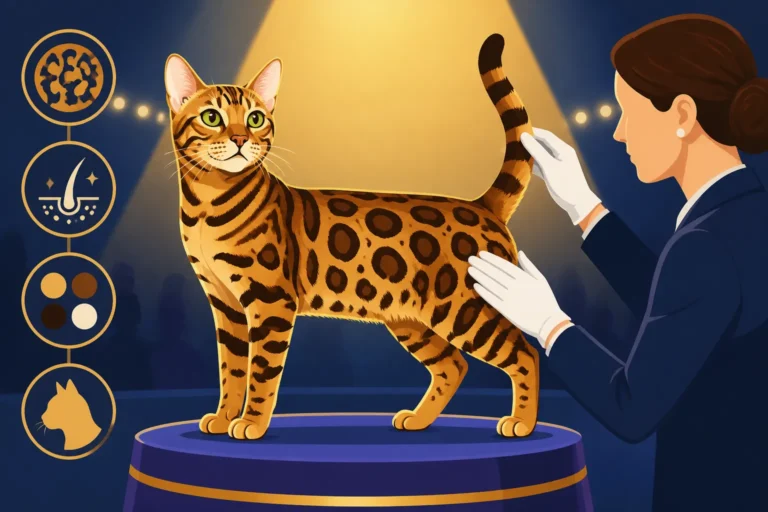
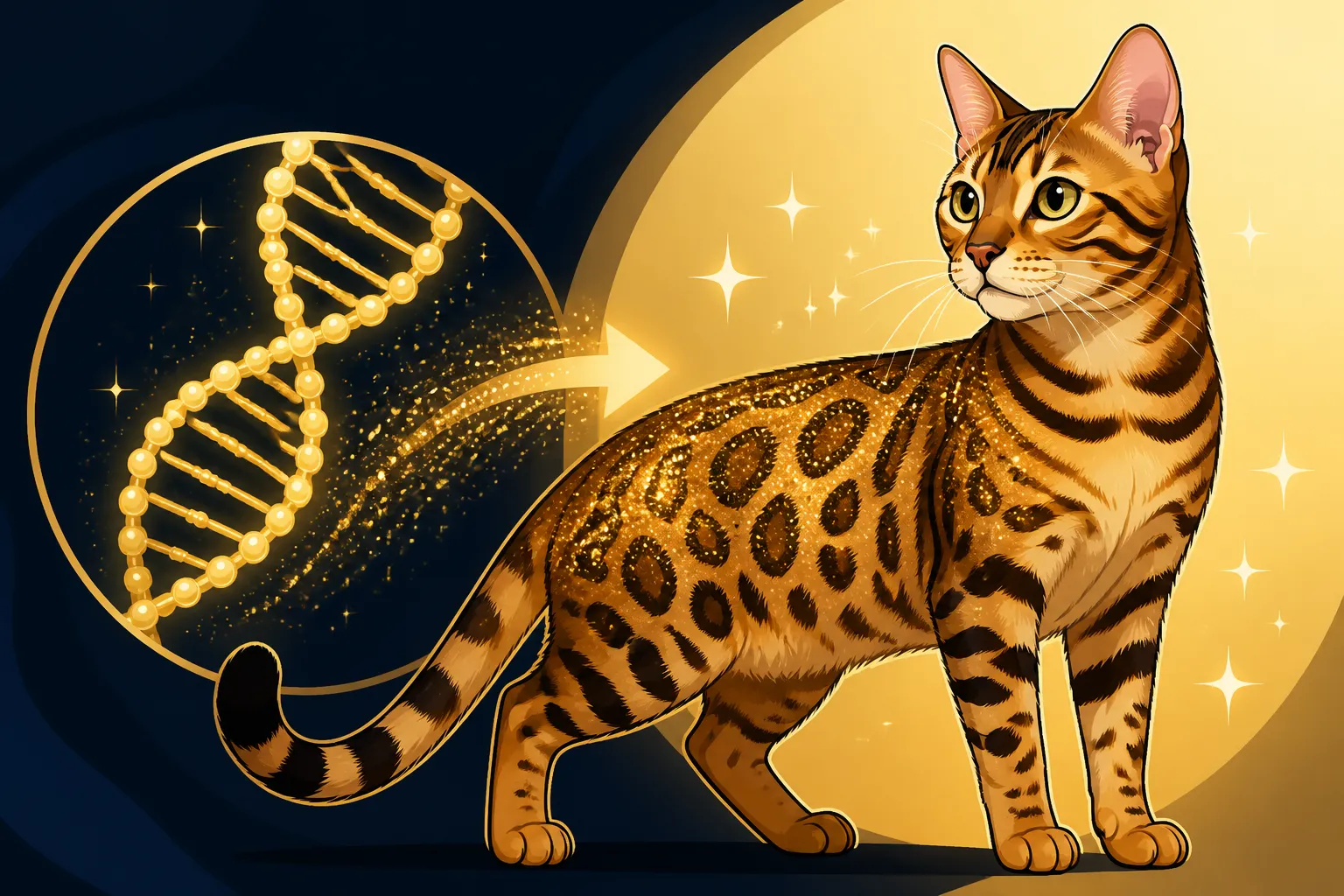
When we talk about "glitter" in Bengal cats, we're not talking about something applied externally or a trick of the light from their environment. This is an intrinsic part of their coat, a truly unique genetic trait that makes their fur look as if it's been dusted with golden or pearlescent fairy dust. It gives their coat an incredible depth and a luxurious, almost iridescent sheen that you simply don't see in most other domestic cat breeds. It's one of those "you have to see it to believe it" features that truly sets the Bengal apart.
Imagine your Bengal strolling through a sunbeam, and suddenly, their rosettes and stripes appear to sparkle. That's the glitter effect. It's particularly striking on brown Bengals, where it often manifests as a rich, golden shimmer, but it's present in all recognized colors and patterns, subtly enhancing their natural beauty. This isn't just a pretty visual; it's a testament to the Bengal's wild ancestry and the selective breeding that has preserved and enhanced this captivating trait.
Why a Bengal Cat's Coat Feels Like Silk
Beyond the visual sparkle, the glitter gene also contributes to the Bengal cat's famously luxurious coat texture. While other cats might have soft fur, a Bengal's coat is often described as feeling like "pelt" or "silk." This isn't just hyperbole; it's a direct result of the unique structure of their individual hair shafts. They are incredibly fine and soft to the touch, lacking the coarser guard hairs and dense undercoat found in many other breeds.
This silky texture is closely linked to the same genetic factors that create the glitter. The hair shafts are more translucent, allowing light to penetrate and reflect in a way that creates that shimmering effect. When you run your hand over a Bengal's back, it's not just soft; it's remarkably smooth and cool, almost like polished stone or, indeed, finely spun silk. This combination of visual glitter and tactile sensation makes interacting with a Bengal's coat a truly unique experience.
What Makes a Bengal Cat's Hair Shafts Translucent
The secret to the Bengal cat's glitter lies deep within the individual hair shafts themselves. Unlike most domestic cats whose hair shafts are opaque, blocking light, the Bengal's hair shafts are semi-hollow and remarkably translucent. Think of it like a tiny, microscopic fiber optic cable. Instead of simply absorbing or reflecting light from the surface, these translucent shafts allow light to pass through them.
When light enters these unique hair shafts, it's refracted and reflected from within, bouncing around before exiting. This internal reflection is what creates the illusion of sparkle or "glitter." It's not just a surface shine; it's a deep, radiant glow that seems to come from within the coat itself. This translucency is a hallmark of the Asian Leopard Cat, the wild ancestor of the Bengal, and it's a trait carefully preserved and selected for by dedicated breeders. It’s truly fascinating to think that something so small can have such a grand effect on their overall appearance.
The Genetic Basis of Glitter
The glitter in Bengal cats is all thanks to a specific gene mutation. It's not something that just happens by chance; it's a deliberately selected trait that breeders have worked hard to maintain and enhance within the breed. This genetic inheritance is what ensures that the captivating shimmer is passed down from one generation to the next, making it a defining characteristic of the Bengal cat breed. Understanding its genetic roots helps us appreciate just how special this trait truly is.
While the exact gene locus can be complex, the key takeaway is that glitter is a recessive trait. This means a Bengal cat needs to inherit two copies of the "glitter gene"—one from each parent—to express the trait visibly. If a cat only inherits one copy, they are considered a "carrier" and won't show glitter themselves, but they can pass the gene on to their offspring. This is why careful breeding practices are essential for ensuring the continuation of this beautiful characteristic.
Which Founding Bengal Cat Carried the Glitter Gene
The glitter gene is believed to have been introduced into the Bengal cat gene pool very early in the breed's development. While it's hard to pinpoint a single "founding" cat with absolute certainty, it's largely attributed to the initial crosses between domestic shorthairs and the Asian Leopard Cat. The luminescence and unique coat texture of the Asian Leopard Cat were desirable traits that early breeders, like Jean Mill, aimed to carry over into the domestic hybrid.
Over generations of selective breeding, these traits were amplified and refined. Breeders actively chose cats that displayed strong glitter and bred them together, thereby increasing the prevalence of the recessive glitter gene within the emerging Bengal population. This painstaking process is why today's Bengals so reliably exhibit this stunning characteristic. It's a true testament to the vision and dedication of those who laid the foundation for the breed. If you're curious about the lineage, you might find articles like What Year Jean Mill Made the First Bengal Cat Cross insightful for tracing these beginnings.
Whether the Asian Leopard Cat Gave the Bengal Cat Glitter
The captivating glitter trait is indeed a direct inheritance from the Bengal cat's wild ancestor, the Asian Leopard Cat (ALC). This wild cat possesses a unique coat texture and reflectivity that gives its spots and overall pelt a remarkable depth and shimmer, especially in natural light. When the first crosses were made to create the Bengal breed, breeders quickly noticed and valued this distinctive quality.
The ALC's coat is designed for camouflage in various light conditions within its natural habitat, and its hair structure contributes to this, creating an almost iridescent effect. Breeders made a conscious effort to select for this trait in the domestic Bengal lines, recognizing its beauty and its link to the breed's wild heritage. So, yes, the glitter you admire on your Bengal's coat is a direct nod to its fascinating wild lineage, a piece of the jungle brought into your home.
How Glitter Looks on Different Bengal Cat Colors
The beauty of the glitter gene is how it harmonizes with and enhances every coat color and pattern found in Bengal cats. While the general effect is always a shimmering, iridescent quality, the way it manifests can subtly differ depending on the underlying coat color. It's like adding a different filter to a photograph – the core image is the same, but the glitter gives it a unique warmth or coolness that is utterly breathtaking. This adaptability is part of what makes glitter so universally adored among Bengal enthusiasts.
| Bengal Coat Color | Common Glitter Appearance | Description of Effect |
|---|---|---|
| Brown Spotted/Marbled | Golden, Coppery | Enhances warmth, often looks like gold dust sprinkled over the rosettes and background. Provides a rich, vibrant glow. |
| Snow (Seal Lynx, Mink, Sepia Point) | Silvery, Pearlescent | Creates a frosty, icy shimmer, particularly noticeable on lighter points. Can look like shimmering snow or moonlight. |
| Silver Spotted/Marbled | Silvery, Bright White | Amplifies the cool tones, making the silver appear even more radiant and striking. Adds a reflective, polished metallic look. |
| Charcoal Spotted/Marbled | Dark Silver, Subtle Sheen | More understated, but still present. Gives a deep, rich glow to the darker background, like polished obsidian. |
How Glitter Looks on a Brown Bengal Cat
On a brown Bengal cat, the glitter gene truly shines, often presenting as a magnificent golden or coppery shimmer. Imagine your cat's rich brown background color and dark rosettes, and then visualize them dusted with fine gold powder. That's the effect. In direct sunlight or bright indoor lighting, this golden glitter makes the entire coat appear to glow with an inner warmth, accentuating the contrast between the darker markings and the lighter background.
This golden sparkle is particularly striking because it complements the natural warmth of the brown tones. It's not just a surface shine; it’s a deep, rich luminescence that makes the individual hairs seem alive with light. Owners often describe their brown Bengals as looking "liquid gold" or having a "honeyed" appearance because of this stunning glitter. It adds an extra layer of luxury and exoticism to an already beautiful cat, making their rosettes pop even more dramatically.
How Glitter Looks on a Snow Bengal Cat
For Snow Bengal cats – encompassing Seal Lynx Point, Seal Mink, and Seal Sepia Point – the glitter takes on a different, equally enchanting character. Instead of golden, it tends to be a delicate silvery or pearlescent shimmer. On these lighter-colored Bengals, the glitter creates an ethereal, almost frosty effect, as if their coat is dusted with fresh snow or moonlight. It's a cooler, more subtle sparkle, but no less captivating.
Picture a Seal Lynx Point Bengal with its ice-blue eyes; the silvery glitter enhances this cool aesthetic, making the coat appear incredibly luminous and soft. On Seal Mink and Seal Sepia points, where the base color can range from cream to a warmer ivory, the pearlescent glitter adds a sophisticated depth. This type of glitter often seems to make the entire cat glow, giving them a magical, otherworldly appearance that perfectly suits their striking light coloration.
Whether Every Bengal Cat Has Glitter
This is a common question, and the answer is: no, not every Bengal cat inherently has visible glitter, even though it's a highly prized and defining trait of the breed. As mentioned earlier, the glitter gene is recessive. This means a Bengal must inherit two copies of the gene, one from each parent, to express the trait. If a cat only has one copy, they are a "carrier" and won't show glitter, but they can still pass it on.
This genetic reality means that while many, if not most, Bengal cats you see will exhibit glitter due to generations of selective breeding, it's not a universal guarantee. Breeders specifically select for glitter when planning litters, often breeding two glittered cats together to ensure all kittens will have glitter, or breeding a glittered cat with a known carrier. If you're specifically looking for a glittered Bengal, it's crucial to discuss this with your breeder and look for kittens that clearly display the trait. The breeder should be able to tell you about the genetics of the parents. You can also explore articles like What the Bengal Cat Standard Asks For to understand all the desired physical traits.
Whether Glitter Fades in a Bengal Cat
The good news is that the glitter in a Bengal cat's coat does not generally fade over time. Once a Bengal cat develops its adult coat and the glitter becomes apparent, it tends to remain a consistent feature throughout their life. It's an integral part of their genetic makeup and hair structure, not something that diminishes with age or exposure.
However, environmental factors can temporarily affect how visible the glitter appears. A Bengal with a dirty or oily coat will naturally look duller, as grime can obscure the translucency of the hair shafts. Similarly, poor nutrition can lead to a less vibrant coat overall, making the glitter less pronounced. But with proper grooming and a healthy diet, that dazzling shimmer should stay with your Bengal for years to come. It's part of the enduring charm of the breed, lasting well into their senior years, as explored in How an Old Bengal Cat's Pattern Changes.
Whether a Bengal Cat Kitten Shows Glitter at Birth
When a Bengal cat kitten is born, the glitter isn't immediately obvious. Their tiny, soft coats are usually quite uniform and lack the distinct definition and shimmer that will develop later. Kittens also go through what's affectionately known as the "fuzzies" stage, which can further obscure the glitter. This stage is a natural part of their development, where their coat grows a bit longer and duller, mimicking the camouflage of a wild leopard cub.
As the kitten matures, typically between 3 to 6 months of age, the fuzzies start to clear, and their adult coat begins to come in with more clarity. It's during this time that the glitter will gradually become visible. You'll start to notice that subtle sparkle appearing, first perhaps in patches, then spreading across their entire coat. So, if you pick up a tiny Bengal kitten and don't immediately see glitter, don't worry – it's likely just waiting for its grand debut! This development is also touched upon in When a Bengal Cat Kitten's Fuzzies Clear.
Caring for a Glittered Bengal Cat's Coat
While the glitter gene itself doesn't require any special care, maintaining your Bengal cat's coat health is paramount to ensuring that their glitter always looks its best. A healthy cat with a clean, well-nourished coat will naturally display the most vibrant and dazzling glitter. It’s all about supporting their overall well-being, which in turn enhances their natural beauty. Thankfully, Bengals are generally low-maintenance in the grooming department, making this an easy task.
The key to a sparkling coat is a combination of good nutrition, regular but minimal grooming, and keeping them free from parasites. Think of it as a holistic approach: what goes inside, and how you care for them externally, directly impacts their outward appearance. You don't need any special "glitter-enhancing" products; simply focusing on fundamental feline care will make their natural shimmer truly pop.
Why a Bengal Cat Barely Needs Brushing at All
One of the delightful side effects of that unique, pelt-like coat and the glitter gene is that Bengal cats require surprisingly little brushing compared to many other breeds. Their hair shafts are fine and lie very flat against their body, and they typically have very little undercoat. This means their fur is far less prone to matting or tangling. Most Bengals do an excellent job of self-grooming, keeping their coats immaculate on their own.
While they don't need daily brushing to prevent mats, a weekly (or even bi-weekly) light brushing with a soft brush or grooming glove can still be beneficial. This helps to remove any loose hairs that might contribute to hairballs and stimulates blood circulation, which supports a healthy skin and coat. Plus, many Bengals actually enjoy the attention and the gentle massage! You can find a good selection of suitable brushes on platforms like Chewy or Amazon, making it easy to pick one your Bengal might tolerate. How Often a Bengal Cat Should Be Brushed delves further into this topic.
Which Protein Percentage Suits a Bengal Cat
When it comes to nutrition, a high-quality diet is crucial for a Bengal cat's overall health, which in turn reflects in a shiny, vibrant, and glittery coat. Bengals are active, muscular cats, and their dietary needs lean towards a higher protein content. Just like any athlete, they need the building blocks to maintain that lean muscle mass and support their energetic lifestyle. Aiming for foods with a significant percentage of animal-based protein is a great starting point.
Generally, adult Bengal cats thrive on diets that provide around 30-40% crude protein, if not higher, often from sources like chicken, turkey, or fish. It’s important to remember that not all protein is created equal; look for identifiable meat sources as the first ingredients, not vague “meat by-products” or excessive plant-based fillers. Adequate protein ensures strong, healthy hair follicles, which means each hair shaft grows in robust and capable of reflecting light beautifully. A diet rich in protein also contributes to a healthy skin barrier, minimizing dryness or flakiness that could dull the coat. Some specialized raw or fresh foods can offer highly bioavailable protein options, but always consult with your vet to tailor the best diet for your individual cat.
Why a Bengal Cat's Coat Cannot Mat
The unique structure of a Bengal cat's coat, directly influenced by its wild ancestry and the glitter gene, means it is incredibly resistant to matting. Unlike long-haired breeds or even many short-haired cats with dense undercoats, Bengals possess a single, sleek layer of very fine hair. This "pelt-like" quality means their individual hairs lie flat and close to the body, making it nearly impossible for them to become tangled and form painful mats.
This lack of an undercoat and the fine texture of their guard hairs are huge advantages for both the cat and the owner. It contributes to their low-maintenance grooming needs and means you won't typically find yourself wrestling with stubborn knots. A matted coat can pull on the skin and be very uncomfortable for any cat, but with a Bengal, this is a worry you can almost entirely put aside, allowing their glitter to shine through unimpeded.
Common Misconceptions About Bengal Cat Glitter
The captivating nature of Bengal cat glitter often leads to a few common misunderstandings, especially for those new to the breed. It's easy to assume that such a striking feature must come with complexities or that it might be an indicator of other traits. Clearing up these misconceptions helps new owners understand their glittered Bengals better and appreciate this unique characteristic for what it truly is.
From believing it's a separate coat type to thinking it requires special products, these myths often overcomplicate what is, at its heart, a beautiful genetic gift. Understanding the reality behind the glitter can simplify your approach to care and deepen your appreciation for your Bengal's distinctive appearance. It’s about recognizing the trait for its true nature, rather than what popular imagination might suggest.
Whether a Glitter Free Bengal Cat Is Worth Less
This is a perception that sometimes arises, likely because glitter is such a distinct and desirable trait in the Bengal breed. However, to say a glitter-free Bengal is "worth less" isn't entirely accurate or fair. While glitter is highly sought after and can contribute to a kitten's price from a breeder focusing on show-quality traits or specific aesthetics, a Bengal cat without visible glitter is still a full-blooded Bengal.
Their value as a beloved pet remains exactly the same. They possess all the other wonderful Bengal characteristics – the active personality, intelligence, sleek physique, and beautiful patterns. A lack of glitter simply means they inherited a different combination of genes for that particular trait. Ethical breeders will focus on overall health, temperament, and adherence to the breed standard, not solely on the presence or absence of glitter. If you find a glitter-free Bengal you love, its worth is immeasurable in terms of companionship and joy. You can learn more about factors affecting price in What a Bengal Cat Kitten Costs From a Breeder.
Whether Glitter Is Just a Surface Shine
One common misconception is that the "glitter" on a Bengal cat is merely a surface phenomenon, like a shine or polish on top of their fur. This couldn't be further from the truth! As we've discussed, the glitter is not a superficial layer but an intrinsic property of the individual hair shafts themselves. It's a structural characteristic, not a surface coating.
When light hits the unique, translucent hairs of a glittered Bengal, it doesn't just reflect off the surface. Instead, the light penetrates the hair shaft, refracts, and then reflects from within the shaft, creating that deep, luminous sparkle. This internal reflection is what gives the glitter its characteristic depth and shimmering quality, making it appear as if the light is truly emanating from within the cat's coat. It's a complex optical effect that is quite distinct from a simple glossy finish.
Whether a Glittered Bengal Cat Needs Special Shampoos
Given how unique and dazzling the glitter appears, it's natural for owners to wonder if their glittered Bengal requires special shampoos or grooming products to maintain its sparkle. The straightforward answer is no, not specifically for the glitter itself. The glitter is a genetic trait built into the structure of the hair; it doesn't need to be "activated" or enhanced by specific products.
What does help maintain the visibility of the glitter is general good coat health and cleanliness. A high-quality cat shampoo designed for regular feline use is perfectly adequate. The goal is simply to keep the coat clean and free of dirt, oils, or residues that could dull its natural luster. Over-shampooing can actually strip natural oils and dry out the skin, which is counterproductive. Stick to a balanced diet, minimal brushing, and occasional baths as needed, and your Bengal's glitter will continue to dazzle all on its own. You can find excellent cat-specific shampoos on platforms like Amazon or Chewy.
Disclaimer
This article is for general informational purposes only and does not constitute professional advice. Laws, prices and regulations vary by location and change over time. Consult a qualified professional for guidance on your specific situation.