How Often a Bengal Cat Should Be Brushed
It’s a common question that pops up in the mind of every prospective and current Bengal cat owner: "How often do I actually need to brush this magnificent creature?" You see those sleek, wild-looking coats, and it's natural to assume they require a daily battle with a brush, much like some long-haired breeds. But the truth, and perhaps a huge sigh of relief for many, is that Bengal cats are surprisingly low-maintenance in the grooming department. This guide will dive deep into their unique coat, shedding habits, and the realistic brushing routine that keeps them looking their best without turning it into a chore.
Understanding the Bengal Cat's Unique Coat
The first step to understanding your Bengal's grooming needs is appreciating the incredible coat they inherited from their wild ancestor, the Asian Leopard Cat. It’s not just "fur"; it’s a truly distinctive pelt that sets them apart from most domestic breeds.
The "Pelted" Texture and Minimal Undercoat
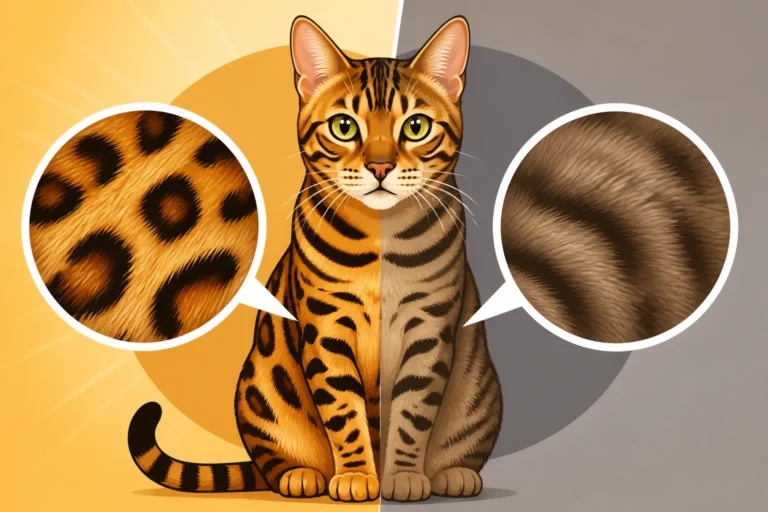
When you run your hand over a Bengal cat, you'll immediately notice the difference. Their coat feels incredibly soft, smooth, and luxurious, almost like silk or velvet. This isn't just a pleasant sensation; it's a key indicator of its structure. Bengal cats have what's often described as a "pelted" coat, which means the hairs lie very close to their body, giving them that sleek, wild appearance.
Unlike many domestic cats, who often have a thick, woolly undercoat that contributes significantly to shedding and matting, Bengals generally have a very minimal undercoat. This lack of dense underfur is a game-changer for grooming. It means less insulation, which is why some Bengals might seek out warmer spots, but it also means vastly reduced shedding and a much lower propensity for mats and tangles. Imagine not having to deal with those stubborn clumps of hair that accumulate on furniture and clothing – it’s a dream come true for many cat owners, and it's a reality for those living with a Bengal. This unique coat structure is a primary reason Why a Bengal Cat's Coat Feels Like Nothing Else and why daily, intensive brushing simply isn't necessary.
The Glitter Gene and Its Impact on Coat Maintenance
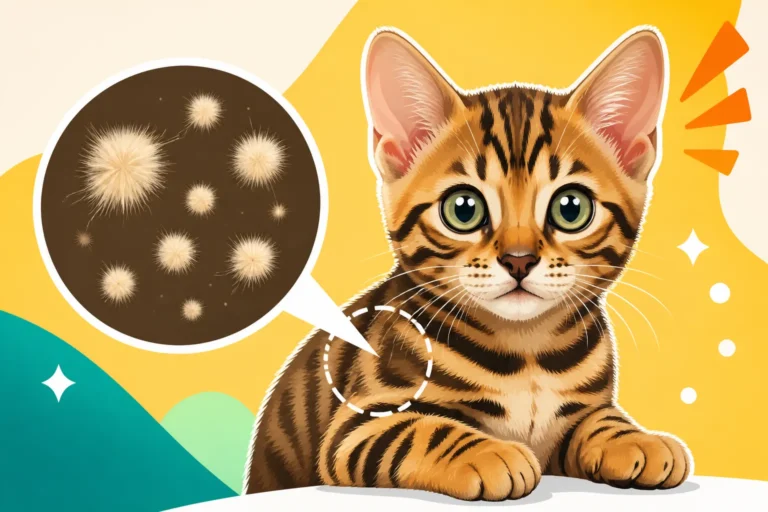
Beyond the pelted texture, many Bengal cats possess another fascinating genetic trait: the "glitter gene." This isn't actual glitter, of course, but a unique characteristic of the hair shaft itself. When light hits a Bengal's coat, especially in direct sunlight, it appears to sparkle and shimmer, as if dusted with gold or silver. This visual magic comes from the individual hair shafts being hollow or translucent, allowing light to penetrate and reflect in a special way.
What does this have to do with grooming? The glitter gene contributes to the incredibly smooth and non-porous nature of the individual hair strands. These sleek, fine hairs resist dirt and oils much more effectively than typical cat fur. Think of it like a highly polished surface versus a matte one – the polished surface repels grime better. This means that a Bengal's coat tends to stay cleaner, shed dirt more easily, and requires less intervention from us humans to maintain its pristine condition. It's another natural adaptation that makes their grooming needs remarkably low, allowing your Bengal to self-groom with exceptional efficiency. What the Glitter Gene Does to a Bengal Cat covers this in more detail.
The Reality of Bengal Cat Shedding
One of the persistent myths about Bengal cats is that they don't shed at all. While it's true they shed significantly less than many other breeds, it's crucial to understand that all cats shed. Your Bengal is no exception, but the nature of their shedding is distinctly different, leading to far less impact on your home and wardrobe.
Dispelling the Myth: Bengals Still Shed (Just Not Like Others)
Let's get this straight: if anyone tells you their Bengal cat doesn't shed, they're probably either exaggerating or simply haven't noticed the subtle way these cats renew their coats. Bengals absolutely do shed, but it's often so minimal and the hairs are so fine that it's barely perceptible. You won't find tumbleweeds of cat hair rolling across your floors, nor will your dark clothes become a furry advertisement for your feline friend after a single cuddle.
Their single, sleek coat means that the hairs that do shed are typically very fine and tend to be less noticeable. They're often shorter and less likely to cling to fabrics or create large clumps. Instead of a thick, fluffy undercoat shedding en masse, a Bengal’s shedding is more like a constant, imperceptible turnover of individual hairs. This is why many owners claim they don't shed – because the amount and type of hair are so manageable that it often blends into the background. It's a far cry from the shedding habits of a Persian or even a standard domestic shorthair, which can leave a visible trail. This is a huge benefit for owners who are tired of constant vacuuming and lint-rolling, and it's one of the practical reasons Why Bengal Cat Hair Does Not Show on Furniture.
Seasonal Changes and Hormonal Influences on Shedding
While Bengals are generally low-shedders, it's unrealistic to expect zero variation throughout the year. Like all mammals, their coat can respond to environmental cues, albeit subtly. You might notice a very slight increase in shedding during seasonal transitions, particularly in spring as they lighten their coat for warmer weather, or in autumn as they prepare for winter. However, even these "shedding seasons" for a Bengal are often far less dramatic than a regular housecat's peak shedding.
Beyond seasonal shifts, hormonal factors can also play a role. Intact (unspayed or unneutered) cats might experience some hormonal shedding, though this is usually less about massive hair loss and more about changes in coat texture or density. Stress, diet, and overall health also influence coat quality and shedding. A Bengal cat that is unwell, stressed, or on a poor diet might show a duller coat or shed a bit more than usual, regardless of the season. This is why a healthy diet, plenty of enrichment, and regular vet check-ups are always important to keep their coat, and them, in top condition.
How Often a Bengal Cat Actually Needs Brushing
So, if they shed minimally and their coats are self-maintaining, how often should you brush your Bengal? The good news is, it's far less often than you might think, and it can become a wonderful bonding experience rather than a necessary chore.
The Minimalist Approach: Once a Week or Less
For most healthy Bengal cats, a truly minimalist brushing routine is perfectly adequate. We're talking once a week, or even every couple of weeks, depending on your cat's individual needs and your personal preference. The primary goal of these brushing sessions isn't necessarily to remove copious amounts of loose fur – because there usually isn't much to remove! Instead, it's about a few key things:
Firstly, it's an excellent opportunity for bonding. Many Bengals absolutely adore the attention and gentle strokes of a brush, turning grooming into a relaxing, affectionate ritual. It's a moment for quiet connection, reinforcing your relationship with your energetic companion.
Secondly, it's a chance for a quick health check. As you brush, you can visually inspect their skin for any dry patches, redness, bumps, or parasites. You can also feel for any unusual lumps or tenderness. This proactive observation can catch potential health issues early, which is invaluable. Remember, What Most Bengal Cats Die Of often relates to underlying health conditions that early detection can help manage.
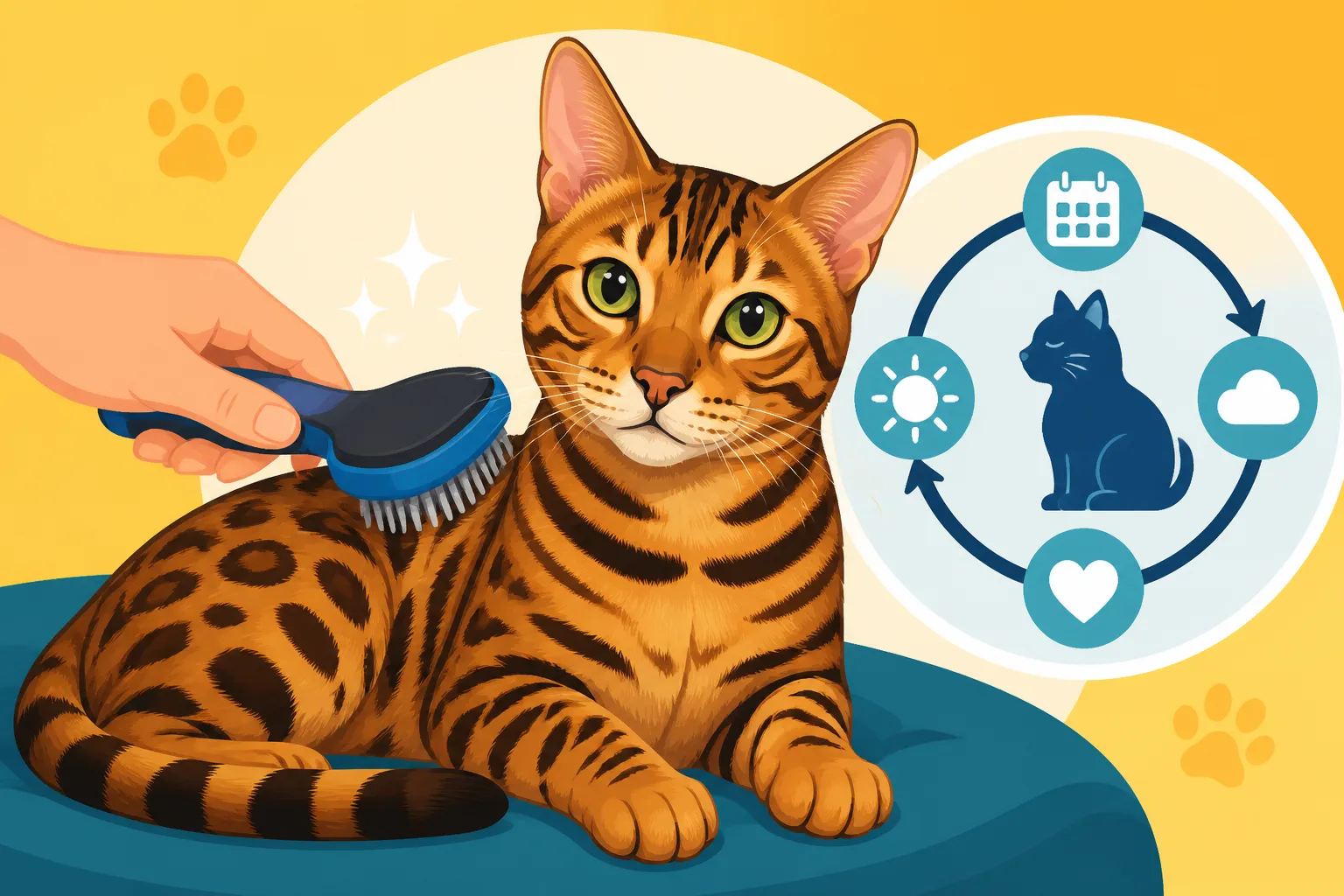
When it comes to tools, you don't need anything heavy-duty. A simple rubber curry brush or a grooming glove works wonders, gently massaging the skin and collecting any loose hairs without irritating their delicate skin. A soft bristle brush can also add a lovely shine to their already lustrous coat. Avoid harsh wire brushes or de-shedding tools designed for cats with thick undercoats, as these are overkill for a Bengal and could even cause discomfort. Many owners find excellent grooming tools on sites like Amazon or Chewy that are gentle enough for their Bengal’s unique pelt.
When to Increase Brushing Frequency
While weekly or bi-weekly brushing is the norm, there are a few situations where you might want to pick up the brush more often. These aren't typically about preventing mats but rather about comfort, hygiene, or health monitoring.
Older Bengals, for example, sometimes become less flexible or have reduced energy for self-grooming. As your Bengal enters their senior years, you might notice their coat becoming a little duller, or they might miss spots when cleaning themselves. In these cases, increasing brushing to two or three times a week can help them maintain their coat health and comfort, gently stimulating their skin and distributing natural oils. This is part of Caring for a Bengal Cat Past Ten.
Another reason might be if your Bengal gets particularly messy. Their active, curious nature means they might occasionally find themselves in a situation where their coat needs a bit of extra help – perhaps they rolled in something outdoors (if they have a catio, for instance) or got into a sticky substance. A quick brush can help remove debris before it becomes an issue.
Finally, for Bengals who absolutely adore being brushed, there’s no harm in more frequent sessions! If your cat purrs, rubs against the brush, and clearly enjoys the attention, turning it into a daily ritual for a few minutes can be a wonderful way to deepen your bond. It's not a necessity for their coat, but it's certainly a perk for both of you.
The Importance of Early Habituation
No matter how low-maintenance a Bengal's coat is, it’s always a good idea to introduce brushing early in their kittenhood. Starting these gentle sessions when they are young, even just for a minute or two with a soft brush or grooming glove, helps them associate grooming with positive experiences.
By making brushing a routine part of their life from a young age, you’re not just getting them used to the brush; you’re teaching them to tolerate being handled. This has far-reaching benefits beyond coat care. It makes future vet visits, nail trims, and other necessary examinations much less stressful for both you and your Bengal. A cat that is comfortable with being touched and gently restrained is a much easier patient and a happier companion. Think of it as laying the groundwork for a lifetime of cooperative care. A positive early experience with a grooming glove or soft brush can make all the difference, making grooming a calm, enjoyable interaction rather than a struggle.
Beyond Brushing: Comprehensive Coat and Skin Health
While brushing a Bengal cat isn't an arduous task, maintaining their stunning coat involves more than just a brush. A truly healthy coat reflects overall well-being, stemming from good nutrition, appropriate hygiene, and regular health checks.
Diet and Its Role in a Healthy Coat
You know that old saying, "you are what you eat"? Well, the same goes for your Bengal cat, and it dramatically impacts their coat. A shiny, soft, and healthy pelt is often a direct result of a high-quality, balanced diet. Bengals, with their athletic build and high energy levels, thrive on a diet rich in animal protein. Look for foods where meat is the first ingredient, providing the essential amino acids necessary for strong, healthy hair growth.
Essential fatty acids, particularly Omega-3 and Omega-6, are also crucial for skin and coat health. These can often be found in fish oils or specific dietary supplements, and many premium cat foods incorporate them. A deficiency in these nutrients can lead to dry, flaky skin, a dull coat, and even increased shedding. Conversely, a diet optimized for their carnivorous needs can result in a coat so vibrant and smooth it practically gleams on its own, minimizing any need for excessive grooming. Remember, The High Protein Argument for a Bengal Cat isn't just about muscle; it’s about their whole body, right down to each shimmering hair.
Bathing: Is It Necessary for a Bengal?
Here’s another point where Bengal cats often diverge from typical feline expectations: they usually don't need regular baths. In fact, most Bengals go their entire lives without needing more than a spot clean. Their efficient self-grooming combined with that unique, dirt-repelling coat usually keeps them immaculate. Plus, many Bengals have a surprisingly strong aversion to feeling greasy or dirty and are diligent about keeping themselves pristine. Why a Bengal Cat's Gut Is So Sensitive often translates to careful self-care.
However, there are exceptions. If your Bengal manages to get truly filthy – perhaps they rolled in mud during a supervised outdoor excursion to their catio, or got into something sticky and smelly indoors – a bath might be necessary. Given their unique affinity for water, some Bengals actually tolerate, or even enjoy, a shallow bath! Why a Bengal Cat Loves Water is a real phenomenon. If a bath is needed, use a cat-specific shampoo to avoid irritating their skin. Ensure thorough rinsing and drying to prevent skin issues. For the vast majority of owners, though, a Bengal's natural cleanliness means you can usually skip the suds.
Spotting Skin Issues and Parasites
Even with a relatively low-maintenance coat, it’s important to stay vigilant about your Bengal’s skin health. Brushing sessions, even infrequent ones, provide an ideal opportunity to do a quick visual and tactile inspection. As you gently run the brush over their body, pay attention to what you see and feel.
Look for any signs of dryness, flakiness, or redness on their skin. Persistent scratching or over-grooming in a particular spot could indicate an allergy, dry skin, or a pest issue. Check for any small bumps, scabs, or lesions that weren't there before. These could be anything from bug bites to more serious skin conditions that require veterinary attention.
Parasites like fleas, ticks, or mites are another concern. While fleas are tiny, you might spot "flea dirt" (small black specks, which are flea feces) on their skin, especially around the base of the tail or on their belly. If you see anything suspicious or your Bengal seems unusually itchy, a visit to the vet is in order. Regular inspection is a key part of preventative care, helping you keep your Bengal comfortable and healthy. It allows you to be proactive, rather than reactive, to any emerging issues.
Bengal Cat Grooming Frequency Overview
Here's a quick summary to help you remember the general guidelines for brushing your Bengal cat's unique coat:
| Trait / Condition | Recommended Brushing Frequency | Rationale |
|---|---|---|
| Healthy Adult Bengal | Once a week or every 1-2 weeks | Low shedding, self-cleaning pelt coat, great for bonding and quick health checks. |
| Senior Bengal | 2-3 times a week | May have reduced self-grooming ability, helps stimulate circulation and distribute oils, offers comfort. |
| Shedding Season (Minor) | 1-2 times a week | To help remove the slightly increased amount of fine, loose hairs, still very minimal compared to other breeds. |
| Messy/Dirty Coat | As needed (after incident) | To remove debris, mud, or sticky substances. Most Bengals will self-clean, but sometimes a little help is necessary. |
| Bonding/Enjoyment | Daily (if cat enjoys it) | Purely for pleasure and strengthening your bond. Not necessary for coat health, but wonderful for connection. |
| Skin Issues/Parasites | Daily (focused area) | To monitor condition, apply topical treatments (if prescribed), and assess progress. |
Disclaimer
This article is for general informational purposes only and does not constitute professional advice. Laws, prices and regulations vary by location and change over time. Consult a qualified professional for guidance on your specific situation.