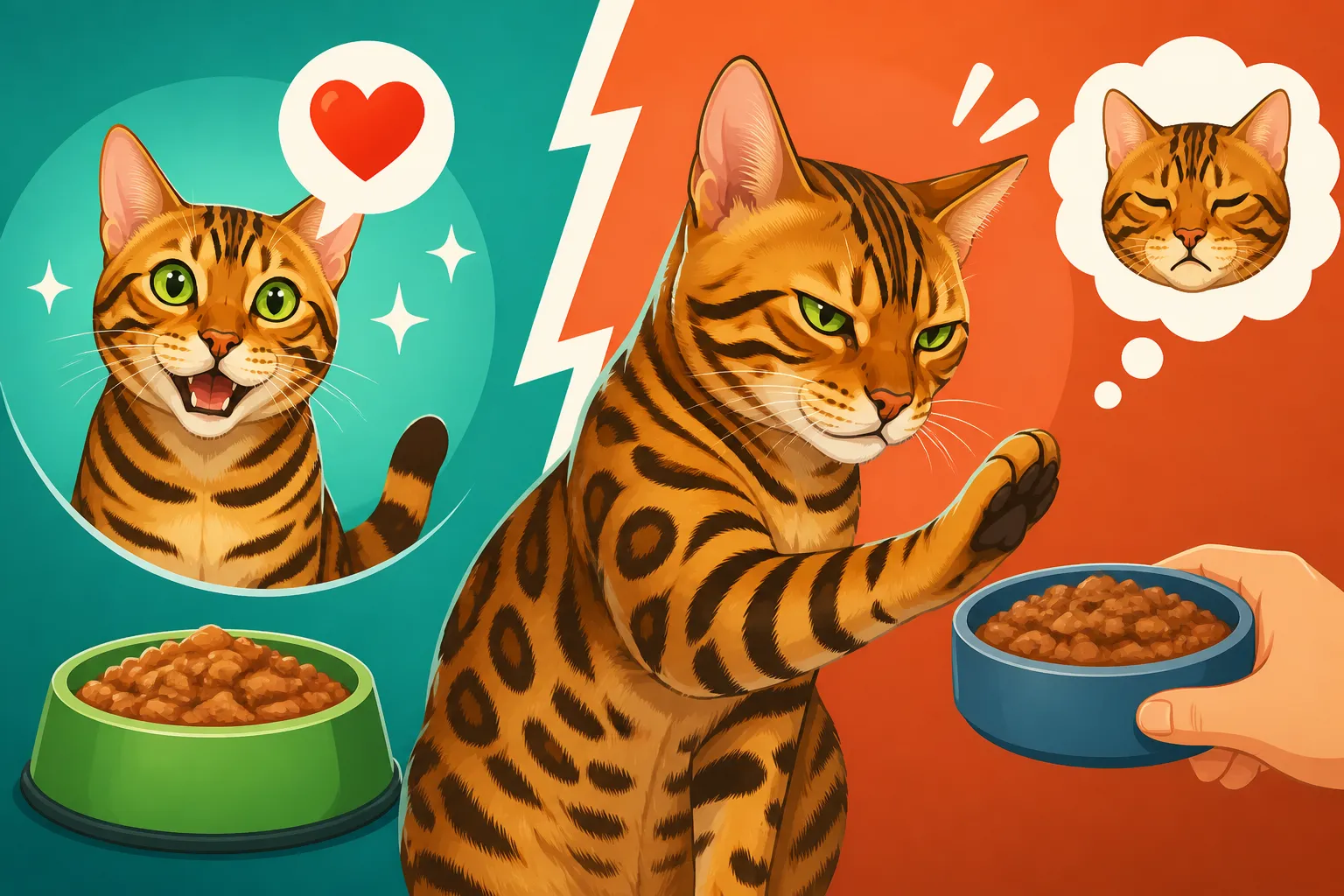
Why a Bengal Cat Refuses a Food It Ate Last Week
It's incredibly frustrating, isn't it? You spend good money on a premium food your Bengal cat seemed to adore just last week, only to watch them sniff it disdainfully and walk away as if you’ve offered them plain cardboard. This sudden aversion to a previously loved meal is a common head-scratcher for many Bengal owners. This guide will help you unravel the mystery of your Bengal's fickle palate and give you practical strategies to ensure your energetic companion gets the nutrition they need without the daily mealtime drama.
Decoding Your Bengal Cat's Fickle Eating Habits
Bengal cats are a special breed, celebrated for their stunning wild looks and their vibrant, intelligent personalities. However, alongside their many charms, they also come with some unique quirks, and their eating habits are often high on that list. Unlike some more placid breeds, Bengals can be incredibly particular about their food, sometimes appearing to get bored with a meal almost overnight. This isn't necessarily just fussiness; it can stem from their sensitive systems, high intelligence, or even subtle changes you might not notice.
The Role of Novelty and Boredom
Think about how curious and active your Bengal is. They thrive on new experiences, challenges, and constant stimulation. This innate drive for novelty extends to their food bowls. A Bengal who eats the same thing, day in and day out, might simply become bored with the monotony. It’s not that the food is suddenly bad; it’s just that it’s no longer exciting. Imagine eating your favorite meal every single day for months – eventually, even that culinary masterpiece might lose its luster. Bengals operate on a similar principle. They might love a particular flavor or texture initially, but once the novelty wears off, their interest wanes, leading them to refuse a food they devoured with gusto just days prior.
This isn't to say you need to introduce an entirely new cuisine every other day, but variety can play a crucial role. For a breed that constantly seeks engagement, mealtime can become another opportunity for mental stimulation. What a Bored Bengal Cat Chews highlights just how destructive a Bengal can be when under-stimulated, and sometimes food rejection is a quieter, albeit equally frustrating, symptom of this boredom.
Sensitive Digestive Systems
Many Bengal owners will tell you about their cat's notoriously sensitive stomachs. While their wild ancestors might have had a robust diet of fresh prey, domestication and modern cat food formulations can sometimes clash with a Bengal's delicate gut. Why a Bengal Cat's Gut Is So Sensitive delves into this further. A food that seems fine one week might subtly upset their stomach the next, even if the ingredients haven't changed. They might experience mild discomfort, gas, or just a general feeling of "offness" after eating it, and being intelligent creatures, they quickly associate that feeling with the food.
This isn't always obvious to us. Your Bengal might not visibly vomit or have diarrhea, but a persistent low-level nausea or bloat could be enough for them to decide that particular food isn't worth the trouble. Over time, this can lead to a long list of "rejected" foods that you’ve tried and failed with. It's a frustrating cycle, especially when you're trying your best to provide them with high-quality nutrition.
Navigating Dietary Needs and Food Preferences
Understanding why your Bengal is being particular is the first step, but the next is knowing what kind of food generally appeals to them and caters to their specific needs. Their wild ancestry does play a part here, even generations removed from the Asian Leopard Cat.
The High Protein Argument for Bengals
Bengal cats are lean, muscular, and incredibly active. This high energy output means they have significant caloric and protein requirements. What a Bengal Cat Eats to Fuel That Activity explores this in detail. Their bodies are built for hunting and constant movement, which translates to a need for a diet rich in animal-based protein. When a food lacks sufficient high-quality protein, it might not satisfy them on a fundamental level, even if they initially eat it. They might feel hungry sooner, or their bodies might instinctively tell them it's not providing the fuel they truly need.
This isn't just about quantity but quality. Cheap fillers and plant-based proteins might make a food "high protein" on the label, but a Bengal's carnivorous digestive system is designed to process animal protein most efficiently. If a food isn't meeting their intrinsic biological needs, even subconsciously, they might start to push it away. This is why many owners lean towards diets that mimic their ancestral diet more closely.
The Wet Food Advantage and Raw Considerations
For a Bengal with a sensitive stomach or pickiness, wet food often holds an advantage. It provides more moisture, which is excellent for kidney health and can be easier on the digestive system. Why Wet Food Suits a Bengal Cat's Gut explains this in more detail. The aroma and texture of wet food can also be more appealing to a finicky eater. Dry kibble, while convenient, can sometimes be bland and less hydrating. Why Dry Food Alone Underfeeds an Active Bengal Cat further emphasizes the importance of moisture in their diet.
Some Bengal owners take this a step further and explore raw feeding. What a Raw Diet Involves for a Bengal Cat details the commitment and research needed for this approach. While raw diets can be controversial and require careful handling to be nutritionally complete and safe, many owners report that their Bengals thrive on them, exhibiting excellent energy, coat condition, and a much more enthusiastic appetite. However, it's a significant undertaking and not for every owner or cat.
When a Limited Ingredient Diet Might Be Needed
If your Bengal's pickiness seems linked to digestive upset or allergies, a limited ingredient diet (LID) might be the answer. When a Bengal Cat Needs a Limited Ingredient Diet is a great resource if you suspect this. LIDs strip away common allergens and difficult-to-digest ingredients, offering a simpler formula that can give your cat's system a break.
The challenge here is finding a protein source your Bengal hasn't developed an aversion to yet. Often, novel proteins like duck, venison, or rabbit are used in LIDs because cats haven't been exposed to them as frequently. This is something to discuss with your veterinarian, as they can help guide you through an elimination diet and recommend appropriate LID options. Brands often have both wet and dry LID formulas, and you can explore options on sites like Chewy, which carries a wide range of specialized diets.
Strategies for a Fussy Eater
It might feel like you're constantly at war with your Bengal's food bowl, but there are definitely strategies you can employ to make mealtime less of a battle and more of a bonding experience.
Varying Textures and Flavors
Since novelty is a driving factor, consider rotating food types or brands. Instead of feeding one type of kibble forever, offer a few different high-quality wet foods on a rotating basis. You could also try different textures – pâté one day, shredded in gravy the next. Many Bengals appreciate this variety. Just be sure to introduce new foods gradually to avoid upsetting their sensitive tummies. A good rotation might involve 2-3 different wet foods from different brands, switching every few days or weeks.
| Food Type | Appeal to Bengals | Potential Benefits | Considerations |
|---|---|---|---|
| Wet Food | High moisture, strong aroma, variety of textures | Hydrating, often palatable, aids digestion | Can be more expensive, spoils quickly once open |
| Dry Kibble | Crunchy texture, convenience | Cost-effective, good for dental health (some) | Lower moisture, less aroma, can be boring |
| Raw Diet | Mimics natural prey, highly palatable for some | High protein, excellent digestion, shiny coat | High cost, requires careful handling, not for all |
| Fresh/Human-Grade | High quality ingredients, minimal processing | Highly palatable, digestible, good for sensitive guts | Very expensive, often subscription-based |
Fresh, human-grade food services might appeal to a Bengal who's turned up their nose at everything else. These services deliver pre-portioned, high-quality meals that can sometimes entice even the pickiest eaters.
Enhancing Palatability
Sometimes, a little extra something is all it takes to make a familiar food appealing again. Food toppers can work wonders. This could be a sprinkle of freeze-dried meat treats, a dash of nutritional yeast, a bit of warm water or low-sodium bone broth to create a gravy, or even a small amount of tuna juice (in water, not oil). Just be careful not to overdo it or introduce new allergens.
Presentation also matters. Some Bengals prefer wider, shallow bowls that don't irritate their whiskers, or even ceramic dishes over plastic. Ensuring the food is at room temperature can also enhance its aroma and appeal. Try elevating the food bowl slightly, too; some cats find eating from a slightly raised position more comfortable.
Engaging Them at Mealtime
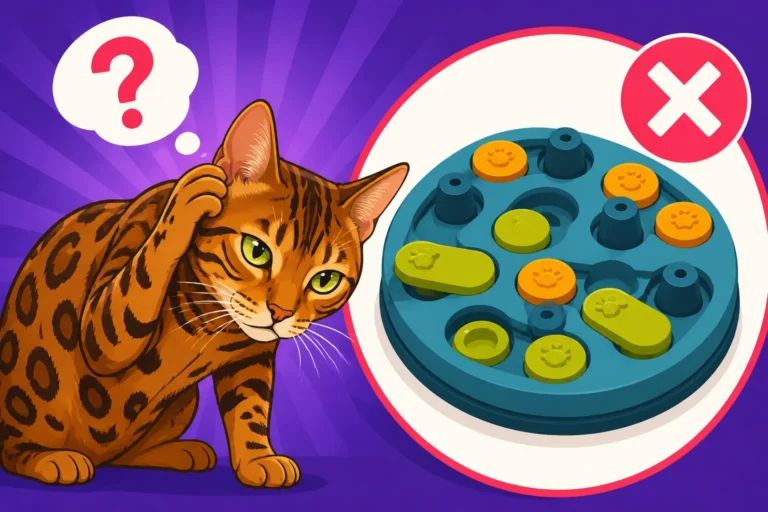
For such intelligent and active cats, mealtime can be more than just eating; it can be an activity. Puzzle feeders are fantastic for Bengals because they tap into their natural hunting instincts and make them "work" for their food. This not only slows down their eating (which can be good for digestion) but also provides mental stimulation, potentially making the food seem more rewarding. Whether a Puzzle Feeder Tires a Bengal Cat explores how these can be a great tool. You can find many different types on Amazon or Chewy, from simple treat dispensers to more complex mazes.
Another trick is to split their daily food allowance into smaller, more frequent meals. How Much to Put Down for a Bengal Cat at Each Meal and How Much a Bengal Cat Eats a Month give you a good idea of their dietary needs. Bengals are built for many small "hunts" throughout the day rather than one or two large feasts. This can keep them interested and prevent them from feeling overwhelmed by a large bowl of food.
Rule Out Medical Issues
Before assuming your Bengal is just being a diva, it's crucial to rule out any underlying medical conditions. A sudden change in appetite or refusal to eat could be a sign of dental problems, kidney disease, pancreatitis, inflammatory bowel disease, or a host of other health issues. Even something as simple as a hairball can cause a temporary loss of appetite. If your Bengal goes more than 24 hours without eating, especially if they show other symptoms like lethargy, vomiting, or diarrhea, contact your veterinarian immediately. Cats, particularly male cats, can develop serious liver issues (hepatic lipidosis) if they don't eat for extended periods.
Regular veterinary check-ups are essential for Bengal cats, just like any other pet. Your vet can perform a thorough examination, including blood work and possibly dental checks, to rule out any health problems that might be making your cat reluctant to eat. Sometimes, all it takes is a professional assessment to find the real culprit behind the pickiness.
Disclaimer
This article is for general informational purposes only and does not constitute professional advice. Laws, prices and regulations vary by location and change over time. Consult a qualified professional for guidance on your specific situation.