How to Save a Sofa From a Bengal Cat
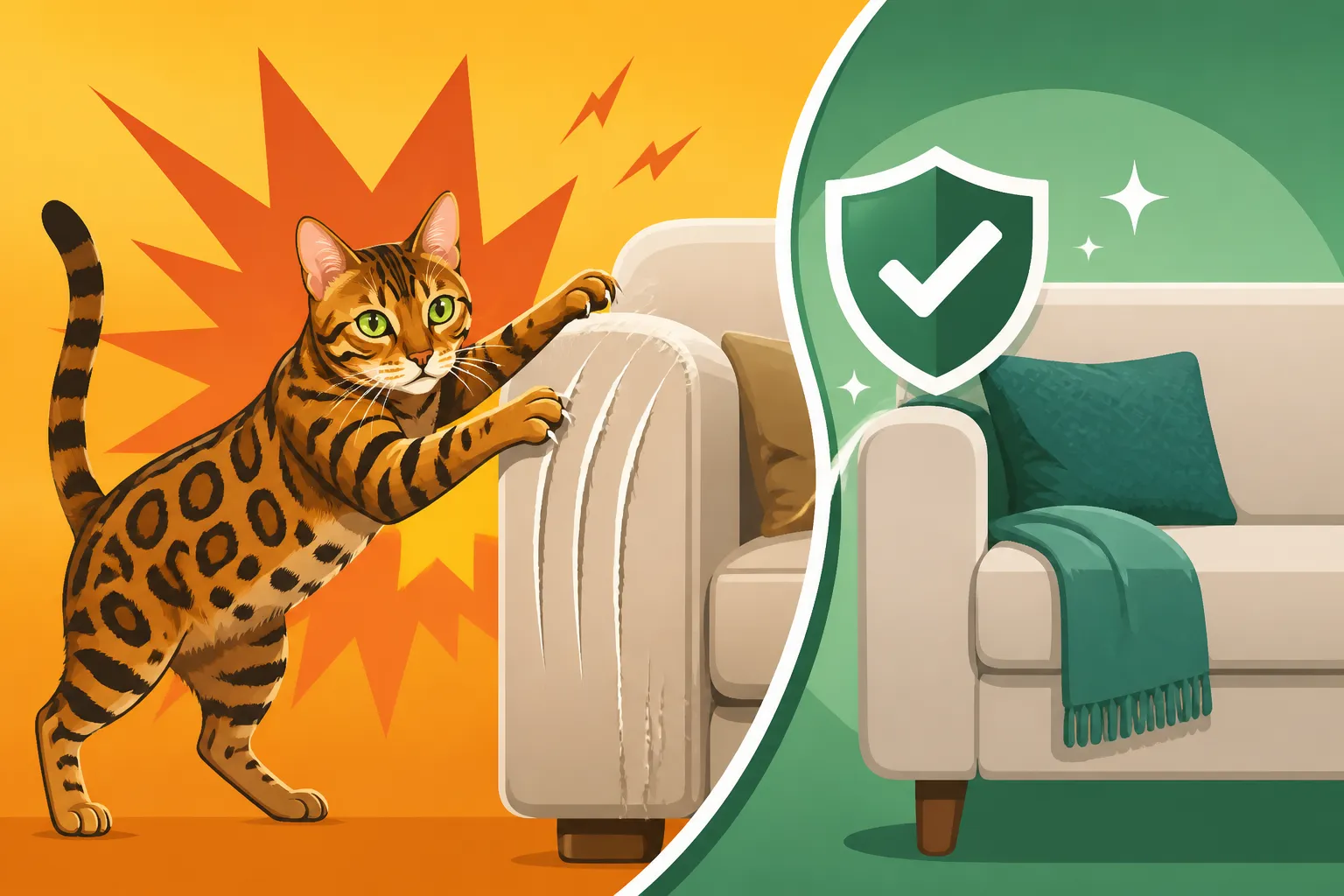
Oh, the beloved sofa. That beautiful, comfy piece of furniture you invested in, picturing cozy evenings with your sleek, stunning Bengal cat curled up beside you. Then reality hits: those sharp, wildcat claws find their way to the upholstery, and suddenly your dream couch is looking more like a shredded tiger toy. It's a truly frustrating problem, but don't despair! This guide is here to walk you through exactly how to protect your furniture and redirect that powerful scratching instinct.
Understanding Your Bengal Cat's Scratching Instincts
Before we even think about protecting your sofa, we need to get into the head of your Bengal cat. Scratching isn't a malicious act; it's deeply ingrained behavior that fulfills several vital functions for them. Trying to stop it entirely is like trying to stop a bird from flying – it just won't happen, and trying to force it will only cause stress for both of you.
Why Scratching Is Non-Negotiable for Bengals
First and foremost, scratching helps maintain healthy claws. Cats shed the outer layers of their claws, much like we shed skin, to keep them sharp and functional. This process, called "shedding the nail sheath," is crucial. Imagine having overgrown, dull nails that you couldn't properly retract; that's what it would feel like for your Bengal if they couldn't scratch. Beyond basic grooming, scratching is a fantastic way for them to stretch their muscles. Have you ever seen your Bengal arch their back, extend their front paws, and really dig in? That full-body stretch feels amazing to them, working all the muscles from their shoulders down to their toes. It's an important part of their daily exercise routine, especially for such an active breed.
Then there's the territorial aspect. Cats have scent glands in their paws. When they scratch, they're leaving behind a visual mark (those lovely shredded lines on your furniture) and an olfactory one. It's their way of saying, "I was here! This is my territory!" In a multi-cat household, or even just in a home with humans, this marking is vital for their sense of security and ownership. It tells them and any other perceived feline rivals exactly who rules the roost. It’s a primal communication, far more than just sharpening claws.
The Types of Scratching Bengals Engage In
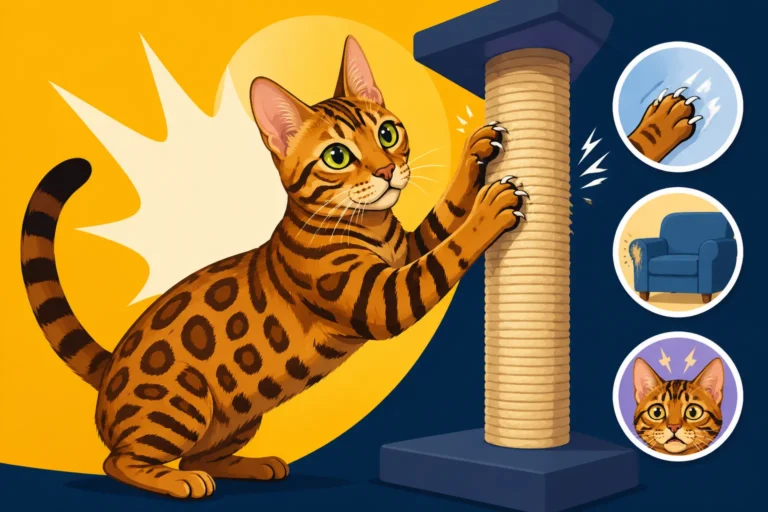
Not all scratching is created equal, and understanding the different types can help you provide appropriate alternatives. You'll primarily observe two main styles. The first is vertical scratching, which is often what causes the most damage to sofas, door frames, and carpeted stairs. Your Bengal will stand on their hind legs, stretch up, and rake their front claws downwards. This action allows for that full-body stretch we talked about and provides a clear, highly visible mark. They often seek out sturdy, immovable objects for this, which is why your sofa arm becomes such a prime target.
The second type is horizontal scratching. For this, your Bengal will typically lie on their side or squat, using their front paws to scratch a flat surface. Think rugs, carpets, or even your wooden floor if they're particularly determined. While perhaps less overtly destructive to a sofa's vertical surfaces, horizontal scratching can still wear down fabrics and create unsightly snags on other household items. Observing which type of scratching your Bengal prefers will be key to selecting the most effective scratching solutions. They might even combine both, depending on the surface and their mood.
Reading Your Bengal's Scratching Habits
To effectively divert your Bengal, you need to become a detective of their scratching habits. Pay close attention to when and where they scratch. Do they make a beeline for the sofa arm as soon as they wake up from a nap? That suggests a post-sleep stretch. Do they scratch near a window when another cat (or even a squirrel outside) is visible? That could be territorial marking. Are they scratching when you walk by, seemingly trying to get your attention? Sometimes, a bored Bengal cat will use scratching as a way to engage with you, even if it's negative attention.
Also, notice the texture of what they prefer. Do they go for the tightly woven fabric, the loose threads, or the solid wood frame? This tells you a lot about their textural preferences. Some Bengals love the feel of sisal rope, while others prefer cardboard or even carpet. By understanding these nuances, you can tailor your anti-sofa strategy to what truly appeals to your individual cat, making your alternative solutions irresistible. This detailed observation is your first and most powerful tool.
Strategic Placement: Where to Put Scratching Solutions
Okay, so we know why they scratch. Now, let's talk about where to put things so they choose the right spot. Placement is just as crucial as the type of scratcher itself. You can have the fanciest, most expensive scratching post in the world, but if it's hidden away in a back room, your Bengal is still going to gravitate towards your sofa in the living room.
Mapping Out High-Traffic Scratch Zones
Think about your home from your Bengal cat's perspective. Where do they enter a room? Where do they nap? Where do they like to stretch after waking up? These are their "scratch zones." The most common culprits are often right next to prime napping spots (like your sofa), near entrances and exits (doorways), and in areas where they like to mark their territory, such as central living spaces. If your Bengal consistently goes for the corner of your living room sofa, that corner is a high-traffic scratch zone. You need to identify all these spots, not just the obvious ones. Sometimes, it's a specific spot in the hallway, or the edge of a favorite rug. Every single place they've chosen to scratch needs a designated alternative. If they’re scratching the arm of the sofa, you need a desirable scratcher right there.
Creating Appealing Alternatives Near the Sofa
This is where the magic happens. Once you've identified the sofa as a target, you need to offer a superior alternative, not just any alternative, but one that is better than the sofa. Place a sturdy scratching post or pad immediately adjacent to the problem area of the sofa. If your Bengal is scratching the left armrest, put a post there. If it's the back, place one behind it. The key is proximity. The approved scratcher needs to be the path of least resistance, the easiest and most tempting option available.
You might even need multiple scratchers in the same room. For an active Bengal, one small post often isn't enough to satisfy their urges. Think of it this way: you wouldn't expect a human to be satisfied with only one type of exercise equipment in their entire house. Give them choices! A tall cat tree with multiple scratching surfaces is a fantastic investment, especially for a breed known for its climbing prowess. Consider How Much Vertical Space a Bengal Cat Needs – they thrive on elevated areas, and a tall scratching post can double as a climbing structure.
Vertical vs. Horizontal: Matching Scratchers to Locations
As we discussed, Bengals have preferences. If your Bengal stands up and scratches the sofa arm, they need a tall, sturdy vertical scratcher. A small, flat cardboard pad on the floor simply won't cut it. Look for sisal-wrapped posts that are at least as tall as your cat stretched out, preferably taller, so they can get a full, satisfying extension. Some great options are available from retailers like Chewy, offering a wide variety to choose from.
Conversely, if your Bengal prefers to recline and rake at the carpet or the lower parts of the sofa, they might prefer a horizontal scratcher. These could be cardboard scratch pads, sisal mats, or even carpeted ramps. Many cats enjoy both, so offering a mix of vertical and horizontal options in key locations is often the most successful strategy. Don't be afraid to experiment! What works for one Bengal might not work for another. The goal is to make the approved scratching surface so appealing that the sofa becomes the second-best option.
Choosing the Right Scratching Posts and Surfaces
This is where many well-meaning cat owners go wrong. They buy a scratcher, but it's too flimsy, too short, or made of the wrong material, and then they wonder why their Bengal ignores it in favor of the sofa. Bengals are discerning, and they need something that truly meets their wild instincts.
The Materials Bengals Love to Shred
When it comes to materials, sisal is often the gold standard for vertical scratchers. Whether it's sisal rope tightly wound around a post or a sisal fabric panel, this coarse, durable material provides excellent resistance and allows cats to really sink their claws in. It mimics the texture of tree bark, which is what their wild ancestors would have used. For horizontal scratchers, corrugated cardboard is a huge hit. It's affordable, replaceable, and cats absolutely love tearing it apart. Many brands, easily found on Amazon, offer various shapes and sizes of cardboard scratchers, sometimes even infused with catnip.
Some cats also enjoy carpeted scratchers, especially if the carpet matches the texture of your actual carpet, which means they might be redirected but still fulfilling a similar need. However, be cautious with carpeted posts if your Bengal already loves scratching your carpet, as it can sometimes reinforce that habit. Wood, especially untreated softwoods, can also be appealing to some Bengals who enjoy really digging in. Variety is important; offer a few different textures to see what your particular Bengal gravitates towards most.
Height and Stability: Essential Features
For vertical scratchers, height is non-negotiable, especially for a large, athletic breed like a Bengal. The post needs to be tall enough for your cat to fully stretch their body upwards while scratching. If they can only reach halfway, they won't get that satisfying stretch and will look elsewhere. I wrote a whole piece on How Tall a Scratching Post a Bengal Cat Needs, and trust me, "tall" is the keyword. Aim for at least 30-36 inches, but taller is often better.
Stability is equally critical. A wobbly scratching post is not only frustrating for your cat but can also be genuinely frightening. If the post tips over while they're using it, they're unlikely to ever trust it again. A heavy base or a wall-mounted scratcher ensures that it stays put, allowing your Bengal to exert all their strength without fear. Imagine trying to do pull-ups on a shaky bar – you wouldn't feel secure! Your Bengal needs that same sense of security when they're putting their weight into a good scratch.
Thinking Outside the Box: Novel Scratching Solutions
Beyond the standard posts and pads, there are many creative ways to satisfy your Bengal's scratching needs. Cat trees often come equipped with multiple sisal-wrapped posts and platforms, providing both vertical scratching opportunities and elevated perches that Bengals adore. Some cat trees even have ramps or enclosures covered in carpet, offering diverse scratching textures.
You can also find wall-mounted scratching panels, which are great for saving floor space and providing a super stable vertical surface. Corner scratchers that fit snugly around furniture legs can be very effective if your Bengal is targeting a specific corner. Even a simple, untreated log from a pet-safe tree can become a favorite scratching spot for some cats, tapping into that primal, natural instinct. Don't limit yourself to what's traditionally marketed as a "scratcher"; observe your cat and think about what natural textures they might find appealing. Providing a variety, as discussed in Which Scratching Post a Bengal Cat Needs, increases your chances of success.
Deterrents and Protectors: Shielding Your Sofa
While providing attractive alternatives is paramount, sometimes you need to play defense. Deterrents and physical barriers can make your sofa utterly unappealing, driving your Bengal to their approved scratchers. This isn't about punishment; it's about making the desired behavior easier and the undesired behavior less rewarding.
Physical Barriers: Making Your Sofa Unappealing
The most straightforward way to stop scratching is to make the area physically unpleasant or impossible to scratch. Clear, double-sided sticky tape (often sold as "cat scratch deterrent tape" on Amazon) is a popular choice. Cats detest the sticky feeling on their paws. Apply it directly to the areas of the sofa your Bengal targets. It’s temporary, safe, and usually highly effective. Eventually, after repeatedly encountering the tape, your cat will associate that spot with the unpleasant stickiness and move on, even after the tape is removed.
Another option is to use furniture protectors made of durable, clear vinyl. These shields can be attached to sofa arms or corners, creating an impenetrable barrier against claws. While perhaps not the most aesthetically pleasing, they are highly effective, especially during the initial training phase. Some owners even drape blankets, old towels, or aluminum foil over targeted areas. The crinkly sound and unfamiliar texture of foil can be a powerful deterrent for many cats. The idea is to break the habit by making the preferred scratching spot unrewarding.
Sprays and Scents: The Olfactory Approach
Cats have a much keener sense of smell than humans, and certain scents are highly repulsive to them. Citrus is a common deterrent. You can find commercial cat repellent sprays that often contain citrus oils, or you can make your own dilute solution of lemon or orange essential oil (always ensure essential oils are heavily diluted and used sparingly, never directly on your cat, and consult your vet if you have concerns). Spray these solutions lightly on the targeted areas of your sofa.
Another effective olfactory deterrent for some cats is the scent of Feliway (or similar pheromone sprays). While not a deterrent in the traditional sense, Feliway Classic diffusers release synthetic facial pheromones that promote feelings of calm and security. If your Bengal is scratching due to stress or anxiety, or marking territory excessively, a diffuser placed in the room can help reduce the urge to scratch by making them feel more secure. Feliway can often be purchased through Chewy or other online pet retailers. It's a subtle approach that works on their emotional state rather than direct aversion.
Temporary Measures for Persistent Scratchers
For particularly stubborn Bengals, or during the initial retraining period, you might need to employ a combination of tactics and be very vigilant. If you catch your Bengal in the act of scratching the sofa, a gentle, startling interruption is key – never punishment. A quick clap, a loud "no!", or a spray from a water bottle (aimed at the sofa, not the cat, to create an aversion to the object, not to you) can break their focus and redirect them to a nearby approved scratcher.
You can also use temporary barriers, like placing a small laundry basket or a stack of books right on the targeted sofa arm when you're not around to supervise. The goal is to make the sofa simply unavailable for scratching, forcing them to seek out the alternatives. Remember, consistency is your best friend here. Every time they go for the sofa and are deterred, and every time they use an approved scratcher and are rewarded, you're reinforcing the right behavior.
Training Your Bengal Cat to Use Approved Scratchers
Deterrents and good scratchers are a great start, but active training helps solidify the new habits. Bengals are highly intelligent, and with the right approach, they can be taught to use their designated scratching areas.
Positive Reinforcement: The Key to Success
Bengals respond incredibly well to positive reinforcement. This means rewarding them immediately when they do something you want them to do. Never punish your Bengal for scratching the sofa; they won't understand why they're being punished, only that you are scary or unpredictable. Instead, focus all your energy on making the approved scratchers the most wonderful things in their world.
When you see your Bengal even sniffing a scratching post, give them praise. If they actually use it, immediately offer a high-value treat, a quick game with their favorite wand toy, or lots of verbal adoration. The quicker the reward follows the desired behavior, the stronger the association will be. Repetition is also important. The more times they get a positive experience from using the scratcher, the more likely they are to choose it in the future.
Lure and Reward Techniques
Sometimes, your Bengal needs a little encouragement to investigate the new scratcher. This is where luring comes in handy. You can sprinkle a little catnip on the scratching post (many cardboard scratchers from Amazon even come with it). The alluring scent will draw them in and encourage them to explore. As soon as they start pawing at it, even just sniffing or rubbing against it, reward them.
Another technique is to use a wand toy. Dangling a feather toy near the top of a vertical scratcher can entice your Bengal to reach up and stretch, naturally engaging their claws with the sisal. As soon as their claws touch the correct surface, again, shower them with praise and a treat. You can even gently take their front paws and guide them through a scratching motion on the approved surface, but only if your cat is comfortable with it and doesn't resist. The goal is to make the scratcher fun and interactive, not a chore.
Patience and Consistency: The Bengal Way
Training a Bengal, like any cat, requires immense patience and unwavering consistency. You can't expect miracles overnight. There will be slip-ups, especially in the beginning. When they do scratch the sofa, simply redirect them to the appropriate scratcher without anger or frustration. Pick them up and place them on or near the scratcher, or lure them over with a toy.
Every single human in the household needs to be on the same page, applying the same rules and offering the same rewards. If one person allows sofa scratching while another discourages it, your Bengal will get mixed signals and take much longer to learn. This commitment to consistency, day in and day out, is truly the "Bengal way" to success. They are clever and observant, and they will eventually pick up on what you want if you are clear and consistent in your communication.
Beyond the Sofa: A Holistic Approach to Claw Care
Protecting your sofa is about more than just scratchers and deterrents; it's about managing your Bengal's claws and ensuring their overall well-being. A happy, well-cared-for Bengal is less likely to resort to destructive behaviors out of boredom or frustration.
Regular Nail Trims: A Prerequisite
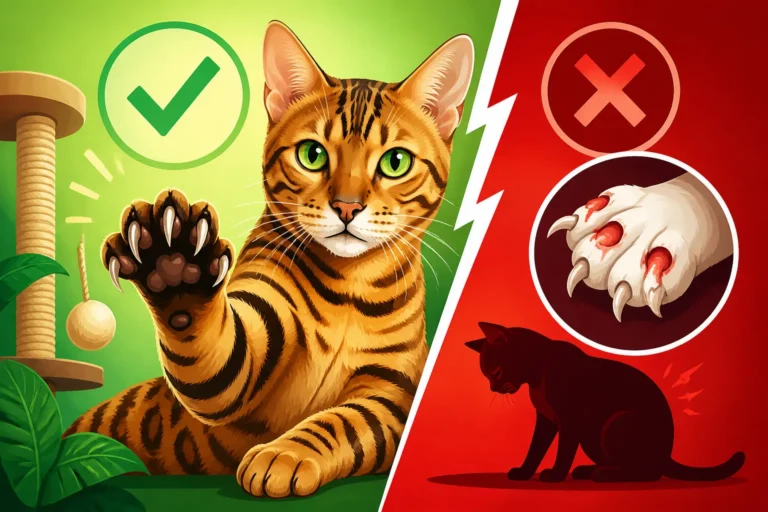
Even with the best scratching posts, regular nail trims are an absolute must for a Bengal cat. This is especially true if you're trying to save your furniture. Keeping their claws trimmed reduces the potential for damage, even if they do have an accidental slip-up on the sofa. Your Bengal's claws grow surprisingly fast – I have an article on Why a Bengal Cat's Claws Outrun the Clippers that details just how quickly they can get sharp again!
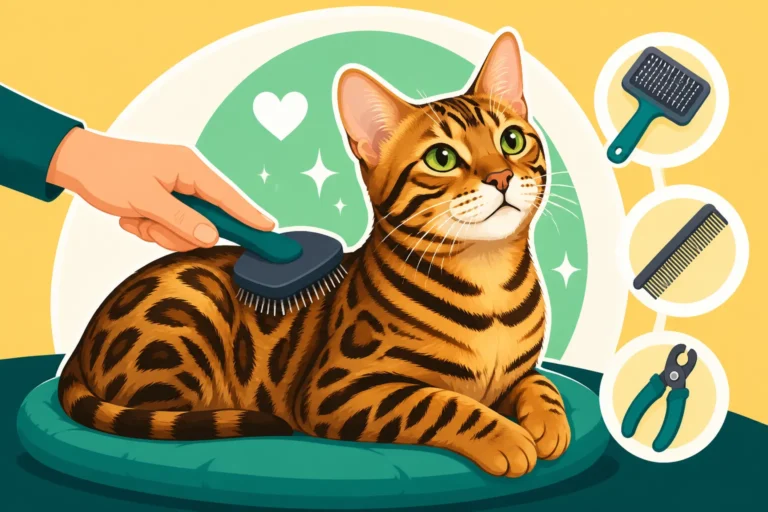
Aim to trim your Bengal's claws every 2-4 weeks. Start early when they are kittens to get them accustomed to the process. Use sharp, cat-specific clippers and only trim the very tip, avoiding the quick (the pink part that contains blood vessels and nerves). If you're unsure, ask your vet or a professional groomer to show you how. Making nail trims a positive experience with treats and praise will make it much easier in the long run.
Soft Paws and Nail Caps: Are They Right for Your Bengal?
For some Bengals, or for owners who are struggling to curb sofa scratching despite their best efforts, soft paws or nail caps can be a temporary solution. These are vinyl caps that are glued over your cat's claws, effectively blunting them so they can't cause damage. They typically last 4-6 weeks before needing replacement as the nail grows.
While they do protect furniture, not all cats tolerate them well. Some Bengals may try to chew them off, which can be irritating or even lead to ingestion. It’s important to introduce them slowly and ensure your cat is comfortable. They also require regular reapplication, which can be a commitment. I've heard some Bengal owners swear by them, while others find their cats are simply too active and clever to keep them on. My post Whether Nail Caps Work on a Bengal Cat delves into this further. They are a good option to consider if other methods are failing, but they aren't a substitute for proper scratching alternatives and training.
Environmental Enrichment to Reduce Stress
A bored or under-stimulated Bengal is a destructive Bengal. These cats are highly intelligent, energetic, and curious, and they need a lot of mental and physical engagement. If they don't have enough outlets for their energy, they might invent their own "games," which can often involve shredding your furniture. How Much Enrichment a Bengal Cat Actually Needs is a vital read for any Bengal owner.
Provide plenty of interactive toys, puzzle feeders (to challenge their minds), regular play sessions with wand toys (at least 2-3 times a day for 10-15 minutes each), and vertical climbing opportunities like cat trees or wall-mounted shelves. A catio is a fantastic investment for a Bengal, offering safe outdoor stimulation that can reduce indoor destructive behaviors. Consider Why a Catio Is the Answer to a Bengal Cat. A well-exercised and mentally stimulated Bengal is a happy Bengal, and a happy Bengal is far less likely to turn your cherished sofa into their personal scratching post.
Remember, the goal isn't to stop your Bengal from scratching, but to redirect that natural instinct to appropriate, satisfying surfaces. With patience, understanding, and the right tools, you and your Bengal can coexist peacefully, and your sofa can live a long, shred-free life.
| Scratching Method | Bengal Instinct Fulfilled | Recommended Product Type | Best Placement | Pros | Cons |
|---|---|---|---|---|---|
| Vertical | Stretching, marking, claw shedding | Sisal posts, cat trees, wall-mounted scratchers | Near sleeping spots, sofa, entryways | Excellent stretch, clear marking, durable | Can be bulky, need to be very stable |
| Horizontal | Claw shedding, stretching (different muscles) | Cardboard scratch pads, sisal mats, carpet squares | Near lounge areas, on floors | Affordable, many cats love texture, replaceable | Can create litter/cardboard mess, less full-body stretch |
| Deterrents | Aversion to unwanted surface | Double-sided tape, vinyl shields, citrus sprays | Directly on targeted sofa areas | Protects furniture, breaks habit | Can be unsightly, may need frequent reapplication |
| Nail Trims | Claw health, reduced damage | Cat nail clippers | Regular routine | Minimizes potential damage, good hygiene | Requires training, risk of quicking if not careful |
| Nail Caps | Furniture protection | Soft Paws / Vinyl Caps | Applied to claws | Immediate protection, no damage | Not all cats tolerate, need reapplication, cost |
Disclaimer
This article is for general informational purposes only and does not constitute professional advice. Laws, prices and regulations vary by location and change over time. Consult a qualified professional for guidance on your specific situation.