When a Bengal Cat Needs Knee Surgery
Patellar luxation in Bengal cats causes slipped kneecaps, limping, and joint pain, requiring veterinary surgery for severe grades.
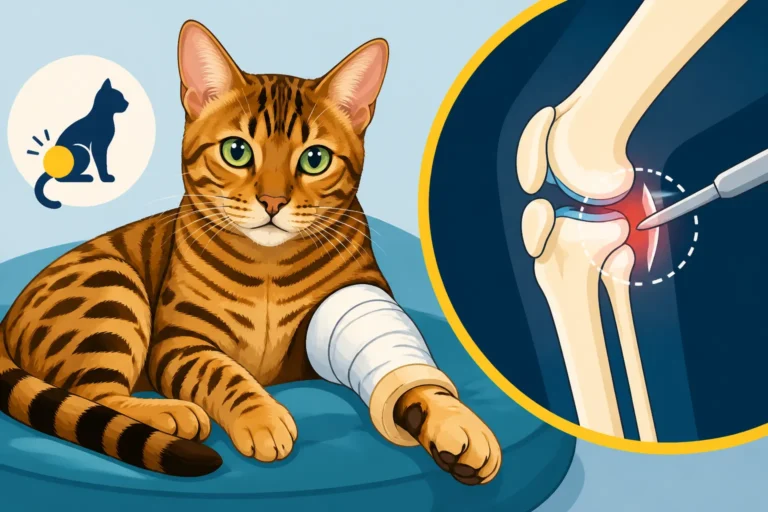
Patellar luxation in Bengal cats causes slipped kneecaps, limping, and joint pain, requiring veterinary surgery for severe grades.
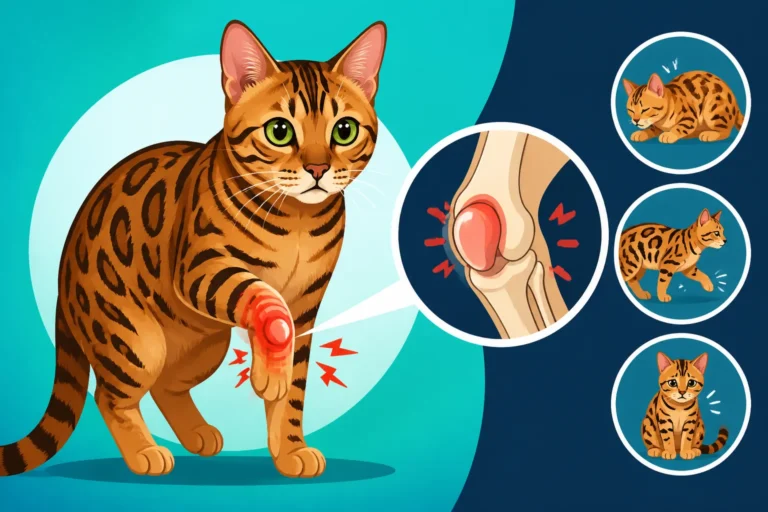
Patellar luxation in Bengal cats causes odd hops and held back legs, signaling a slipping kneecap that disrupts normal joint mechanics.
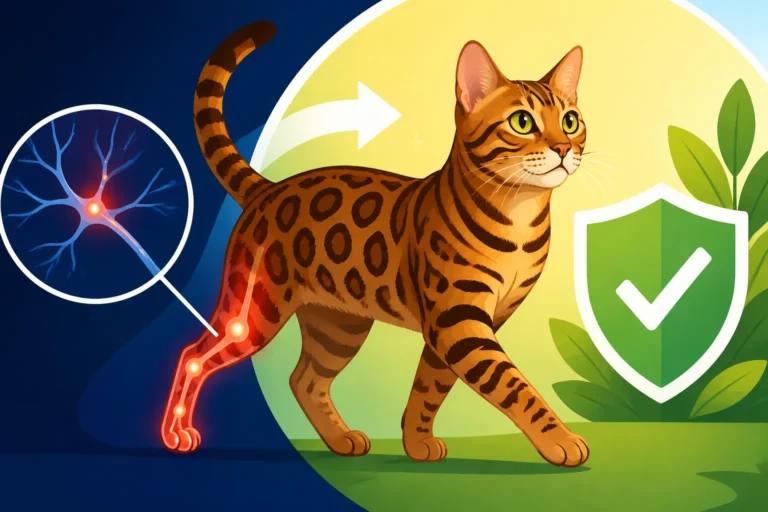
Distal neuropathy in Bengal cats causes nerve damage, weakness, and loss of coordination, but recovery depends on underlying causes.
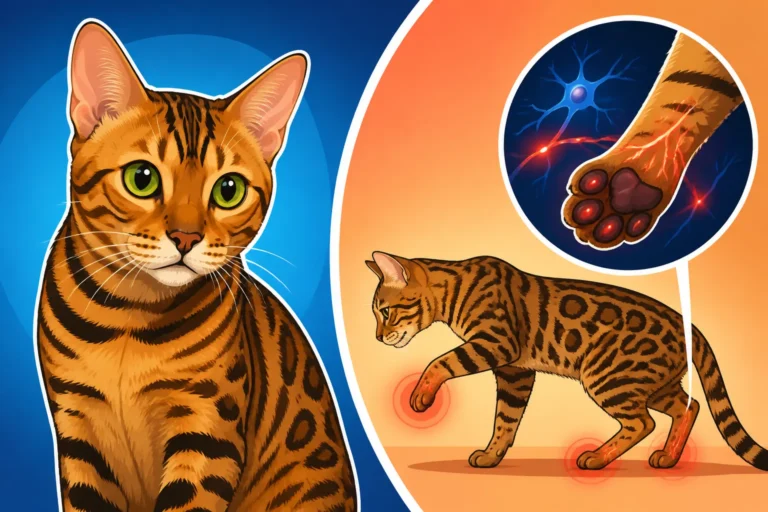
Distal neuropathy in Bengal cats causes progressive peripheral nerve damage, leading to muscle weakness, impaired coordination, and mobility challenges.
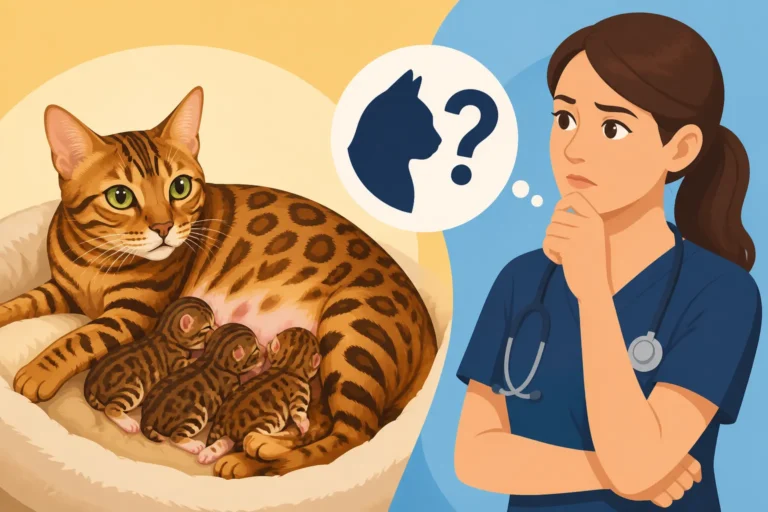
Bengal cat labor stages and critical signs show owners when normal delivery requires immediate veterinary intervention to protect both mother and kittens.
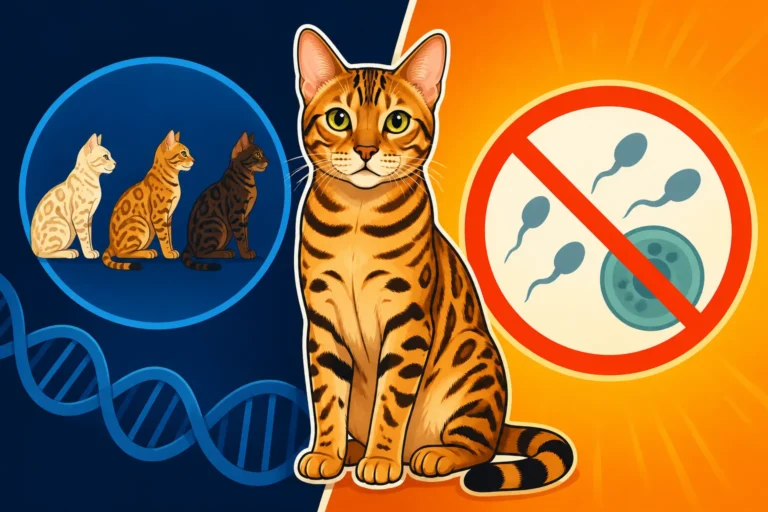
Early generation Bengal cat males experience sterility due to genetic incompatibilities between domestic cats and Asian Leopard Cats.
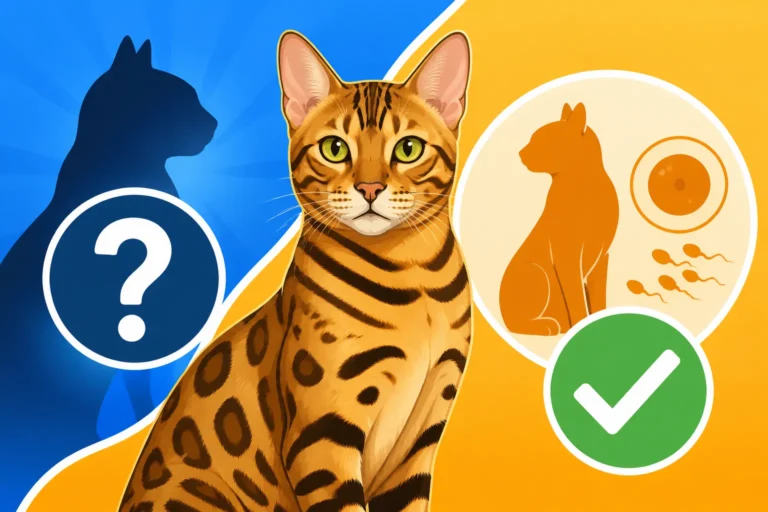
Fertility in early generation Bengal cats, where F1 is 50% Asian Leopard Cat, F2 about 25% and F3 about 12.5%, and wild ancestry affects breeding.
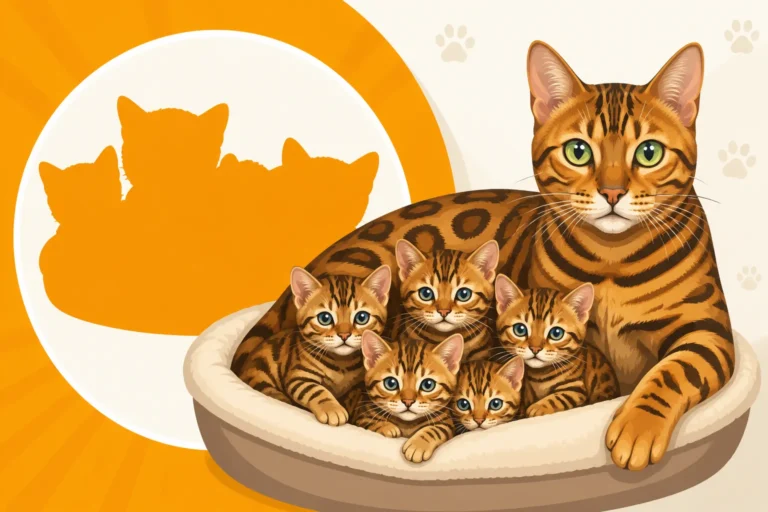
Bengal cat litter sizes typically range from four to six kittens, though some healthy queens produce up to eight newborns.
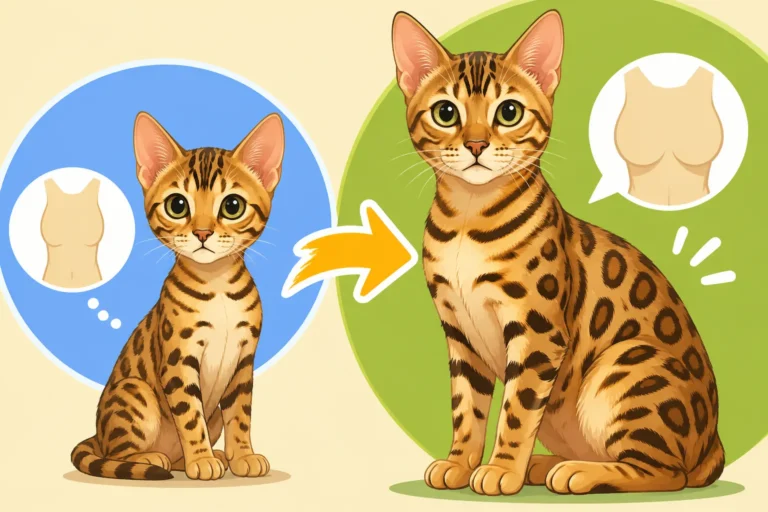
Flat Chested Kitten Syndrome causes abnormal rib cage development in Bengal cats, compressing organs and causing breathing struggles.
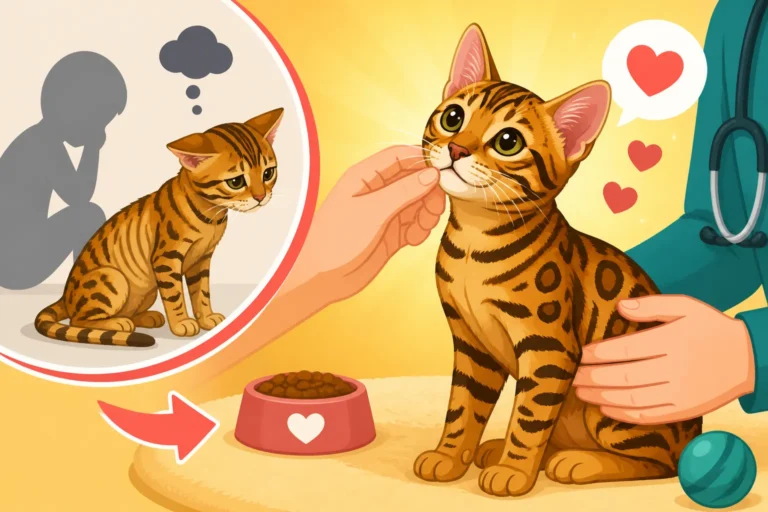
Flat chested kitten syndrome in Bengal cats requires veterinary assessment, supportive care strategies, and early intervention.