Signs a Bengal Cat’s Kneecap Slips
There's nothing quite as unsettling as watching your normally athletic Bengal cat, full of boundless energy, suddenly take an odd hop or hold a back leg up like something's not quite right. You might instinctively think it's a minor sprain, but for many diligent Bengal owners, these subtle cues can be the first signs of a condition known as patellar luxation, or a slipping kneecap. Understanding these initial indications is paramount to ensuring your active companion receives timely care and can continue living their best, most playful life.
Understanding Patellar Luxation in Bengal Cats
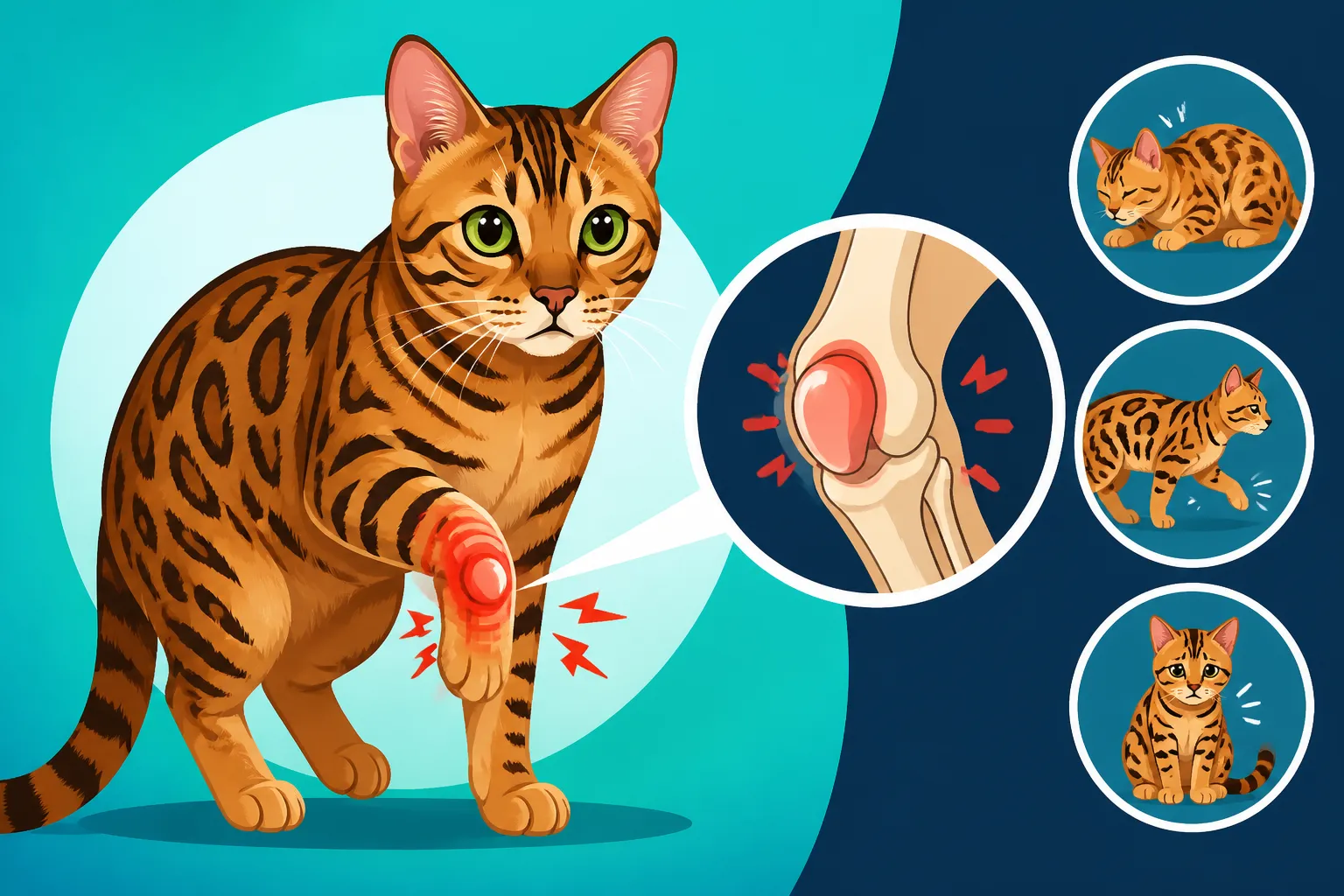
Patellar luxation is a common orthopedic issue, particularly in certain breeds, and while often associated with dogs, it absolutely affects our feline friends, including the incredibly agile Bengal cat. It essentially means the kneecap, or patella, dislocates from its normal position in the trochlear groove of the femur (thigh bone). Instead of gliding smoothly, it slips either to the inside (medial luxation) or outside (lateral luxation) of the knee joint. This can range from a mild, almost imperceptible slippage to a severe, constant dislocation that causes significant discomfort and mobility problems.
The Anatomy of a Slipping Kneecap
To really grasp what's happening, let's picture the knee joint. It’s a complex structure where the femur meets the tibia (shin bone). The patella, or kneecap, is a small, sesame-seed-shaped bone embedded within the quadriceps tendon. This tendon connects the thigh muscles to the shin bone. The patella acts like a pulley, helping these powerful muscles extend the leg. It’s supposed to sit snugly within a shallow groove on the end of the femur, known as the trochlear groove. Ligaments on either side help keep it centered. When the patella moves out of this groove, it disrupts the entire mechanics of the knee, leading to instability, pain, and abnormal movement.
For some cats, the trochlear groove might be too shallow, or the ligaments that hold the kneecap in place might be too loose. Sometimes, the bones of the leg aren't perfectly aligned, causing an abnormal pulling force on the kneecap. Imagine a train running off its track because the track itself isn’t quite right or the train wheels are misaligned. It’s a similar principle here.
Why Bengal Cats Are Susceptible
Bengal cats are renowned for their incredible athleticism, their boundless energy, and their impressive jumping abilities. They are a breed built for movement, with powerful hind legs designed for climbing and exploring. While patellar luxation can occur in any cat breed, this inherent athleticism and their specific body structure might make them more prone to showing signs of the condition, or even developing it. There’s a suspected genetic component, too, meaning certain lines might carry a predisposition. This is why when you're looking for a kitten, asking What a Bengal Cat Breeder Should Have Tested for all common genetic and health conditions is so important.
An active cat puts more stress and strain on its joints than a sedentary one. If there's an underlying structural issue, whether it's a shallow groove or a slight misalignment, the constant high-impact activities of a Bengal – those dramatic leaps, sudden sprints, and vigorous playtime sessions – can exacerbate the problem, causing the kneecap to luxate more frequently or severely. It’s not that their activity causes the condition, but it can certainly highlight and worsen an existing predisposition. Early detection can help manage the condition before it progresses significantly.
Recognizing the Signs of a Slipping Kneecap
Pinpointing the signs of patellar luxation in a Bengal cat can sometimes feel like trying to catch a shadow – they are incredibly adept at hiding pain and discomfort. Their wild ancestry gives them an instinct to mask weakness, making it crucial for owners to be observant and vigilant. What you might see are subtle shifts in their movement or behavior rather than overt lameness. This is especially true for an animal so often described as The Bengal Cat Is the Most Active Cat You Can Own.
Intermittent Limping and "Skipping"
One of the most classic and often overlooked signs of a slipping kneecap is an intermittent limp, commonly described as a "skip" or "hop." Your Bengal might be running or playing, then suddenly pick up one of their back legs for a few steps, carrying it for a moment, before putting it back down and resuming normal activity as if nothing happened. This is usually when the patella slips out of its groove and then quickly pops back into place.
You might notice this more after periods of intense activity, like a zoomie session across the house, or when they're descending stairs. The leg might look a bit stiff when they hold it up, or they might shake it slightly before placing it down. It’s usually not a sustained limp, which can make it easy to dismiss as a momentary stumble. But if you see this "skipping" behavior repeatedly, even if it's brief, it's a strong indicator that something is amiss with their knee. Keep a mental note of when it happens and for how long.
Unusual Gait and Posture Changes
Beyond the occasional skip, patellar luxation can lead to more generalized changes in your Bengal's gait and overall posture. They might start to carry themselves differently, perhaps with a slightly crouched stance in their hindquarters, trying to relieve pressure on the affected knee. You might observe an awkward or stiff walk, particularly after resting, or a reluctance to fully extend the leg.
Cats with patellar luxation might also struggle with activities they once performed with ease. Jumping onto tall furniture, climbing their favorite cat tree, or even using the litter box can become more challenging or painful. They might hesitate before jumping, take a more circuitous route, or even vocalize softly if they feel pain. When they are jumping, you might notice their landing seems a bit off balance or they favor one leg. It’s important to remember that How a Bengal Cat Hides Pain can be incredibly subtle, so any reduction in their usual athleticism should warrant closer inspection.
Pain and Discomfort Indicators
While Bengals are stoic, chronic discomfort or acute pain from a luxating patella can still manifest in behavioral changes. Look for:
- Licking or chewing at the knee area: This is a common self-soothing behavior when an animal is experiencing localized pain or irritation.
- Reduced activity or lethargy: A Bengal that suddenly isn't as interested in playtime, chases, or exploration as usual might be experiencing discomfort. They might sleep more or just seem less enthusiastic.
- Irritability or grumpiness: If touching their leg or interacting with them in certain ways elicits a growl, hiss, or a quick swat, it could be due to pain.
- Loss of appetite or changes in grooming: While less common for mild cases, significant pain can lead to a decrease in appetite or a neglect of their meticulous grooming habits.
- Swelling or warmth around the joint: In some cases, especially if there's inflammation, you might be able to feel slight swelling or warmth around the knee joint. However, this is harder to detect in cats.
It’s about noticing what's different from your cat's normal behavior. If your Bengal, who usually needs How Many Play Sessions a Bengal Cat Needs every day, is suddenly content to just lounge, it's a red flag. These subtle shifts are your cat’s way of communicating that something isn’t quite right.
Next Steps: Diagnosis and Management
If you've noticed any of these signs in your Bengal, the best course of action is to consult with your veterinarian promptly. Early diagnosis can often lead to more effective management and better long-term outcomes for your feline companion. Don’t delay, thinking it will just go away. This condition rarely resolves on its own.
Consulting Your Veterinarian
When you bring your Bengal to the vet, be prepared to describe the specific signs you’ve observed, including when they started, how often they occur, and what seems to trigger them. Your vet will perform a thorough physical and orthopedic examination. This usually involves manipulating the knee joint to feel for the patella slipping out of its groove. They will assess the range of motion, check for pain, and evaluate muscle mass.
The vet will likely grade the patellar luxation on a scale of I to IV:
| Grade | Description | Clinical Signs |
|---|---|---|
| I | Patella can be manually luxated but returns to its normal position spontaneously. | Rarely shows signs; occasional skip, no significant pain. |
| II | Patella luxates spontaneously or manually and remains luxated for a short period before returning. | Intermittent skipping, mild lameness, can be painful during luxation. |
| III | Patella is permanently luxated but can be manually reduced. The trochlear groove is often shallow. | Consistent lameness, abnormal gait, crouching, often painful. |
| IV | Patella is permanently luxated and cannot be manually reduced. Severe anatomical deformities. | Severe, constant lameness, significant pain, crouching, difficulty standing/walking. |
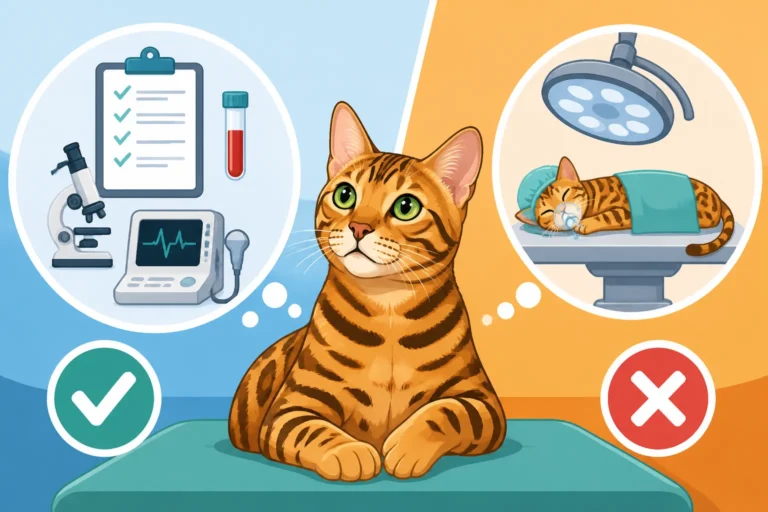
X-rays are also a crucial diagnostic tool. While X-rays don't directly show the kneecap slipping, they can reveal underlying bone deformities, such as a shallow trochlear groove, a twisted tibia, or hip dysplasia, which can contribute to the luxation. Your vet might also recommend What a Bengal Cat's Yearly Bloodwork Should Cover to get a full picture of your cat’s overall health.
Initial Conservative Approaches
For mild cases (Grade I or II) where symptoms are intermittent and not severely impacting your cat’s quality of life, your vet might recommend a conservative management plan. This approach focuses on reducing pain, inflammation, and protecting the joint, hopefully preventing progression.
Key elements of conservative management include:
- Weight Management: Keeping your Bengal at a healthy weight is paramount. Excess weight puts additional strain on joints, worsening luxation. If your cat is a bit chunky, your vet can help you devise a safe and effective weight loss plan.
- Joint Supplements: Supplements containing glucosamine, chondroitin, and MSM can help support cartilage health and reduce inflammation. Omega-3 fatty acids are also beneficial for their anti-inflammatory properties.
- Anti-inflammatory Medications: Non-steroidal anti-inflammatory drugs (NSAIDs) might be prescribed for short periods to manage pain and inflammation during flare-ups.
- Physical Therapy: Gentle exercises, stretching, and even hydrotherapy can help strengthen the muscles around the knee, improving stability. This can be done under the guidance of a veterinary physical therapist.
- Environmental Modifications: Ensuring your Bengal has easy access to their favorite high spots with ramps or steps can reduce the impact on their joints from jumping. Providing Which Scratching Post a Bengal Cat Needs that is stable and tall can also encourage safe stretching.
Many pet owners find great peace of mind knowing they have comprehensive pet insurance, such as policies from Healthy Paws, which can often help cover the costs associated with diagnostics and conservative treatments for conditions like patellar luxation. It’s always worth investigating if Whether Insurance Covers a Bengal Cat for unexpected conditions.
Considering Surgical Intervention
For more severe cases (Grade III or IV), or for cats with lower-grade luxation that experience persistent pain or significant lameness despite conservative management, surgery is often the most effective long-term solution. The goal of surgery is to realign the patella and ensure it stays within the trochlear groove.
Common surgical techniques include:
- Trochlear Wedge Resection or Trochleoplasty: Deepening the trochlear groove to provide a more secure seat for the kneecap.
- Tibial Tuberosity Transposition: Moving the attachment point of the patellar ligament on the tibia to correct misalignment.
- Lateral Imbrication: Tightening the joint capsule on the outside of the knee to prevent the patella from slipping inwards.
The specific procedure will depend on the individual cat’s anatomy and the nature of their luxation. Recovery from surgery involves a period of rest, pain management, and often physical therapy to regain strength and mobility. Whether a Bengal Cat Needs a Pre Surgery Workup is a question your vet will address, as comprehensive testing is always recommended before any major procedure. While surgical costs can be a concern, a good pet insurance plan from providers like Healthy Paws can be instrumental in managing these expenses, allowing you to focus on your cat's recovery. The recovery period is crucial, and providing a calm, contained environment will be key to successful healing. After all, the goal is for your Bengal to enjoy The Twelve to Sixteen Years a Bengal Cat Gets with comfort and joy.
Disclaimer
This article is intended for informational purposes only and is not a substitute for professional veterinary advice, diagnosis, or treatment. Always seek the advice of your veterinarian or other qualified animal health provider with any questions you may have regarding a medical condition.