How Many Kittens a Bengal Cat Litter Holds
So you're excitedly anticipating the arrival of Bengal cat kittens, maybe from your own beloved queen, or you're just curious about what goes into breeding these magnificent creatures. One of the questions that often pops up, and can sometimes cause a fair bit of anxiety for new breeders or even just future owners, is "How many kittens can I expect in a Bengal cat litter?" It's not always as straightforward as a simple number, and knowing what's typical, and what can influence that number, is crucial for proper care and preparation.
The Typical Range of Bengal Cat Litter Sizes
When you're thinking about a Bengal cat litter, it's easy to imagine a big pile of tiny, spotted bundles of joy. And while that can certainly happen, the reality of litter sizes is a bit more nuanced. It’s important to understand the general expectations before you start counting your future kittens.
Average Litter Size for Domestic Cats
Let's start with the basics of what's normal for our feline friends in general. For most domestic cats, a typical litter usually falls somewhere between four and six kittens. This is a pretty common range that veterinarians and experienced cat owners often cite. Of course, "average" doesn't mean every single litter will hit that mark exactly. You might see smaller litters of one or two, or larger litters pushing seven or eight.
These numbers are influenced by a myriad of factors, including the mother's age, her nutritional status, and even the number of times she's been bred before. A very young queen or an older one might have smaller litters, for instance. A first-time mother often has a slightly smaller litter as her body adjusts to the demands of pregnancy and birth. It's truly a complex biological process, and the female cat's body is amazing in its ability to adapt.
How Bengals Compare to Other Breeds
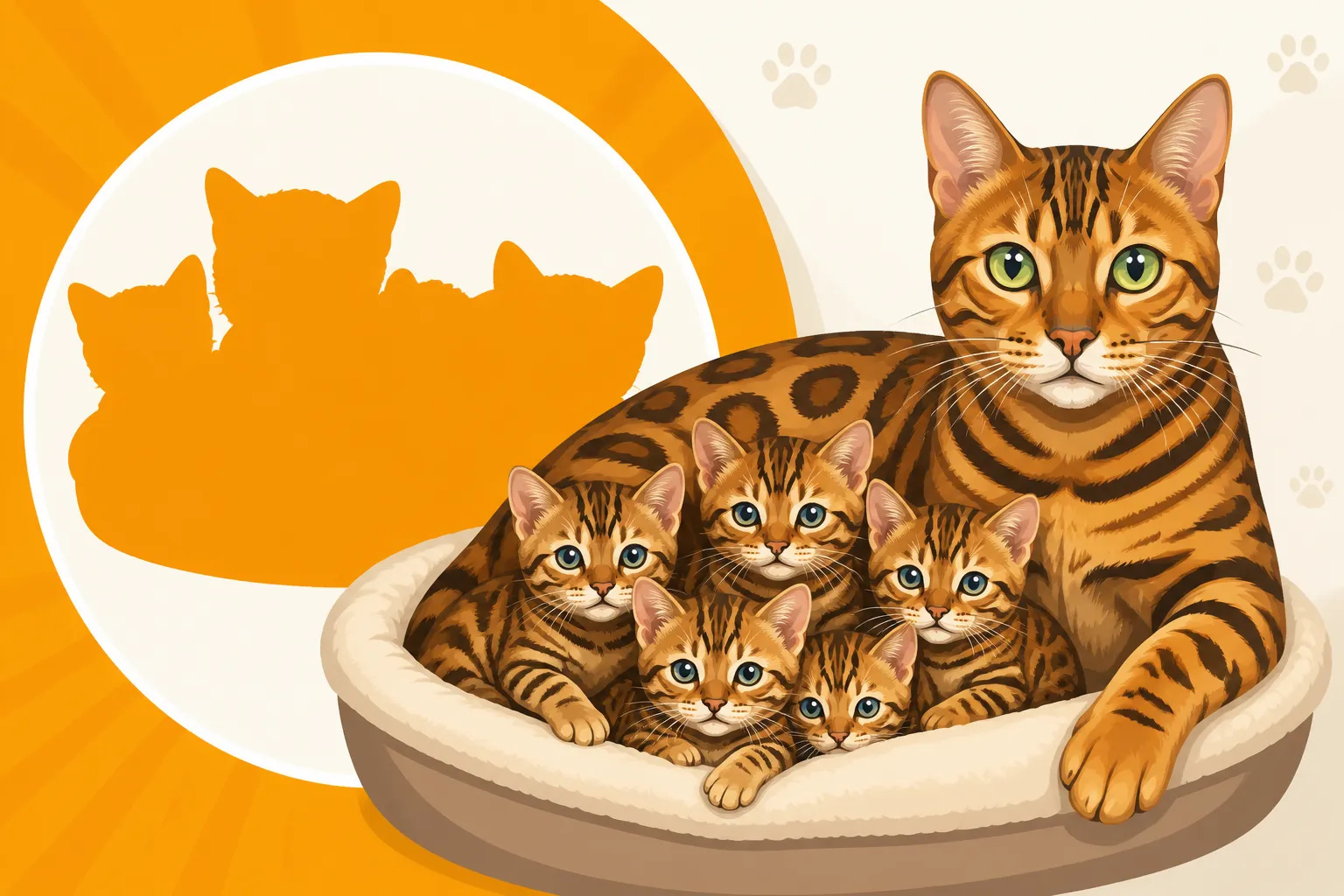
Now, bringing it specifically to our wild-looking Bengal cats, their litter sizes tend to align pretty closely with the general domestic cat average. You can typically expect a Bengal queen to deliver anywhere from four to six kittens in a litter. However, it's not uncommon for them to have slightly larger litters, sometimes up to eight kittens, especially if the queen is in her prime breeding years and exceptionally healthy. On the flip side, smaller litters of two or three are also perfectly normal, particularly for a first-time mother or an older queen.
What makes Bengal cats unique is their lineage, descending from the Asian Leopard Cat (ALC). While this wild ancestry gives them their striking looks and energetic personalities, it doesn't dramatically alter their fundamental reproductive biology in terms of litter size compared to many other domestic breeds. Breeders are always striving for robust, healthy litters, and they pay close attention to the queen's health to maximize the chances of a successful pregnancy. This might include ensuring optimal nutrition, regular veterinary check-ups, and a calm, stress-free environment, all of which contribute to a healthy litter, whatever its size.
Factors Influencing Litter Size in Bengal Cats
Understanding the average is a good starting point, but it's even more helpful to dive into why these numbers can vary. Many elements play a role in how many kittens a Bengal cat litter ultimately holds.
Age and Health of the Queen
The age of your Bengal queen is one of the most significant factors in determining litter size. Young queens, often on their very first litter, might have a slightly smaller number of kittens. Their bodies are still maturing, and they’re experiencing pregnancy for the first time. As they enter their prime breeding years, typically between one and four years old, their litter sizes tend to be at their largest and most consistent. After about five or six years, you might notice a gradual decrease in litter size as they approach their senior years. Just like humans, fertility can change with age.
Beyond age, the overall health and condition of the queen are absolutely paramount. A queen who is underweight, stressed, or suffering from underlying health issues is far more likely to have a smaller litter, or even complications during pregnancy. Proper nutrition, a clean living environment, and regular veterinary care are non-negotiable for a pregnant queen. This includes making sure she's free from parasites and up-to-date on vaccinations. A breeder's careful attention to these details can make all the difference in the health and size of the litter. If a queen seems unwell, prompt veterinary attention, ideally covered by a comprehensive pet insurance plan like those offered by Healthy Paws, is essential.
Genetics and Ancestry
Genetics also play a fascinating role in litter size. While there isn't a single "litter size gene" we can point to, certain genetic predispositions and overall breed health can influence outcomes. Some breeding lines might naturally produce larger or smaller litters, and this can be something experienced breeders observe over generations. The genetic diversity within a pairing can also be a factor; sometimes, an outcross can bring new vigor that might, indirectly, lead to healthier, larger litters.
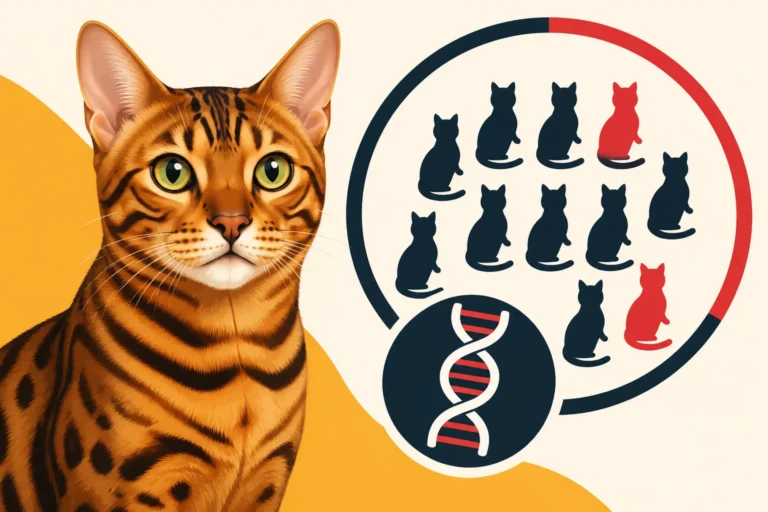
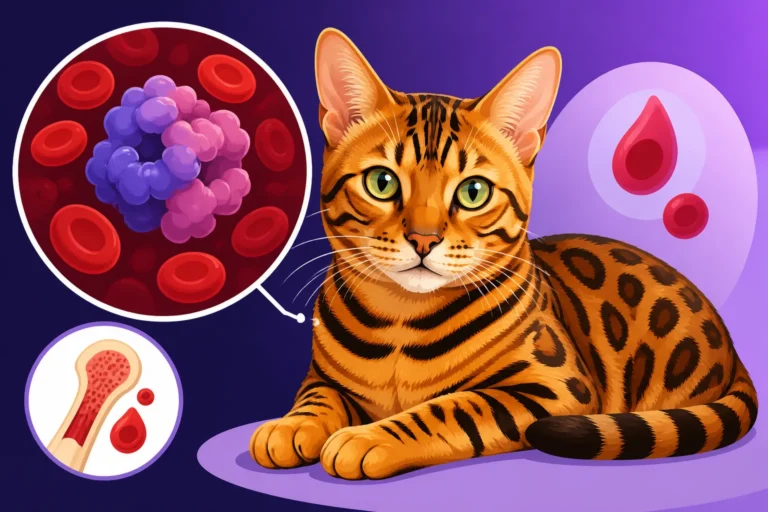
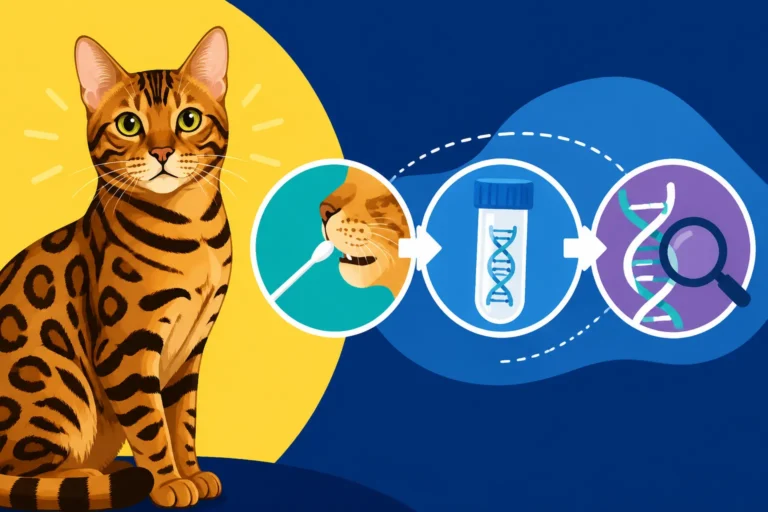
Furthermore, it's crucial for responsible breeders to conduct thorough genetic testing for common Bengal cat health issues. Conditions like PRA-b (Progressive Retinal Atrophy) or Pyruvate Kinase Deficiency, while not directly affecting litter size, speak to the overall genetic health of the breeding pair. For instance, understanding How Many Bengal Cats Carry PRA-b can inform breeding decisions, ensuring the healthiest possible offspring. A queen carrying a heavy genetic load of health concerns might be less able to sustain a large, healthy pregnancy. Ethical breeders prioritize the long-term health of the breed, carefully selecting pairs to avoid passing on hereditary diseases, which in turn supports the production of vigorous kittens. This meticulous approach to genetic health ultimately contributes to the robustness of the entire litter.
Environmental Factors and Nutrition
Don't underestimate the power of environment and diet! A queen who is well-fed with a high-quality, protein-rich diet specifically formulated for pregnant and lactating cats is much more likely to carry a healthy number of kittens to term. Malnutrition, even mild deficiencies, can lead to smaller litters, reabsorption of fetuses, or weak kittens. It’s not just about quantity of food, but the quality and balance of nutrients, including essential vitamins and minerals.
Stress is another silent culprit. A chaotic or noisy environment, frequent changes in routine, or the presence of aggressive animals can all contribute to stress in a pregnant queen. This stress can impact hormone levels and negatively affect the pregnancy. Providing a quiet, secure, and warm nesting area well before her due date is crucial. This helps her feel safe and relaxed, which is vital for a smooth pregnancy and delivery. Think of it like a human mother-to-be; a calm environment and good nutrition are key to a healthy pregnancy and a happy outcome for both mother and babies.
Preparing for a Bengal Litter: What to Expect
Even with the best planning, a Bengal litter can bring its own set of surprises. Knowing what to expect during pregnancy and after birth can help you feel more prepared and less overwhelmed.
Signs of Pregnancy and Whelping Preparation
Recognizing the signs of pregnancy early on is the first step. After mating, a Bengal queen's nipples will typically "pink up" and become more prominent around three weeks into gestation. You might also notice an increase in appetite and weight gain. Some queens become more affectionate, while others prefer more solitude. A veterinarian can confirm pregnancy with an ultrasound around 20-25 days, which can also give an estimate of litter size. This early confirmation is invaluable for planning.
As the due date approaches, typically around 63-65 days post-mating, your queen will start "nesting." She might seek out quiet, secluded spots in your home. This is your cue to ensure her whelping box is ready. This should be a clean, warm, and draft-free space, away from high traffic, large enough for her to stretch out but with sides high enough to keep newborn kittens safely inside. Soft, clean bedding like towels or fleece blankets are ideal. It's also important to have a vet on standby, just in case Whether a Bengal Cat Queen Needs Help Giving Birth during the process. Having a clear plan and emergency contacts is vital for a stress-free delivery for everyone involved.
Managing a Larger or Smaller Litter
Regardless of whether your Bengal queen has a tiny litter of two or a bustling brood of eight, each scenario comes with its own considerations. For smaller litters, the kittens might grow faster as they have less competition for milk. In these cases, it's important to ensure the queen doesn't become over-engorged or develop mastitis, and that the single or few kittens still get plenty of stimulation. Conversely, a large litter of seven or eight can be quite demanding on the queen. She might struggle to produce enough milk for everyone, meaning you might need to step in with supplemental bottle-feeding.
Monitoring each kitten's weight daily is critical, especially in larger litters. Kittens should be gaining weight consistently. If you notice any kitten falling behind, or if the queen seems overwhelmed, supplemental feeding is crucial. This is where having kitten formula, small bottles, and nipples on hand beforehand is a lifesaver. Ensuring all kittens get enough warmth and attention is equally important. Even with a large litter, each tiny kitten needs individual checks for their health and development.
Post-Natal Care and Monitoring Kittens
Once the kittens are born, the queen's work isn't over, and neither is yours! The first few weeks are a critical period for both the mother and her babies. Keep the whelping area clean and warm; newborn kittens can't regulate their own body temperature. Observe the queen's behavior: Is she attentive to her kittens? Is she nursing them adequately? Any signs of neglect or illness in the queen warrant immediate veterinary attention.
For the kittens, watch for signs of illness like lethargy, crying, or failure to nurse. You'll also want to keep an eye on their development. Within days, they'll start wriggling more purposefully, and their eyes will open around 7-10 days. Around two to three weeks, you might even start to see their unique patterns begin to emerge, and eventually, their fuzzy kitten coat will start to clear, revealing their vibrant adult markings. Understanding What Fuzzies Are on a Bengal Cat Kitten and when they clear can help you monitor their growth. Regular check-ups for the entire litter with your vet are recommended, perhaps even covering some of the costs through pet insurance like Healthy Paws. These early weeks are foundational for healthy, well-adjusted Bengal cats, setting them up for The Twelve to Sixteen Years a Bengal Cat Gets.
Potential Challenges and Considerations for Bengal Litters
Breeding is a beautiful process, but it's not without its challenges. Being aware of potential pitfalls can help you navigate them effectively and prioritize the health and well-being of your Bengal family.
Common Kitten Health Issues to Watch For
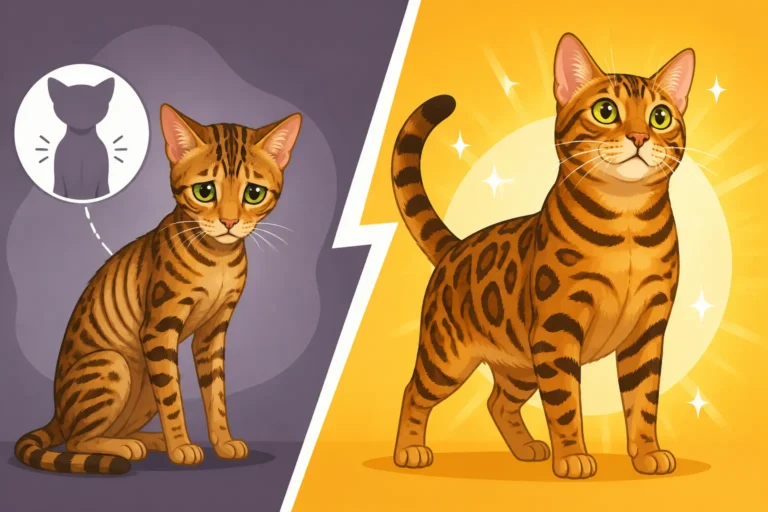
While most Bengal kittens are born healthy and thrive, there are a few common issues that new breeders or even first-time owners should be aware of. "Fading kitten syndrome" is a term used to describe kittens that appear healthy at birth but rapidly decline and die within the first few weeks of life. This can be due to various reasons, including infections, congenital defects, or environmental factors. Vigilant monitoring, especially of weight gain and activity levels, is critical to identify and intervene early.
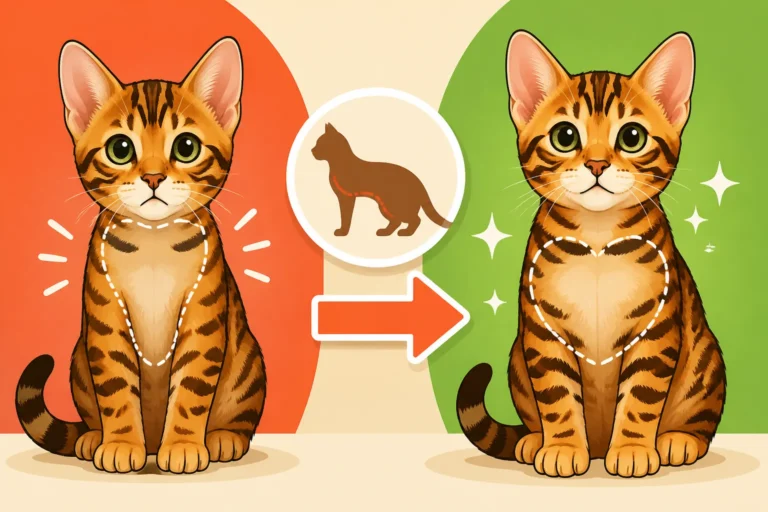
Another specific concern in any cat breed, including Bengals, can be developmental issues. For example, Flat Chested Kitten Syndrome in a Bengal Cat Litter is a condition where a kitten's ribcage develops abnormally, flattening the chest. While some kittens can recover, it can be life-threatening. Knowing Whether a Flat Chested Bengal Cat Kitten Survives often depends on the severity and early intervention. Any signs of weakness, difficulty breathing, or unusual development should prompt an immediate call to your veterinarian. Early diagnosis and support are crucial for these tiny, vulnerable lives. Having pet insurance can provide peace of mind in these critical situations, helping with unexpected vet bills.
The Importance of Responsible Breeding Practices
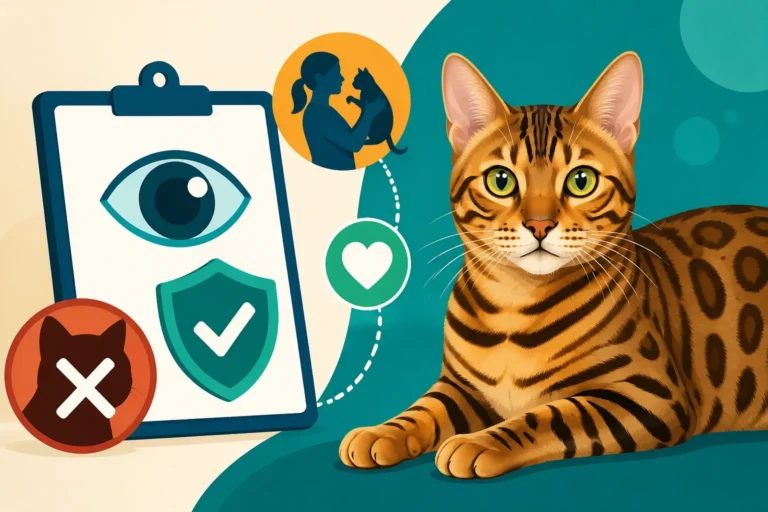
The health and number of kittens in a Bengal litter are deeply tied to responsible breeding practices. This isn't just about having two beautiful Bengal cats and letting nature take its course; it's a commitment to the welfare of the breed. Reputable breeders meticulously screen their cats for genetic diseases common in Bengals. This includes DNA testing for conditions like PRA-b and PK Deficiency, as well as regular cardiac ultrasounds to screen for Hypertrophic Cardiomyopathy (HCM), a prevalent heart condition. Only healthy cats with clear genetic profiles should be bred, ensuring the healthiest possible start for the kittens. This also impacts Whether the Bengal Cat Is a Healthy Breed overall.
Furthermore, responsible breeders understand the unique aspects of Bengal genetics, such as the sterility of early generation males, as Why F1 to F3 Bengal Cat Males Are Sterile is a known phenomenon. They focus on breeding healthy, well-socialized SBT (Studbook Tradition) Bengals. They also prioritize the temperament of the parent cats, as this will influence the kittens' personalities. Good breeders provide excellent nutrition, a clean environment, and early socialization for their kittens, setting them up to be confident, friendly pets. When you are looking for a Bengal cat, understanding What a Bengal Cat Costs to Buy in 2026 isn't just about the upfront price; it’s an investment in a kitten from a responsible breeder who has put in the work to ensure healthy parents and a thriving litter, often guided by the best practices of reputable organizations and veterinarians. This kind of dedication reflects what it truly means to be a responsible Bengal cat breeder.
Disclaimer
This article is intended for informational purposes only and does not constitute veterinary advice. Always consult with a qualified veterinarian for any health concerns or before making decisions about your Bengal cat's care, breeding, or treatment.