How a Flat Chested Bengal Cat Kitten Is Treated
Discovering that your precious Bengal kitten has Flat Chested Kitten Syndrome (FCKS) can be an incredibly alarming and overwhelming experience. You might feel a surge of panic, wondering if your tiny companion can survive, and desperately search for ways to help. This guide is here to demystify the treatment process, offering a detailed, realistic look at the interventions and supportive care strategies that can make a profound difference for these fragile little fighters.
Understanding Flat Chested Kitten Syndrome in Bengal Cats
Flat Chested Kitten Syndrome, often abbreviated as FCKS, is a condition where a kitten's rib cage fails to develop properly, leading to a flattened appearance of the chest. Instead of the rounded, barrel-like chest we expect in a healthy kitten, the sternum and ribs are compressed, sometimes significantly. This isn't just a cosmetic issue; it can restrict lung development and function, making it hard for affected kittens to breathe and thrive. For Bengal cat owners, in particular, understanding this condition is crucial, as the breed, like some others, appears to have a predisposition, though the exact genetic link isn't fully understood.
The severity of FCKS can vary dramatically from kitten to kitten. Some might have a very mild flattening that barely impacts their breathing and resolves on its own as they grow. Others, however, can suffer from severe compression that leads to significant respiratory distress, making every breath a struggle. This spectrum of severity is why a quick and accurate veterinary assessment is absolutely vital. The degree of flattening often dictates the urgency and intensity of the required treatment. Sometimes, sadly, the condition is so severe that it is incompatible with life, or the kitten succumbs to secondary complications like pneumonia.
FCKS typically becomes apparent within the first few days or weeks of a kitten's life. You might notice your kitten struggling to nurse, breathing rapidly, or showing a visible indentation or flatness on their chest. It's truly heartbreaking to witness, and as a pet parent, your immediate instinct is to seek help. While we often wonder Why a Bengal Cat Kitten's Chest Flattens, current theories point to a combination of genetic factors, intrauterine positioning, and possibly rapid growth spurts that can exacerbate the condition. It’s a complex issue, and it underscores the importance of choosing a reputable breeder who monitors their litters closely for such conditions.
Navigating the Initial Diagnosis and Veterinary Care
When you first suspect FCKS in your Bengal kitten, the most important thing is not to panic, but to act swiftly and decisively. Early intervention can significantly improve the outcome for affected kittens. Your first port of call should always be your veterinarian, or better yet, a vet experienced with neonatal kitten care or complex feline conditions. They will be able to properly assess the severity of the chest flattening and its impact on your kitten’s breathing and overall health.
During the initial vet visit, the veterinarian will perform a thorough physical examination. They'll gently palpate your kitten's chest to determine the degree of flattening and listen to their lungs and heart. They might recommend imaging, such as X-rays, to get a clearer picture of the rib cage structure and to assess the lung fields. This imaging helps determine if the lungs are compressed or if there are any signs of pneumonia, which can be a serious secondary complication of FCKS. Observing the kitten's breathing patterns, activity levels, and nursing ability will also be key parts of the assessment. They'll also consider The Age a Bengal Cat Is Fully Blind From PRA-b and other genetic conditions, though unrelated, as part of a comprehensive health check.
The prognosis and recommended course of action will largely depend on the severity of the FCKS and the kitten's overall condition. For mild cases, the vet might advise a "wait and see" approach with close monitoring at home, as some kittens can naturally outgrow the condition. However, for moderate to severe cases, a more active treatment plan will be necessary. This is where the emotional and financial stress can really hit, and having candid conversations with your vet about expectations, potential complications, and costs is crucial. Many new Bengal parents worry about the costs associated with a special needs kitten, and this is where pet insurance, like a plan from Healthy Paws, can really offer peace of mind, potentially covering a significant portion of these unexpected veterinary bills.
Implementing Treatment Strategies for Flat Chested Kittens
Treating a Bengal kitten with FCKS involves a multi-faceted approach, often combining supportive care with more direct interventions to encourage proper chest development. The goal is to provide enough support for the kitten to breathe comfortably and allow the chest to reshape as they grow. It's a journey that requires patience, dedication, and a close working relationship with your veterinary team.
Supportive Care and Environment Management
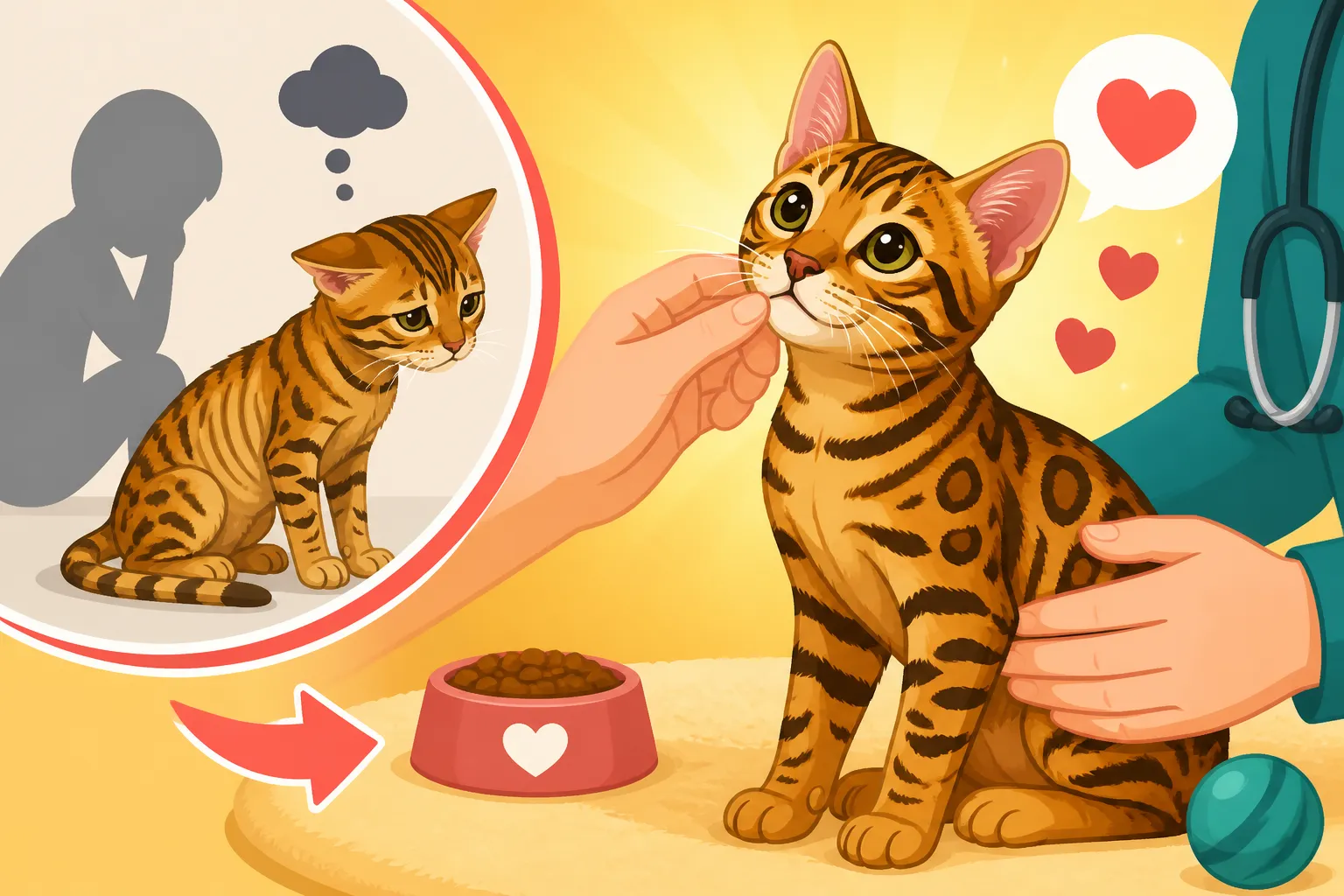
For any kitten with FCKS, supportive care is foundational. These tiny creatures struggle with thermoregulation, so maintaining a warm, consistent environment is non-negotiable. An incubator or a heated nest box can provide the stable temperature they need to conserve energy. Keeping the environment humid can also help ease respiratory effort. Nutrition is another critical component; FCKS kittens may struggle to nurse effectively due to their compromised breathing. You might need to supplement feeding with a kitten formula, or even exclusively bottle-feed or tube-feed small, frequent meals to ensure they get enough calories and nutrients to grow. Hydration is equally important, so ensure they are taking in enough fluids.
Beyond warmth and nutrition, close monitoring of their breathing, activity, and weight gain is essential. Kittens with more severe chest compression may benefit from supplemental oxygen, especially if they are showing signs of respiratory distress. An oxygen cage or incubator can deliver a controlled flow of oxygen, giving their tiny lungs a much-needed break. It's a delicate balance, as too much oxygen can also be detrimental. Your vet will guide you on the appropriate oxygen levels and duration of therapy. Remember, these little ones are incredibly resilient, but they rely entirely on us for their survival, especially during these vulnerable early weeks.
Physical Therapy and Chest Splinting Techniques
One of the most direct interventions for FCKS is physical therapy and, in some cases, the application of a chest splint or brace. The idea behind physical therapy is to gently encourage the ribs to expand outwards rather than collapsing inwards. This can involve very gentle massage techniques and careful positioning. Some owners use soft, padded materials or even specially designed vests that apply constant, gentle outward pressure on the flattened areas. These interventions are often started early, ideally before the rib cage hardens too much.
Chest splinting is a more advanced technique that involves custom-fitting a brace to the kitten’s chest. This brace, often made from flexible materials like craft foam or molded plastic, is designed to apply continuous, light pressure to push the sternum and ribs outward. The goal is to reshape the chest cavity over time, providing more space for the lungs and heart. These splints need to be precisely fitted to avoid causing discomfort, skin irritation, or restricting movement too much. They also require frequent adjustments as the kitten grows. This method demands a high level of commitment from the owner, as the splint needs to be regularly checked, cleaned, and potentially reapplied. If your vet recommends specialized physical therapy, remember to check if your pet insurance, perhaps with Healthy Paws, covers these rehabilitative treatments, which can be quite involved.
Medications and Other Interventions
While FCKS itself isn't treated with medication, kittens with the syndrome are often susceptible to secondary health issues that do require pharmaceutical intervention. Respiratory infections, for example, are a significant concern. The compromised chest cavity can make lungs more vulnerable, and a simple sniffle for a healthy kitten can become life-threatening for an FCKS kitten. If signs of infection, such as sneezing, coughing, or nasal discharge, appear, your vet may prescribe antibiotics.
Another potential complication is the development of a 'kink' in the trachea, where the windpipe becomes compressed or malformed due to the chest flattening. In severe cases, this could require surgical correction, though this is rare and carries significant risks for such tiny patients. Your veterinarian will constantly evaluate the kitten for these and other issues. For instance, sometimes kittens might aspirate milk while struggling to nurse, leading to aspiration pneumonia, which again requires prompt medical attention. This proactive monitoring and readiness to address complications are crucial for giving these kittens the best possible chance.
Long-Term Care and Prognosis for FCKS Survivors
Caring for a Bengal kitten that has survived FCKS doesn't necessarily end when their chest appears to have rounded out. Long-term monitoring and ongoing support are often needed to ensure they continue to thrive and to address any lingering issues or potential complications. The good news is that many kittens with FCKS, especially those with mild to moderate cases and proper intervention, can go on to lead full, happy lives.
Monitoring Growth and Development
Even after the chest has improved, it's vital to continue monitoring your Bengal's growth and development closely. Their chest might never be perfectly shaped, but as long as it doesn't impede their breathing or quality of life, it's usually not a concern. Watch for any signs of respiratory distress as they grow, especially during periods of high activity. Regular vet check-ups are essential to ensure their lungs are developing properly and that there are no underlying cardiac issues that might have been impacted by the initial chest compression. Your vet might recommend follow-up X-rays to track the chest's development over several months. It's also worth understanding What a Bengal Cat Kitten Needs to Build Muscle as proper nutrition supports overall physical development.
It's also important to remember that FCKS can impact a kitten’s early social development if they've spent a lot of time isolated for treatment or if their physical limitations affected their ability to play with littermates. Ensuring they get plenty of positive socialization experiences once they are stronger is just as important as their physical recovery. Integrating them back into normal kitten play, perhaps with a gradual introduction to their siblings or other household pets, can help them catch up emotionally and socially.
Potential Complications and Ongoing Health Considerations
While many FCKS survivors do well, some might experience ongoing health considerations. Some kittens may have a slightly reduced lung capacity, making them more prone to respiratory infections throughout their lives. It's important to be vigilant for signs of illness and seek veterinary care promptly if they appear unwell. In rare cases, severe chest malformation can lead to secondary cardiac issues due to the heart being compressed or displaced. This is why a Bengal cat breeder should have a good understanding of What a Bengal Cat Breeder Should Have Tested, not only for genetic conditions but also for health challenges observed in their litters.
For those considering the financial aspect, it's a stark reminder that pet care can come with unexpected costs. This is where a robust pet insurance plan can be invaluable, helping to cover unexpected vet visits, medications, or specialized treatments that may arise from a pre-existing condition if covered. The journey can be demanding, but the reward of seeing a once-fragile kitten blossom into a vibrant, active Bengal is immeasurable. Knowing How a Bengal Cat Hides Pain can help you recognize subtle signs of discomfort, ensuring any issues are addressed quickly.
Quality of Life for Survivors
Ultimately, the goal of treating FCKS is to provide the kitten with a good quality of life. Many Bengal cats who overcome FCKS go on to be active, playful, and loving companions, embodying the energetic spirit of the breed. You might not even realize they had a challenging start in life once they’ve fully recovered. They can run on a cat wheel, climb cat trees, and engage in all the typical Bengal antics.
It is worth noting that while some kittens unfortunately do not make it, for Whether a Flat Chested Bengal Cat Kitten Survives, the survival rate can be quite high with dedicated care and early intervention. Providing a safe, stimulating environment and showering them with love will contribute immensely to their well-being. These resilient little cats truly show us the strength of the feline spirit, and becoming a part of their recovery journey is an incredibly rewarding experience. When you think about How Long a Bengal Cat Lives on Average, ensuring early health challenges are overcome sets them up for a long and happy life.
| Treatment Modality | Description | Benefits | Considerations |
|---|---|---|---|
| Warmth & Humidity | Incubator, heating pad, humidifier to maintain stable environment. | Prevents hypothermia, reduces respiratory effort, aids overall comfort. | Constant monitoring of temperature/humidity, potential dehydration risk. |
| Nutritional Support | Frequent bottle/tube feeding with high-calorie kitten formula. | Ensures adequate growth and energy, prevents hypoglycemia. | Time-consuming, risk of aspiration pneumonia, specific formula needed. |
| Oxygen Therapy | Administering supplemental oxygen via cage or mask. | Improves oxygenation, reduces breathing difficulty for severe cases. | Requires specialized equipment, careful monitoring, vet guidance is crucial. |
| Physical Manipulation | Gentle chest massages, careful positioning, soft chest wraps. | Encourages outward rib expansion, prevents further collapse. | Must be done gently to avoid injury, requires consistency. |
| Chest Splinting | Custom-fitted brace to apply continuous outward pressure on ribs. | Most effective for moderate-to-severe cases in reshaping the chest. | Requires precise fitting, regular adjustment, potential skin irritation. |
| Medication (e.g., Antibiotics) | Treatment for secondary infections like pneumonia. | Resolves complications, improves respiratory health. | Only targets secondary issues, not the FCKS itself, potential side effects. |
Disclaimer
This article is intended for informational purposes only and is not a substitute for professional veterinary advice. Always consult with a qualified veterinarian regarding any health concerns or before making any decisions about your pet's medical care.