Whether a Bengal Cat Can Live Outdoors
It’s a common dilemma for Bengal cat owners, isn't it? You look at your magnificent, energetic companion, with their wild-cat looks and boundless curiosity, and you can't help but wonder if keeping them exclusively indoors is truly fair. There's a persistent thought that maybe they need to explore the great outdoors, to feel the grass under their paws and stalk imaginary prey. This guide is going to walk you through the complex reality of whether a Bengal cat can truly live outdoors, exploring both the instinctive pull and the very real dangers, so you can make an informed decision for your beloved feline friend.
The Innate Drive: Why the Appeal of Outdoor Life for a Bengal Cat is So Strong
When you gaze at your Bengal cat, their stunning rosetted or marbled coat, their sleek, muscular body, and those captivating emerald or gold eyes, it’s hard to ignore the echoes of their wild ancestry. They're a hybrid breed, after all, descended from the Asian Leopard Cat, and that wild heritage isn't just skin deep. It manifests in their incredibly active nature, their insatiable curiosity, and their highly intelligent, problem-solving minds. Owners often feel a powerful pull to provide them with an environment that honors this natural inclination, believing that an outdoor life would be the ultimate form of enrichment.
The Hunter's Instinct: A Deep-Seated Need
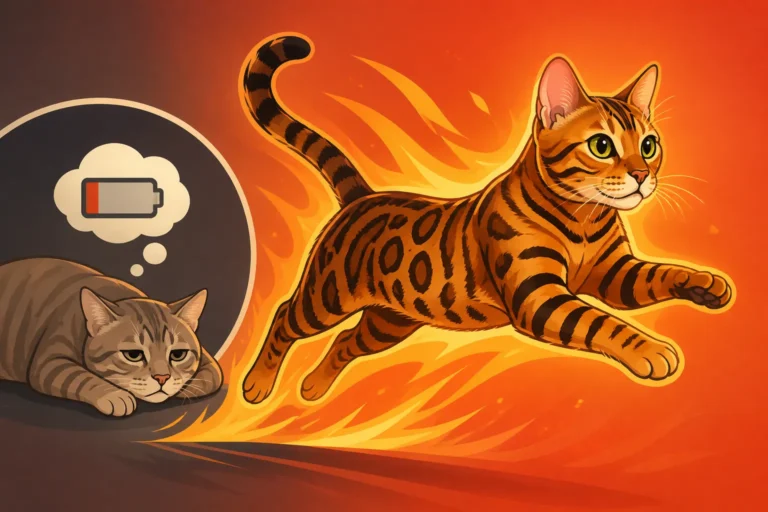
Bengal cats are not your average couch potatoes. They possess a prey drive that is often far more intense than many domestic breeds. This isn't just about playing with a toy mouse; it's a deep-seated instinct to stalk, chase, pounce, and "kill." In a purely indoor environment, meeting this need requires significant dedication from owners – multiple interactive play sessions a day, rotating toys, and engaging their clever minds with puzzle feeders. It's easy to imagine that allowing them to free-roam outdoors would simply fulfill this instinct naturally, giving them endless opportunities to hunt insects, small rodents, or birds, thus satisfying a fundamental part of their being. This urge to hunt, explore, and expend energy is precisely why many feel their The Bengal Cat Is the Most Active Cat You Can Own.
Boundless Energy and Curiosity
Beyond hunting, Bengal cats are simply bursting with energy. They love to climb, jump, run, and investigate every nook and cranny. An indoor home, no matter how large, can feel restrictive to a cat that can easily scale the tallest bookshelf or open a cabinet with surprising dexterity. The vastness of the outdoors seems like a perfect solution: endless space to sprint, trees to climb, and new scents and sights to stimulate their senses. It feels natural to think that such an intelligent and active animal would thrive with the freedom of outdoor exploration, constantly challenged and engaged by an ever-changing environment. This leads many owners to consider if the traditional indoor-only cat paradigm truly suits the unique Bengal personality.
The Harsh Realities: Unpacking the Dangers of a Free-Roaming Bengal Cat
While the idea of your Bengal cat living a life of outdoor adventure might sound idyllic, the reality is often far less charming and far more dangerous. The world outside, even in seemingly safe neighborhoods, is fraught with peril for even the most agile and intelligent feline. As a responsible Bengal owner, it's crucial to understand these risks before considering letting your cat free-roam. The risks aren't just minor inconveniences; they can lead to serious injury, illness, or even death, significantly impacting The Twelve to Sixteen Years a Bengal Cat Gets.
Traffic and Accidents: The Ever-Present Threat
This is arguably the single biggest threat to any outdoor cat, and Bengals are no exception. Their speed and agility are no match for a speeding car. Even in quiet residential areas, accidents happen. A sudden noise, another animal, or an unexpected movement can send a cat darting into the road. Unlike wild animals that are inherently wary of human infrastructure, domestic cats, even Bengals with their wilder instincts, don't always fully grasp the danger of vehicles. The heartbreak of a cat hit by a car is something no owner wants to experience, and it's an incredibly common tragedy for free-roaming pets.
Encounters with Other Animals: Both Domestic and Wild
The outdoors is not just a playground; it's a battleground. Your Bengal cat could easily get into fights with other neighborhood cats, leading to painful injuries, abscesses, and the transmission of diseases like FIV or FeLV. Dogs, even those on leashes, can also pose a significant threat if they are territorial or aggressive.
Then there are the wild animals. Depending on your location, coyotes, foxes, raptors, and even aggressive raccoons or opossums can view a cat as prey or a competitor. A smaller Bengal, despite its fierce demeanor, is no match for a determined predator. Even seemingly harmless encounters, like with squirrels or birds, can lead to your cat falling from a tree or getting injured in a chase. How Much Wildlife a Bengal Cat Kills is also a factor, as an outdoor Bengal can decimate local bird and small mammal populations, disrupting delicate ecosystems.
Diseases, Parasites, and Poisons
The outdoor environment is a breeding ground for various health threats. Fleas, ticks, and internal parasites like worms are rampant, even with regular preventative treatments. These can cause discomfort, skin issues, and more severe health problems if left unchecked. Beyond parasites, there's a higher risk of contracting serious viral or bacterial infections from other animals, even if your cat is vaccinated.
Poisons are another insidious danger. Antifreeze, rodenticides, pesticides, and certain plants are all toxic to cats and can be found in yards or public spaces. A curious Bengal, investigating a strange smell or taste, could easily ingest something lethal. Even seemingly innocuous discarded human food can cause severe digestive upset.
Human Interference: Theft and Cruelty
Sadly, not all humans have a love for animals. A striking and unique breed like a Bengal cat can be an attractive target for theft. Their distinctive appearance and often high purchase price make them valuable commodities to unscrupulous individuals. Beyond theft, there are heartbreaking instances of deliberate cruelty towards outdoor cats. Even well-meaning individuals might pick up a friendly Bengal, assuming it's a stray, and take it to a shelter far from home, making it difficult to reunite you. Whether a Bengal Cat Gets Stolen is a very real concern, and a Bengal's friendly, bold nature can make them more vulnerable.
Environmental Hazards
Nature itself presents hazards. Severe weather, like extreme heat, cold, or sudden storms, can quickly become dangerous for a cat caught outdoors without shelter. Additionally, chemicals used for lawn care, gardening, or automotive maintenance can leave residues that are harmful to paws and fur, which your Bengal will then ingest during grooming. The combination of all these factors paints a stark picture of the challenges a free-roaming Bengal faces. When considering How Long a Bengal Cat Would Survive Outdoors, these threats significantly reduce their lifespan compared to indoor cats.
Creating a Safe Adventure: Alternatives to Letting Your Bengal Cat Roam Free
Given the serious risks associated with allowing a Bengal cat to free-roam outdoors, many responsible owners seek ways to safely satisfy their cat's adventurous spirit without compromising their health and well-being. Thankfully, there are several fantastic options that allow your Bengal to experience the richness of the outdoor world in a controlled and secure manner.
The Catio: A Secure Outdoor Enclosure
Catios, or cat patios, are truly a game-changer for active cats like Bengals. These are secure, enclosed outdoor spaces, ranging from small window boxes to elaborate multi-level structures with ramps, shelves, and climbing opportunities. They allow your Bengal to experience fresh air, sunshine, the sounds and smells of nature, and observe the outside world, all while being completely safe from traffic, predators, diseases, and theft.
You can customize a catio to fit your space and your Bengal's preferences. A small, modular catio from a brand like Chewy might attach directly to a window or door, providing a safe perch. More ambitious DIY projects, often inspired by designs found on Amazon, can create sprawling outdoor playgrounds. Inside, you can add climbing structures, scratching posts, toys, and even plants that are safe for cats. A catio gives your Bengal the enrichment of the outdoors, mimicking the climbing and observation opportunities they crave, without any of the inherent dangers of free-roaming. This is Why a Catio Is the Answer to a Bengal Cat.
Supervised Leash Walking: Exploring the World Together
Leash training a cat might sound unusual, but for a breed as intelligent and amenable to training as a Bengal, it can be a highly rewarding experience for both of you. Many Bengal cats take to harnesses and leashes surprisingly well, often enjoying supervised strolls around a safe yard, a quiet park, or even on designated trails. It's a fantastic way to bond with your cat, provide mental and physical stimulation, and allow them to explore new environments under your watchful eye.
The key here is supervision. You are in control of the environment, able to steer them away from hazards, prevent interactions with aggressive animals, and ensure they don't ingest anything harmful. Start with short sessions in a quiet, familiar area, using a comfortable, escape-proof harness. With patience and positive reinforcement, many Bengals learn to enjoy their walks, treating them as exciting excursions. Think of it as taking your dog for a walk, but with a feline twist! A Bengal Cat Walks on a Leash can be a truly enriching experience.
Secure Fencing and Enclosed Yards
For some homeowners with very secure, fully enclosed yards, allowing a Bengal supervised access can be an option. This usually means high, cat-proof fencing that prevents climbing over or digging under, and no gaps where a nimble Bengal could squeeze through. Even with such fencing, constant supervision is vital. This isn't about letting them out alone for hours; it's about being present, actively monitoring their activity, and ensuring no unexpected hazards arise. A secure fence might deter some predators, but it won't stop determined ones, nor will it prevent exposure to airborne diseases or toxins. This option requires significant commitment and vigilant oversight.
Indoor Enrichment: Bringing the Wild Inside
Even if you opt for a strictly indoor lifestyle, you can still provide incredible enrichment for your Bengal cat. Their high intelligence means they thrive on interaction and challenge.
- Vertical Space: Bengals love to climb! Invest in tall, sturdy cat trees, wall-mounted shelves, and perches. Providing vertical territory makes even a small home feel larger and more stimulating.
- Interactive Play: Dedicate time each day for active play with wand toys, laser pointers (used carefully to avoid frustration), and toys they can chase and "kill." Rotate toys regularly to keep things interesting.
- Puzzle Feeders: These are excellent for engaging a Bengal's clever mind and slowing down their eating. You can find many options on Chewy or Amazon that challenge them to "work" for their meals.
- Window Perches: Give them comfortable spots by windows where they can safely observe birds, squirrels, and neighborhood activity.
- Training: Bengals are incredibly intelligent and enjoy learning tricks. How Intelligent a Bengal Cat Is means they can easily learn to sit, stay, high-five, or even fetch. Clicker training can be a fantastic way to engage their minds and strengthen your bond.
By combining these safe outdoor alternatives and enriching indoor environments, you can ensure your Bengal cat lives a fulfilling, stimulating, and most importantly, safe life.
Making the Best Choice: Prioritizing Your Bengal Cat's Well-being
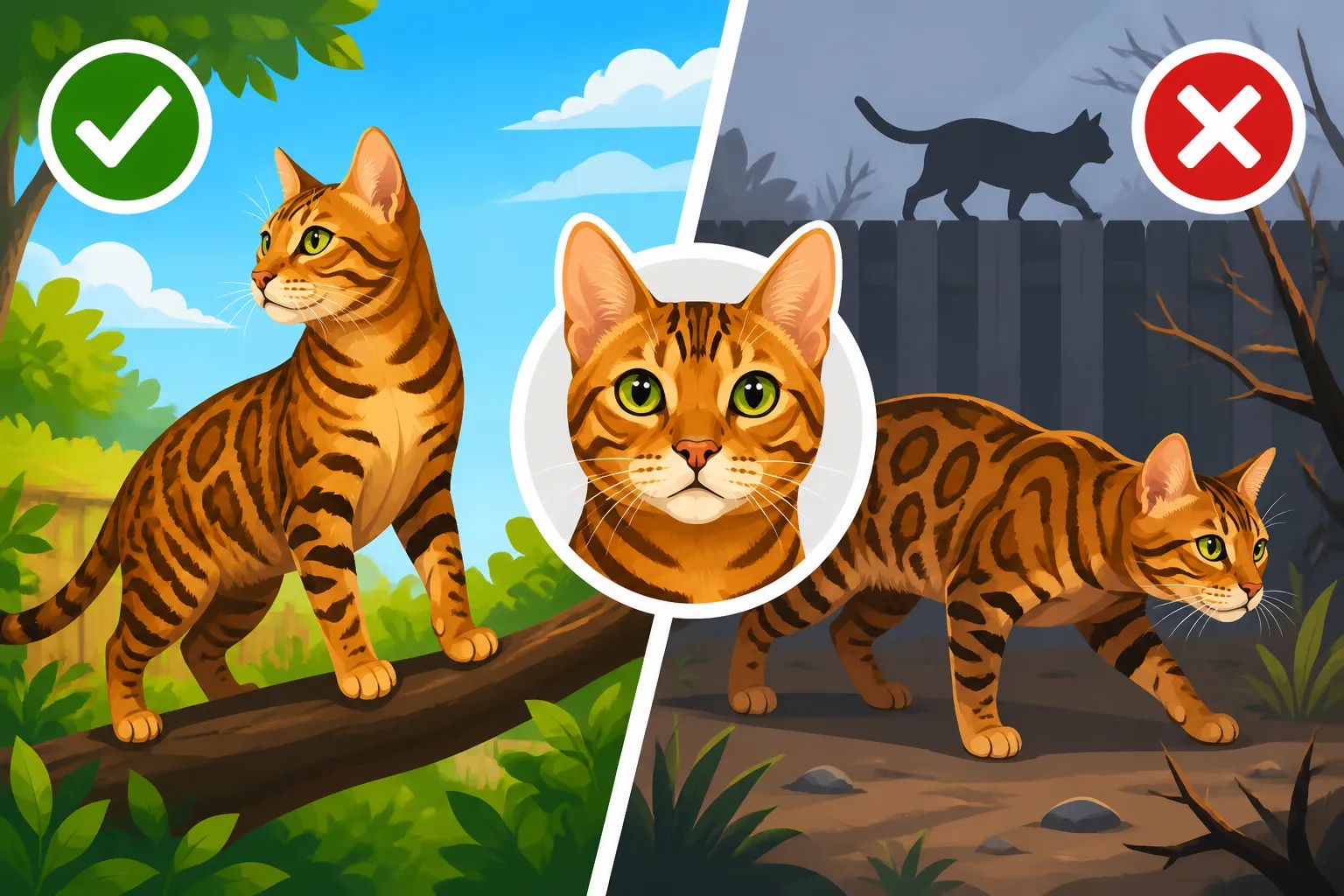
Ultimately, the decision of whether your Bengal cat lives outdoors, enjoys supervised adventures, or thrives solely indoors rests with you. However, when weighing the pros and cons, the overwhelming evidence points towards prioritizing safety and control. The allure of the "wild side" can be strong, but the domestic world, with its cars, poisons, and other threats, is a far cry from the natural habitats of their wild ancestors.
Let's look at a quick comparison:
| Feature | Free-Roaming Outdoors | Supervised Outdoors (Catio/Leash) | Strictly Indoors |
|---|---|---|---|
| Exposure to Traffic | High risk, leading cause of death | Minimal to none (controlled environment) | None |
| Predator Risk | High (coyotes, dogs, birds of prey, etc.) | None (enclosed) or minimal (with active supervision) | None |
| Disease/Parasite Risk | High (FIV, FeLV, worms, fleas, ticks) | Low (still some exposure to parasites, but reduced) | Very low (with preventatives) |
| Theft Risk | Moderate to High (due to unique breed) | None (secured) or very low (with active supervision) | None |
| Environmental Toxins | High (antifreeze, pesticides, toxic plants) | Low (can control catio contents, avoid during walks) | None (owner controls household products) |
| Mental Stimulation | High (new sights, sounds, smells, hunting) | High (fresh air, observation, safe exploration) | Moderate to High (requires owner dedication to enrichment) |
| Physical Exercise | High (running, climbing, hunting) | High (climbing in catio, walking on leash) | Moderate to High (requires owner dedication to play) |
| Owner Peace of Mind | Very Low (constant worry) | High (knowing cat is safe) | High (knowing cat is safe) |
| Cost of Injury/Illness | Potentially very high (vet bills, ongoing care) | Lower (reduced risk of trauma, controlled exposure) | Lowest (preventative care, fewer emergencies) |
As you can see, the scale tips heavily in favor of controlled or indoor environments when it comes to the safety and longevity of your Bengal cat. While the idea of a Bengal "living wild" appeals to our romantic notions, the reality of urban and suburban environments means it's a dangerous proposition.
For your Bengal cat to truly thrive and enjoy a long, healthy life, the focus should be on creating a rich, stimulating indoor environment supplemented by safe, supervised outdoor experiences. This might mean investing in a spacious catio, dedicating time to How to Leash Train a Bengal Cat, or simply ensuring they have plenty of vertical space and interactive play inside your home. A high-quality, biologically appropriate diet can also contribute to their overall health and vitality, giving them the energy they need for all that safe play.
Choosing to keep your Bengal cat's adventures contained might seem restrictive, but it is, without a doubt, the most responsible and loving choice you can make for their well-being. It allows you to protect them from the myriad of dangers lurking outside while still honoring their magnificent spirit and intelligence.
Disclaimer
This article is for general informational purposes only and does not constitute professional advice. Laws, prices and regulations vary by location and change over time. Consult a qualified professional for guidance on your specific situation.