When a Bengal Cat Needs a Limited Ingredient Diet
It’s truly disheartening when your vibrant, energetic Bengal cat starts to look a bit off, perhaps with a dull coat, constant scratching, or, let’s be honest, those all-too-frequent bouts of loose stools that make you wonder what on earth is going on. Many Bengal owners face the challenge of a sensitive digestive system, leaving them frustrated and searching for answers. This guide is here to walk you through the world of limited ingredient diets (LIDs) and help you understand if, and when, this specialized approach might be the key to bringing back your Bengal's happy, healthy self.
Understanding the Bengal Cat's Sensitive Stomach
Bengals are incredible felines, full of life, energy, and a stunning wild look. But beneath that beautiful, pelt-like coat, many of them hide a secret: a surprisingly delicate digestive system. It's a common complaint among Bengal owners, and if you're pulling your hair out over chronic diarrhea or unexplained vomiting, you are definitely not alone. It can feel like you’re doing everything right, choosing high-quality food, maintaining a clean environment, and yet your cat just isn't thriving.
This inherent sensitivity often stems from their unique genetics and their relatively recent lineage from the Asian Leopard Cat. While generations of domestic breeding have softened many of their wild edges, some aspects, like a more finicky gut, seem to have lingered. It means that what might be perfectly fine for a typical domestic shorthair could send a Bengal's system into a tailspin. Understanding this predisposition is the first step toward figuring out how to best support your magnificent companion.
Why Bengal Cats Are Prone to Digestive Issues
The truth is, Bengal cats often arrive with a gut that's just a little bit more reactive than your average housecat. We often talk about Why a Bengal Cat's Gut Is So Sensitive, and it's a topic that comes up repeatedly in our community. Their wild ancestry means their digestive tracts are, in some ways, still geared towards processing a very specific type of diet – primarily whole prey, fresh and unprocessed. When introduced to highly processed commercial foods with numerous ingredients, fillers, and artificial additives, their systems can struggle.
Think about it: a wild leopard cat isn't eating corn, wheat, or a long list of obscure chemicals. Their bodies are built for simple, high-protein, meat-based sustenance. When we present our Bengals with a kibble that has a dozen different plant proteins, preservatives, and coloring agents, it’s like asking a finely tuned sports car to run on low-grade fuel. Their gut microbiome, the complex community of bacteria that aids digestion, might simply not be equipped to handle such diversity or certain ingredients, leading to inflammation and discomfort.
Beyond just the ancestral diet, Bengals are also known for certain genetic predispositions to gut issues. Conditions like inflammatory bowel disease (IBD) are not uncommon, and it can be a frustrating journey to diagnose and manage. Parasites, even after seemingly successful treatments, can sometimes leave a lingering sensitivity that requires careful dietary management. This makes them prime candidates for specific dietary interventions when things go awry.
Common Signs Your Bengal Cat Might Need Dietary Intervention
So, how do you know if your Bengal's digestive woes are just a passing upset or something that warrants a deeper look at their diet? It's not always obvious, as cats are masters at hiding discomfort. However, there are several tell-tale signs that should prompt you to consider a dietary change, especially if they are persistent.
One of the most common and visible signs is chronic diarrhea or consistently loose stools. We've all been there, cleaning up a mess that's more liquid than solid, and it's exhausting. If this isn't just a one-off but a recurring problem, or if it persists despite treatments for common culprits like What Tritrichomonas Does to a Bengal Cat or How a Bengal Cat's Giardia Is Treated, it's a huge red flag. Other signs can include frequent vomiting, sometimes immediately after eating, or regurgitation of undigested food.
Beyond just the obvious bathroom issues, keep an eye out for other, more subtle clues. Excessive scratching, even without visible fleas, can be a sign of environmental or food allergies manifesting as skin irritation. A dull, unhealthy coat, despite regular self-grooming, can also indicate that your cat isn't absorbing nutrients properly. Weight loss or failure to gain weight, especially in a young, active Bengal that should be thriving, is another serious indicator. And, of course, changes in appetite, lethargy, or a general reluctance to play could signal that something isn't right internally.
| Symptom Category | Specific Signs to Watch For | Potential Dietary Link |
|---|---|---|
| Digestive Upset | Chronic diarrhea, loose stools, vomiting, regurgitation, excessive gas | Food sensitivities, allergies, malabsorption, IBD |
| Skin & Coat Issues | Persistent itching/scratching, dull coat, dry flaky skin, hair loss | Food allergies, nutrient deficiencies |
| Energy & Behavior | Lethargy, reduced play, irritability, hiding more | Nutritional deficiencies, chronic discomfort, inflammation |
| Weight & Appetite | Unexplained weight loss, poor appetite, sudden refusal of food | Malabsorption, aversion to specific ingredients, chronic pain |
What Exactly Is a Limited Ingredient Diet (LID)?
When your vet suggests a "limited ingredient diet," it can sound a bit daunting or overly scientific. But really, the concept is quite simple: it’s about stripping back a cat's diet to its bare essentials to identify and eliminate potential triggers for digestive upset or allergic reactions. It's a diagnostic tool as much as it is a feeding strategy. And for a Bengal cat, whose system we know can be a bit particular, this focused approach can be incredibly effective.
This isn't just about choosing any old cat food; it's about making a very deliberate and often restrictive choice to simplify what goes into your cat's bowl. It requires commitment and consistency, but the potential payoff—a happy, healthy Bengal—is well worth the effort.
The Philosophy Behind LIDs for Cats
The core philosophy of a limited ingredient diet is rooted in the idea of "elimination." The goal is to remove all common allergens and irritants from your cat's diet, then, if symptoms resolve, slowly reintroduce individual ingredients to pinpoint exactly what was causing the problem. It’s like being a detective, carefully sifting through clues to find the culprit.
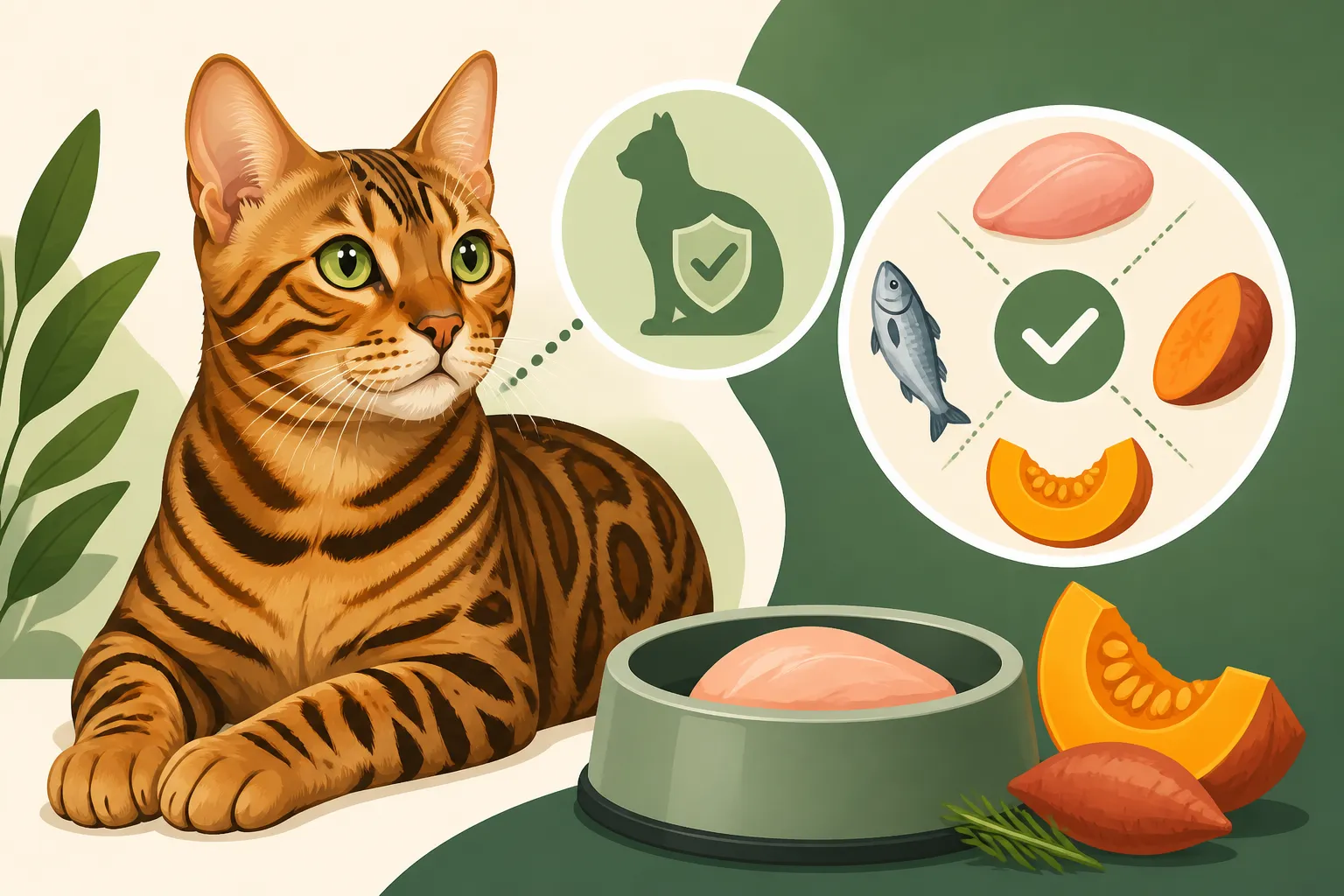
For cats, the most common food allergens or sensitivities are often proteins like chicken, beef, dairy, fish, and sometimes grains like corn or wheat. An LID typically features a novel protein source – something your cat has likely never eaten before – combined with a single carbohydrate source or sometimes no added carbohydrates at all, focusing instead on lean protein and essential fats. Examples of novel proteins might include duck, venison, rabbit, or even exotic options if available. The fewer ingredients, the less chance there is for an inflammatory reaction.
This minimalist approach minimizes the chances of encountering an ingredient that triggers an adverse immune response or digestive upset. It allows the cat's digestive system to "reset," reducing inflammation and giving their body a chance to heal. It’s not just about avoiding "bad" ingredients; it's about understanding which specific ingredients are problematic for your individual Bengal, because every cat is unique in its sensitivities.
How LIDs Differ from Other Special Diets
You might be thinking, "But isn't my high-protein, grain-free food already special?" And yes, while many premium cat foods make claims about being "good for sensitive stomachs," a true limited ingredient diet goes a step further in its deliberate simplicity and often requires a vet's guidance.
Here's how LIDs typically differ:
- Prescription vs. Over-the-Counter: Many effective LIDs are prescription diets, meaning they've been formulated under strict conditions and are often hydrolyzed, breaking down proteins into such small molecules that the immune system doesn't recognize them as allergens. While you can find over-the-counter LIDs on platforms like Chewy or Amazon, a prescription option from your vet often offers a higher level of certainty and effectiveness for severe cases.
- Novel Protein Focus: Unlike many "sensitive stomach" foods that might still use common proteins but in a gentler formulation, LIDs actively seek out proteins your cat has almost certainly not been exposed to. This greatly reduces the likelihood of an existing allergic response.
- Minimal Ingredients: This is the defining characteristic. A standard cat food might have 20-30 ingredients, even if they're "natural." An LID aims for the fewest possible ingredients – usually one protein, one carb, and essential vitamins/minerals.
- Diagnostic Purpose: While other special diets aim to manage symptoms, an LID is often used as a diagnostic tool. The goal is to confirm a food allergy or sensitivity through an elimination trial, which then informs long-term dietary choices.
It's important not to confuse an LID with simply a "grain-free" diet or a "high-protein" diet, although those principles might be incorporated. A grain-free food might still contain multiple common protein sources that could be problematic, and Whether a Bengal Cat Really Needs High Protein Food can be a separate consideration depending on their overall health and activity levels. An LID is a very specific, controlled nutritional experiment.
When to Consider a Limited Ingredient Diet for Your Bengal
Deciding to put your Bengal cat on a limited ingredient diet isn't a decision to take lightly. It's often a process that begins after other avenues have been explored or ruled out, and ideally, it's done in close consultation with your veterinarian. This is especially true if you suspect a food allergy rather than just a mild sensitivity.
The journey usually involves careful observation, ruling out other medical conditions, and then a structured elimination trial. It's not a quick fix, but a methodical approach to uncovering the root cause of your Bengal's discomfort.
Diagnosing Food Sensitivities and Allergies
Before jumping straight to an LID, your vet will want to rule out other potential causes for your Bengal's symptoms. This might involve What a Bengal Cat's Fecal Panel Costs to check for parasites like Tritrichomonas foetus or Giardia, which are notorious for causing How Common Chronic Diarrhea Is in Bengal Cats. They might also recommend blood tests or other diagnostics to check for underlying medical conditions like pancreatitis, hyperthyroidism, or even certain cancers that can mimic food-related issues. Sometimes, the problem isn't the food itself but an absorption issue or another health concern, like Whether IBD Is Common in Bengal Cats.
Once other medical conditions have been excluded, or at least managed, and dietary issues remain suspect, your vet might then guide you toward an elimination diet. It's important to understand that there isn't a reliable blood test for food allergies in cats. The gold standard for diagnosis is still the elimination diet trial. This means you’ll need to commit to feeding only the prescribed LID for a significant period, typically 8-12 weeks, without any cheating whatsoever. Even a tiny treat or a stolen bite of human food can invalidate the entire trial.
This period of strict adherence is crucial. If your Bengal's symptoms improve dramatically during this time, it strongly suggests a food sensitivity or allergy. If symptoms don't improve, it indicates that either the allergy trigger is still present (perhaps the novel protein isn't novel enough, or there's an ingredient in the LID itself) or that the problem isn't food-related at all.
The Process of Starting an LID Trial
Starting an LID trial requires dedication and careful planning. Here's a typical step-by-step approach you and your vet might take:
- Consult Your Veterinarian: This is non-negotiable. Your vet will help you choose the most appropriate LID, whether it's a hydrolyzed protein diet or one based on a truly novel protein (e.g., kangaroo, rabbit). They can also rule out other medical issues before you start. They’ll also explain When a Bengal Cat Needs a Food Trial and what to expect.
- Choose the Right Food: Your vet will recommend a specific food. For a true elimination diet, a prescription hydrolyzed protein diet is often preferred because the protein molecules are broken down so small that the cat's immune system usually doesn't react. Alternatively, a commercial LID with a single, novel protein source your cat has never eaten before (e.g., duck, venison) might be chosen. Some fresh foods offer novel protein options that can be considered, though always check the full ingredient list with your vet.
- Strict Adherence: This is the hardest part. For the duration of the trial (usually 8-12 weeks), your Bengal can eat only the chosen LID. No treats, no table scraps, no flavored medications, no dental chews, no sharing bowls with other pets. If you have other pets, they may need to be fed separately, or even put on the same diet for a period to prevent cross-contamination.
- Monitor Symptoms: Keep a detailed journal of your cat's symptoms. Note daily stool consistency, vomiting episodes, scratching frequency, energy levels, and appetite. Any improvement or worsening is valuable data.
- Reintroduction Phase (Optional but Recommended): If your cat's symptoms resolve on the LID, you and your vet might decide to systematically reintroduce old ingredients one by one. This is how you pinpoint the specific culprit. For example, after the trial, you might offer a small amount of chicken breast for a few days and watch for symptoms. If symptoms return, you've found your answer! This reintroduction is where you discover Which Food Firms Up a Bengal Cat's Stool versus which causes problems.
Remember, the goal is not necessarily to stay on the LID forever, but to use it as a tool to gain information.
Navigating the LID Journey: Challenges and Successes
Embarking on a limited ingredient diet journey with your Bengal can feel like a marathon, not a sprint. There are definite challenges, from finding a food your discerning Bengal will actually eat to maintaining strict adherence for weeks on end. But when you finally see your cat’s digestive issues disappear and their vibrant personality return, the successes make every effort worthwhile.
It's a process of trial and error, patience, and a bit of detective work. Understanding what lies ahead, both the potential hurdles and the rewarding outcomes, can help you stay motivated and focused on your Bengal's well-being.
Finding the Right LID and Protein Source
One of the biggest hurdles is simply finding an LID that works for your cat and that they’ll actually eat. Bengals can be notoriously picky, and suddenly switching to a bland, novel protein might not be met with enthusiasm. It's common for owners to say, Why a Bengal Cat Refuses a Food It Ate Last Week, let alone a completely new one! You might go through a few different options before landing on the one that suits both their taste buds and their gut.
Here are some tips:
- Veterinary Guidance: Start with your vet's strongest recommendation, usually a hydrolyzed protein diet, as these are often highly palatable despite their specialized nature.
- Novel Proteins: If a hydrolyzed diet isn't feasible or successful, explore LIDs with truly novel proteins. Think beyond chicken, beef, and fish. Duck, venison, rabbit, or even more exotic meats can be excellent choices. Many pet food retailers, like Chewy and Amazon, offer a wide variety of these specialized foods, though always double-check the ingredient list for hidden common allergens.
- Texture and Form: Consider whether your Bengal prefers wet food or dry. Sometimes, the texture is as important as the flavor. Some cats do better on purely wet food, which also provides additional hydration, crucial for overall health.
- Small Batches: If trying commercial LIDs, sometimes buying smaller bags or cans initially can save money if your Bengal decides they're not a fan.
- Patience: Don't give up after a day or two. A gradual transition, mixing a small amount of the new food with their old food (if allowed by your vet for the initial transition phase before the strict trial begins), can help ease them into it.
It’s an investment, both in time and potentially in cost. What a Prescription Gut Diet Costs a Bengal Cat Owner can be higher than regular kibble, but the relief of a healthy cat is priceless.
Long-Term Management and Reintroduction
Once you’ve successfully completed the LID trial and identified the problematic ingredients (or confirmed that your Bengal simply does best on that specific LID), the next step is long-term management. This could mean maintaining your Bengal on the successful LID indefinitely, or it could involve a careful reintroduction of ingredients to broaden their diet.
If you choose to reintroduce foods, do it slowly and systematically. Introduce one new ingredient at a time, for a few days, and observe closely for any return of symptoms. For example, if you suspect chicken was the issue, you might try a food where chicken is the only common protein, and then monitor stool, itching, and energy for three to five days. If no symptoms return, you can then consider that ingredient safe. If symptoms return, you know that ingredient is a trigger, and you'll need to avoid it. This is how you build a "safe foods" list for your individual Bengal.
For many Bengals, a lifelong limited ingredient diet becomes their norm, or a rotation of a few specific LIDs. It's not uncommon for them to thrive on these specialized diets. However, remember that even with LIDs, it's crucial to ensure nutritional completeness. Whether a Bengal Cat Needs Taurine Supplements and other essential nutrients are vital, as LIDs can sometimes be simplified to the point of lacking certain vitamins or minerals if not properly formulated. Always discuss your long-term feeding plan with your vet to ensure your Bengal is getting all the calories and nutrients they need to fuel their energetic lifestyle, especially since How Many Calories a Bengal Cat Burns is higher than many other breeds.
The ultimate goal is to find a diet that keeps your Bengal healthy, happy, and free from discomfort, allowing them to truly embody their wild, playful spirit.
Disclaimer
This article is for general informational purposes only and does not constitute professional advice. Laws, prices and regulations vary by location and change over time. Consult a qualified professional for guidance on your specific situation.