Whether Flat Chested Kitten Syndrome Is Inherited in Bengal Cats
It's heartbreaking to see a tiny Bengal kitten struggling, and few things are as alarming as discovering a flat chest in a new litter. This condition, known as Flat Chested Kitten Syndrome (FCKS), can strike fear into any owner or breeder, leading to urgent questions about its causes and whether it's something that runs in the family. This comprehensive guide aims to unravel the complexities of FCKS, focusing specifically on whether it's an inherited trait in Bengal cats, and what steps you can take to understand and manage this challenging condition.
Understanding Flat Chested Kitten Syndrome in Bengal Cats
Flat Chested Kitten Syndrome, or FCKS, is a descriptive term for a condition where a kitten's ribcage and sternum are compressed, leading to a noticeable flattening of the chest. This isn't just a cosmetic issue; it's a structural abnormality that can severely impact a kitten's ability to breathe, feed, and thrive. For Bengal cat owners and breeders, whose kittens are known for their robust health and energetic nature, encountering FCKS can be particularly distressing.
What Exactly is Flat Chested Kitten Syndrome?
At its core, FCKS describes a deformity where the sternum (breastbone) and ribcage appear flattened, often giving the kitten's chest a concave or "pancake-like" appearance. This can range from a slight indentation that's barely noticeable to a severe compression that makes the kitten look dramatically different. The flattening typically occurs laterally, meaning the chest is wider than it is deep, rather than the natural oval shape. The underlying problem is often related to abnormal cartilage or bone development, which can impede the natural expansion of the lungs and heart. It’s important to understand Why a Bengal Cat Kitten's Chest Flattens, as this gives insight into the physiological challenges these tiny furballs face.
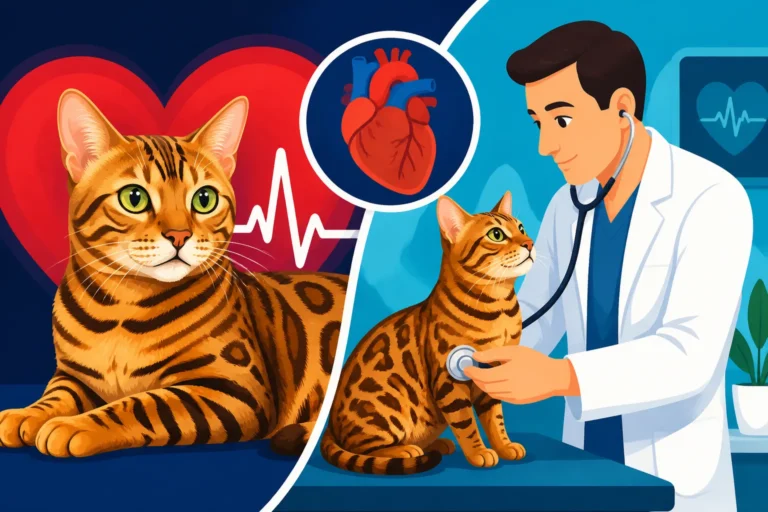
This structural issue puts immense pressure on a kitten's internal organs. Imagine trying to breathe deeply when your chest can't expand properly; that's the daily struggle for a kitten with FCKS. The lungs might not fully inflate, leading to respiratory distress, and the heart can be compressed, potentially affecting its function. In severe cases, this compression can lead to lung collapse or heart failure, making early detection and intervention absolutely critical for survival.
Recognizing the Signs and Severity Levels
Identifying FCKS early is paramount for a kitten's prognosis. Often, the earliest signs are subtle and can appear within the first few days to weeks of life. Kittens might exhibit shallow breathing, a "gasping" quality to their breaths, or simply seem to struggle more than their littermates. They might also appear lethargic, struggle to compete for nipples, or fail to gain weight at the same rate as their siblings. When you gently feel their chest, instead of the usual rounded feel, you'll notice that distinct flatness.
FCKS isn't a one-size-fits-all condition; its severity can vary greatly.
- Mild cases might only present with a slight flattening, little to no respiratory distress, and kittens that continue to grow and develop relatively normally. These kittens may even "grow out" of the condition, with their chest reshaping as they mature.
- Moderate cases involve more noticeable flattening, occasional labored breathing, and potentially slower weight gain. These kittens often require more intensive supportive care to help them overcome the initial hurdles.
- Severe cases are immediately obvious, with a deeply flattened chest, constant respiratory distress, and significant difficulty feeding. These kittens often have a very poor prognosis without aggressive intervention, and tragically, many do not survive past the first few weeks. It's a stark reminder of the delicate start these little lives have, and understanding Whether a Flat Chested Bengal Cat Kitten Survives often depends heavily on the severity and the care received.
A kitten with severe FCKS might make a characteristic "gasping" noise, struggle intensely while nursing, and tire quickly. In some hypothetical scenarios, a kitten might develop a sudden cough or wheeze, or you might notice their abdomen heaving with each breath as they try to compensate for restricted lung expansion. Observing litter dynamics closely can also be telling; a kitten with FCKS might be pushed away by stronger siblings due to their inability to feed effectively, or simply lack the energy to compete.
Is Flat Chested Kitten Syndrome Inherited in Bengal Cats? Exploring the Genetic vs. Environmental Debate
This is the million-dollar question for many Bengal breeders and potential owners. The short answer is: it's complicated. Unlike some other well-understood genetic conditions that affect Bengal cats, such as PRA-b or PK deficiency, a clear, single genetic marker for FCKS has not been identified. This leads to an ongoing discussion about whether genetics, environmental factors, or a combination of both play the primary role.
The Nuances of Genetic Predisposition
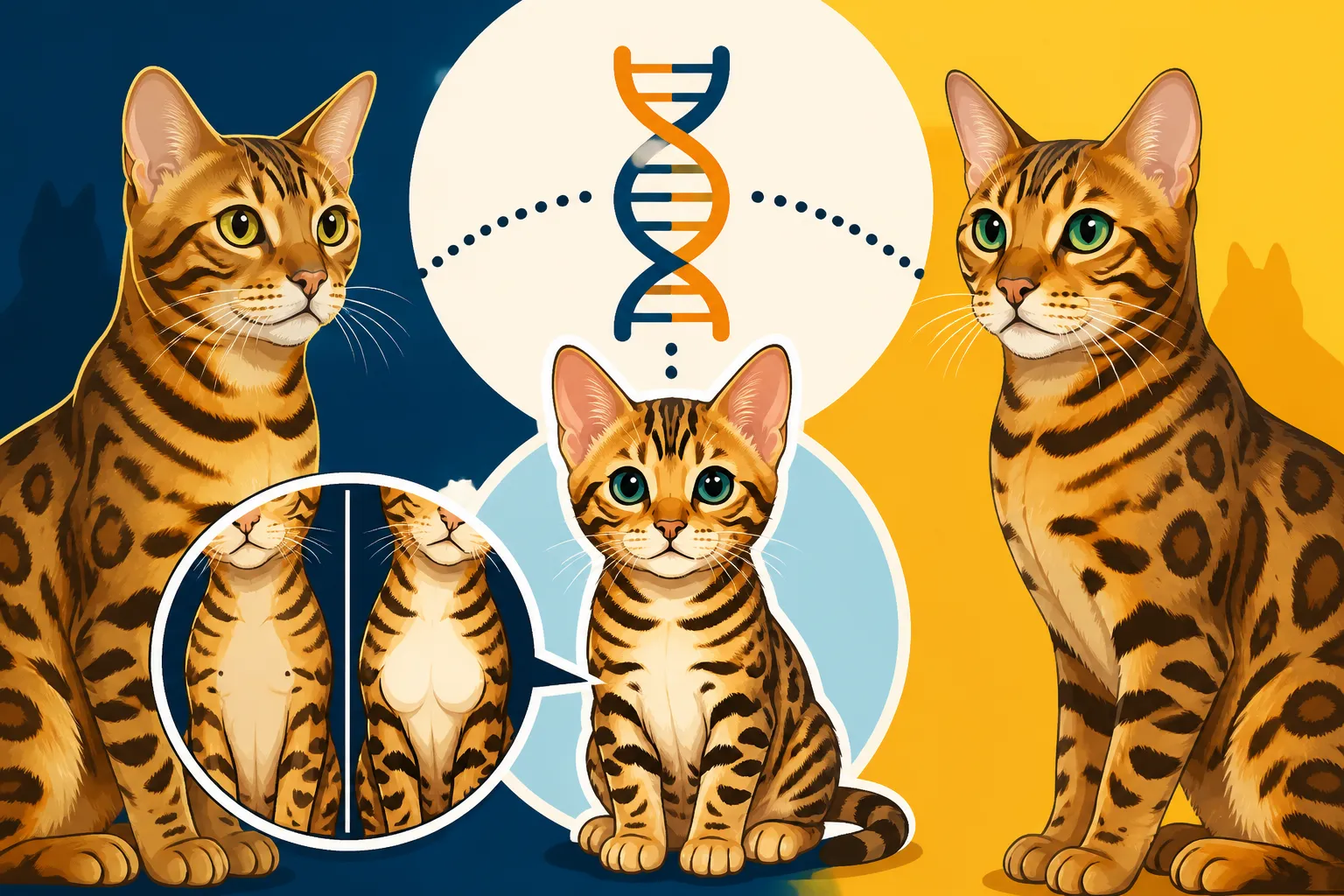
While a specific "FCKS gene" hasn't been pinpointed, many breeders and veterinarians suspect there might be a genetic component that predisposes certain kittens or lines to the condition. This theory often suggests a polygenic inheritance pattern, meaning multiple genes, rather than a single one, contribute to the risk. It could also relate to underlying weaknesses in cartilage development or connective tissue strength that are passed down.
Think of it this way: some cats might simply be born with a genetic predisposition to weaker or more flexible rib cartilage, making them more susceptible to flattening if other environmental factors come into play. This is a very different scenario from a condition like PRA-b, where Which Gene Causes PRA-b in a Bengal Cat has been identified, allowing for clear DNA testing. The absence of such a definitive test for FCKS means that breeders can't simply test their breeding cats to rule out carriers, which adds a layer of frustration and complexity.
Anecdotal evidence from long-term breeders sometimes points to certain lines having a higher incidence of FCKS, even when all environmental factors seem optimal. This suggests that while environment is crucial, there might be an underlying genetic "fragility" in some kittens. However, proving this scientifically is incredibly challenging, as it requires extensive genetic studies across many litters and careful control of all other variables.
Environmental Factors and Their Role
Many experts lean towards environmental factors playing a significant, if not primary, role in the development of FCKS. The early stages of a kitten's life, from gestation to the first few weeks postpartum, are incredibly delicate, and various external pressures or deficiencies can impact their development.
One of the most commonly cited factors is uterine positioning and crowded litters. Imagine a large litter where How Many Kittens a Bengal Cat Litter Holds is higher than average. Kittens might be compressed within the uterus, or one kitten might put pressure on another, leading to a chest deformity. Similarly, pressure from littermates or the mother during nursing or sleep can exacerbate a predisposition. If a kitten with slightly weaker cartilage is constantly being squashed or sleeping on a hard surface, the chest can flatten over time.
Nutritional deficiencies in the queen are another major concern. A pregnant queen who isn't receiving adequate vitamins, minerals, and protein might not be able to provide her developing kittens with all the necessary building blocks for strong bone and cartilage formation. This isn't just about general nutrition; specific micronutrients might be critical. For example, some theories suggest a link to deficiencies in taurine, calcium, or certain B vitamins, though research is ongoing.
Finally, temperature fluctuations in the whelping box can stress newborn kittens, making them more vulnerable to developmental issues. Kittens rely on their mother and their environment to regulate body temperature. If the environment is too cold, kittens might huddle more tightly, increasing pressure on each other, or simply expend too much energy trying to stay warm, diverting resources from growth and development. Trauma or pressure from a less-than-ideal birthing surface or early rough handling could also contribute.
The Ongoing Debate Among Experts and Breeders
The lack of a definitive genetic test means the debate about FCKS continues to be robust within the veterinary and breeding communities. Without clear scientific consensus, breeders are left to rely on their experiences, veterinary advice, and the general health profiles of their lines. This situation highlights the importance of comprehensive health screening, even if a direct test for FCKS isn't available. Good breeders will always conduct extensive health tests for other conditions, such as those covered by What a Bengal Cat Breeder Should Have Tested, to ensure overall robustness.
The challenge lies in isolating the exact cause. If a kitten develops FCKS, was it purely environmental? Did a subtle genetic predisposition make it more vulnerable to an environmental trigger? Or was it a combination where genetics loaded the gun and the environment pulled the trigger? Because FCKS is not a simple Mendelian genetic trait (like "A" causes X, "a" causes Y), identifying its roots is complex. This complexity means that even very responsible breeders who follow all best practices might occasionally encounter FCKS, making it a source of constant concern and self-evaluation.
Practical Steps for Prevention, Early Detection, and Management
While the exact causes of FCKS remain debated, there are concrete steps that breeders and new owners can take to minimize risks, detect the condition early, and manage it effectively. Being proactive and observant is crucial for the well-being of these fragile little ones.
Optimizing Breeding Practices and Queen Health
For breeders, prevention starts long before a litter is even conceived. A healthy queen is paramount. This means ensuring she receives a high-quality, balanced diet specifically formulated for breeding and lactating cats, supplemented as advised by a veterinarian. Reducing stress in her environment, especially during pregnancy and nursing, also contributes significantly to her overall health and, by extension, the health of her kittens.
While there's no FCKS genetic test, responsible breeders pay close attention to the health history of their breeding lines. If certain pairings or ancestries have a higher incidence of FCKS, even if environmental factors were suspected, a conscientious breeder might choose to avoid those pairings in the future. It's about careful observation and making informed decisions based on all available data, similar to how breeders monitor for issues that don't have direct gene tests, like ensuring healthy heart function, as highlighted by Why a Bengal Cat Breeder Must Show an Echo, Not a Gene Test for HCM. Furthermore, avoiding over-breeding a queen and allowing her sufficient recovery time between litters can also contribute to healthier pregnancies and stronger kittens.
Early Intervention and Veterinary Care
For anyone bringing a Bengal kitten into their home, or for breeders managing a new litter, vigilance is key. Daily checks on newborn kittens are essential. Look for signs of respiratory distress, reluctance to feed, or a failure to thrive alongside their siblings. Gently palpate their chests to feel for any flattening. The sooner FCKS is identified, the better the chances of successful intervention.
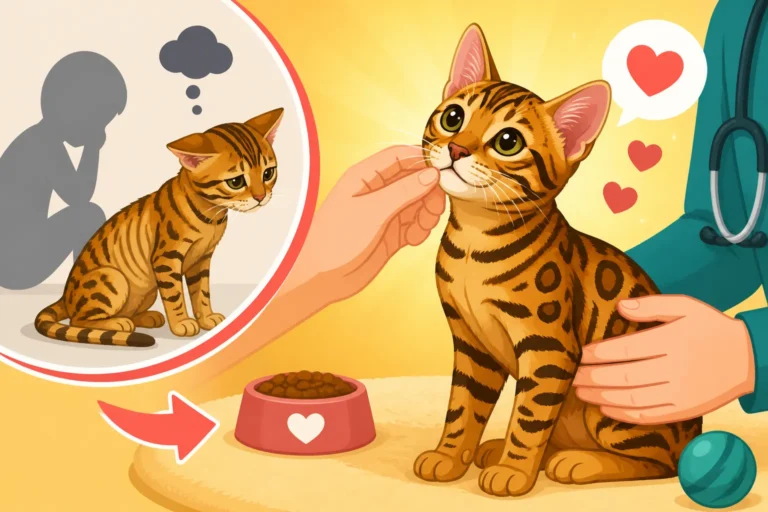
If you suspect FCKS, immediate veterinary attention is non-negotiable. A vet can confirm the diagnosis through a physical exam and potentially X-rays to assess the degree of chest flattening and its impact on the internal organs. Once diagnosed, How a Flat Chested Bengal Cat Kitten Is Treated involves a multi-pronged approach:
- Supportive Care: This includes ensuring the kitten is warm, hydrated, and receiving adequate nutrition. This might mean hand-feeding or supplemental feeding if they struggle to nurse.
- Manual Manipulation: In some cases, gentle, regular manual manipulation of the chest can help encourage it to round out. This must be done under veterinary guidance to avoid injury.
- Bracing: For moderate to severe cases, a custom-fitted brace or splint, often made from lightweight materials, can be applied to the kitten's chest. This brace applies gentle, outward pressure to encourage the ribs and sternum to expand into a more natural shape. The effectiveness of bracing depends on early application and consistent use.
- Monitoring: Close monitoring of breathing, weight gain, and overall vitality is crucial.
It's important to discuss the potential costs involved with such intensive care, and how valuable pet insurance, like a policy from Healthy Paws, can be in mitigating unexpected expenses. A serious case of FCKS can involve multiple vet visits, specialized treatments, and ongoing care, making financial planning a wise decision for any pet owner.
Creating an Ideal Environment for Newborns
Beyond the queen's health and veterinary intervention, the immediate environment for newborn Bengal kittens plays a critical role.
- Temperature Control: Maintaining a consistent, appropriate temperature in the whelping box is vital. Kittens are unable to regulate their own body temperature for the first few weeks, and being too cold can stress them immensely, affecting their development and making them more susceptible to various health issues.
- Adequate Space and Bedding: Ensure the whelping box provides ample space for the kittens to move around without constantly compressing each other. The bedding should be soft, clean, and provide gentle support without creating hard pressure points. Fleece blankets or specialized whelping pads are often preferred over rough towels or hard surfaces.
- Monitoring Litter Dynamics: Keep a close eye on how the litter interacts. If there's a significant size disparity or a particularly boisterous kitten, ensure smaller or weaker kittens aren't being inadvertently squashed or denied access to the queen. Sometimes, separating a struggling kitten for individual feeding times can make a huge difference.
By focusing on these practical steps, breeders and owners can significantly improve the chances of healthy development for Bengal kittens, even in the face of conditions like FCKS.
Long-Term Outlook and Ethical Considerations
Discovering Flat Chested Kitten Syndrome in a Bengal litter is undoubtedly challenging, but understanding the potential long-term prognosis and the ethical responsibilities involved can help guide difficult decisions and foster responsible breeding practices.
The Prognosis for Kittens with FCKS
The long-term outlook for a kitten with FCKS varies wildly depending on the severity of the condition and the success of early intervention. Some kittens with mild flattening may indeed "grow out of it," with their chest gradually rounding out as they mature and their bones harden. This is often the hope for many owners, as explored in Whether a Flat Chested Bengal Cat Kitten Grows Out of It. However, even these seemingly recovered cats should be monitored for any subtle long-term effects.
For kittens with moderate to severe FCKS, the journey is often much harder. Even if they survive the critical early weeks, they may face lifelong health challenges. These can include:
- Chronic Respiratory Issues: Restricted lung development can lead to persistent breathing difficulties, making them more susceptible to respiratory infections or exercise intolerance.
- Cardiac Problems: The compression of the heart can sometimes lead to heart murmurs or other cardiac abnormalities, potentially shortening their lifespan.
- Spinal Deformities: In some cases, the chest flattening can lead to secondary spinal issues as the kitten grows.
While some FCKS survivors can live relatively normal lives, others may require ongoing veterinary care and management of their symptoms. Their growth might be stunted, and they might not reach the full robust size expected of the breed, as discussed in The Age a Bengal Cat Reaches Full Size. If you do find yourself with a kitten battling FCKS, the costs of veterinary care can quickly add up. This is where having comprehensive pet insurance, such as coverage from Healthy Paws, truly makes a difference, covering diagnostics, treatments, and potentially ongoing medications, allowing you to focus on your kitten's recovery without added financial stress. While Bengal cats are generally a healthy breed, as explored in Whether the Bengal Cat Is a Healthy Breed, conditions like FCKS underscore the importance of being prepared for unforeseen health challenges. The overall How Long a Bengal Cat Lives on Average can be significantly impacted in severe cases.
Breeding Ethics and Responsible Decisions
For Bengal breeders, FCKS presents significant ethical dilemmas. Even without a definitive genetic test, if a particular pairing consistently produces kittens with FCKS, or if a specific queen or stud appears to be involved in multiple affected litters, responsible breeding dictates that these animals should be removed from the breeding program. While it's heartbreaking to retire a beloved cat, ensuring the health and welfare of future generations must always take precedence.
Transparency is another cornerstone of ethical breeding. If a breeder has experienced FCKS in their lines, they should be open and honest about it with prospective buyers. This allows potential owners to make informed decisions and be prepared for potential challenges. Sharing information and collaborating within the breeding community to gather data on affected lines and environmental factors is also vital for the long-term health of the Bengal breed.
Ultimately, the goal of ethical breeding is to produce healthy, well-socialized kittens. This means doing everything possible to prevent conditions like FCKS, providing exceptional care when they do occur, and making responsible choices that prioritize animal welfare above all else. For those looking to bring a Bengal kitten into their home, it's wise to consider pet insurance from a provider like Healthy Paws early on, even for seemingly healthy kittens, as unforeseen health challenges can arise. This proactive step ensures that you're well-equipped to provide the best possible care should your Bengal ever need it, supporting their long, active life. Even if a Bengal cat lives to be old, Caring for a Bengal Cat Past Ten will still require diligent care and attention to health.
| Factor | Classification | Description | Potential Impact on Kitten Health |
|---|---|---|---|
| Genetic Predisposition | Genetic (Suspected) | A potential underlying inherited weakness in cartilage or connective tissue, not yet fully understood. | Increased susceptibility to chest flattening under stress. |
| Uterine Crowding | Environmental | Too many kittens in the womb, leading to compression and restricted development. | Direct physical deformity, impaired organ development. |
| Nutritional Deficiencies | Environmental (Both) | Lack of essential vitamins/minerals in the queen's diet, impacting fetal development. Can have genetic basis. | Weakened cartilage and bone structure, poor overall development. |
| Trauma at Birth/Early Life | Environmental | Pressure during delivery or early kittenhood from external sources (e.g., mother rolling, hard surfaces). | Acute flattening or worsening of existing minor deformity. |
| Respiratory Weakness | Both (Potential) | Kittens with weaker respiratory systems may be more susceptible to chest flattening. Could be genetic. | Reduced ability to inflate lungs, exacerbates flattening. |
| Whelping Box Temperature | Environmental | Suboptimal temperatures can stress kittens, affecting their development and general health. | Decreased vitality, increased huddling leading to compression. |
| Litter Size | Environmental | Very large litters can increase competition for space and resources, leading to developmental issues. | Increased risk of compression, reduced individual maternal attention. |
Disclaimer
The information provided in this guide is for general informational purposes only and does not constitute veterinary advice. Always consult with a qualified veterinarian for any health concerns or before making any decisions related to your pet's health and treatment.