Whether Two PRA-b Carrier Bengal Cats Should Be Bred
It's a heartbreaking situation many Bengal cat breeders and prospective owners grapple with: the discovery that a beloved feline carries a genetic condition that could potentially be passed down to its kittens. Specifically, when breeders find out they have two Bengal cats who are carriers for PRA-b, the question of whether to breed them becomes a heavy, ethical quandary. This guide aims to thoroughly explore the implications, probabilities, and responsible approaches to this challenging decision, helping you understand the full picture.
Understanding PRA-b in Bengal Cats
Progressive Retinal Atrophy, specifically the PRA-b variant, is an inherited eye disease that unfortunately affects Bengal cats. It’s a condition that can lead to significant vision impairment and, ultimately, total blindness. For any passionate Bengal enthusiast, understanding this disease isn't just academic; it's crucial for the health and welfare of these magnificent animals.
What PRA-b Actually Does to Their Eyesight
Imagine a world that slowly fades into darkness. That’s essentially what a Bengal cat affected by PRA-b experiences. This condition causes the cells in the retina, the light-sensitive tissue at the back of the eye, to gradually degenerate. Initially, this might manifest as a loss of night vision, making navigation in dim light increasingly difficult. Owners might notice their cat bumping into furniture or becoming more hesitant in poorly lit rooms.
As the disease progresses, the cat’s daytime vision also begins to deteriorate. This isn't a quick process; it typically unfolds over several years, giving both the cat and its human companions time to adapt, but it’s still a profound loss. While the cat might learn to rely more on its other senses, the reality is that the world shrinks, and their ability to engage with their environment as they once did is severely hampered. For a breed as active and curious as the Bengal, this loss of sight can deeply impact their quality of life, which is why understanding What PRA-b Does to a Bengal Cat's Sight is so vital.
How the PRA-b Gene Is Inherited
The inheritance pattern for PRA-b in Bengal cats is autosomal recessive. What does this mean in plain language? It means a kitten needs to inherit two copies of the faulty gene – one from its mother and one from its father – to actually develop the disease and eventually go blind. If a cat inherits only one copy of the faulty gene and one normal copy, it's considered a "carrier." A carrier cat won't develop PRA-b symptoms or lose its vision, but it holds the potential to pass that faulty gene on to its offspring.
This recessive nature is often what makes genetic diseases so insidious and challenging to eradicate from a breed. Carriers look perfectly healthy, live normal lives, and might even be exemplary specimens in every other regard. Without genetic testing, a breeder might unknowingly breed two carriers, leading to affected kittens. This is the core dilemma: two healthy-looking cats can produce offspring destined for blindness. For more detail on the genetics, you might want to read about Which Gene Causes PRA-b in a Bengal Cat.
The Risks of Breeding Two PRA-b Carriers
When you have two PRA-b carrier Bengal cats, the temptation might be there to breed them, especially if they possess many other desirable traits that you want to see continued in your lines. However, the risks associated with such a pairing are significant and primarily revolve around the health and welfare of the resulting kittens.
The Probability of Affected Kittens
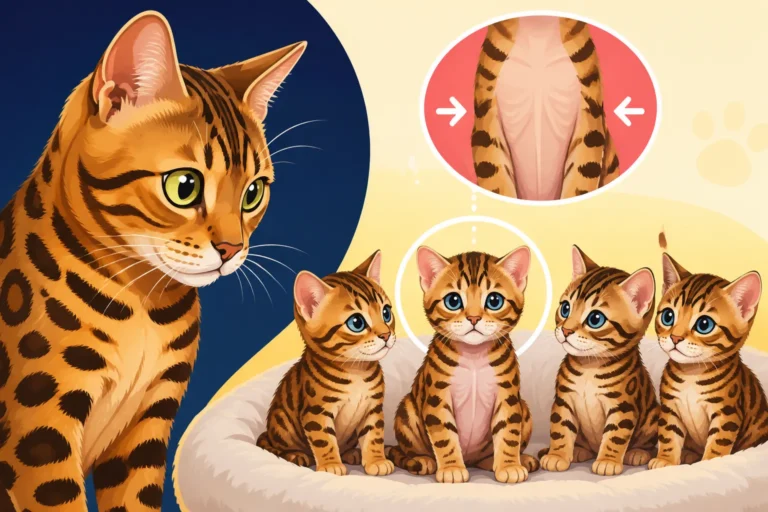
Let's talk about the cold, hard facts of genetics. When two cats, both carriers of a recessive gene like PRA-b, are bred together, there's a predictable statistical outcome for their kittens. Each kitten has a 25% chance of inheriting two copies of the faulty gene, meaning it will be "affected" and will eventually develop PRA-b and go blind. There’s also a 50% chance that each kitten will inherit one faulty gene and one normal gene, making it a carrier, just like its parents. Finally, there's a 25% chance that each kitten will inherit two normal genes and be completely "clear" of PRA-b.
This means that, statistically, one out of every four kittens born from such a pairing will develop vision loss and blindness. If a litter has four kittens, you could theoretically have one affected, two carriers, and one clear. Of course, genetics don't always follow perfect ratios in every single litter; you could have a litter where all kittens are carriers or even all are affected, though less likely. But the potential is undeniably there, and it’s a high price to pay for those kittens who are born affected.
Here's a simple breakdown using a Punnett Square:
| Carrier Male (N/P) | Carrier Male (N/P) | |
|---|---|---|
| Carrier Female (N/P) | N/N (Clear) | N/P (Carrier) |
| Carrier Female (N/P) | N/P (Carrier) | P/P (Affected) |
(Where N = Normal gene, P = PRA-b gene)
The Ethical Dilemma for Breeders
This 25% chance of producing affected kittens creates a significant ethical challenge for responsible breeders. The core principle of ethical breeding is to improve the breed, focusing not only on desirable physical traits but, more importantly, on health and temperament. Intentionally breeding two carriers, knowing that a quarter of the offspring are likely to suffer from an incurable, progressive disease, runs counter to this principle.
It's not just about the financial cost or the inconvenience; it's about bringing life into the world that is predisposed to a severe health issue. Breeders often form deep bonds with their kittens, and the thought of knowingly creating animals that will experience blindness is a heavy burden. Many dedicated breeders believe that their responsibility is to minimize suffering and maximize the health prospects of their lines. To do otherwise could damage the breeder's reputation and, more importantly, compromise the welfare of the breed itself. It truly raises the question of Whether a Bengal Cat Is a Healthy Breed if such practices become common.
The Importance of Genetic Testing for Breeders
In the world of responsible Bengal cat breeding, genetic testing isn't just an option; it's an absolute necessity. It's the primary tool breeders have to make informed decisions and prevent the propagation of inherited diseases like PRA-b. Without it, breeding becomes a game of chance, often with devastating consequences for the kittens and their future families.
How the PRA-b DNA Test Works
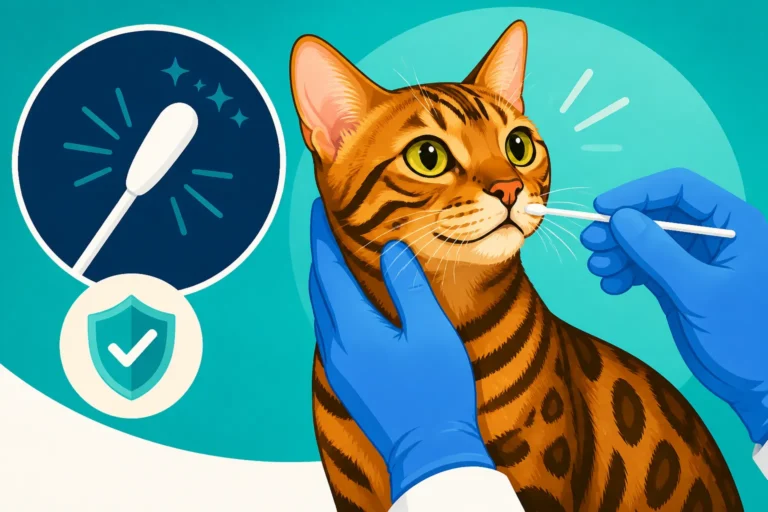
Thankfully, for PRA-b, there's a readily available and highly accurate DNA test. This test is typically performed using a simple cheek swab from the cat. The process is non-invasive and easy to do, even for a seasoned Bengal cat owner. The swab collects cells containing the cat's DNA, which is then sent to a specialized veterinary genetics laboratory.
At the lab, scientists analyze the DNA sample to identify whether the cat carries the specific genetic mutation associated with PRA-b. The results usually come back as one of three classifications:
- Clear (N/N): The cat does not carry the PRA-b gene and will not develop the disease or pass it on.
- Carrier (N/P): The cat carries one copy of the PRA-b gene but will not develop the disease itself. It can pass the gene to its offspring.
- Affected (P/P): The cat has two copies of the PRA-b gene and will develop the disease.
This simple swab can provide invaluable information, lifting the veil of uncertainty that once plagued breeders trying to manage such conditions. If you're curious about the specifics, delving into How the Bengal Cat PRA-b DNA Test Works can offer a deeper understanding.
Interpreting Test Results for Breeding Decisions
Once a breeder has the PRA-b test results for their breeding cats, they can make strategic decisions to ensure the health of their future litters.
- Clear to Clear (N/N x N/N): This is the ideal pairing. All kittens will be clear (N/N) and will not carry or be affected by PRA-b.
- Clear to Carrier (N/N x N/P): This is a responsible pairing. No kittens will be affected (P/P). Statistically, 50% will be clear (N/N) and 50% will be carriers (N/P). The carrier kittens can then be responsibly bred to clear cats themselves. This is a common strategy for preserving valuable genetics while mitigating disease risk.
- Carrier to Affected (N/P x P/P) or Affected to Clear (P/P x N/N): These pairings are less common but could occur. A carrier to affected pairing would produce 50% affected and 50% carriers. An affected to clear pairing would produce 100% carriers. These are generally avoided if the affected cat already shows symptoms.
- Carrier to Carrier (N/P x N/P): As discussed, this pairing carries a 25% risk of producing affected kittens. Responsible breeders do not intentionally make this pairing.
Understanding these outcomes allows a breeder to plan pairings that prioritize health. It's not about removing all carriers from the gene pool overnight, as this could severely limit genetic diversity. Instead, it's about careful, informed selection to ensure no affected kittens are born.
Why a Bengal Cat Breeder Should Have Tested is Crucial
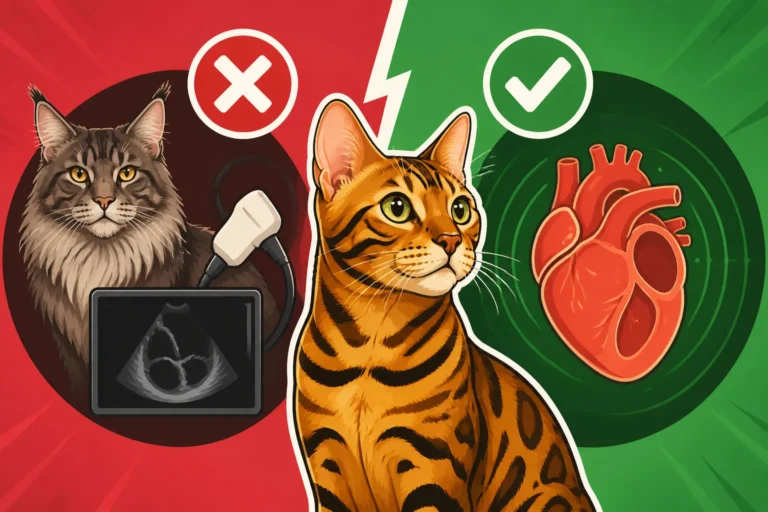
The health panel that a responsible Bengal breeder performs goes far beyond just PRA-b testing. It's a comprehensive approach to ensuring the well-being of their entire breeding program and, by extension, the breed itself. For a breeder, having all their cats tested for known genetic diseases isn't merely a recommendation; it’s an ethical imperative. This full health panel typically includes tests for Pyruvate Kinase Deficiency (PKDef), and careful screening for cardiac conditions like Hypertrophic Cardiomyopathy (HCM) through regular echocardiograms, among others.
Prospective owners rely on breeders to do their due diligence. When a breeder can confidently show you the clear genetic test results for both parents of your potential kitten, it provides immense peace of mind. It signifies transparency, a commitment to health, and a deep understanding of the breed's vulnerabilities. Conversely, a breeder who shrugs off genetic testing or claims it's unnecessary should raise a significant red flag. Pet insurance companies like Healthy Paws also favor responsible breeding practices, often offering better coverage for pets with verifiable health histories, reinforcing the financial and ethical benefits of testing. You absolutely must demand to see documentation proving What a Bengal Cat Breeder Should Have Tested.
Responsible Breeding Practices and PRA-b
The goal of every reputable Bengal cat breeder should be to produce healthy, well-socialized kittens. When it comes to managing inherited conditions like PRA-b, responsible breeding practices are paramount. This isn't just about avoiding problems; it's about actively contributing to the long-term health and vitality of the entire Bengal breed.
Breeding Carriers to Clear Cats
As we touched upon earlier, one of the most effective and responsible strategies for managing PRA-b in a breeding program is to breed carrier cats only to clear cats. This approach is often referred to as "test and don't breed affected to affected, or carrier to carrier." By ensuring that at least one parent is genetically clear (N/N), a breeder can guarantee that no kittens in the litter will be affected by PRA-b (P/P).
The beauty of this strategy is that it allows breeders to retain valuable genetic lines that might include carriers. Sometimes, a carrier cat might have exceptional conformation, temperament, or other desirable traits that a breeder wishes to preserve. By carefully selecting a clear mate, the breeder can still pass on those positive traits without risking the health of the offspring. The resulting litter will be a mix of clear and carrier kittens (statistically 50% clear, 50% carrier), but none will suffer from PRA-b. Future generations of these carrier offspring can then also be bred responsibly, always to clear mates, gradually reducing the prevalence of the gene in the breeding pool while maintaining genetic diversity. This is a careful balance, crucial for a breed as special as the Bengal.
Eliminating PRA-b from Breeding Programs
While breeding carriers to clear cats is a sound strategy for immediate risk mitigation, the ultimate long-term goal for many breeders is to eliminate PRA-b from their breeding programs entirely. This means aiming to produce only clear (N/N) offspring over several generations. This is a marathon, not a sprint, and requires consistent testing and careful selection.
To achieve this, breeders might, over time, select clear offspring from carrier x clear pairings to continue their lines. By gradually replacing carrier breeding cats with clear ones that still possess the desired traits, the frequency of the PRA-b gene within a cattery's specific lines can be significantly reduced. This systematic approach, combined with open sharing of genetic information within the broader Bengal breeding community, can contribute to a healthier breed globally. It's a testament to the dedication of breeders who invest in health testing and make tough decisions for the betterment of the cats they love.
The Long-Term Goal of Health for the Breed
The individual decisions made by breeders regarding PRA-b have cumulative effects on the entire Bengal cat breed. The long-term goal isn't just about one cat or one litter; it's about ensuring a robust, healthy future for Bengal cats everywhere. Without stringent health testing and responsible breeding choices, genetic diseases can become more prevalent, leading to more suffering animals and a diminished reputation for the breed.
Organizations like The International Cat Association (TICA) and various breed clubs actively encourage genetic health testing and provide resources for breeders. By adhering to best practices, breeders contribute to a gene pool where PRA-b is rare, or ideally, absent. This commitment safeguards the future of the Bengal cat, allowing future generations of these active and intelligent felines to live long, healthy lives, unburdened by preventable genetic diseases. It's an ongoing effort, and every responsible choice adds to the collective health of the breed. This kind of dedication reflects the true spirit of responsible animal husbandry.
The Impact on Kittens and Owners
While the genetic probabilities and ethical considerations are vital for breeders, it's equally important to consider the real-world impact of PRA-b on the kittens born with the condition and the families who adopt them. Owning a pet with a progressive genetic disease brings unique challenges and responsibilities.
Life with a PRA-b Affected Bengal Cat
For a Bengal cat diagnosed with PRA-b, life will undoubtedly be different. The onset of symptoms varies, but generally, affected cats will start to show signs of vision loss in their early to mid-adult years, typically around the age of two to five years. This can be particularly confusing and distressing for a Bengal, a breed renowned for its agility, adventurous spirit, and love of climbing and exploring. Initially, they might compensate remarkably well, especially in familiar environments. Their other senses – hearing, smell, and touch – become heightened, helping them navigate their surroundings.
However, as their vision deteriorates further, their world becomes more challenging. They might become more cautious, reluctant to jump from heights, or find it difficult to play their usual energetic games. The gradual nature of the disease can be emotionally taxing for owners who witness their vibrant cat slowly losing its independence. Providing a safe, consistent environment becomes paramount, minimizing changes to furniture layout, and ensuring pathways are clear. Despite these challenges, many PRA-b affected Bengal cats can still live fulfilling lives, given patience, understanding, and a supportive home. You can learn more about how they adapt by looking into How a Blind Bengal Cat Copes.
Supporting a Blind Bengal Cat
If you find yourself with a PRA-b affected Bengal cat, providing optimal care means making certain adaptations to your home and routine. The good news is that cats are incredibly resilient and adaptable creatures.
- Maintain Consistency: Avoid moving furniture or changing the layout of your home drastically. Consistency helps your cat create a mental map of its environment.
- Safe Exploration: Create safe, designated climbing spaces with soft landings. Consider cat trees with ramps or lower platforms. Ensure windows and balconies are secure.
- Scent Cues: Use different scents (like essential oils on specific items – ensure they are pet-safe and diluted) near litter boxes, food bowls, and beds to help your cat locate them.
- Verbal Cues: Use your voice to guide your cat. Call their name frequently as you move around, so they know where you are.
- Enrichment: Continue to provide enrichment, but adapt it to their needs. Scent-based toys, crinkly balls, and toys that make noise can still be highly engaging. Interactive play with a wand toy can still be fun, but keep the toy close to them.
- Veterinary Care: Regular vet check-ups are essential to monitor their overall health and ensure no other issues arise. Discuss pain management options if they develop arthritis from navigating their environment.
- Insurance: Having pet insurance, like a policy from Healthy Paws, can be incredibly helpful for managing the ongoing veterinary costs associated with any chronic condition or special needs that might arise. It offers a financial safety net for unexpected vet bills.
While it’s a big commitment, many owners find immense joy in caring for a blind Bengal cat. Their resilience and ability to adapt are truly inspiring, fostering an even deeper bond with their human companions.
Making Informed Breeding Decisions
Ultimately, the decision of whether or not to breed two PRA-b carrier Bengal cats rests squarely on the shoulders of the breeder. However, it should never be a decision made lightly or without full consideration of all factors, especially the health and future of the kittens. Responsible breeding is about balancing many complex elements.
Balancing Genetics and Other Desirable Traits
One of the biggest struggles for any breeder is balancing the desire to eliminate genetic diseases with the need to maintain genetic diversity and preserve other desirable traits. A carrier cat might have an outstanding temperament, a stunning rosette pattern, or come from a highly sought-after lineage free of other common Bengal cat issues like HCM. If such a cat were to be immediately removed from a breeding program simply for being a carrier, it could mean losing valuable contributions to the breed's overall health and characteristics.
This is precisely why the "carrier to clear" breeding strategy is so vital. It allows breeders to carefully integrate cats with valuable traits into their lines, even if they are carriers, without producing affected offspring. By strategically pairing them with clear mates, they can still pass on those desirable qualities, knowing that any carrier kittens produced can then be responsibly managed in subsequent generations. This thoughtful approach prevents "bottlenecking" the gene pool, which can lead to other genetic problems down the line by overly restricting breeding lines. It's a nuanced dance between preserving the past and building a healthier future for the breed.
When How Many Bengal Cats Carry PRA-b Becomes a Concern
The prevalence of the PRA-b gene within the general Bengal cat population also plays a role in breeding decisions. If the percentage of carriers is relatively low, say, less than 10%, then outright removing all carriers from the breeding pool might be a feasible long-term goal without significantly impacting genetic diversity. However, if the carrier rate is high, for example, if How Many Bengal Cats Carry PRA-b suggests a substantial portion of the breed carries the gene, then a more cautious approach is needed.
In scenarios with a high carrier rate, immediately culling all carriers from breeding programs could severely shrink the available gene pool, leading to inbreeding and the emergence of other unforeseen health issues. This is why a phased approach, focusing on breeding carriers only to clear cats and gradually selecting clear offspring for future breeding, is often recommended. This strategy allows the breed to maintain its genetic richness while slowly working towards reducing the frequency of the undesirable gene. It’s a collective effort, and transparency among breeders about their cats' genetic status is essential for the breed's health on a larger scale.
Disclaimer
This article is intended for informational purposes only and does not constitute veterinary advice. Always consult with a qualified veterinarian or a certified veterinary geneticist for specific advice regarding your Bengal cat's health, breeding decisions, and genetic testing. Breed standards and health recommendations can evolve, so staying informed with official sources is always recommended.