Which Drug Clears Tritrichomonas in a Bengal Cat
There’s almost nothing more frustrating for a Bengal cat owner than dealing with persistent, watery diarrhea that just won't quit. You’ve probably tried every special diet, every probiotic, and made countless trips to the vet, only to have the problem return with a vengeance. This guide is here to shed light on a particularly stubborn culprit, Tritrichomonas foetus, and delve deep into the specific drug that finally offers relief for your beloved, energetic companion.
The Persistent Puzzle of Bengal Cat Diarrhea and What Tritrichomonas Really Is
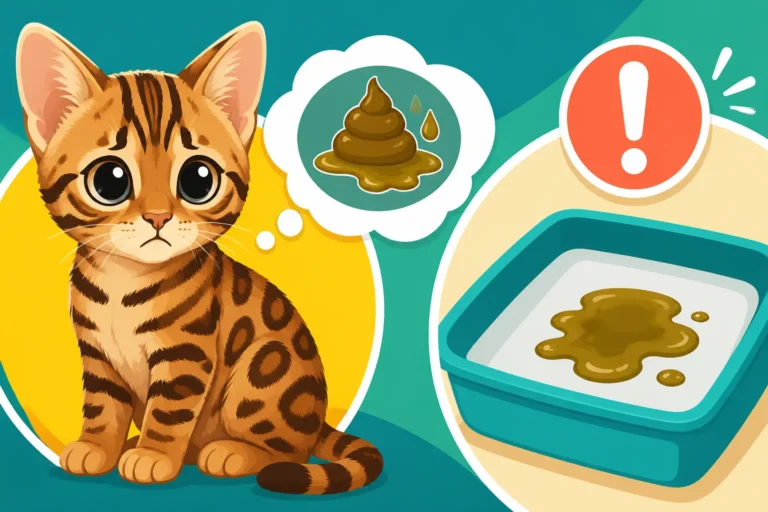
It’s a common scenario: you’ve got a vibrant, playful Bengal, full of boundless energy, but their litter box habits are anything but normal. The diarrhea might come and go, or it might be a constant, smelly battle that leaves you cleaning accidents and worrying about your cat's health. You're not alone in this struggle; many Bengal owners face this exact predicament, and it can be incredibly disheartening when standard treatments don't work.
When Diarrhea Becomes More Than a Simple Upset
When your Bengal cat has a bout of soft stool or diarrhea, your first thought might be a food sensitivity, stress, or a mild bacterial imbalance. And often, that's exactly what it is. A temporary change in diet, a new treat, or even a sudden shift in their routine can trigger a minor tummy upset that resolves itself within a day or two. But with Tritrichomonas foetus, the story is often very different. This isn't just a simple upset; it's a persistent, often debilitating, and incredibly frustrating issue that can drag on for weeks, months, or even years if not properly identified and treated.
Imagine trying to keep a high-energy Bengal clean when they're having explosive, foul-smelling diarrhea multiple times a day. It impacts their coat, their comfort, and certainly the cleanliness of your home. It can make their signature "talkativeness" sound more like a mournful wail of discomfort. If you've ever found yourself wondering Why a Bengal Cat Gets Chronic Diarrhea, it's crucial to understand that not all chronic diarrhea is created equal. There are many potential causes, from inflammatory bowel disease to bacterial overgrowth, but Tritrichomonas stands out as a unique challenge.
Unmasking Tritrichomonas Foetus: The Hidden Foe
So, what exactly is Tritrichomonas foetus? It’s a single-celled protozoan parasite, microscopic in size, that makes its home in the large intestine of cats. Unlike Giardia, which is often easier to detect and treat, Tritrichomonas is a particularly stealthy and resilient organism. It’s important to understand that while it doesn't typically cause systemic illness or directly threaten a cat's life, it can lead to significant chronic discomfort, inflammation, and impact their overall quality of life. The symptoms typically include chronic, large-bowel diarrhea, which often has a distinct, foul odor, and can contain mucus or even fresh blood. Cats may strain to defecate, leading to an inflamed anus, and some develop "strawberry butt" – an irritated, swollen perineal area. You can learn more about What Tritrichomonas Does to a Bengal Cat in detail.
This parasite is particularly prevalent in multi-cat households, catteries, and rescue environments, where it can spread easily through contaminated feces. Bengal cats, being a popular breed often originating from catteries, can unfortunately be more susceptible to encountering this parasite, especially if they came from an environment where testing and strict hygiene protocols weren't consistently followed. This is why it's so heartbreaking when you've brought home a kitten, only to find they start having these issues shortly after. Whether a Bengal Cat Kitten Arrives With Diarrhea can sometimes be an early indicator of this insidious parasite.
Diagnosing the Tricky Culprit: How Vets Confirm Tritrichomonas
One of the biggest hurdles in treating Tritrichomonas is actually getting a definitive diagnosis. It's not uncommon for owners to spend months, even years, trying various treatments for non-specific diarrhea, only to find them ineffective. This is because Tritrichomonas can be notoriously difficult to detect with routine diagnostic methods. The frustration of multiple vet visits, endless tests, and no clear answers is a common experience, but understanding the specific diagnostic approach can make all the difference.
Why Regular Fecal Tests Often Miss This Parasite
You’ve probably provided countless stool samples to your vet, hoping for that magic answer. Unfortunately, standard fecal flotation tests, which are excellent for detecting common parasites like roundworms, hookworms, and even Giardia cysts, are largely ineffective for Tritrichomonas foetus. Why? Because T. foetus is a fragile trophozoite – an active, motile form – and it doesn't produce resistant cysts that float readily in the solutions used for typical fecal exams. By the time a sample makes it to the lab and undergoes the flotation process, the delicate T. foetus organisms are often dead or distorted beyond recognition. This is precisely why your vet might have initially prescribed antibiotics or different dewormers with no lasting success; they were treating for more common culprits that weren't actually the problem. This can be costly, and pet insurance providers like Healthy Paws can be a real lifeline for covering unexpected diagnostic bills.
The Specific Tests Needed for an Accurate Diagnosis
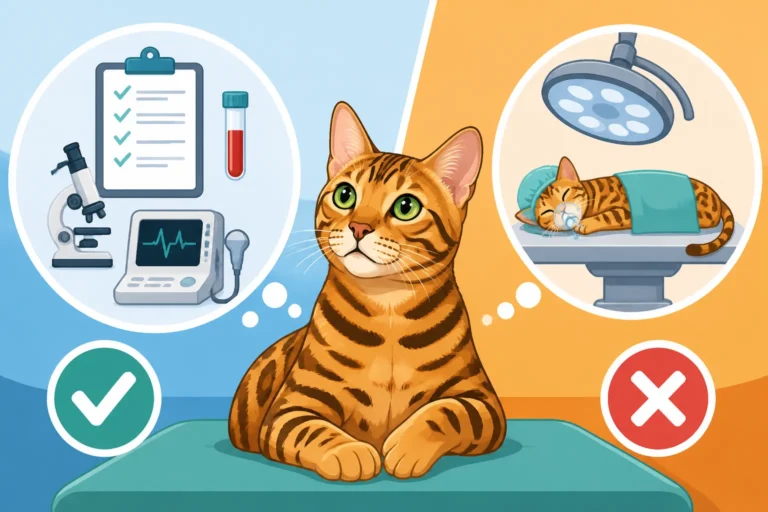
To accurately diagnose Tritrichomonas foetus, your veterinarian needs to employ more specialized techniques. These methods are designed to either visualize the live, motile protozoa or detect their unique DNA.
- Direct Fecal Smear: This is often the first, simplest, and sometimes most effective screening method, if done correctly and quickly. A fresh stool sample (ideally collected directly from the cat or immediately after defecation) is mixed with saline and examined under a microscope. The vet or technician is looking for the characteristic jerky, rolling motility of T. foetus. The key here is freshness. The organisms degrade rapidly, so a sample that's been sitting around for even an hour might yield a false negative.
- Fecal Culture (InPouch™ TF Test): This is a more sensitive method. A fresh fecal sample is inoculated into a special culture medium (like the InPouch™ TF system) that supports the growth of T. foetus. The pouch is then incubated and examined microscopically over several days for the presence of the live organisms. This increases the chances of detection significantly compared to a direct smear.
- PCR (Polymerase Chain Reaction) Testing: This is widely considered the gold standard for diagnosing Tritrichomonas foetus. PCR testing doesn't look for the live organism itself but rather for its genetic material (DNA). It's incredibly sensitive and can detect even tiny amounts of T. foetus DNA in a stool sample. This means the sample doesn't have to be ultra-fresh or contain live organisms, making it much more reliable. Most veterinary diagnostic labs, like those associated with major universities or commercial labs like Idexx, offer T. foetus PCR testing. If you’re wondering How a Vet Tests a Bengal Cat for Tritrichomonas, PCR is usually the definitive answer.
It's worth noting that these specialized tests do come with a cost. If you’re budgeting for veterinary expenses, understanding What a Bengal Cat's Fecal Panel Costs can give you a clearer picture, and having pet insurance like Healthy Paws can certainly help manage these unexpected expenses.
| Diagnostic Method | Description | Pros | Cons |
|---|---|---|---|
| Direct Smear | Fresh fecal sample, saline, immediate microscopy | Quick, inexpensive, can show live motility | Requires extremely fresh sample, low sensitivity, easy to miss |
| Fecal Culture | Sample cultured in special medium, incubated | More sensitive than direct smear, allows organisms to multiply | Takes several days, still requires live organisms, can be labor-intensive |
| PCR Test | Detects T. foetus DNA in stool sample | Highest sensitivity and specificity, doesn't require live organisms | More expensive, results take a few days, doesn't distinguish live from dead DNA |
Ronidazole: The Go-To Treatment for Bengal Cat Tritrichomonas
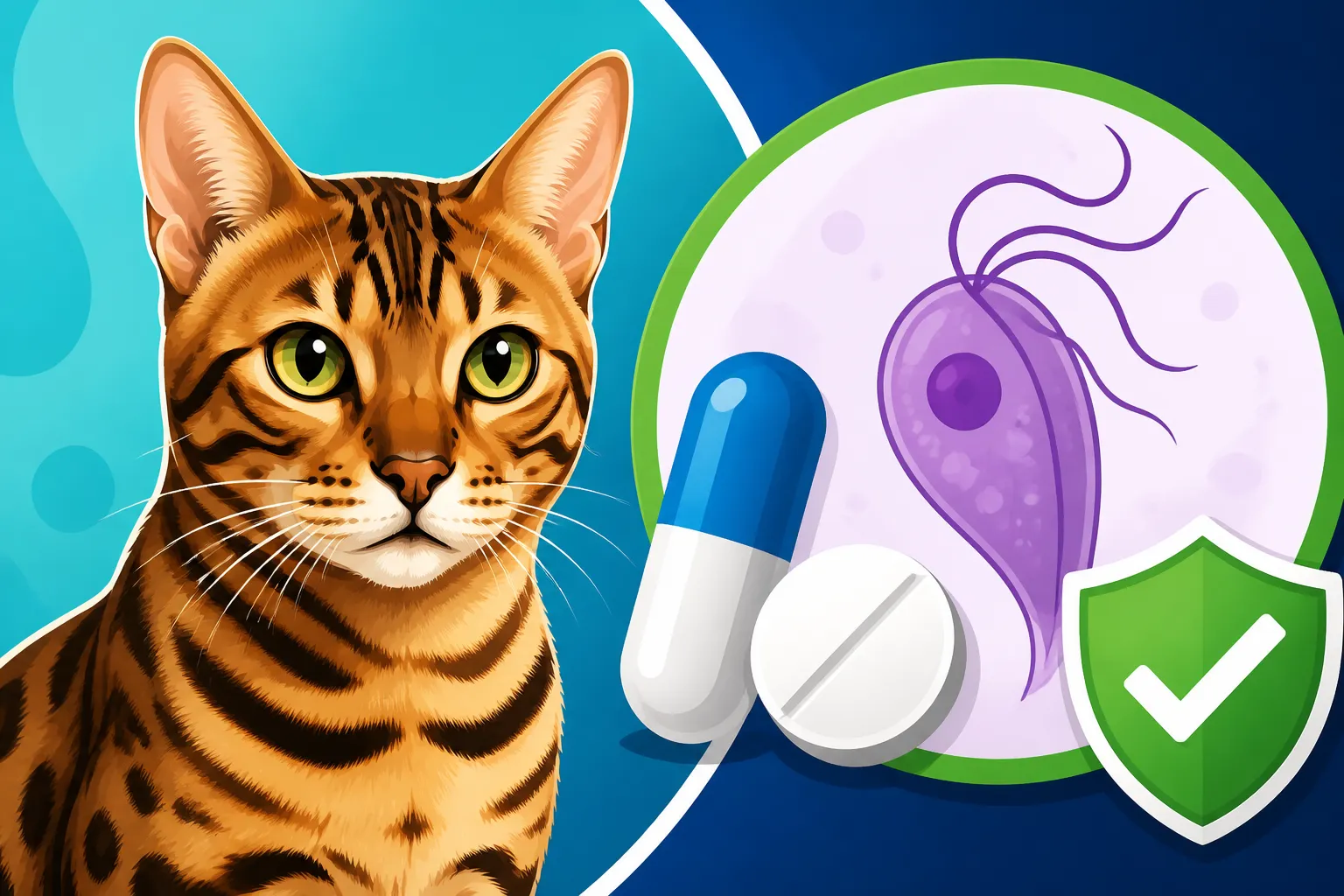
Once you finally have that definitive diagnosis of Tritrichomonas foetus, the relief is often immense, quickly followed by the question: "Okay, so what actually works?" For this particular protozoan, the answer is usually Ronidazole. It's not a common drug you'll find on every vet's shelf for general diarrhea, which is why it's so important to have an accurate diagnosis before pursuing it.
Understanding How Ronidazole Works Against T. foetus
Ronidazole is an antimicrobial drug that belongs to a class called nitroimidazoles, similar to metronidazole (Flagyl), which is often used for other types of bacterial or protozoal infections in cats. However, while metronidazole is often tried for Tritrichomonas, it typically proves ineffective, or only provides very temporary relief, making Ronidazole the preferred and more effective choice.
Ronidazole works by disrupting the DNA and protein synthesis within the Tritrichomonas foetus organism, essentially stopping its ability to grow and reproduce, and ultimately leading to its death. It's specifically effective against anaerobic bacteria and certain protozoa, which is why it hits T. foetus right where it lives. Without this targeted action, Tritrichomonas can continue to thrive in your Bengal's gut, causing ongoing inflammation and the frustrating cycle of diarrhea.
Navigating Dosage, Administration, and Potential Side Effects
Administering Ronidazole isn't always straightforward. It's not widely available in all veterinary pharmacies and often needs to be specially compounded by a veterinary compounding pharmacy, as there isn't a commercially licensed feline formulation in many regions. This means your vet will need to prescribe a specific dose based on your cat's weight, which will then be prepared into a palatable liquid suspension or tiny capsules. The typical course of treatment lasts for approximately two weeks, but this can vary based on your veterinarian's recommendation and your cat's response.
Important Considerations for Ronidazole Treatment:
- Strict Dosage: It is absolutely critical to follow your vet’s exact dosage instructions. Ronidazole, while effective, can have potential side effects if not administered correctly.
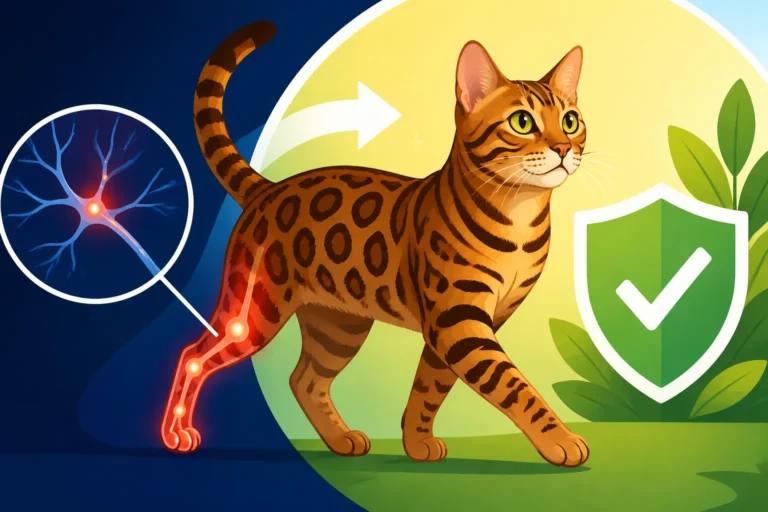
- Neurological Side Effects: The most concerning potential side effect of Ronidazole, especially at higher doses or with prolonged use, is neurotoxicity. This can manifest as neurological signs such as lethargy, loss of appetite, wobbliness, tremors, or even seizures. If you notice any of these signs, contact your vet immediately. They may recommend stopping the medication or adjusting the dose. This is why it's usually reserved for confirmed cases of Tritrichomonas.
- Taste and Administration: Compounded medications can sometimes have a strong taste. Work with your vet and the compounding pharmacy to get the most palatable formulation possible to ensure your Bengal takes the full course. Many Bengals are notoriously picky, and you don’t want to miss doses, which could lead to recurrence or treatment failure.
- Environmental Cleanup: While the medication is working, it's vital to implement strict hygiene protocols to prevent reinfection. More on this in the next section!
The cost of this compounded medication and the necessary follow-up vet visits can add up. Understanding What Treating Tritrichomonas Costs a Bengal Cat Owner is important for financial planning, and again, pet insurance can be a huge help here.
Why Other Treatments Fall Short for This Specific Infection
You might be thinking, "But I've tried so many other things! Why didn't they work?" This is a perfectly valid question and gets to the heart of why a specific diagnosis is so crucial.
- Antibiotics: Many general antibiotics (like metronidazole, amoxicillin, etc.) are often prescribed for general diarrhea. While they might temporarily alter the gut flora or suppress secondary bacterial overgrowth, they generally do not kill Tritrichomonas foetus. Metronidazole, specifically, is a weak trichomonacide in cats and its effectiveness against T. foetus is very limited. This is why you might see a slight improvement during antibiotic treatment, only for the diarrhea to return shortly after the course is finished.
- Dewormers: Standard dewormers target common intestinal worms (roundworms, hookworms, tapeworms) and sometimes Giardia. They do not have efficacy against protozoa like T. foetus.
- Probiotics and Dietary Changes: While Whether Probiotics Help a Bengal Cat with overall gut health, or When a Bengal Cat Needs a Special Diet for Its Gut is important for many digestive issues, they are supportive measures. They can help soothe the inflamed gut and improve stool quality to some extent, but they cannot eradicate the underlying Tritrichomonas infection. Think of them as helping manage the symptoms, not curing the disease.
This highlights why targeted therapy with Ronidazole, based on an accurate PCR diagnosis, is the absolute key to clearing Tritrichomonas foetus and bringing lasting relief to your Bengal cat.
Life After Diagnosis: Supporting Your Bengal Cat Through and Beyond Treatment
Getting through the Ronidazole treatment is a huge step, but the journey doesn’t end there. To ensure long-term success and prevent the frustrating experience of Whether Tritrichomonas Comes Back in a Bengal Cat, you need a comprehensive strategy that includes environmental management and ongoing gut support.
Managing the Environment to Prevent Reinfection
Tritrichomonas foetus is primarily spread through the fecal-oral route. This means that if even tiny amounts of infected feces are ingested, reinfection can occur. This is particularly relevant in multi-cat households where a treated cat could easily pick up the parasite again from an untreated cat or a contaminated environment.
Here’s a checklist for rigorous environmental hygiene:
- Litter Box Overhaul: This is non-negotiable. Litter boxes must be scooped at least twice daily. During treatment and for several weeks afterward, consider daily litter changes and complete disinfection of the litter boxes. Use hot, soapy water, followed by a disinfectant that is safe for cats and effective against protozoa (e.g., a dilute bleach solution, ensuring thorough rinsing). If you can, replace old plastic litter boxes with new ones, as plastic can harbor organisms in microscopic scratches.
- Sanitize All Surfaces: Any surface that your cat (or other cats) might have contaminated with feces needs to be thoroughly cleaned. Think floors, cat trees, cat carriers, and especially catio surfaces. Again, hot water and appropriate disinfectants are your friends.
- Food and Water Bowls: These should be cleaned daily with hot, soapy water. While less likely to be a direct source of Tritrichomonas transmission, good hygiene for food and water sources is always essential.
- Grooming and Paws: Because Bengals are so active and playful, they can easily track microscopic fecal matter around. Pay close attention to your cat's hindquarters and paws. Gentle cleaning with a pet-safe wipe can help minimize contamination.
- Isolate if Possible: If you have multiple cats and only one is diagnosed, talk to your vet about whether temporary isolation during treatment is advisable to prevent further spread. All cats in the household may need testing and potentially treatment if the parasite is endemic.
- Monitor Other Cats: Even if other cats in the household aren't showing symptoms, they could be asymptomatic carriers. It's often recommended to test all cats in the home if one is diagnosed with Tritrichomonas.
These steps might seem tedious, but they are crucial for breaking the cycle of infection and ensuring your Bengal stays clear of this persistent parasite. This kind of diligent care goes a long way in supporting their overall health, as part of their regular How Often a Bengal Cat Needs a Wellness Exam.
Long-Term Gut Health and Nutritional Support
Even after successful treatment with Ronidazole, your Bengal's gut might need some time and TLC to fully recover from the prolonged inflammation caused by Tritrichomonas. The lining of the large intestine can be quite irritated, and re-establishing a healthy microbiome is important for firm, consistent stools.
- Probiotics: While not a cure for Tritrichomonas, high-quality feline-specific probiotics can be incredibly beneficial during recovery. They help to replenish beneficial gut bacteria that may have been disrupted by the infection and even by the Ronidazole itself. Look for probiotics with multiple strains of bacteria, particularly Lactobacillus and Bifidobacterium species.
- Prebiotics: These are non-digestible fibers that feed beneficial gut bacteria. Ingredients like FOS (fructooligosaccharides) or inulin are common prebiotics found in some cat foods or supplements.
- Digestible Diet: A highly digestible diet can reduce the workload on your cat's healing digestive system. Your vet might recommend a prescription gastrointestinal diet for a period. These diets are typically lower in fat and higher in soluble fiber to help firm up stools and soothe the gut.
- Omega-3 Fatty Acids: EPA and DHA, found in fish oil, have anti-inflammatory properties that can help reduce gut inflammation. Discuss appropriate dosing with your veterinarian.
- Fiber Supplementation: Sometimes, a bit of added fiber, like psyllium husk, can help to normalize stool consistency by absorbing excess water or adding bulk. Always introduce fiber slowly and ensure your cat has plenty of water.
Remember, every Bengal cat is an individual. What works for one might need tweaking for another. Close communication with your vet during this recovery phase is key to finding the right long-term strategy for your cat's unique needs. Ensuring your pet’s ongoing health will make those routine visits, and all the preventative care that comes with them, a much easier pill to swallow, especially with the support of a good pet insurance plan like Healthy Paws. Ultimately, the goal is to get your Bengal back to their vibrant, healthy self, free from the woes of chronic diarrhea.
Disclaimer
Please remember that this article is intended for informational purposes only and is not a substitute for professional veterinary advice. Always consult with a qualified veterinarian for any health concerns or before making any decisions about your pet's medical care.