Why an Old Bengal Cat’s Weight Should Be Watched
It's easy to assume that an older Bengal cat just naturally slows down and gets a bit cuddlier, maybe even a little plump. We see our beloved, once-bounding jungle cats start taking more naps, playing with less intensity, and we think, "Ah, they're finally settling into their senior years." But here’s the tough truth: significant weight changes in an older Bengal are rarely just a normal part of aging. They’re often an early red flag for underlying health issues that need our immediate attention. This guide will walk you through why monitoring your senior Bengal's weight is absolutely critical and what those changes might mean.
The Subtle Shifts in a Senior Bengal's Metabolism
As our energetic Bengal cats transition into their golden years, their bodies undergo a series of metabolic shifts that can subtly, or sometimes drastically, impact their weight and overall health. It's not just about them moving less; their internal chemistry is changing too.
Declining Muscle Mass (Sarcopenia) Even Without Weight Loss
One of the most insidious changes in older cats, including our athletic Bengals, is sarcopenia – the age-related loss of muscle mass. What's tricky about sarcopenia is that it can occur even if your cat's total body weight remains stable. Imagine a human who stops exercising; they might weigh the same, but their body composition changes from muscle to fat. The same happens with our senior felines. Your Bengal might still tip the scales at their usual weight, but if you feel along their spine and hips, you might notice that the bony prominences are more easily felt, or that the strong, firm muscles of their legs and back have become softer and less defined.
This loss of muscle isn't just cosmetic. It directly impacts their strength, agility, and balance. A Bengal who once effortlessly leaped to the highest perch might now struggle, hesitating before a jump or needing multiple attempts. They might become less steady on their feet, leading to stumbles or falls. This decline in muscle mass makes them more vulnerable to injuries and can significantly reduce their quality of life. Regular hands-on checks, feeling their body condition rather than just relying on the scale, are vital. You're looking for firm muscle, not just a soft layer of fat covering bones.
Reduced Calorie Needs and Risk of Weight Gain
For many senior Bengals, the most noticeable shift is a decrease in their boundless energy. While they'll still have bursts of playfulness, the sheer intensity and duration of their activity tend to wane. This natural slowdown means they're burning fewer calories throughout the day. If their diet isn't adjusted to match this reduced energy expenditure, weight gain becomes an almost inevitable consequence. Continuing to feed them the same generous portions they devoured as a spry youngster can quickly lead to an overweight or obese senior Bengal.
Obesity in senior cats isn't just a cosmetic issue; it's a serious health risk multiplier. Extra weight puts immense strain on their joints, exacerbating conditions like arthritis that are already common in older felines. It increases their risk of developing diabetes mellitus, a condition that can be difficult to manage and significantly impacts their well-being. Furthermore, obesity can lead to heart disease, respiratory problems, and even certain types of cancer. It also makes grooming difficult for them, leading to matted fur and skin issues. Adjusting their diet proactively, offering smaller, more frequent meals, and choosing a high-quality, calorie-appropriate senior formula are crucial steps to prevent these problems. Finding appropriate senior foods is easy through retailers like Chewy, which often stock specialized options.
Increased Calorie Needs and Risk of Weight Loss
While many senior Bengals face the challenge of weight gain, a concerning number experience the opposite: unexplained weight loss. This can be particularly alarming for a breed known for its lean, muscular physique. Rapid or gradual weight loss in an older Bengal is almost always a sign that something is amiss internally and should never be ignored as "just old age." It could indicate a variety of underlying health issues where the body is struggling to absorb nutrients or burning through reserves due to illness.
As cats age, their digestive efficiency can decrease. This means that even if they're eating the same amount of food, their body might not be absorbing all the essential vitamins, minerals, and calories it needs. Dental problems are another huge, often overlooked, culprit. Painful teeth, gum disease, or resorptive lesions can make eating excruciating, leading to a significant drop in food intake. Imagine trying to eat your favorite meal with a throbbing toothache – it's just not going to happen with gusto. Illnesses like kidney disease or hyperthyroidism can also cause dramatic weight loss despite a good, or even ravenous, appetite. It's a complex puzzle, and every piece of information, including their weight trends, helps your vet put it together. If you notice your Bengal losing weight, especially if their appetite hasn't changed or has even increased, it's time for a vet visit.
Common Health Conditions Linked to Weight Changes in Older Bengals
Weight fluctuations in senior Bengal cats are often a critical symptom of underlying health conditions that require prompt veterinary attention. Catching these issues early can make a profound difference in managing the disease and maintaining your cat's quality of life.
Hyperthyroidism and Unexpected Weight Loss
Hyperthyroidism is a prevalent endocrine disorder in older cats, where the thyroid gland produces an excessive amount of thyroid hormones. What makes this condition particularly tricky in a Bengal is that many of its symptoms can mimic the breed's naturally high energy levels. You might notice your senior Bengal suddenly has renewed kitten-like energy, racing around the house, being extra vocal, and seeming ravenously hungry, yet they are losing weight. This combination of increased appetite and weight loss is a classic hallmark of hyperthyroidism.
Because Bengals are already so active and vocal, owners might mistakenly attribute these changes to a "second wind" or an odd but harmless phase. However, unchecked hyperthyroidism can have devastating effects on their heart, leading to thickened heart muscle (secondary hypertrophic cardiomyopathy), and also cause high blood pressure, kidney dysfunction, and muscle wasting. A simple blood test can diagnose hyperthyroidism by measuring thyroid hormone levels. Early diagnosis allows for various treatment options, from medication to dietary management or even curative procedures, significantly improving your Bengal's prognosis. This is one of the reasons why annual or bi-annual wellness exams for senior cats are so vital, as they include blood work that can catch these changes before they become critical. How Often a Bengal Cat Needs a Wellness Exam is a good read on this topic.
Kidney Disease and Gradual Weight Decline
Chronic kidney disease (CKD) is another extremely common ailment in aging cats, and unfortunately, it often progresses silently until it's quite advanced. One of the early, yet often overlooked, signs of CKD is a gradual, persistent weight decline. Your Bengal might slowly start to look a little thinner, perhaps less robust in their musculature, even if they still seem to be eating. As kidney function declines, toxins build up in the blood, leading to nausea, decreased appetite, and a general feeling of malaise. This can cause them to eat less, or simply not absorb nutrients as effectively.
Beyond weight loss, you might observe increased thirst and urination – they're heading to the litter box more often and drinking more water than usual. Their coat might lose its luster, and they may appear generally unwell. Given that Bengals are adept at hiding pain and illness, it’s particularly important for owners to be vigilant. Regularly tracking your cat’s weight and paying attention to subtle behavioral changes can prompt early diagnostic blood and urine tests. While CKD isn't curable, early detection and appropriate management – often involving special kidney-supportive diets (many available from Amazon or Chewy) and medications – can significantly slow its progression and enhance your Bengal's comfort and lifespan.
Diabetes Mellitus and Weight Fluctuations
Diabetes mellitus, often referred to simply as diabetes, is a complex metabolic disease where the body either doesn't produce enough insulin or can't effectively use the insulin it does produce. This leads to high blood sugar levels. In older Bengal cats, diabetes can manifest with confusing weight fluctuations, making it a critical condition to watch for. Initially, some cats might gain weight due to insulin resistance, especially if they are already overweight or obese. However, as the disease progresses and the body cannot utilize glucose for energy, it starts breaking down fat and muscle for fuel, leading to significant weight loss despite an often-increased appetite (polyphagia).
Other key symptoms include excessive thirst (polydipsia) and increased urination (polyuria), which might lead you to believe they have kidney issues. You might also notice a dull coat, lethargy, or weakness in their hind legs. The link between obesity and diabetes in cats is strong, underscoring why managing your senior Bengal's weight to prevent obesity is so important. Early diagnosis, through blood and urine tests, is crucial. Diabetes can be managed with insulin injections, dietary changes, and sometimes oral medications, allowing many cats to live full, comfortable lives. Ignoring these signs can lead to severe complications, including diabetic ketoacidosis, which is a life-threatening emergency.
Practical Steps for Monitoring and Managing Your Senior Bengal's Weight
Being proactive about your senior Bengal's weight is one of the most impactful ways you can contribute to their health and longevity. It's not just about noticing when something is drastically wrong; it's about establishing a routine that helps you catch subtle shifts early.
Regular Weigh-Ins and Body Condition Scoring (BCS)
The most straightforward way to monitor your Bengal's weight is with regular weigh-ins. Aim for at least once a month, ideally at the same time of day. A small pet scale can be a great investment, or you can use your own bathroom scale by weighing yourself, then picking up your cat and weighing again, subtracting your weight. Record these numbers – a simple spreadsheet or even a note on your calendar can be incredibly helpful for tracking trends.
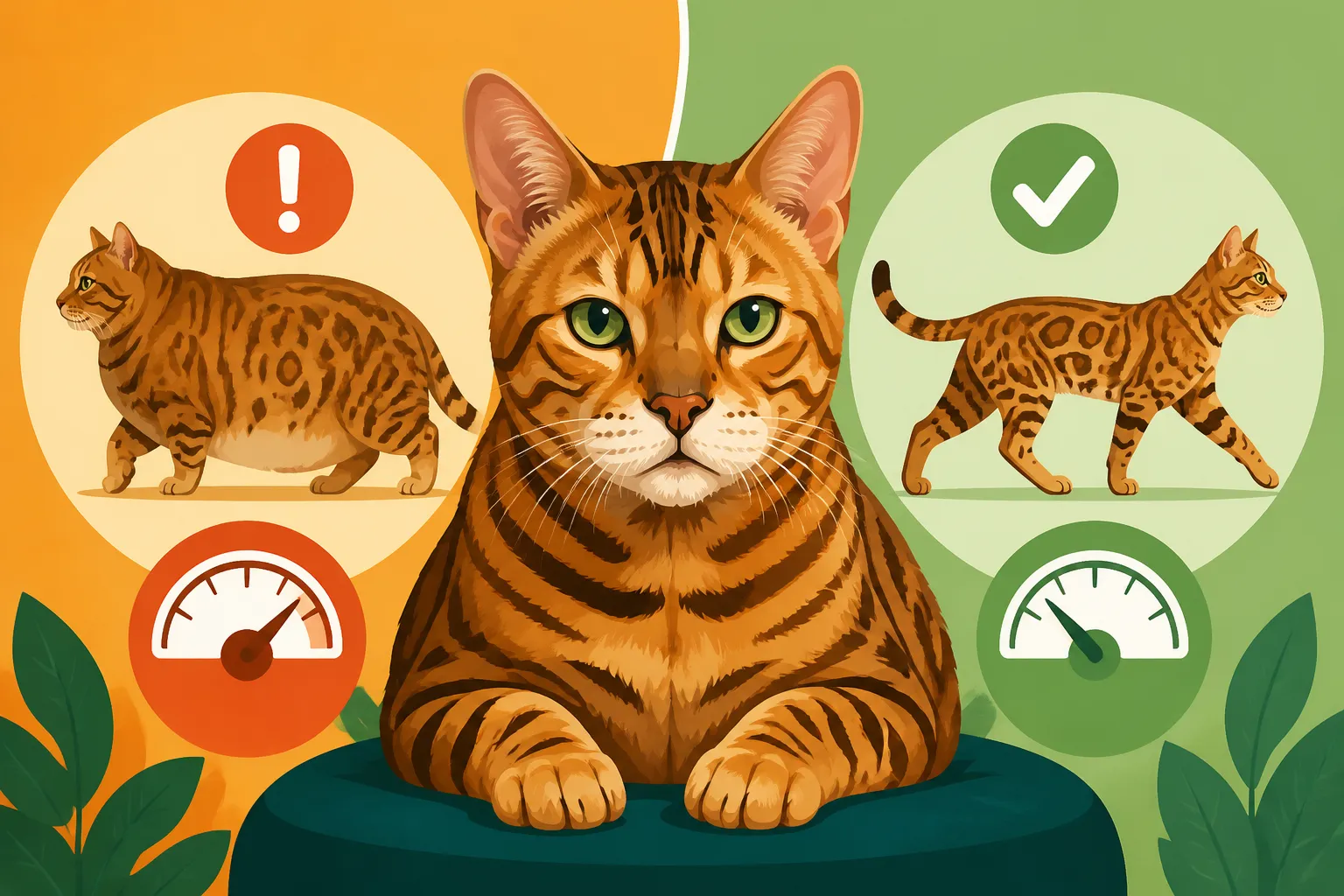
However, the number on the scale doesn't tell the whole story. Body Condition Scoring (BCS) is equally, if not more, important. BCS is a hands-on assessment that helps you evaluate the amount of fat and muscle on your cat's body, providing a more accurate picture of their health than weight alone.
Here’s a simplified guide to BCS (on a 1-5 scale, with 3 being ideal):
| BCS Score | Appearance & Feel | Implications for Senior Bengals |
|---|---|---|
| 1 (Emaciated) | Ribs, spine, pelvic bones easily visible & felt; no fat; severe waist tuck. | Severe muscle loss & malnutrition; requires urgent vet attention. |
| 2 (Underweight) | Ribs easily felt with minimal fat; obvious waist tuck; some muscle loss. | May indicate underlying disease, dental issues, or insufficient intake. |
| 3 (Ideal) | Ribs felt with slight fat cover; clear waist tuck; well-proportioned. | Maintain current diet & exercise; reassess regularly. |
| 4 (Overweight) | Ribs hard to feel; no waist tuck; fat deposits over back & tail base. | Risk of joint pain, diabetes. Diet modification needed. |
| 5 (Obese) | Ribs not felt; no waist; pronounced fat deposits; pendulous abdomen. | High risk for multiple diseases. Requires veterinary weight loss plan. |
To perform a BCS, gently feel your cat's ribs – you should be able to feel them easily, but not see them. Check their waist from above (it should taper in behind the ribs) and feel for an abdominal tuck from the side (the belly should go up, not hang down). Your vet will do this at every check-up, but you can learn to do it at home. It’s a crucial skill for Caring for a Bengal Cat Past Ten.
Dietary Adjustments and Nutritional Support
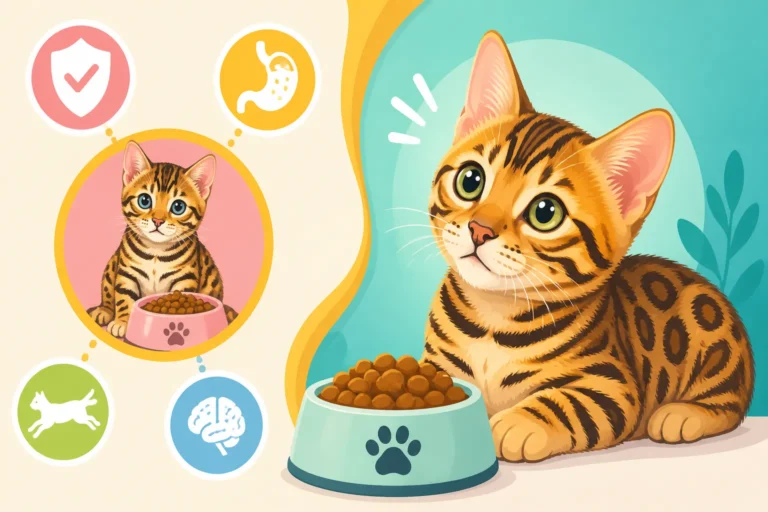
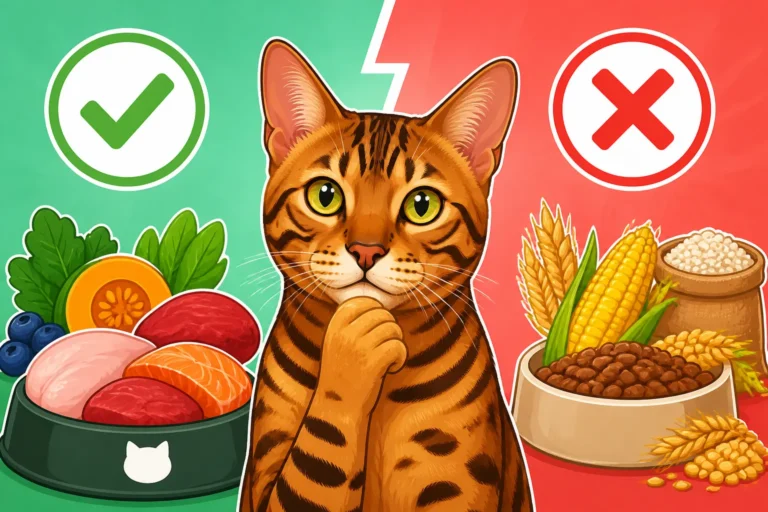
Once you have a clear picture of your senior Bengal's weight and body condition, you can work with your veterinarian to make appropriate dietary adjustments. For cats trending towards being overweight, this usually means transitioning to a high-quality senior cat food. These formulas are typically lower in calories but maintain high protein levels to support muscle mass, using easily digestible ingredients. Avoid drastic calorie restriction, as this can lead to hepatic lipidosis (fatty liver disease) in cats. Instead, focus on controlled portions and feeding multiple small meals throughout the day. Many excellent senior cat food options are available, including fresh, tailored meal plans.
If your Bengal is losing weight or struggling to maintain muscle, the approach will be different. They may need a diet that is higher in calories and protein, or perhaps more palatable options to entice a flagging appetite. Sometimes, senior cats become finicky eaters due to a decreased sense of smell or underlying nausea. Offering wet food, warming it slightly, or trying novel proteins can help. Supplements, like omega-3 fatty acids for joint health or appetite stimulants prescribed by your vet, might also be beneficial. Remember, any significant dietary change for a senior cat should always be discussed with your veterinarian to ensure it meets their specific health needs. Whether an Aging Bengal Cat Needs Less Protein is a related topic to discuss with your vet.
Encouraging Activity and Mental Stimulation
While senior Bengals naturally slow down, it doesn't mean they should become sedentary. Maintaining an appropriate level of activity is vital for muscle mass, joint health, and mental well-being. The key is to adapt play to their changing capabilities. Instead of vertical leaps to catch a wand toy, focus on ground-level chasing games. Use laser pointers (briefly, and always end with a tangible toy to "catch"), feather wands, or crinkle balls that they can bat around without straining themselves.
Ensure their favorite high perches and cat trees are still accessible, but perhaps add ramps or sturdy steps to make ascending and descending easier on aging joints. Puzzle feeders, which dispense treats when manipulated, are fantastic for mental stimulation and encourage gentle movement without over-exertion. You can find a wide variety of these on Amazon. Even a short, supervised leash walk in the garden, if they're accustomed to it, can provide valuable enrichment. The goal is to keep them moving and engaged, but always respecting their limits. Pay attention to signs of discomfort or fatigue and end play sessions before they get too tired. A well-adjusted routine that balances rest with gentle activity is key to a happy, healthy senior Bengal. Whether an Aging Bengal Cat Still Needs a Catio is a great resource if you're thinking about outdoor enrichment for your senior cat.
Disclaimer
This article is for general informational purposes only and does not constitute professional advice. Laws, prices and regulations vary by location and change over time. Consult a qualified professional for guidance on your specific situation.