How Often a Bengal Cat Needs a Wellness Exam
It’s easy to look at your vibrant, athletic Bengal cat, tearing through the house or scaling your tallest cat tree, and think they're an unbreakable force of nature. Their wild ancestry gives them an aura of robust health, which can sometimes lull us into thinking they don't need regular check-ups. But even the most energetic Bengal can harbor hidden health issues that only a consistent wellness exam schedule can uncover. This guide will help you understand just how often your adventurous companion needs to see the vet, and why those visits are so crucial for their long, happy life.
The Lifelong Journey of Bengal Cat Wellness Exams
Bringing a Bengal into your home is an incredible adventure, and part of that journey is committing to their health. Just like humans, cats benefit immensely from preventative care, allowing us to catch potential problems before they become serious or even life-threatening. Skipping these routine appointments might seem like a way to save money or avoid stress for your cat, but it often leads to much higher costs and greater distress down the line when a preventable condition escalates.
Why Annual Visits Are the Bare Minimum for Adult Bengals
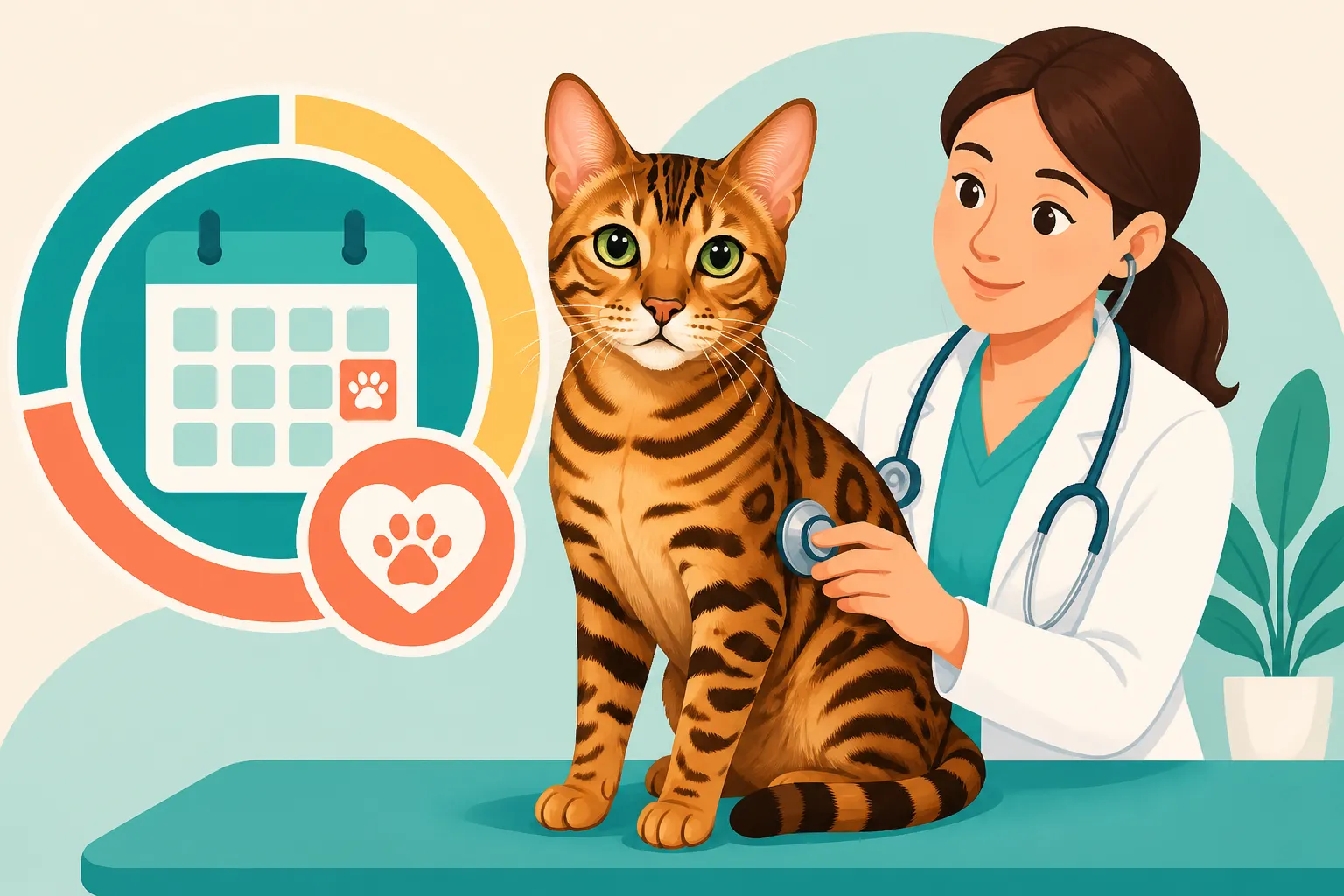
For most adult Bengal cats, once they're past their rambunctious kitten phase and settled into adulthood (roughly one to seven years old), an annual wellness exam is the bedrock of their healthcare. Think of it as their yearly physical. Even if your Bengal seems perfectly fine, eating well, playing hard, and showing no outward signs of distress, a lot can be happening internally that you can't see. Cats are absolute masters at hiding illness, a survival instinct passed down from their wild ancestors. By the time a Bengal shows obvious symptoms, the underlying condition might already be quite advanced.
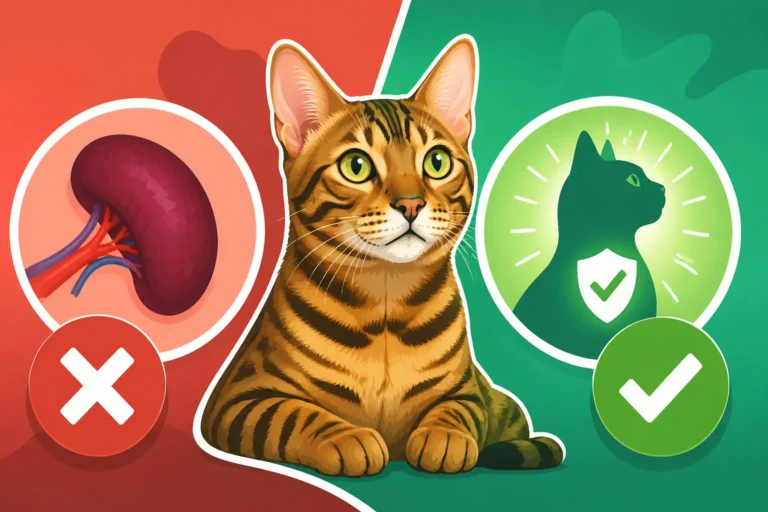
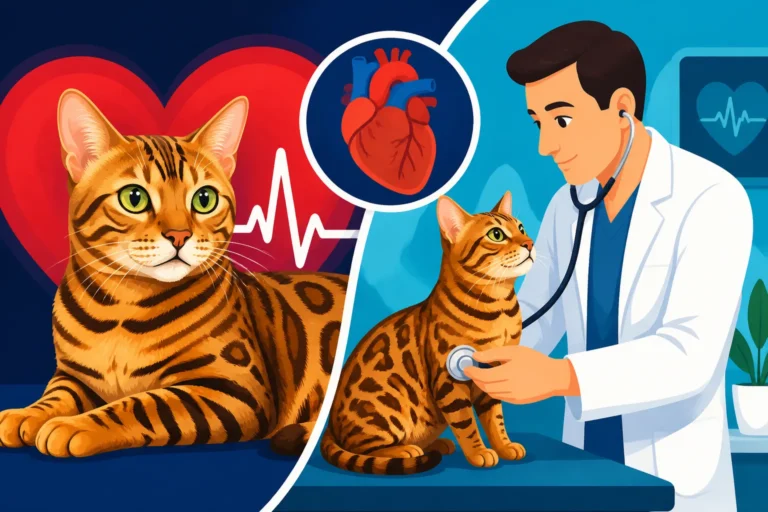
During these yearly check-ups, your veterinarian performs a thorough physical examination, which includes checking their teeth for dental disease (a very common and often painful issue in cats), listening to their heart and lungs for any abnormalities like a subtle murmur, feeling their abdomen for organ changes, and assessing their coat and skin. They’ll also discuss vaccination boosters, parasite prevention, and any subtle behavioral changes you might have noticed. This consistent oversight is your best defense against many common feline ailments, catching things like early kidney issues, dental problems, or even a nascent heart condition that might otherwise go unnoticed until it's much harder to manage. Many owners often wonder about how often a Bengal Cat needs an Echo, and these yearly check-ups are often where a vet might first recommend one if they detect a concern.
Special Considerations for Bengal Kittens and Seniors
The frequency of vet visits isn't a one-size-fits-all situation for your Bengal; it changes significantly at different life stages. Kittens, for example, require much more frequent attention during their first year of life. When you first bring home a Bengal kitten, they'll typically need a series of vaccinations to protect them from common feline diseases, usually starting around 8 weeks old and continuing every 3-4 weeks until they're about 16 weeks old. They'll also need deworming treatments and a thorough check-up to ensure they're growing properly and don't have any congenital issues. This early preventative care sets them up for a healthy future and builds a strong foundation.
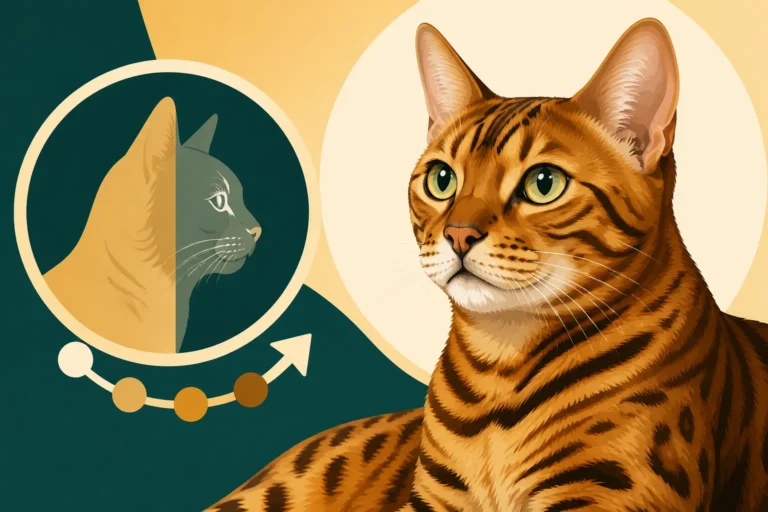
On the other end of the spectrum, senior Bengal cats, generally those over the age of ten, also require more frequent veterinary attention – usually twice a year, or even more often if they have existing health conditions. Just like with humans, aging brings a higher risk of conditions such as arthritis, kidney disease, hyperthyroidism, and even certain cancers. Regular exams allow your vet to monitor these age-related changes closely. For example, they might recommend routine bloodwork to check kidney and thyroid function, which can reveal problems long before your Bengal starts showing outward symptoms. Knowing when a Bengal cat is considered senior and how to prepare for this stage is paramount for their comfort and longevity. This proactive approach significantly improves the quality of life for a senior Bengal and can add precious years to their lifespan. You can find more information about Caring for a Bengal Cat Past Ten to prepare for these changes.
What Happens During a Bengal Cat Wellness Exam?
A wellness exam isn't just about getting a jab or a quick pat. It's a comprehensive health review designed to ensure every aspect of your Bengal cat's well-being is considered. Understanding what to expect can help you prepare and make the most of the visit, ensuring you leave with all your questions answered and your Bengal on the path to optimal health.
The Head-to-Tail Physical Assessment
When you bring your Bengal in for their wellness exam, the veterinarian will perform a thorough head-to-tail physical assessment. This isn't just a cursory glance; it's a systematic check of every major body system. They'll start by observing your cat's general demeanor and gait, noting any stiffness or changes in how they move. Then, they'll examine your Bengal’s eyes, looking for clarity, discharge, or signs of vision problems, and check their ears for mites, infections, or excessive wax. The mouth is a crucial area, as dental disease is incredibly common; the vet will assess their gums, teeth, and tongue for any signs of inflammation, plaque, or lesions.
Moving down, the vet will gently palpate your Bengal’s lymph nodes, neck, and thyroid gland. They'll listen to their heart and lungs using a stethoscope, checking for any unusual rhythms, coughs, or What a Bengal Cat's Murmur Means. This is especially important for Bengals, as heart conditions like HCM can be insidious. They'll also feel your cat’s abdomen to check the size and texture of internal organs, looking for any discomfort or abnormalities. Finally, they'll examine the skin and coat for parasites, lumps, or dryness, and check their paws and claws. This comprehensive physical helps catch a wide array of potential issues before they become serious.
Discussion on Diet, Behavior, and Lifestyle
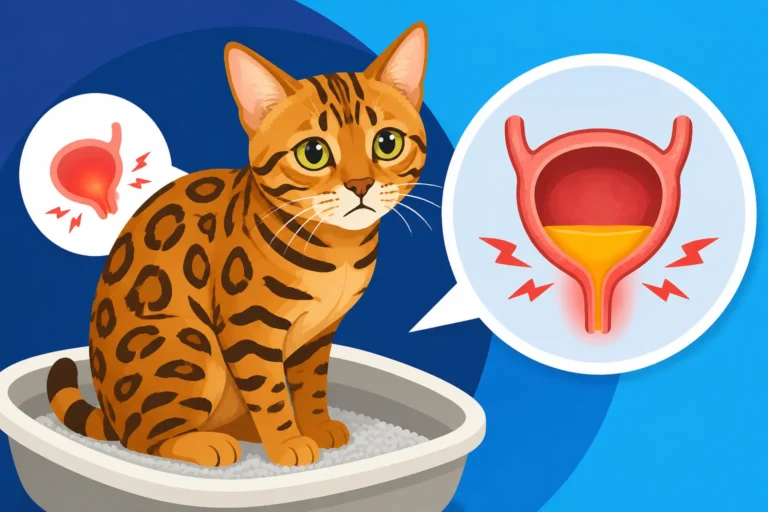
Beyond the physical examination, a significant part of the wellness visit is a detailed conversation with you, the owner. Your vet will ask you about your Bengal's diet – what they eat, how much, and if there have been any changes in appetite or water consumption. This is a great time to discuss concerns like Chronic Diarrhea Is the Bengal Cat Complaint Nobody Warns About or whether their current food is meeting the nutritional demands of such an active breed. They'll also inquire about your Bengal's litter box habits, including frequency and consistency, which can be indicators of urinary tract issues or gastrointestinal problems.
Behavioral changes are another key topic. Has your usually outgoing Bengal become more withdrawn? Is their famous vocalization more insistent or perhaps less frequent? Any shifts in activity levels, sleep patterns, or interactions with family members or other pets can signal an underlying health problem. Your vet will also want to know about your Bengal’s general lifestyle, including whether they are indoor-only, have access to a secure catio, or if they ever venture outdoors. This holistic approach ensures that not just the physical, but also the environmental and behavioral factors impacting your Bengal's health, are taken into account.
Routine Diagnostics and Preventative Treatments
Wellness exams are also the time for important preventative measures and diagnostics. Depending on your Bengal's age, lifestyle, and your veterinarian’s recommendations, they will administer necessary vaccinations or boosters. Core vaccines typically include rabies and feline distemper (FVRCP), while others like FeLV might be recommended based on your cat’s risk factors. They’ll also discuss and provide parasite control, including flea, tick, and heartworm prevention, which is crucial even for indoor cats who can still be exposed.
For adult and especially senior Bengals, your vet may recommend routine diagnostic tests, such as a fecal exam to check for intestinal parasites, or bloodwork. What a Bengal Cat's Yearly Bloodwork Should Cover often includes a complete blood count (CBC) to check for anemia or infection, and a chemistry panel to assess organ function, particularly kidneys and liver. These tests provide invaluable insights into your Bengal's internal health, catching issues like Signs a Bengal Cat Is Anemic or early renal insufficiency before clinical signs appear. This proactive testing is essential for maintaining their health and for understanding Whether the Bengal Cat Is a Healthy Breed on an individual level.
Beyond the Routine: When Your Bengal Cat Needs Extra Vet Attention
While regular wellness exams are fundamental, there will inevitably be times when your Bengal cat needs additional, unscheduled veterinary care. Recognizing these moments and acting quickly can make all the difference in their recovery and long-term well-being.
Recognizing Subtle Signs of Illness in Bengals
One of the biggest frustrations for Bengal cat owners is their pet's incredible ability to mask illness. This trait, inherited from their wild ancestors, means they often won't cry out in pain or show obvious signs of discomfort until a condition is quite advanced. It's up to us, their devoted companions, to become attuned to the subtle shifts in their behavior, appetite, or energy levels that might signal a problem. Things like a slight decrease in appetite over a few days, a less enthusiastic approach to playtime, or a change in their preferred sleeping spots could be early indicators. Don't dismiss these minor changes; they are your Bengal trying to tell you something.
For instance, if your Bengal starts breathing harder or faster, even subtly, especially after minimal exertion, this could be a sign of respiratory or cardiac issues. Signs a Bengal Cat Has Heart Disease can include lethargy, decreased appetite, or a reluctance to engage in their usual active play. Any changes in litter box habits—straining to urinate, urinating outside the box, or noticeable changes in stool consistency—warrant immediate attention. Vomiting, diarrhea, unexplained weight loss or gain, sudden lameness, or even just a persistent "off" feeling you have about your cat should prompt a call to your vet. It's always better to be overly cautious than to wait until a treatable condition has become an emergency.
Managing Chronic Conditions and Emergencies
Sometimes, despite our best efforts with preventative care, Bengal cats can develop chronic health conditions that require ongoing management and more frequent vet visits. For example, a Bengal diagnosed with diabetes might need regular blood glucose monitoring and insulin adjustments, leading to multiple vet visits a year. Similarly, a cat with kidney disease will require regular check-ups, blood tests, and potentially dietary changes and medication adjustments to manage the condition effectively. The frequency of these visits will be determined by your veterinarian based on the specific condition and its severity.
Emergencies are another scenario entirely, demanding immediate veterinary attention. These could range from sudden injuries like a fall or a fight with another animal, to acute illnesses like sudden vomiting and lethargy, or a suspected toxin ingestion. Bengals are known for their adventurous nature, and sometimes this leads to unfortunate mishaps. If you suspect an emergency, don't hesitate. Call your vet or an emergency animal hospital immediately. Prompt intervention in these situations can be life-saving. While the financial implications of such situations can be daunting, having pet insurance like Healthy Paws can provide immense peace of mind, allowing you to focus on your cat's health without added financial stress.
Making the Most of Your Bengal Cat's Vet Visits
Vet visits can sometimes feel stressful for both you and your Bengal. Your cat might be anxious about the carrier, the car ride, or the unfamiliar environment of the clinic. However, with a little preparation and a proactive mindset, you can make these essential appointments as smooth and productive as possible, ensuring your Bengal gets the best care without undue stress.
Preparing Your Bengal and Yourself for the Appointment
A calm Bengal is easier to examine, and a prepared owner is better equipped to ask questions and absorb information. Start by getting your Bengal comfortable with their carrier long before the appointment. Leave it out in a common area, put treats or favorite toys inside, and make it a cozy, positive space. Using calming pheromone sprays in the carrier and car can also help reduce anxiety. On the day of the appointment, try to stay calm yourself; cats are incredibly sensitive to our emotions. Consider placing a familiar blanket or towel in the carrier that smells like home. For some particularly anxious Bengals, your vet might even suggest a mild sedative beforehand to ensure a less stressful experience.
For yourself, compile a list of any questions or observations you have about your Bengal's health, diet, or behavior. Even small changes are worth mentioning. Bring a fresh stool sample if requested, and ensure you have any relevant medical records if you're visiting a new clinic. Being organized means you won't forget important details, and it allows the vet to get a complete picture of your Bengal's health. Remember, you are your Bengal's advocate, and thorough preparation empowers you to communicate effectively with your veterinary team.
Understanding the Costs and Value of Regular Care
Let's be realistic: veterinary care is an investment, and the costs associated with caring for a highly active and sometimes predisposed-to-certain-conditions breed like the Bengal can add up. The expense of regular wellness exams, vaccinations, parasite prevention, and potentially diagnostic tests can sometimes make owners hesitate. However, it's crucial to view these routine expenses as preventative maintenance rather than an optional luxury. Investing in regular check-ups often prevents minor issues from escalating into major, incredibly expensive, and potentially life-threatening problems down the road. Catching dental disease early, for example, can save you from a much costlier and more invasive dental surgery later on.
To help manage these costs, many owners consider pet insurance. Providers like Healthy Paws offer plans that can reimburse you for a significant portion of eligible veterinary bills, covering everything from accidents to illnesses. This can be a game-changer when an unexpected emergency arises or if your Bengal develops a chronic condition that requires ongoing treatment. While pet insurance typically doesn't cover routine wellness exams (though some plans offer optional wellness add-ons), it provides a financial safety net for the bigger, unforeseen expenses. Understanding What a Bengal Cat Costs Over Its Lifetime includes factoring in these health expenses, and proactive insurance can make a huge difference. Looking into What Insuring a Bengal Cat Costs a Month might be a wise step to protect your finances and ensure your beloved companion always gets the care they need.
Recommended Wellness Exam Frequency at a Glance
To make it a bit easier to visualize, here's a general guideline for how often your Bengal cat should be seeing the veterinarian:
| Life Stage | Age Range (Approximate) | Recommended Visit Frequency | Key Focus Areas |
|---|---|---|---|
| Kitten | 8 weeks to 6 months | Every 3-4 weeks (series of visits) | Vaccinations, deworming, growth and development monitoring, spay/neuter discussion, parasite control. |
| Junior Adult | 6 months to 1 year | Once (for spay/neuter if not done, final boosters) | Post-spay/neuter check, final vaccinations, continued parasite control, behavioral development, diet. |
| Adult | 1 year to 7-10 years | Annually | Comprehensive physical exam (dental, heart, abdomen), weight management, annual vaccinations, parasite prevention, What a Bengal Cat's Yearly Bloodwork Should Cover (optional). |
| Mature Adult | 7-10 years to 12-14 years | Annually, potentially every 6-9 months for proactive screening | Enhanced focus on dental health, early signs of arthritis, kidney/thyroid disease, bloodwork, urine analysis. |
| Senior/Geriatric | 12-14+ years | Every 6 months, or more frequently if managing chronic conditions | Intensive monitoring for age-related diseases (What Changes in a Bengal Cat After Ten), comprehensive bloodwork, blood pressure, specialized pain management discussions. |
Remember, these are general recommendations. Your individual Bengal cat's specific health needs, lifestyle, and your veterinarian’s advice should always take precedence. Building a strong, trusting relationship with your vet is the best way to ensure your Bengal lives a full, vibrant, and healthy life.
Disclaimer
This article is for general informational purposes only and does not constitute professional advice. Laws, prices and regulations vary by location and change over time. Consult a qualified professional for guidance on your specific situation.