Whether an Aging Bengal Cat Still Needs a Catio
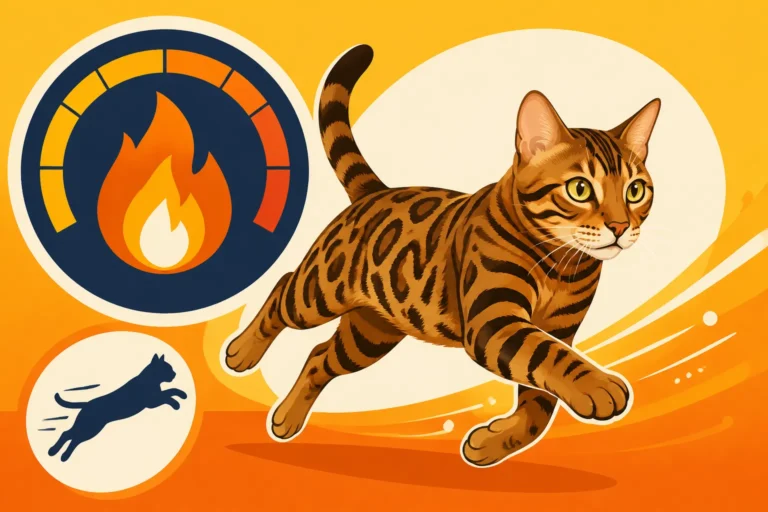
It's a common misconception that once our vibrant, endlessly energetic Bengal cats hit their senior years, they suddenly transform into sedentary couch potatoes, content to nap away their days. While it's true that their zoomies might shorten and their leaps might not reach the highest shelves, the core essence of their wild ancestry—that insatiable curiosity, the need for mental stimulation, and the love of observing the world—doesn't simply vanish with age. This guide explores why a catio remains a valuable, even crucial, part of an aging Bengal's life and how you can adapt it to meet their evolving needs.
Understanding Your Senior Bengal's Enduring Needs
When your Bengal cat enters their golden years, typically around age ten, you might notice subtle shifts. They might sleep a bit more, their movements might be a little less fluid, and they may not harass you for playtime quite as incessantly. However, mistaking these changes for a complete loss of their adventurous spirit is a disservice to the breed's incredible vitality.
The Myth of the Sedentary Senior Bengal
Many cat owners, understandably, assume that an older cat just wants to relax. And while a senior Bengal certainly appreciates a cozy nap in a sunbeam, it's a profound misunderstanding to believe they've entirely shed their wild instincts. Bengals are genetically wired for activity, exploration, and mental engagement. Their curiosity about the outside world, their desire to climb, and their hunting instincts remain, even if tempered by age. Think about it: a ten-year-old Bengal is considered "senior," but that's roughly equivalent to a human in their mid-to-late fifties. Would you expect a person in their fifties to suddenly give up all their hobbies and interests? Of course not!
Even an older Bengal will benefit immensely from opportunities to engage their minds and senses. They still crave that connection to nature, the rustling leaves, the chirping birds, the feel of fresh air on their magnificent coat. To deprive them of this simply because they've passed a certain age can lead to boredom, frustration, and a decline in their overall well-being. It's about adapting their environment, not eliminating their innate needs. You might find that many of the traits you admired in your younger cat, such as their intelligence and resourcefulness, are still very much present, just perhaps expressed a little more gently.
Identifying Signs of Aging vs. Boredom
It's critical for Bengal owners to distinguish between genuine signs of aging and symptoms of boredom or unmet needs. A Bengal who is genuinely slowing down due to age might have some stiffness in their joints, move with more deliberation, or have slightly less stamina during play. You might notice they take longer to settle down or seem a little less agile when jumping. These are natural progressions, and we discuss many of these changes in What Changes in a Bengal Cat After Ten.
However, if your senior Bengal starts exhibiting destructive behaviors, excessive vocalization, over-grooming, or a general lethargy that seems more like disinterest than physical limitation, these could be red flags for boredom. Perhaps they're spending more time staring out the window longingly, or swatting at dust motes with a frustrated air. A Bengal that feels under-stimulated, even in their senior years, can become stressed and unhappy. It's easy to assume they're just "getting old" when, in reality, they're yearning for a slice of the active life they once knew, adapted to their current capabilities. Observing these subtle cues can help you determine if their existing environment, including their outdoor access, is still meeting their intellectual and physical requirements.
The Enduring Benefits of a Catio for an Older Bengal
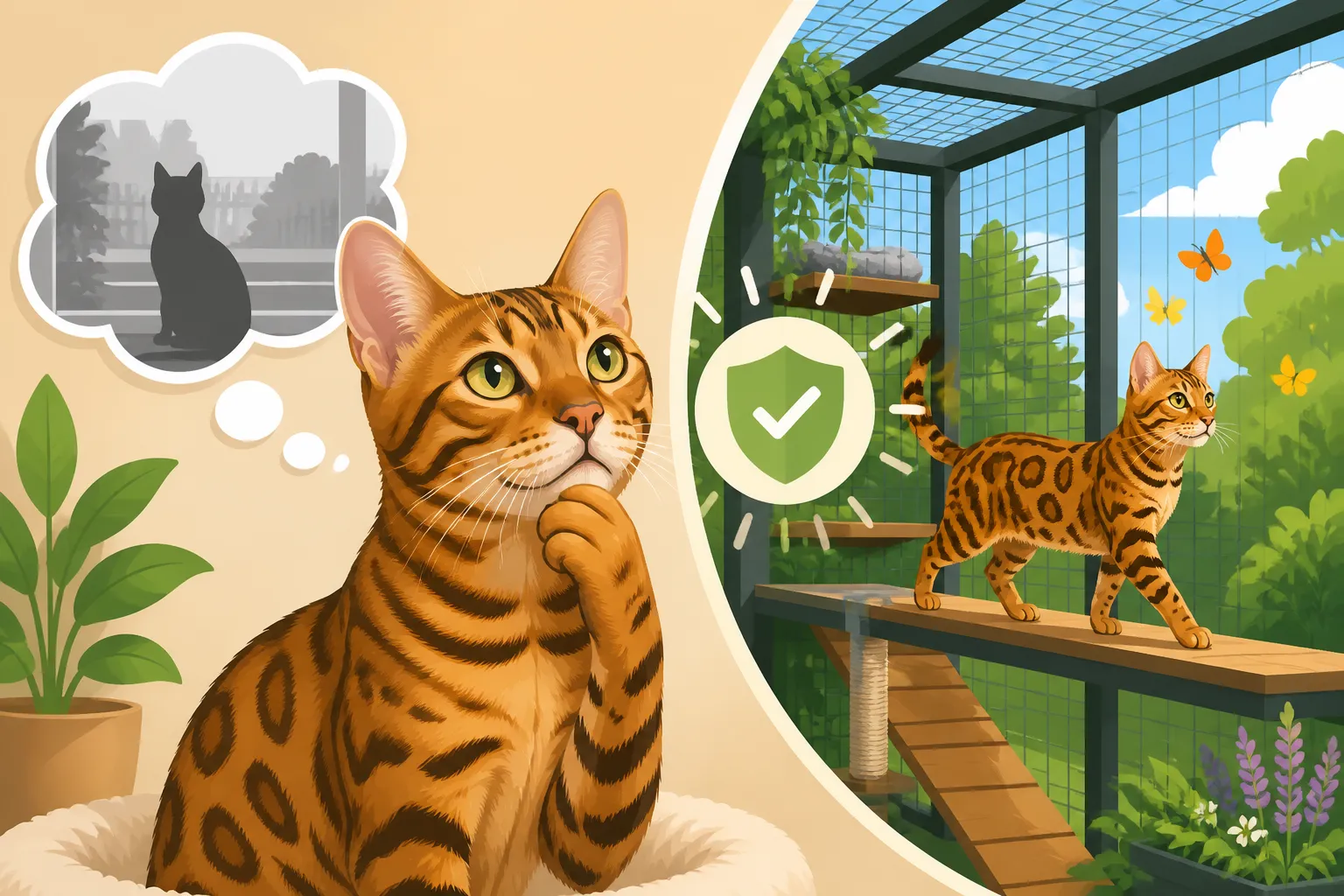
So, you're wondering if that beautiful catio you built for your spry young Bengal is still relevant now that they're a bit older? The answer is a resounding yes! In many ways, a catio becomes even more important for a senior Bengal. It's about providing safe, stimulating access to the world they still crave, but with the added security and comfort their age demands.
Safe Outdoor Exploration
The primary benefit of a catio has always been to offer the sensory richness of the outdoors without the inherent dangers. For an aging Bengal, this aspect is amplified. A senior cat might be slower to react to an approaching car, less able to escape a territorial outdoor cat, or more vulnerable to predators. Their senses, particularly hearing and sight, might not be as sharp as they once were, making unsupervised outdoor excursions far riskier.
A catio provides that perfect balance. Your beloved senior can bask in the sun, feel the breeze, smell the neighborhood, and watch the birds and squirrels, all from the safety of an enclosed space. This mental engagement is invaluable. It prevents boredom, reduces anxiety, and keeps their wild spirit alive. They can indulge their natural inclination for observation and exploration without putting themselves in harm's way. Imagine your older Bengal, perhaps with a touch of arthritis, being able to leisurely stretch out and enjoy the warmth of the sun, listening to the world go by, instead of being stuck indoors wondering what's happening just beyond the glass. This simple act of observation is profound enrichment.
Mental and Physical Stimulation
While an aging Bengal might not be scaling tall trees or chasing imaginary prey with the same frenetic energy of their youth, their need for mental and physical stimulation persists. A catio provides a dynamic environment that encourages gentle movement and sharpens their cognitive skills. Even a slow, deliberate climb up a ramp to a higher perch, or a curious sniff at a new plant, contributes to their physical well-being. This kind of low-impact activity helps maintain muscle mass, flexibility, and joint health, which are crucial as they get older. We often talk about Why an Old Bengal Cat Loses Muscle First, and providing opportunities for gentle movement can help combat this.
Beyond the physical, the mental stimulation of a catio is paramount. Bengals are incredibly intelligent creatures, and their minds need exercise just as much as their bodies. Watching the world go by, tracking a bird, or even just noticing the change in light and shadow throughout the day, keeps their brains active and engaged. It taps into their natural instincts, providing a sense of purpose and fulfillment. A bored senior cat can become lethargic and depressed, accelerating the aging process. A catio acts as a vibrant window to the world, offering endless entertainment and encouraging a healthy, inquisitive mindset, helping your cat stay engaged, active, and happy. It's a key component in Caring for a Bengal Cat Past Ten.
Stress Reduction and Well-being
Just like humans, senior cats can become more susceptible to stress and anxiety. Changes in routine, new noises, or even subtle shifts in their indoor environment can trigger unease. A catio offers a designated "safe space" where they can retreat, decompress, and reconnect with nature. The fresh air, natural light, and sensory input are incredibly calming and contribute significantly to their overall emotional well-being.
Having a consistent, secure outdoor space provides a sense of routine and predictability that is comforting for older cats. It allows them to express their natural behaviors, like scent-marking (within the catio, of course!), scratching, and observing, which are all vital for feline mental health. This reduction in stress can have a profound impact on their physical health too, potentially bolstering their immune system and improving their appetite and sleep quality. For a breed as intelligent and sensitive as the Bengal, minimizing stress is a cornerstone of good senior care. It allows them to maintain that characteristic regal demeanor, even when their pace has slowed a bit.
Adapting the Catio for Comfort and Accessibility
The catio your young Bengal once bounded through might need a few tweaks to make it perfect for their golden years. It's not about taking away their fun, but making sure they can still enjoy it safely and comfortably.
Ramp Up the Comfort
As our Bengals age, their joints might not be as nimble, and they might appreciate a bit more luxury in their outdoor haven. The hard surfaces and exposed areas that were fine for a young, sun-worshipping cat might become less appealing. Think soft. Think shaded. Think warm. Consider adding plush, washable bedding to all sleeping and lounging platforms. Waterproof outdoor cushions are fantastic for this, readily available from retailers like Amazon or Chewy.
Shade is paramount. Older cats are more prone to overheating and sunburn, especially if they spend longer periods resting. Ensure there are ample shaded areas, perhaps with UV-resistant fabric covers or strategically placed outdoor plants (cat-safe, of course!). In cooler climates, consider a sheltered, insulated nook, or even a weather-resistant heated pet bed for those crisp autumn days. This allows them to enjoy the catio even when the temperature dips a little, extending their time outdoors safely. Remember, they still love to relax and survey their domain; we just need to make that survey as comfortable as possible.
Accessibility is Key
This is where the real changes come in. Gone might be the days of daring leaps and vertical climbs. For an aging Bengal, accessibility means eliminating obstacles and making every level easily reachable.
- Ramps Over Steps: Replace steep steps or large gaps between platforms with gentle ramps. These can be constructed with non-slip surfaces, perhaps covered in outdoor carpet or textured paint, to provide better traction for older paws.
- Lower Platforms: Reconfigure the internal structure to include lower, wider platforms that are easier to get on and off. While your Bengal might have once loved the highest perch, a more accessible mid-level platform might be their new favorite.
- Multiple Entry/Exit Points: If your catio has multiple ways in and out of elevated areas, ensure they are all easily navigable. This reduces frustration and the risk of a misstep.
- Strategic Perches: Place perches at varying heights, ensuring some are low enough for easy access directly from the ground or a ramp. Consider horizontal scratching surfaces at these lower levels, as their balance for vertical scratching might be less robust.
When designing or modifying your catio, visualize your Bengal moving through it with less agility. Think about how they would enter, navigate, and exit each section. A well-designed, accessible catio ensures that What a Bengal Cat Does All Day still includes plenty of outdoor enjoyment.
Security and Maintenance
An aging Bengal might not be as quick to react to perceived threats or as adept at wriggling out of a tight spot. This makes maintaining the structural integrity and cleanliness of your catio even more critical.
- Regular Inspections: Routinely check the catio for any loose wires, gaps in netting, deteriorating wood, or weak points. Predators might be more inclined to target an older, slower cat, so security must be top-notch.
- Cleanliness: Ensure the catio is easy to clean. Older cats can be less fastidious, and maintaining hygiene is crucial for preventing infections, especially if they have any age-related health issues. Regularly clean surfaces, remove debris, and ensure any litter boxes placed outside are kept spotless.
- Weather Protection: Make sure your catio offers adequate protection from extreme weather. Strong winds, heavy rain, or intense sun can be more impactful on an older cat. Consider adding windbreaks or more substantial roofing if your current setup is minimalistic.
Investing in durable, high-quality materials for repairs and upgrades will ensure your catio remains a safe haven for years to come. Retailers like Chewy offer a range of weather-resistant cat furniture and accessories that can enhance the catio experience for your senior without compromising safety.
Other Enrichment for Your Aging Bengal
While a catio is a fantastic resource for senior Bengals, it's just one piece of the puzzle. Their indoor environment and diet also play crucial roles in their continued well-being and engagement. Think of it as a holistic approach to keeping that wild spirit thriving, even when Whether an Aging Bengal Cat Slows Down is becoming a reality.
Indoor Activities and Gentle Play
Even with a wonderful catio, indoor enrichment remains vital, especially during inclement weather or at night. The key here is gentle and interactive. Your senior Bengal might not appreciate a fast-paced laser chase anymore, but they'll likely still enjoy puzzle feeders. These are excellent for mental stimulation and slow down eating, which can be beneficial for digestion. Look for those that require a bit of thought but aren't too frustrating. Many engaging options can be found on Amazon.
Short, focused play sessions with a wand toy can still be incredibly rewarding. Instead of encouraging huge leaps, focus on ground-level movements, letting them "catch" the toy frequently to build confidence and prevent frustration. Consider rotating toys to keep things fresh, bringing out a new one every few days. Soft toys or kickers filled with catnip can also provide comfort and solo entertainment. Remember, the goal is to keep their minds sharp and their bodies moving without overexertion. Even if their energy levels are a bit lower, a short, satisfying play session beats no play at all.
Dietary Considerations for an Active Senior
Nutrition is the bedrock of health at any age, but it becomes particularly important for aging Bengals. Their metabolism might change, and they might require specific nutrients to support joint health, maintain muscle mass, and boost their immune system.
- High-Quality Protein: Bengals, even in their senior years, benefit from a high-quality, easily digestible protein source to help maintain muscle mass. If you notice Why an Old Bengal Cat Loses Muscle First, speak to your vet about dietary adjustments.
- Joint Support: Look for foods or supplements rich in glucosamine and chondroitin to support joint health. Omega-3 fatty acids are also beneficial for reducing inflammation.
- Hydration: Ensuring your Bengal stays well-hydrated is crucial. Wet food can significantly contribute to their daily water intake. A cat fountain can also encourage more drinking, and you can find a variety of styles on Chewy.
- Digestibility: Some senior cats can develop sensitive stomachs. Opt for foods with easily digestible ingredients to prevent gastrointestinal upset.
Some owners explore fresh food options with pre-portioned meals made from human-grade ingredients. While specific diet changes should always be discussed with your veterinarian, especially regarding Why an Old Bengal Cat's Weight Should Be Watched, focusing on nutrient-dense, appropriate food will give your senior Bengal the energy they need to enjoy their catio and other enrichment.
| Feature | Young Bengal Catio Needs | Aging Bengal Catio Needs |
|---|---|---|
| Activity Level | High, vertical climbing, daring leaps, extensive running | Moderate, gentle climbs, leisurely observation, stretching |
| Structure | Tall, multi-level perches, challenging climbs | Accessible ramps, lower/wider platforms, easy navigation |
| Comfort | Basic perches, sun exposure is key | Plush bedding, ample shade, insulated nooks, heated options |
| Safety Concerns | Escaping, injuring self through extreme acrobatics | Slower reactions to threats, falls, overheating, joint strain |
| Enrichment Focus | High-energy play, hunting simulations | Mental stimulation, sensory input, calm observation, gentle movement |
| Maintenance | Checking for escape points | Checking for structural integrity, easy access, cleanliness, weather protection |
Disclaimer
This article is for general informational purposes only and does not constitute professional advice. Laws, prices and regulations vary by location and change over time. Consult a qualified professional for guidance on your specific situation.