Whether a Bengal Cat Should Eat Grain Free
Navigating the world of cat nutrition can feel like deciphering a secret code, and for Bengal cat parents, it often comes with an added layer of anxiety. You've heard all about their wild ancestry, their boundless energy, and perhaps even their sensitive stomachs, leading many to wonder: should my Bengal cat be eating grain-free food? It's a common dilemma, and the sheer volume of conflicting advice out there can leave you feeling lost. This guide is here to cut through the noise, exploring the real science behind grain-free diets and whether they're truly the best choice for your adventurous Bengal.
The "Wild Ancestor" Argument for Grain-Free Diets
It's completely natural to look at your beautiful, spotted Bengal and imagine their Asian Leopard Cat ancestors roaming the jungles, hunting their prey. This image often fuels the belief that a grain-free diet is inherently superior for Bengals, aligning more closely with what their wild cousins would eat. But how much of this is fact, and how much is a romanticized idea of their dietary needs?
Understanding the Asian Leopard Cat's Diet
Let's talk about the Asian Leopard Cat (ALC), the magnificent small wild cat that is the foundation of the Bengal breed. In their natural habitat, ALCs are obligate carnivores, meaning their diet consists almost exclusively of meat. They hunt small rodents, birds, insects, and occasionally reptiles or amphibians. When they consume prey, they ingest the entire animal – muscle, organs, bones, and even the stomach contents, which might include some plant matter from the herbivore's last meal. However, this plant matter is incidental, not a primary dietary component. Their bodies are designed to derive energy, nutrients, and moisture from animal tissue. Grains, like corn, wheat, or rice, simply aren't on their menu in the wild. This clear distinction is often the cornerstone of the argument for feeding Bengal cats a grain-free diet.
The Bengal Cat's Genetic Link
Now, here's where things get a bit more nuanced. Your adorable Bengal, even if they share some of the wild beauty and energy of their ALC forebears, is still very much a domestic cat. While the first filial generation (F1) Bengal cats are direct crosses, subsequent generations, like the "SBT" (Stud Book Traditional) Bengals that most people own, are many generations removed from their wild ancestor. This means their digestive systems, while still obligate carnivore systems, have adapted over time through breeding with domestic shorthairs and other domestic breeds. The direct genetic link to an ALC's digestive system lessens with each successive generation. For instance, an F1 Bengal cat would have roughly 50% ALC DNA, but by the time you reach an SBT, that percentage is significantly diluted, making them physiologically much closer to a regular housecat than a wild animal. The question then becomes: does the diluted wild ancestry still necessitate an entirely grain-free approach, or has domestication altered their needs enough to tolerate certain carbohydrates? Understanding How Much Asian Leopard Cat DNA an F1 Bengal Cat Has is crucial to grasping this generational shift.
What Are Grains, Anyway?
Before we dive deeper into the grain-free debate, it's important to understand what "grains" actually are in the context of cat food and why they often get a bad rap. The term can be a bit of a catch-all, but it generally refers to certain carbohydrate sources.
Common Grains in Cat Food
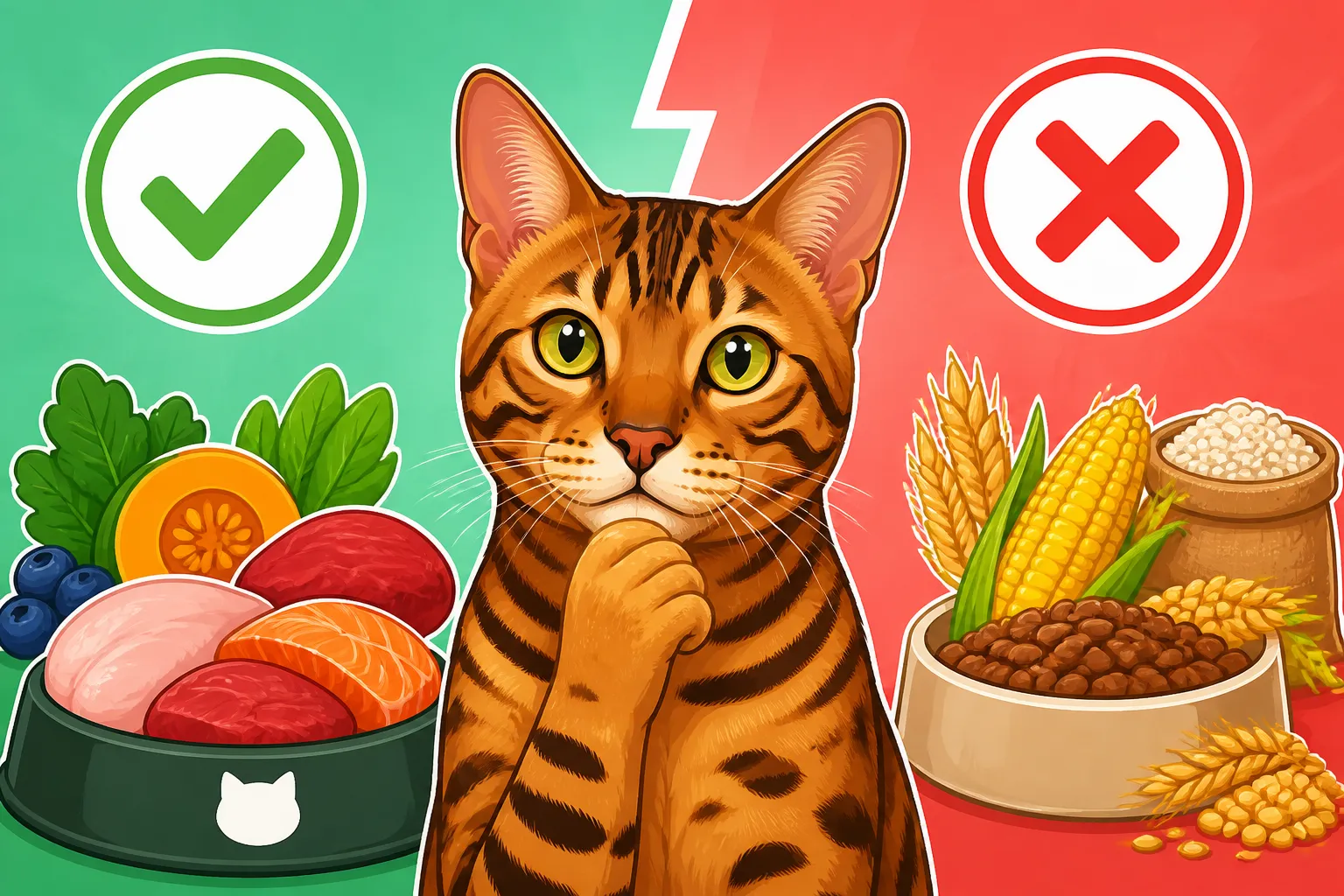
When you pick up a bag of conventional cat food, you'll often see ingredients like corn, wheat, soy, rice, or barley listed. These are the grains. They serve a few purposes in kibble:
- Carbohydrate Source: Grains provide carbohydrates, which can be an energy source. While cats are carnivores and primarily use protein and fat for energy, they can digest and utilize carbohydrates.
- Binding Agent: In dry kibble, grains often act as binders, helping the pieces hold their shape during the extrusion process. Without them, it would be much harder to create the crunchy nuggets cats often enjoy.
- Fiber: Some grains also contribute dietary fiber, which can aid in digestion and gut health.
- Cost-Effectiveness: Historically, grains have been a more economical ingredient than high-quality meat proteins, which has influenced their prevalence in pet foods.
The concern often raised by pet owners, especially those with breeds like Bengals who are perceived as more "wild," is that these grains are essentially "fillers" with little nutritional value for a carnivore. However, high-quality, properly processed grains can offer digestible carbohydrates and fiber. The issue often isn't the grain itself, but the quality and quantity of grain used, and whether it displaces more essential animal-based ingredients.
The Myth of Grain Allergies
One of the biggest drivers behind the popularity of grain-free pet foods is the widespread belief that many cats suffer from grain allergies. While food allergies and sensitivities in cats are real, actual allergies to grains are surprisingly rare. When a cat has a food allergy, it's almost always to a protein source, not a carbohydrate. The most common feline food allergens include proteins found in:
- Chicken
- Beef
- Dairy
- Fish
- Lamb
Symptoms of a food allergy in a cat typically manifest as skin issues (itching, excessive grooming, skin lesions), ear infections, or gastrointestinal upset (vomiting, diarrhea). If your Bengal cat is experiencing these symptoms, it's far more likely that they are reacting to a protein in their food than to a grain. Switching to a "grain-free" diet without addressing the actual protein culprit might provide no relief at all, and you might simply be swapping one set of carbohydrates (grains) for another (potatoes or peas). Your vet would likely suggest a food trial with a novel protein or hydrolyzed protein diet to truly identify the allergen, not just removing grains. This is why if your Bengal cat is struggling with Chronic Diarrhea Is the Bengal Cat Complaint Nobody Warns About, looking beyond just grains might be the key.
The Truth About Grain-Free Diets and Your Bengal's Health
The pet food industry has done an excellent job marketing "grain-free" as synonymous with "healthy" or "natural." While the intention might be good, the reality is far more complex, especially for obligate carnivores like Bengal cats. Understanding what actually happens when grains are removed from a diet is crucial.
The "Grain-Free" Trend and Its Substitutes
When pet food manufacturers remove grains like corn, wheat, or rice, they have to replace them with something else to provide carbohydrates, bind kibble, and ensure the food has adequate caloric density. What often steps in are ingredients like:
- Potatoes (white and sweet potatoes)
- Peas
- Lentils
- Tapioca
- Other legumes
These ingredients are also carbohydrate sources, and nutritionally, they aren't necessarily superior to grains for cats. In fact, some of these substitutes can be higher in certain types of fiber or have different glycemic indexes. The marketing often leads owners to believe they are feeding a "meatier" diet, but many grain-free formulations simply swap one set of carbs for another. It's essential to scrutinize the ingredient list to see if the overall protein content, particularly from animal sources, has actually increased, or if you're just getting a different blend of starches. A truly high-quality diet for your Bengal should always list animal protein as the first ingredient.
Potential Health Concerns with Grain-Free
This is where the conversation around grain-free diets gets serious. Over the past few years, veterinary cardiologists and nutritionists have raised concerns about a potential link between certain "boutique," "grain-free," and "exotic ingredient" pet foods and cases of Dilated Cardiomyopathy (DCM) in dogs, and to a lesser extent, cats. DCM is a serious heart condition where the heart muscle becomes thin and weak, leading to an enlarged heart and reduced pumping ability, often resulting in heart failure.
While the primary concern and research have focused on dogs, particularly certain breeds, cases have been reported in cats as well. The exact mechanism isn't fully understood, but current theories suggest a possible connection to:
- Legumes/Potatoes as Main Ingredients: Some researchers hypothesize that high levels of peas, lentils, other legumes, and potatoes as primary ingredients might interfere with taurine metabolism or other essential nutrients critical for heart health. Cats require taurine in their diet, and a deficiency can lead to DCM and retinal degeneration. While most commercial cat foods are supplemented with taurine, diets heavily reliant on plant-based proteins might still present issues.
- Ingredient Processing: The way certain ingredients are processed could also play a role, altering nutrient bioavailability.
- Lack of Ingredient Diversity: Some diets might lack a broad spectrum of nutrients found in more traditional formulations.
It's important to stress that research is ongoing, and not all grain-free diets are implicated. However, the FDA has been investigating this potential link, and many veterinary professionals now advise caution. For a Bengal cat, whose breed can already be prone to heart conditions like HCM (Hypertrophic Cardiomyopathy), adding another potential risk factor for cardiac issues is certainly something to discuss with your vet. This concern underscores why HCM Is What Kills Bengal Cats Early and other heart health issues are so vital to monitor, making careful dietary choices even more important.
Addressing the Sensitive Bengal Gut
Many Bengal cat owners lament their furball's notoriously sensitive digestive system. It seems like a sneeze in the wrong direction can trigger an upset stomach, and chronic diarrhea is a complaint nobody warns you about before getting a Bengal. Given this, it's understandable why owners might leap towards "specialty" diets like grain-free, hoping to alleviate gastrointestinal woes.
However, as mentioned, genuine grain allergies are rare. More often, a Bengal's sensitive gut might be reacting to:
- Protein Sources: Novel proteins, certain animal fats, or even common proteins like chicken or beef can be triggers.
- High Fat Content: Some high-energy diets, while seemingly appropriate for active Bengals, can be too rich and lead to loose stools.
- Parasites: Persistent diarrhea in Bengal kittens or new cats is often due to parasites like Tritrichomonas foetus or Giardia. What Tritrichomonas Does to a Bengal Cat and How a Bengal Cat's Giardia Is Treated are common issues breeders and new owners face.
- Inflammatory Bowel Disease (IBD): This chronic condition can cause persistent digestive issues, requiring specific dietary management and sometimes medication.
- Sudden Diet Changes: Bengals often do best with slow, gradual transitions between foods.
- Lack of Fiber or Too Much Fiber: Both extremes can upset their digestive balance.
So, while going grain-free might accidentally remove a triggering ingredient if that ingredient happened to be a grain (which is unlikely), it's more probable that if it helps, it's because the overall formulation changed, perhaps removing a specific protein or adjusting fat/fiber content. For a truly sensitive Bengal, a high-quality, easily digestible diet with a consistent, limited ingredient profile is often more beneficial than simply "grain-free."
When Might Grain-Free Be Considered for a Bengal?
While general consensus among veterinary nutritionists doesn't automatically recommend grain-free for all cats, there are specific, albeit rare, circumstances where it might be part of a tailored dietary plan for your Bengal. It's crucial that these decisions are made in consultation with a veterinary professional.
Genuine Grain Sensitivity
Let's be clear: genuine allergies to grains are incredibly uncommon in cats. However, an individual cat might have a sensitivity or intolerance to a specific grain, leading to digestive upset or other mild symptoms. This isn't a true immune-mediated allergic reaction but rather an inability to properly digest or process that particular ingredient.
For example, if your Bengal consistently experiences loose stools, gas, or mild vomiting after eating food containing, say, corn, and all other potential causes (parasites, infection, other food sensitivities) have been ruled out, your vet might suggest a trial with a grain-free diet that also carefully controls other common allergens. This would be a very specific, evidence-based recommendation, not a blanket assumption. Such cases are rare, and it's imperative to distinguish them from the much more common protein allergies or other gastrointestinal issues.
The Role of a Limited Ingredient Diet
Often, when a cat owner seeks out grain-free food for digestive issues, what they really need is a "Limited Ingredient Diet" (LID). LIDs are specifically formulated to contain a minimal number of ingredients, usually featuring a single novel protein source (like duck or venison) and a single carbohydrate source (which might be potato or pea, making it inherently grain-free). The goal of an LID is to simplify the diet so that if your cat is reacting to something, it's easier to pinpoint the culprit.
If your Bengal cat is struggling with persistent digestive problems, an LID is often the first line of dietary intervention recommended by vets. The "grain-free" aspect of many LIDs is often a byproduct of choosing less common carbohydrate sources, rather than the primary goal. The focus is on reducing the number of potential allergens or irritants, making it easier to identify what your cat can tolerate. When a Bengal Cat Needs a Special Diet for Its Gut is a critical discussion, and LIDs are frequently at the forefront of such recommendations. It's about careful exclusion and observation, not just removing grains wholesale.
Choosing the Right Food for Your Bengal Cat
Okay, so if "grain-free" isn't the magic bullet, what should you be looking for to ensure your Bengal cat thrives? The key is to focus on overall nutritional quality, specific ingredient types, and professional guidance.
Prioritizing High-Quality Protein
Bengal cats, like all felines, are obligate carnivores. This means their bodies are optimally designed to process and derive nutrients from animal protein. Therefore, when choosing food for your Bengal, the absolute top priority should be high-quality, animal-based protein. Look for ingredients like chicken, turkey, beef, lamb, or fish as the first one or two ingredients on the label. "Meat meal" (e.g., chicken meal) can also be an excellent source of concentrated protein, as the water has been removed before processing.
A good rule of thumb is to aim for a dry matter protein content of at least 30-40% for adult Bengals, and even higher for growing kittens or very active individuals. This ensures they get the essential amino acids, including taurine, that are vital for muscle development, energy, and overall health. Don't be swayed by marketing terms that highlight plant proteins; while some plant proteins can contribute, they should never be the primary protein source for a carnivore. For a deeper dive, consider Whether a Bengal Cat Really Needs High Protein Food.
Consulting Your Veterinarian
This cannot be stressed enough: your veterinarian is your best resource for dietary advice. Every Bengal cat is an individual, with their own activity level, age, health status, and potential sensitivities. What works perfectly for one Bengal might not be ideal for another.
Before making any significant changes to your Bengal's diet, especially if they have existing health issues like a sensitive stomach, allergies, or a heart condition, talk to your vet. They can help you:
- Evaluate your current food: Identify if it meets your Bengal's specific needs.
- Diagnose underlying issues: Rule out medical conditions that might be masquerading as diet-related problems.
- Recommend appropriate diets: Suggest specific brands or formulations based on your cat's health history and current needs.
- Guide diet transitions: Ensure any changes are made gradually to avoid digestive upset.
Don't rely solely on online forums or anecdotal advice. Your vet has the medical expertise to provide truly personalized recommendations.
Reputable Brands and Ingredient Sourcing
Beyond specific ingredients, the overall quality and sourcing practices of a pet food brand matter. Look for brands that:
- Employ veterinary nutritionists: Reputable companies often have board-certified veterinary nutritionists on staff to formulate their diets.
- Conduct feeding trials: Instead of just meeting AAFCO nutrient profiles, some brands perform actual feeding trials to demonstrate their food's efficacy.
- Have strict quality control: Transparency about where ingredients come from and how the food is manufactured is a good sign.
- Offer various formulations: A wide range of options (e.g., sensitive stomach, indoor cat, weight management) can indicate a commitment to diverse pet needs.
You'll find a wide variety of cat foods from many reputable brands, as well as specialized fresh food options. Always check the ingredient list, guaranteed analysis, and any specific dietary claims. Remember that higher price doesn't always equate to higher quality, but often, ingredient quality does come with a higher cost.
Ultimately, the goal is to provide a balanced, highly digestible diet rich in animal protein and appropriate fats, with moderate, easily digestible carbohydrates. Whether those carbohydrates come from grains or grain substitutes is less important than the overall nutritional profile and how your individual Bengal thrives on it.
Here’s a quick overview to help you compare:
| Feature | Grain-Inclusive Cat Food (High Quality) | Grain-Free Cat Food (High Quality) |
|---|---|---|
| Primary Energy Source | Animal protein, fat, digestible carbs from grains | Animal protein, fat, digestible carbs from substitutes |
| Common Carb Sources | Corn, rice, barley, wheat (often whole grains) | Potatoes, peas, lentils, tapioca |
| Binding Agents (Kibble) | Grains | Legumes, potatoes, other starches |
| Allergy Risk | Low for grain allergy, higher for common protein allergens | Low for grain allergy, higher for common protein allergens; potential concern with high legume content (DCM link – primarily dogs, under investigation for cats) |
| Fiber Content | Variable, can be good source | Variable, often from legume/vegetable sources |
| Digestibility | Highly digestible if well-formulated and processed | Highly digestible if well-formulated and processed |
| Vet Recommendation | Often recommended if meeting nutritional needs | May be recommended for specific, diagnosed intolerances or as part of LID |
Disclaimer
This article is for general informational purposes only and does not constitute professional advice. Laws, prices and regulations vary by location and change over time. Consult a qualified professional for guidance on your specific situation.