What Fifteen Years of Bengal Cat Care Looks Like
Bringing a Bengal cat into your home is an incredible adventure, full of energetic antics and dazzling beauty. But many prospective owners, and even some current ones, don't fully grasp the long-term commitment, especially how their care needs evolve over their impressive lifespan. This guide aims to pull back the curtain on what a full fifteen years of life with a Bengal might truly entail, from their boisterous kitten days to their serene, golden years, helping you prepare for every stage.
The Ever-Evolving Needs of a Bengal Cat Through Life Stages
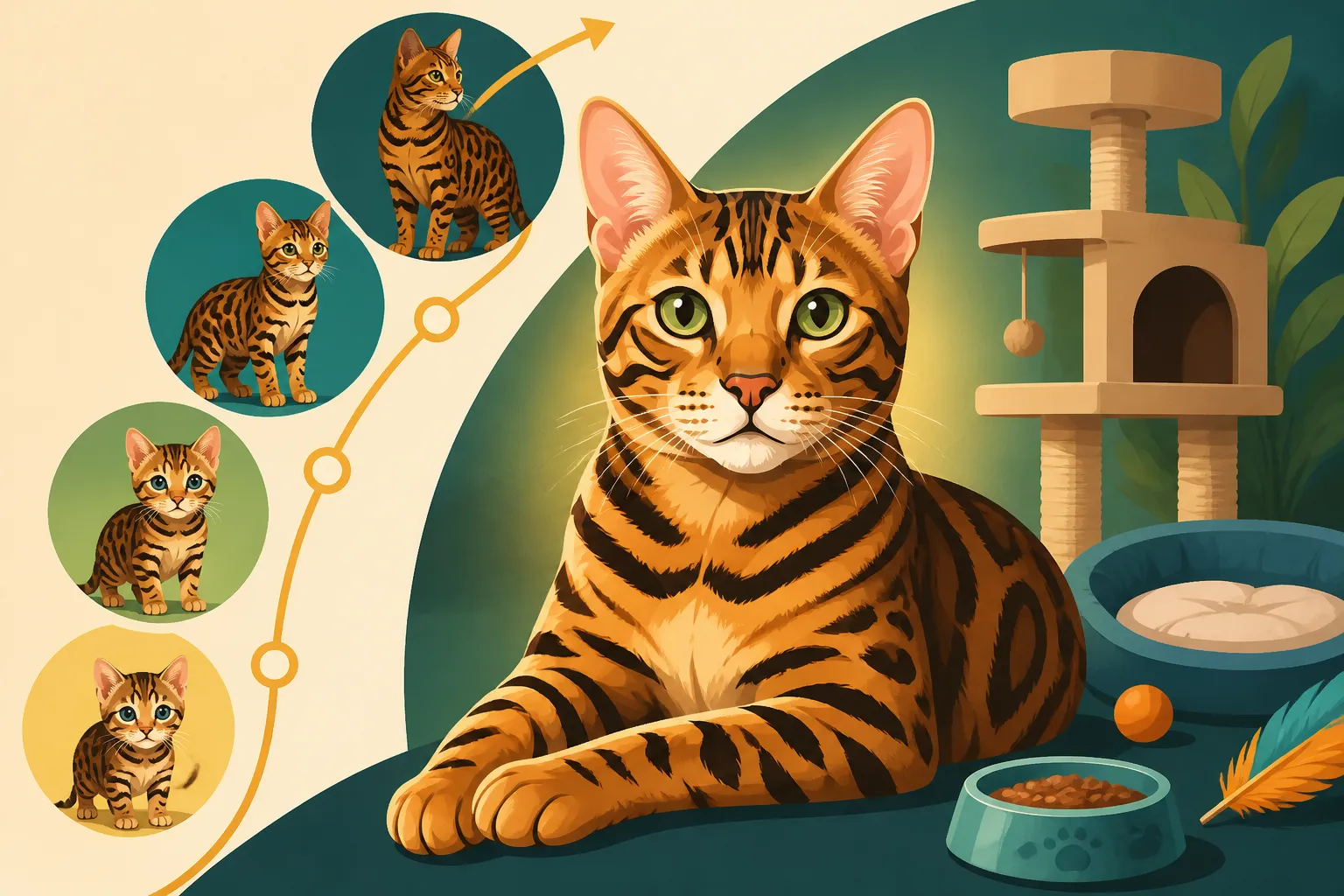
Bengal cats are not static creatures; their needs shift dramatically as they grow from tiny, fuzzy bundles of energy into dignified seniors. Understanding these transformations is key to providing a fulfilling life and preventing common issues that arise when care doesn't adapt. It’s a journey, not a sprint, and your role as their caretaker will evolve right along with them.
The Energetic Kitten and Adolescent Years (0-2 years)
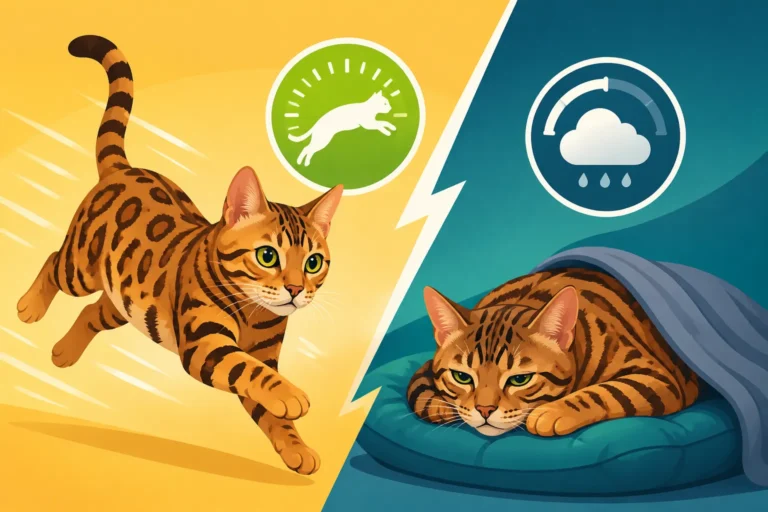
Oh, those kitten days! When you first bring home a Bengal kitten, prepare for a whirlwind. These little tigers are absolutely brimming with boundless energy, curiosity, and a drive to explore every nook and cranny of your home. They’re essentially miniature, furry wrecking balls of adorable chaos. This phase demands an extraordinary amount of physical and mental stimulation. We're talking multiple intense play sessions daily, often 15-20 minutes each, with wand toys, laser pointers, and anything that mimics hunting. If they don't get this outlet, they will find their own entertainment, which often means scaling curtains, investigating the insides of cabinets, or developing a fascination with your houseplants. Early socialization is crucial here, exposing them gently to different sounds, people, and environments to help them grow into well-adjusted adults.
Beyond the play, these early years are prime time for establishing good habits. Litter box training is usually straightforward for Bengals, but reinforcing appropriate scratching behavior with plenty of tall, sturdy scratching posts is vital. Teaching them basic commands, leash training, or even how to use a cat wheel begins now, setting the foundation for a lifetime of enrichment. Without consistent engagement and appropriate outlets, their incredible intelligence can quickly turn into boredom, leading to destructive behaviors or vocal demands that test even the most patient owner. Their minds are sponges, and it's your job to fill them with positive experiences and challenges.
The Peak Adult Years (2-10 years)
Once your Bengal cat moves past their adolescence, typically around two years of age, they settle into their prime adult years. While some of the frantic, never-ending kitten energy might mellow ever so slightly, make no mistake: an adult Bengal remains an incredibly active and intelligent companion. They're still going to need significant daily interaction and play. Think of them as high-performance athletes who need regular training to stay in top form, both physically and mentally. This is the period where their personalities really shine, becoming confident, affectionate (on their own terms, of course!), and incredibly interactive members of the family.
Maintaining a consistent routine is paramount during these years. They thrive on predictability, even if they occasionally try to break it by turning on a faucet. Continue to provide ample opportunities for climbing, exploring, and hunting "prey" with interactive toys. Many adult Bengals excel at leash walking or enjoy time in a secure catio, fulfilling their natural desire for outdoor sensory input without the dangers of free-roaming. How Much Exercise a Bengal Cat Needs a Day covers just how much activity they need. If their environment becomes stagnant or they feel neglected, you might see the resurgence of those earlier destructive tendencies, or even new behavioral quirks like excessive vocalization, demanding attention, or developing habits like opening doors and cabinets.
The Graceful Senior Years (10+ years)
The idea of a Bengal cat slowing down can seem almost mythical, but it does happen. As your beloved Bengal crosses the threshold into their senior years, typically around the age of ten, you'll begin to notice subtle shifts. The Age a Bengal Cat Is Considered Senior explains this transition. Their boundless energy might start to wane, replaced by more frequent naps and a preference for gentler play sessions. They might not jump quite as high or run as fast, but their desire for interaction and mental stimulation remains. It’s a gradual, graceful descent, and your role shifts to ensuring their comfort and continuing to meet their evolving needs.
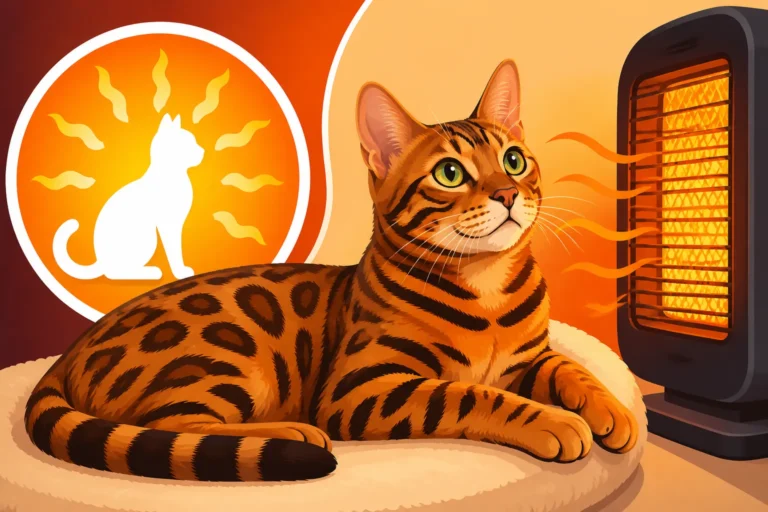
Physical comfort becomes a top priority. Orthopedic beds placed in their favorite sunbeams can become cherished spots. While they still enjoy playing, opt for toys that require less vigorous movement but still engage their minds, like puzzle feeders or gentle feather wands. Monitoring their health closely is absolutely critical, as senior cats are more prone to a range of age-related conditions that can be subtle in their onset. Regular vet check-ups become even more important for early detection. The bond you've built over a decade or more deepens during these years, becoming a relationship built on quiet companionship and unwavering trust. Caring for a Bengal Cat Past Ten offers even more insights into these later years.
Nutrition and Exercise: Fueling a Bengal's Lifelong Energy
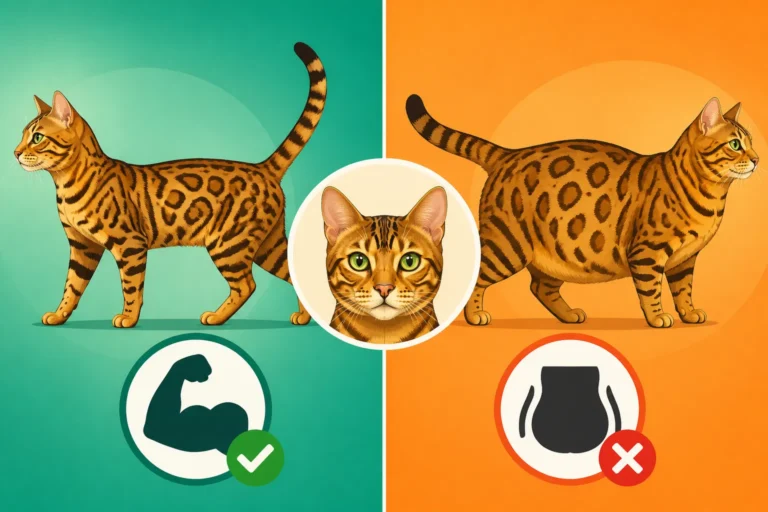
From their kitten zoomies to their senior strolls, a Bengal cat's active metabolism and lean muscular build demand a precise approach to nutrition and exercise throughout their entire life. It's not just about filling a bowl; it's about providing the right fuel for their unique physiology and keeping their bodies moving.
Dietary Requirements Across the Lifespan
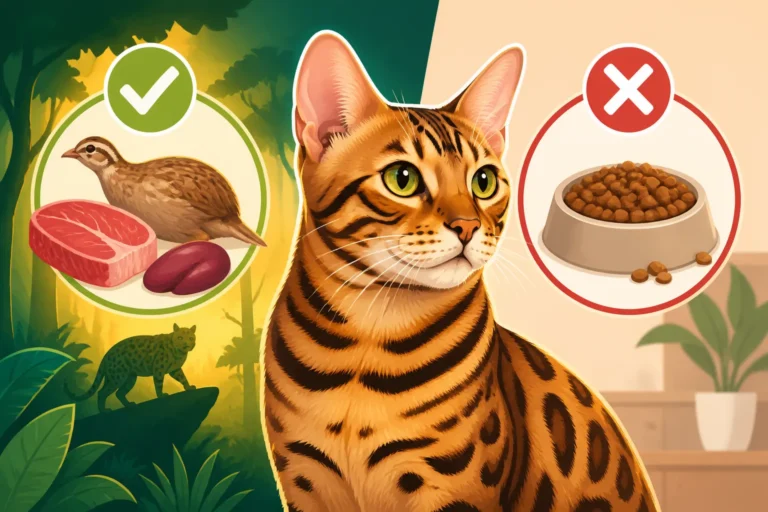
Bengal cats, stemming from their wild Asian Leopard Cat ancestors, are obligate carnivores with specific nutritional needs that lean heavily towards protein. As kittens, they need a diet rich in high-quality protein and fat to support their rapid growth and incredible energy levels. Look for kitten formulas that prioritize meat as the first ingredient. As they mature into adults, their protein requirements remain high, but the overall caloric density might be adjusted to maintain an ideal weight, especially if their activity levels aren't quite as manic as their kitten days. Feeding a Bengal Cat Four Generations From a Wild Ancestor delves into this in detail.
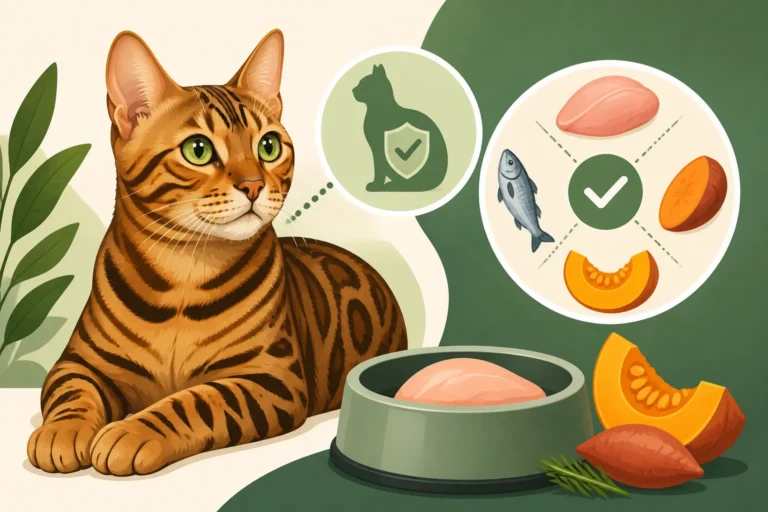
When your Bengal cat enters their senior years, their metabolism might slow slightly, and muscle mass can begin to decrease. While they still benefit from a high-quality, easily digestible protein source to maintain muscle, the fat content might need to be moderated to prevent unhealthy weight gain. Some senior formulas are also designed with joint support supplements or kidney-friendly ingredients. Always check with your veterinarian about appropriate dietary changes for aging Bengals. Many owners find success with premium wet food or carefully balanced raw diets, though the latter requires careful research and preparation. You can find excellent selections of specialized diets and supplements on platforms like Chewy, making it easier to adapt their meals as needed.
Maintaining Activity Levels as They Age
Exercise isn't just about burning off energy for a Bengal; it's fundamental to their physical and mental well-being, regardless of age. Kittenhood is all about structured play that mimics hunting – chasing, pouncing, climbing. Interactive wand toys are invaluable here, as are tall cat trees and safe vertical spaces. As adults, they'll continue to crave this kind of engagement, often enjoying puzzle toys, fetching games, and learning tricks. A cat wheel can be a fantastic investment for those high-energy adults, providing a safe and effective way for them to burn off steam indoors.
Even as they age, maintaining some level of activity is crucial for joint health, muscle tone, and cognitive function. For senior Bengals, play might become shorter and less intense, but it shouldn't stop. Gentle laser pointer play (ending with a treat so they "catch" their prey), slow-moving feather wands, or puzzle feeders that require less physical exertion but still stimulate their minds are perfect. The goal is to keep them moving and thinking, adapting the intensity to their physical capabilities. Ensuring they have comfortable, easily accessible climbing spots, or even ramps, can encourage continued exploration of their vertical territory.
Hydration and Oral Health
Proper hydration is often overlooked but is incredibly vital for a Bengal's overall health, especially as they age. Cats generally have a low thirst drive, which is why a diet rich in wet food is often recommended. Many Bengals have a fascination with water, which can be an advantage here! Providing multiple water sources, particularly flowing water fountains, can encourage them to drink more. Consider sturdy, high-quality fountains available from retailers like Amazon that can withstand a Bengal's curious batting paws. Increased water intake helps support kidney function, a common concern in aging cats.
Oral health is another critical aspect of long-term care that can significantly impact a Bengal's quality of life. Dental disease is rampant in cats, and Bengals are no exception. Regular dental check-ups, ideally yearly professional cleanings under anesthesia, become increasingly important as they age. How Often a Bengal Cat Needs a Dental is a must-read. You can also incorporate daily tooth brushing (if started young and consistently maintained), dental treats, or water additives, but nothing replaces professional veterinary care. Poor oral health can lead to pain, infection, and even impact other organ systems if bacteria enter the bloodstream. Investing in good dental care throughout their lives can prevent a lot of pain and costly procedures down the line.
| Life Stage | Key Nutritional Focus | Exercise & Enrichment | Health Priorities |
|---|---|---|---|
| Kitten (0-1yr) | High protein/fat for growth; multiple meals | Intense daily play; socialization | Vaccinations; parasite control; early training |
| Adolescent (1-2yr) | High protein; monitor growth/weight | Structured play; leash training; cat wheel | Continued vaccinations; neuter/spay; behavioral training |
| Adult (2-10yr) | High protein; maintenance; weight control | Regular vigorous play; puzzle toys; catio access | Annual wellness exams; dental care; heart screening |
| Senior (10+yr) | Highly digestible protein; joint/kidney support | Gentle play; mental stimulation; comfort | Bi-annual exams; managing chronic conditions; pain control |
Health and Veterinary Care: Staying Ahead of the Curve
When you commit to fifteen years with a Bengal cat, you're signing up for a journey that will undoubtedly include a strong partnership with your veterinarian. Being proactive about their health, understanding common breed-specific issues, and knowing how to spot subtle signs of trouble are crucial for ensuring they live a long, vibrant life.
Essential Preventative Care
Preventative care starts from day one and continues throughout your Bengal's life. This includes ensuring they receive a full series of core vaccinations as a kitten, followed by appropriate boosters as adults and seniors. Regular parasite control, covering fleas, ticks, and internal parasites like worms, is non-negotiable, even for indoor-only cats. Annual wellness exams with your veterinarian are vital, even if your Bengal seems perfectly healthy. These visits allow your vet to catch potential issues early, before they become serious problems, and to discuss any changes in diet, behavior, or mobility you might have noticed. What a Bengal Cat Breeder Should Have Tested highlights some of the genetic tests responsible breeders perform, giving you a baseline for your cat's genetic health.
Beyond the basics, early screening for breed-specific conditions is critical. For Bengals, this often means regular echocardiograms to screen for Hypertrophic Cardiomyopathy (HCM), a common heart condition in the breed. Starting these screenings when they're young adults and continuing them regularly can detect the condition early, allowing for management that can significantly extend their quality of life. While not every Bengal develops health issues, being diligent with preventative care is your best defense against many common ailments and a cornerstone of responsible ownership.
Common Health Concerns as They Age
As your Bengal cat ages, just like humans, they become more susceptible to certain health conditions. This isn't a sign of poor care, but rather a natural part of aging that requires increased vigilance and often, a shift in veterinary approach. Beyond HCM, you might see conditions like kidney disease, arthritis, hyperthyroidism, and dental disease become more prevalent. What Most Bengal Cats Die Of offers a candid look at the most common causes of mortality, many of which can be managed for years with early detection and proper veterinary care.
Managing chronic conditions often involves a combination of medication, dietary changes, and environmental adjustments. For instance, a Bengal with early-stage kidney disease might need a prescription kidney diet, while an arthritic senior could benefit from joint supplements or pain management medication. This is where your vet becomes an indispensable partner, helping you navigate the options and tailor a treatment plan specific to your cat's needs. Fresh food options can be adapted to specific dietary requirements, providing palatable and nutritious choices for cats with health sensitivities. These conditions aren't necessarily a death sentence, but they do require commitment, consistent care, and financial planning.
Recognizing and Responding to Changes
One of the greatest challenges of owning any cat, especially a breed as stoic and wild-looking as the Bengal, is their incredible ability to hide illness or pain. It's a survival instinct from their wild ancestors. A Bengal cat might be in discomfort for weeks or even months before showing obvious signs. Subtle changes in behavior are often the first, and sometimes only, indicators that something is amiss. This could be a slight decrease in appetite, drinking more water, sleeping in different places, a reluctance to jump as high, or even just a change in their vocalizations. How a Bengal Cat Hides Pain goes into more detail on this critical topic.
As a dedicated owner, your keen observation skills are your Bengal's best asset. Pay attention to their daily routines, eating habits, litter box usage, and energy levels. If you notice any persistent changes, no matter how small, don't hesitate to contact your veterinarian. It’s always better to be overly cautious than to delay seeking help. A quick check-up can either reassure you that all is well or catch a burgeoning health issue early, when it's often more manageable and less costly to treat. Your proactive response can truly make a difference in their longevity and quality of life.
Adapting Your Home and Lifestyle for a Senior Bengal
Fifteen years is a long time, and just as your Bengal cat changes, so too must their environment and your approach to daily life. The home you set up for a rambunctious kitten might not be suitable for a more sedate, perhaps slightly creaky, senior. Thoughtful adjustments can help your aging Bengal remain comfortable, engaged, and happy.
Creating a Comfortable and Accessible Environment
As a Bengal cat ages, mobility can become an issue. Jumping to their favorite high perch or even into a tall litter box might become challenging or painful. This is the time to reassess their favorite spots and make them more accessible. Consider adding ramps or steps to higher cat trees or window perches. What Changes in a Bengal Cat After Ten includes recognizing these physical changes. Ensure their most loved resting places are soft, warm, and easily reached. Orthopedic beds can provide extra support for aging joints. For litter boxes, consider replacing high-sided boxes with lower-entry versions to prevent painful struggles.
Think about their daily pathways. Is there anything that could cause a slip or a fall? Are their food and water bowls easy to get to, perhaps in a quiet corner away from the hustle and bustle? Some senior Bengals, especially those with declining eyesight or hearing, appreciate a consistent environment where furniture isn't frequently rearranged. Familiarity and ease of movement contribute greatly to their sense of security and well-being. A small nightlight in their main areas can even help if their vision starts to dim.
Adjusting Play and Interaction
While their energy levels decrease, a senior Bengal's need for mental engagement and loving interaction does not disappear. The type of play simply changes. Instead of vigorous chasing games, opt for slower-moving wand toys that allow them to bat and stalk without too much exertion. Puzzle feeders are still excellent for mental stimulation, though you might need to make them a bit easier to solve. Focus on quality over quantity – shorter, more frequent play sessions can be more beneficial than one long, exhausting one.
Many older Bengals become more affectionate, seeking out lap time or gentle petting sessions. Cherish these moments; they are a testament to the deep bond you've built. Continue talking to them, even if their hearing isn't what it once was. The sound of your voice can be incredibly comforting. If you're looking for specific products for senior cats, such as softer toys or specialized beds, online retailers like Amazon offer a vast selection to meet these evolving needs. The goal is to keep them mentally stimulated and feeling loved, adapting the ways you interact to match their changing abilities.
The Emotional Journey of Living with an Aging Bengal
Living with an aging Bengal is an emotional journey, full of both profound joy and inevitable sadness. You'll witness them slow down, and potentially face the challenges of age-related illnesses, which can be heartbreaking. It requires immense patience, empathy, and an understanding that their needs might become more complex. You might have to cope with changes in their cognitive function, such as disorientation or increased vocalization at night. Caring for a Bengal Cat Past Ten touches on the emotional aspects of this phase.
Preparing for end-of-life care discussions with your veterinarian is a difficult but essential part of responsible ownership. Understanding quality of life, recognizing when it's time to make tough decisions, and providing comfort care are paramount. The twelve to sixteen years a Bengal cat gets is a gift, and every stage, especially the final ones, deserves your full presence and love. It’s a commitment that asks much of you, but the unwavering companionship and unique personality of a Bengal cat make every single moment, every single year, incredibly Whether a Bengal Cat Is Worth the Money.
Disclaimer
This article is for general informational purposes only and does not constitute professional advice. Laws, prices and regulations vary by location and change over time. Consult a qualified professional for guidance on your specific situation.