How Old the Bengal Cat Breed Is
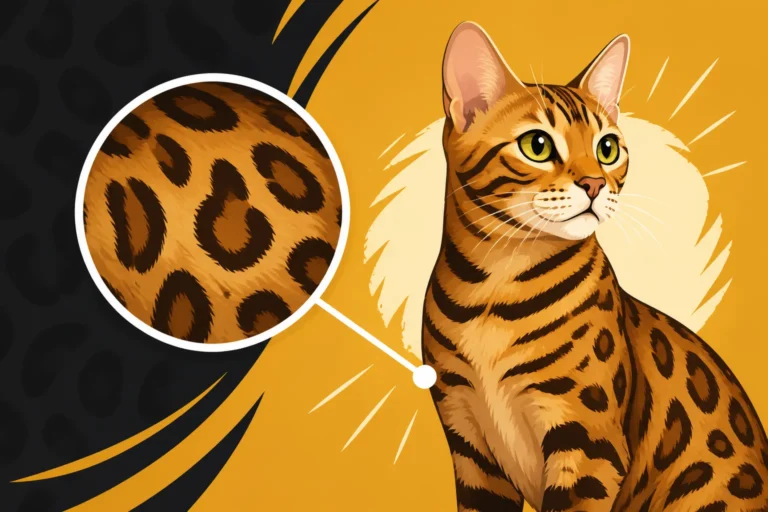
It’s easy to look at a Bengal cat with their striking wild spots and sleek, athletic build and assume they've been roaming alongside humans for centuries, perhaps even having ancient roots in some exotic land. Many people are surprised to learn that despite their fierce jungle aesthetic, the Bengal cat is actually one of the newer breeds on the feline block. This guide will take you on a journey through time, uncovering the relatively recent history of the Bengal cat and dispelling some common myths about its age and origins.
The Misconception of Ancient Origins
When you first encounter a Bengal, with those mesmerizing rosettes and that confident, almost untamed gaze, it’s entirely understandable why your mind might jump to images of ancient civilizations or long-lost wild habitats. They certainly don't look like your average domestic housecat, and that's precisely by design.
Why People Think Bengals Are Ancient
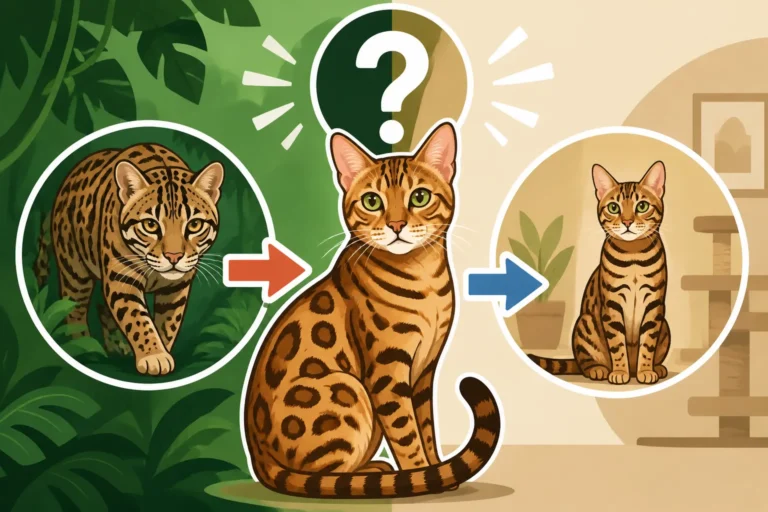
The visual impact of a Bengal is so profound that it often leads people to believe the breed must have an ancient, storied past, much like some purebred dogs or other established cat breeds. Their resemblance to small wild felines, particularly the Asian Leopard Cat, from which they descend, fuels this perception. You might hear whispers of them being "miniature leopards" or having been around for millennia, but these are romantic notions rather than factual timelines. It’s a natural human tendency to associate unique, striking appearances with a deep, historical lineage, especially when an animal exudes such a primeval beauty. The stories and legends that surround truly ancient breeds often contribute to this kind of thinking, making it easy to project similar antiquity onto the Bengal.
The "Wild Cat" Aura vs. Reality
That undeniable "wild cat" aura is a huge part of the Bengal’s appeal, but it's also the source of much misunderstanding regarding their age. People see the spots, the powerful physique, the intelligent and often mischievous eyes, and assume this creature must be barely domesticated, perhaps just a few steps removed from the jungle. This perception can be both exciting and, at times, a little intimidating for potential owners. While their wild ancestry does contribute to their unique personality and physical traits, it doesn't mean they've existed in their current form as a breed for a long time. In reality, the domestication process, or rather, the creation of the Bengal breed through careful selective breeding, is a very recent human endeavor, quite unlike the gradual taming of other species over thousands of years. It’s a testament to the dedication of early breeders that they were able to retain so much of that majestic wild look while developing a loving, if energetic, household companion.
The True Beginnings: A Modern Hybrid
So, if they're not ancient, how old are Bengal cats truly? The answer might surprise you: the Bengal cat breed as we know it today is a product of the latter half of the 20th century. Its origin story is a fascinating blend of scientific curiosity, passionate breeding, and a touch of serendipity.
Jean Mill's Groundbreaking Work
The undisputed pioneer of the Bengal cat breed was Jean S. Mill (née Sugden). Her journey began in the early 1960s with a truly experimental cross. She intentionally bred a domestic cat with a wild Asian Leopard Cat (ALC). Her initial goal wasn't necessarily to create a new breed, but rather to observe the resulting hybrid kittens. This foundational work laid the groundwork for what would become the Bengal. After a pause in her breeding program, she resumed in the 1980s, driven by a desire to create a domestic cat with the beauty and patterning of its wild ancestor, but with the gentle temperament of a housecat. She saw the potential for a strikingly beautiful, healthy, and affectionate companion. Jean Mill's dedication and vision are why she is universally recognized as the mother of the Bengal cat breed. You can read more about her impact in Who Jean Mill Was to the Bengal Cat. Her small cattery, Millwood, became the crucible where the modern Bengal began to take shape, selecting for traits that would allow these magnificent creatures to thrive in human homes.
The Role of Dr. Willard Centerwall
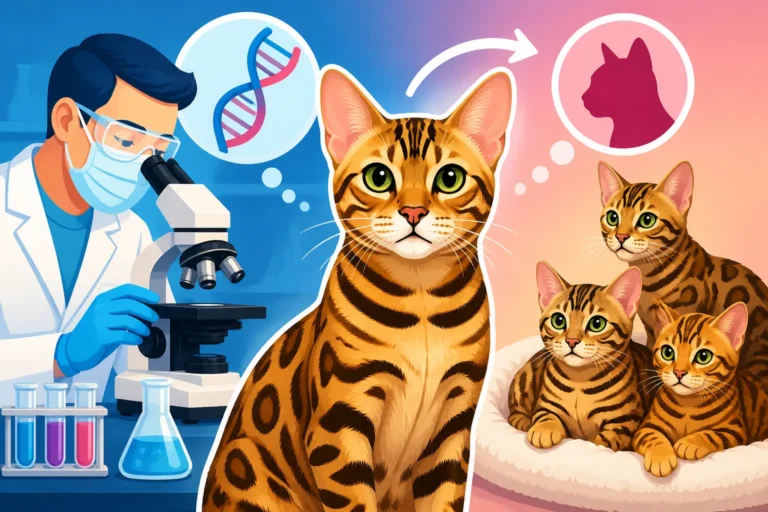
While Jean Mill is often credited with the breed's development, another significant figure contributed to the Bengal's lineage: Dr. Willard Centerwall. Dr. Centerwall, a geneticist at Loma Linda University in California, was involved in a research program in the early 1970s. This program aimed to study feline leukemia virus (FeLV) immunity, as Asian Leopard Cats were known to be naturally resistant to certain feline diseases. He conducted crosses between Asian Leopard Cats and domestic cats for scientific purposes, producing several generations of hybrids. When the research program concluded, these hybrid cats needed homes. It was a fortuitous turn of events when Jean Mill acquired several of these "Loma Linda" hybrids, integrating them into her existing breeding program. This infusion of new genetics from a separate line of ALC crosses was invaluable, broadening the gene pool and contributing to the robustness of the fledgling Bengal breed. For a deeper dive into this part of their history, check out The Leukemia Research Colony That Founded the Bengal Cat. These scientific foundations, combined with Mill’s aesthetic goals, created a unique blend of wild beauty and domestic charm.
Tracing the Generations: From F1 to SBT
Understanding the age of the Bengal breed also means understanding its generations. Because the Bengal is a hybrid, meaning it originated from a cross between two different species (the domestic cat and the Asian Leopard Cat), its development involved several "filial" generations.
The Filial F Generations Explained
The journey from a wild ancestor to a fully recognized domestic breed involves several steps, often denoted by "F" numbers. The "F" stands for filial, indicating the generation removed from the original wild parent.
- F1 Bengals: These are the direct offspring of an Asian Leopard Cat and a domestic cat. They are 50% ALC and often retain many wild traits, both physically and temperamentally. They are typically not bred as pets due to their demanding nature and legal restrictions in many areas.
- F2 Bengals: These kittens have an F1 mother and a domestic cat father. They are 25% ALC and generally more domesticated than F1s, but still quite "wild" in spirit and demanding to care for.
- F3 Bengals: An F2 mother bred with a domestic cat produces F3 kittens, which are 12.5% ALC. At this stage, they are more reliably litter-trained and socialized but still possess a high degree of energy and intelligence that requires an experienced owner.
- F4 and Beyond (SBT): When a female F3 Bengal is bred to a domestic male, the offspring are F4. These cats, along with subsequent generations, are considered "Stud Book Tradition" (SBT) Bengals. This means they are at least four generations removed from their wild ancestor. What F1 Means in a Bengal Cat delves into the specifics of these early generations, highlighting their unique characteristics. It's a journey that takes time, careful selection, and a deep understanding of genetics to produce the beloved Bengals we know today. It's also worth noting that generally, males in the F1 to F3 generations are sterile, a common characteristic in many hybrid animals. You can explore this further in Why F1 to F3 Bengal Cat Males Cannot Breed.
Achieving SBT Status and Breed Recognition
The goal of responsible Bengal breeding was to move beyond the early, more challenging filial generations to create a truly domestic cat that retained the exotic look without the unpredictable temperament. This is where the SBT designation becomes critical. SBT Bengals are the first generation eligible for championship showing with The International Cat Association (TICA) and are considered fully domestic. The diligent work of breeders in selecting for desirable traits – not just aesthetics, but also temperament, health, and fertility – was crucial in this process. It took several decades of consistent breeding after Jean Mill's initial crosses to establish a stable and predictable breed standard. This achievement meant that the Bengal could finally be recognized as a distinct and viable domestic cat breed, able to be enjoyed by a wider range of pet owners. The entire process of how these generations are counted and verified is a complex, but fascinating, aspect of the breed's history, as explained in F1 to SBT: How a Bengal Cat's Generation Is Counted.
The table below summarizes the key filial generations and their characteristics:
| Generation | Wild Ancestry (Approx.) | Temperament | Legality/Availability | Key Notes |
|---|---|---|---|---|
| F1 | 50% | Most wild, demanding | Often restricted/banned, very rare as pets | Direct cross from ALC, typically not pets |
| F2 | 25% | Very active, needs experienced owner | Restricted in some areas, rare as pets | F1 mother, domestic father |
| F3 | 12.5% | High energy, can be a challenging pet | Often still restricted, less common as pets | F2 mother, domestic father |
| F4 (SBT) | 6.25% | Generally domestic, high energy, affectionate | Widely accepted, common as pets | Minimum generation for TICA championship status |
| F5+ (SBT) | < 6.25% | Fully domestic, highly interactive | Widely accepted, common as pets | Further removed from wild ancestor |
Key Milestones in Bengal Breed Development
The journey of the Bengal cat from a breeder's experiment to a globally recognized and beloved breed is marked by important dates and organizational endorsements. These milestones solidify its place in the modern feline world.
TICA's Acceptance and Championship Status
A major turning point for the Bengal cat breed came with its acceptance by The International Cat Association (TICA). TICA, known for being progressive in recognizing new and hybrid breeds, provisionally accepted the Bengal breed into its new breed program in 1983. This was a monumental step, as it formally acknowledged the Bengal as a legitimate breed in development. It allowed breeders to show their cats and work towards a consistent standard. The culmination of this effort arrived in 1986 when TICA granted the Bengal full championship status. This meant Bengal cats could compete for titles alongside other established breeds, signifying its arrival on the global stage. You can learn more about this crucial period in TICA Accepted the Bengal Cat in 1986. This recognition provided the structure and framework for breeders to refine the breed further, ensuring its health, temperament, and adherence to the emerging standards. Without TICA's early acceptance, the Bengal's path to popularity might have been far more arduous.
The Evolution of the Breed Standard
Once a breed gains recognition, a detailed "breed standard" is established. This document describes the ideal physical and temperamental traits of the cat, guiding breeders and judges. For the Bengal, defining this standard was particularly unique due to its wild ancestry. The goal was to maintain the exotic, wild look, often referred to as "type," while ensuring the cat was indeed a gentle and loving companion. The standard specifies everything from the size and shape of the head and ears to the length of the tail and, of course, the distinctive coat patterns and colors. Over the years, this standard has been refined to better capture the essence of what a Bengal should be. For instance, the preference for horizontal flow in rosetted patterns, or the clarity of the "glitter" gene, have been emphasized. Understanding What a Bengal Cat Looks Like by the Standard helps you appreciate the careful balance breeders strive for between wild appearance and domesticity. The standard is a living document, evolving as the breed itself matures and as breeders gain more insight into its genetic potential and challenges.
The Impact of a Young Breed on Bengal Cat Traits
Being a relatively young breed has its own set of implications, especially when it comes to health, behavior, and the ongoing development of its unique characteristics. Unlike breeds with centuries of documentation, the Bengal's story is still very much being written.
Health Considerations in a Developing Breed
Because the Bengal breed is relatively new, its specific health profile is still under intense study and monitoring by breeders and veterinary researchers. While the infusion of wild blood from the Asian Leopard Cat initially brought a degree of hybrid vigor, common health concerns for Bengals have emerged over time. Conditions like Hypertrophic Cardiomyopathy (HCM), Pyruvate Kinase Deficiency (PK Deficiency), and Progressive Retinal Atrophy (PRA-b) are areas of focus for responsible breeders. These aren't necessarily new problems, but their prevalence and understanding within the Bengal population are still being mapped out compared to older breeds. Buyers are strongly encouraged to seek out breeders who perform comprehensive health screenings, including echocardiograms for HCM and DNA tests for conditions like PK Deficiency and PRA-b. You can delve into this topic further by reading Whether the Bengal Cat Is a Healthy Breed and understanding the importance of genetic testing. The ongoing dedication to health screening and careful breeding practices is vital for the long-term well-being of the breed. Reputable breeders often use resources like Chewy's pharmacy or veterinary services to ensure their cats get the best preventative care and necessary medications, contributing to healthier lineages.
Behavior and Temperament Traits Still Being Refined
The Bengal's temperament is famously energetic, intelligent, and vocal, often described as dog-like in its playfulness and attachment to owners. However, being a younger breed means that the "standard" Bengal temperament is still somewhat variable. Early generations, as discussed, were much wilder, and even today, individual Bengals can display a wide spectrum of personalities. While the goal is a confident, friendly, and outgoing cat, some lines may still lean towards shyness, while others might be overwhelmingly boisterous. Breeders continue to work on refining temperament, selecting for cats that are not only beautiful but also well-adjusted to a domestic environment. This involves careful socialization of kittens and choosing breeding pairs known for stable, affectionate dispositions. The sheer exuberance and intelligence of a Bengal mean they require significant mental and physical enrichment, and a bored Bengal can quickly become a destructive one. Their wild ancestry means they retain strong instincts for climbing, hunting, and exploring, and understanding these traits is key to providing a suitable home. For example, ensuring your Bengal has access to puzzle toys, climbing structures, or a cat wheel, often available through retailers like Chewy, is crucial for their well-being.
The Ongoing Journey of the Bengal Cat
The Bengal cat breed is still, in many ways, on an evolutionary journey. Breeders are continuously working to improve health, solidify temperament, and perfect the stunning appearance that makes them so unique. There's an ongoing debate within the community about the ideal "type," with some favoring a closer resemblance to the ALC, while others prioritize a more purely domestic demeanor. The commitment to genetic diversity, responsible breeding practices, and sharing knowledge among breeders is crucial for the breed's future. The average lifespan of a Bengal is generally The Twelve to Sixteen Years a Bengal Cat Gets, a testament to the health efforts made. As the breed matures, we'll continue to see its characteristics become more consistent, yet always retaining that touch of wild magic that makes the Bengal cat truly special. The journey to a truly "fully domestic" Bengal is a continuous process, with many striving to achieve How Many Generations Before a Bengal Cat Is Fully Domestic while preserving their iconic appearance.
Disclaimer
This article is for general informational purposes only and does not constitute professional advice. Laws, prices and regulations vary by location and change over time. Consult a qualified professional for guidance on your specific situation.