Who Jean Mill Was to the Bengal Cat
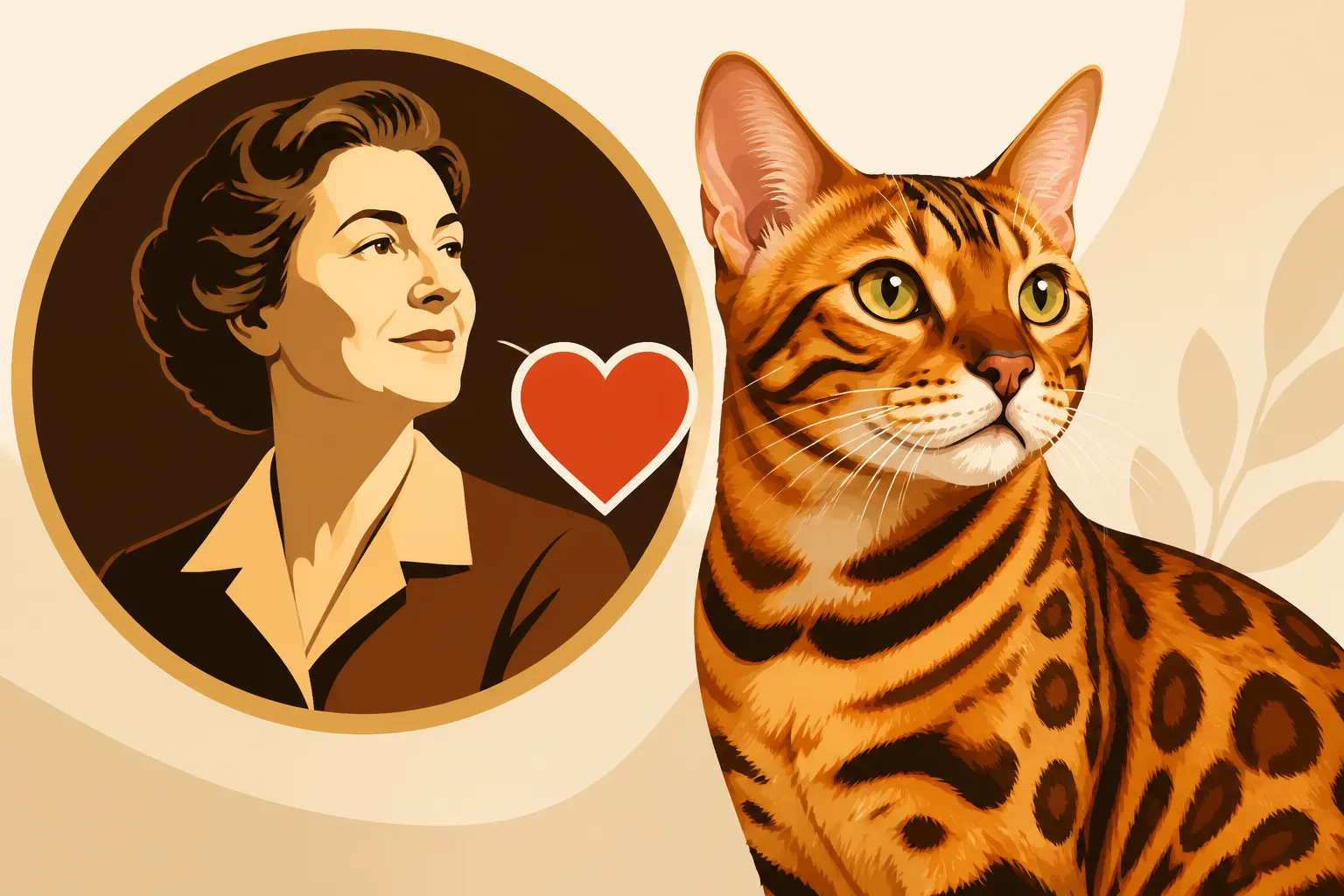
When you first lay eyes on a Bengal cat, with those wild, spotted rosettes and that sleek, confident stride, it's easy to wonder: where did such an incredible creature truly come from? Many people are fascinated by the exotic look but often get lost in vague stories about their origins. Today, we're going to dive deep into the fascinating story of Jean Mill, the remarkable woman who is unequivocally the mother of the modern Bengal cat breed, and whose pioneering vision shaped these captivating felines into the companions we cherish.
The Visionary Start: Jean Mill's Pioneering Spirit
Jean Mill wasn't just another cat enthusiast; she was a woman driven by a unique blend of scientific curiosity and a profound love for felines. Her journey began long before the Bengal cat was officially recognized, rooted in a desire to understand and integrate the wild beauty of the Asian Leopard Cat with the gentle nature of domestic felines. She saw potential where others might have seen only challenges, laying the groundwork for a breed that continues to mesmerize people worldwide.
A Lifelong Fascination with Felines
Even from a young age, Jean Sudgen, as she was known then, was captivated by cats. Her early life was spent in pursuits that often involved animals, nurturing a deep understanding of their behaviors and needs. This wasn't a casual hobby; it was a lifelong devotion that prepared her for the monumental task of creating a new breed. She understood the intricacies of genetics and animal husbandry, skills that would prove indispensable in her later endeavors.
Her passion wasn't limited to observation; she actively participated in the cat fancy, breeding and showing Siamese cats in the 1940s. This experience in established breed circles gave her invaluable insight into pedigree management, genetic lines, and the rigorous standards required to develop a recognized breed. It also exposed her to the challenges and politics inherent in introducing something truly novel to a conservative community, preparing her for the skepticism she would later face.
A Background in Science and Genetics
What truly set Jean Mill apart was her scientific background. She earned a degree in psychology from Pomona College, but her true intellectual curiosity extended into biology and genetics. This wasn't just about making pretty cats; it was about understanding the fundamental biological principles that govern inheritance. She approached breeding with the precision of a scientist, meticulously recording crosses, observing traits, and making informed decisions rather than simply hoping for the best.
This scientific rigor was crucial when she embarked on creating the Bengal cat. She wasn't just crossing two different animals; she was aiming to selectively breed for specific characteristics, both physical and temperamental. This required a profound understanding of how genes are passed down and how undesirable traits could be avoided, while desirable ones were amplified. Her foresight in this area is a testament to her unique capabilities and dedication to the welfare and future of the breed.
From Research Colony to Pedigreed Breed: The Asian Leopard Cat Connection
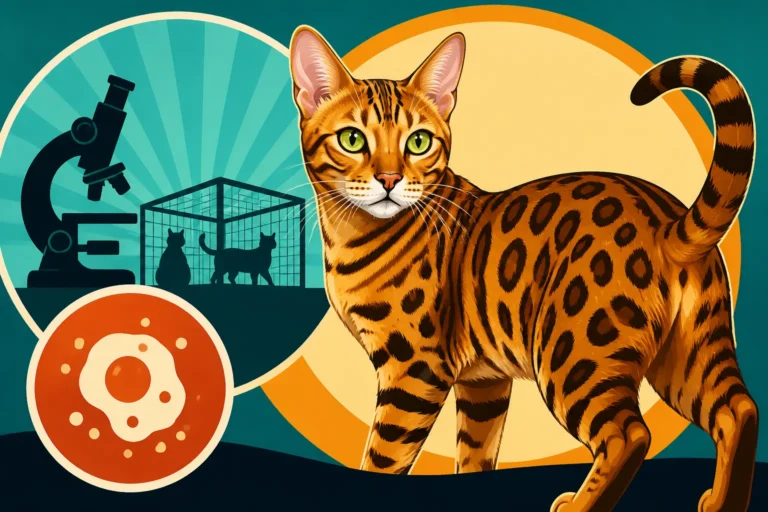
The story of the Bengal cat is intrinsically linked to the Asian Leopard Cat, a small, wild feline known for its stunning rosetted coat. Jean Mill's initial experiments with these wild cats were not purely for creating a new pet, but rather to contribute to a scientific study that ultimately provided the foundation for the breed. This unusual beginning highlights the unique and somewhat accidental path to the Bengal cat's existence.
Discovering the Wild Beauty
Jean Mill's initial exposure to the Asian Leopard Cat (ALC), specifically the Prionailurus bengalensis species, wasn't in the wild but through research. She was drawn to their striking appearance, particularly their distinctive spotted coats that resembled miniature leopards. However, her interest wasn't purely aesthetic. She learned about their natural immunity to feline leukemia, a devastating disease common in domestic cats at the time, sparking an idea that would prove pivotal.
Her groundbreaking thought was whether this immunity could be passed on to domestic cats through hybridization. This scientific inquiry led her to acquire her first Asian Leopard Cats. She wasn't just collecting exotic animals; she was embarking on a carefully considered breeding program designed to explore genetic transfer and disease resistance, laying the groundwork for what would become a beloved domestic breed. What an Asian Leopard Cat Is Behind Every Bengal Cat provides more insights into this fascinating wild ancestor.
Early Efforts in Hybridization and Leukemia Research
In the early 1960s, Jean Mill made her first cross, breeding a domestic tomcat with an Asian Leopard Cat. This initial pairing produced kittens that were technically F1 hybrids – the first filial generation. This period also overlapped with Dr. Willard Centerwall's work at Loma Linda University, where he was studying the partial immunity of ALCs to feline leukemia. Jean Mill herself received several F1 Bengal cat hybrids from this research colony when it closed down in the 1980s. The Leukemia Research Colony That Founded the Bengal Cat explains more about this critical scientific endeavor.
These early F1s were often quite wild in temperament, a natural consequence of having a wild parent. The challenge was not just to produce these hybrids, but to domesticate them over successive generations. Jean Mill's efforts went beyond just the first cross; she understood that multiple generations of selective breeding would be needed to retain the stunning appearance while cultivating a truly domestic and gentle temperament. Her dedication to this long-term goal was truly extraordinary.
Forging the Future: Millwood Cattery's Influence on Type and Temperament
After the initial research efforts, Jean Mill continued her work under her renowned Millwood Cattery. It was here that she truly honed the Bengal cat into a recognizable and desirable breed, meticulously selecting for traits that balanced the wild aesthetic with a suitable domestic personality. Her influence on the breed's type and temperament is still evident in Bengals today.
Re-establishing the Breeding Program
Jean Mill temporarily paused her breeding program in the 1970s, but her passion for these unique cats never waned. When she restarted in the early 1980s, she did so with renewed vigor and a clearer vision. She acquired additional Asian Leopard Cats and carefully selected domestic cats for her crosses, often choosing breeds like the Abyssinian, Egyptian Mau, and American Shorthair for their desirable traits such as short coats, good temperament, and robust health. This strategic approach was crucial in refining the genetic pool.
Her goal was no longer just about disease immunity; it was about creating a striking companion cat. She focused on producing later generations, specifically SBT (Stud Book Tradition) Bengals, which are at least four generations removed from their wild ancestor and are considered fully domestic. It was a painstaking process, requiring patience and a keen eye for both physical characteristics and behavioral patterns. This re-establishment of her program truly cemented her role in the breed's history. What Jean Mill's First Bengal Cat Cross Produced offers more detail on these early pairings.
Defining the Breed Standard and Temperament
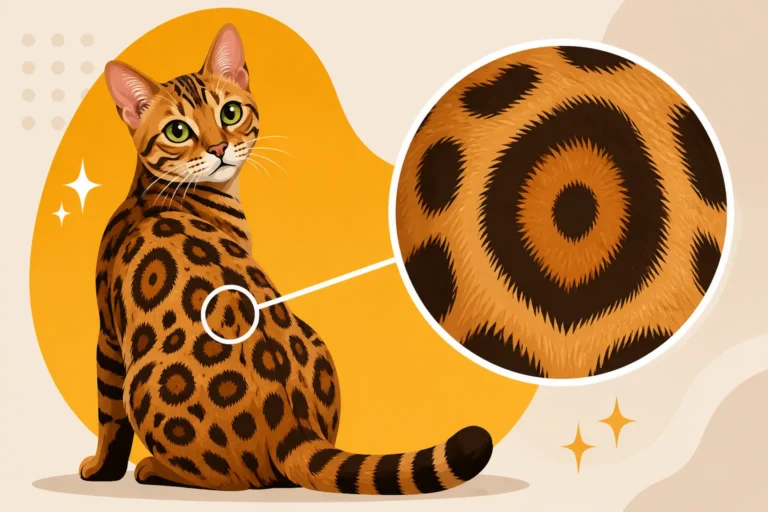
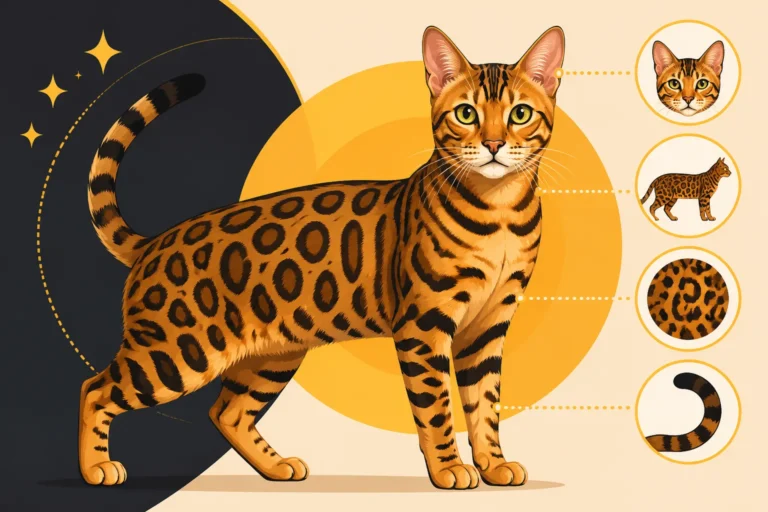
Jean Mill was instrumental in defining what a Bengal cat should be. She had a very clear vision: a cat that looked like it had just stepped out of the jungle, but with the loving and playful disposition of a housecat. She worked tirelessly to select for the distinctive rosetted pattern, the strong muscular build, the relatively small ears, and the characteristic "glitter" in their coat – all while ensuring the temperament was suitable for a family pet. Her attention to both form and function was unparalleled.
The temperament was equally, if not more, important. While the early generations (F1, F2, F3) could be quite challenging, Jean Mill focused on breeding from the most amenable individuals in subsequent generations. She aimed for a cat that was intelligent, active, playful, and affectionate, qualities that define the breed today. Her dedication ensured that the Bengal cat wasn't just a pretty face but a vibrant, engaging companion. If you're looking for enriching toys and high-quality food to match this active temperament, modern breeders and owners often turn to comprehensive pet supply sites like Chewy for everything they need.
Overcoming Challenges and Gaining Recognition
The path to widespread acceptance for the Bengal cat was anything but smooth. As a hybrid breed, they faced significant skepticism and resistance from established cat registries and traditional breeders. Jean Mill, with her unwavering determination, became the primary advocate for the breed, navigating bureaucratic hurdles and challenging preconceived notions to secure the Bengal cat's place in the cat fancy.
The Struggle for Acceptance
Introducing a hybrid breed like the Bengal was a radical idea in the conservative world of pedigreed cats. Many viewed them with suspicion, concerned about the potential for wild traits to surface in domestic environments. There were fears about unpredictable temperaments, health issues, and whether such a breed was even ethical. Jean Mill found herself constantly defending her creation, educating others, and proving that with careful breeding, a domestic cat with a wild look was not only possible but desirable.
She faced opposition from those who believed hybridizing wild and domestic animals was unnatural or even dangerous. It was a battle of perceptions, where she had to demonstrate that the later generations of Bengals were indeed predictable, loving, and fully domesticated pets. Her persistence in showing the true nature of the Bengal cat, showcasing their intelligence and affectionate side, slowly began to chip away at the resistance. It took immense resolve to stand firm against such prevailing attitudes.
TICA's Role in Championing the Bengal
One of Jean Mill's greatest victories was securing recognition from The International Cat Association (TICA). TICA, being a more progressive registry, was open to new and unconventional breeds. Jean Mill played a crucial role in establishing the breed standard with TICA, ensuring that the defining characteristics she had worked so hard to cultivate were formally recognized. TICA Accepted the Bengal Cat in 1986 was a monumental step, granting the breed the official status it desperately needed to gain legitimacy.
With TICA's acceptance, the Bengal cat could be shown, pedigrees could be registered, and the breed began its journey toward global popularity. This recognition provided a framework for other breeders to follow, ensuring consistency in type and health. Without Jean Mill's tireless advocacy and TICA's forward-thinking approach, the Bengal cat might have remained a curious anomaly rather than a mainstream, celebrated breed.
A Lasting Legacy: Jean Mill's Indelible Mark on the Bengal Cat World
Jean Mill’s contributions to the Bengal cat breed extend far beyond just creating the first hybrids. Her vision, dedication, and scientific approach set the standards for the breed's health, appearance, and temperament, influencing generations of breeders and owners worldwide. Her legacy is woven into the very fabric of every Bengal cat we see today.
A Commitment to Health and Type
Throughout her career, Jean Mill remained committed to the health and integrity of the Bengal breed. She understood that a beautiful coat and striking pattern meant nothing without a healthy, robust cat beneath it. She championed responsible breeding practices, encouraging health testing and the careful selection of breeding animals to minimize genetic issues. This dedication to health ensured that the Bengal cat would thrive and continue to be a vigorous breed.
Her influence on the "type" of the Bengal cat is undeniable. The strong, athletic body, the small, rounded ears, the expressive eyes, and of course, the signature rosetted or marbled coat – these were all features she meticulously selected for and enshrined in the breed standard. Breeders worldwide still look to her original vision when striving to produce high-quality Bengal cats, aiming for that perfect balance of wild beauty and domestic charm. For owners looking to maintain their Bengal's health and vibrant coat, quality nutrition and grooming supplies, readily available from online retailers like Chewy, are essential.
The Future of the Breed Through Her Work
Jean Mill passed away in 2018, but her influence lives on. The Bengal cat, now one of the most popular breeds in the world, is a direct testament to her foresight and relentless dedication. Every F1 Bengal cat, every SBT Bengal cat, carries a piece of her legacy. Her work taught us that with careful planning and a deep understanding of genetics, it is possible to bring together disparate feline worlds to create something truly magnificent. F1 to SBT: How a Bengal Cat's Generation Is Counted delves into the intricacies of these generations that are all part of her contribution.
Her story is a powerful reminder that sometimes, it takes a single, passionate individual to change the course of history. Jean Mill didn't just create a new cat breed; she created a phenomenon, inspiring countless people to appreciate the unique beauty and captivating personality of the Bengal cat. Her pioneering spirit continues to guide the breed's development, ensuring that the future generations of Bengals embody the same wild charm and domestic grace that she envisioned.
| Aspect of Bengal Cat Origin | Jean Mill's Role | Impact on Breed |
|---|---|---|
| Initial Crossbreeding | Performed the very first known intentional cross between an Asian Leopard Cat and a domestic cat in 1963. Also later acquired hybrids from the Loma Linda University research colony to continue her program. | Established the foundational genetic pool for the Bengal cat, directly creating the first F1 generations. |
| Breed Standard | Developed the ideal physical and temperamental traits for the Bengal cat, focusing on the wild appearance (rosettes, body type) combined with a domestic disposition. | Provided the blueprint for breeders worldwide, ensuring a consistent and recognizable "Bengal look" and temperament. |
| TICA Recognition | Was a key figure in advocating for the Bengal cat's acceptance and championship status with The International Cat Association (TICA). | Secured the breed's official recognition, allowing for formal registration, showing, and structured development. |
| Ethical Breeding | Emphasized careful selection, health testing, and breeding past the early generations (F1-F3) to achieve truly domestic cats (SBT). | Promoted responsible breeding practices that prioritize health and temperament, crucial for the long-term well-being of the breed. |
| Public Education | Worked tirelessly to educate the public and counter misconceptions about hybrid cats, demonstrating the domestic nature of later generations. | Helped shift public perception, paving the way for the Bengal cat's widespread acceptance as a beloved household pet. |
Disclaimer
This article is for general informational purposes only and does not constitute professional advice. Laws, prices and regulations vary by location and change over time. Consult a qualified professional for guidance on your specific situation.