Why a Medical Lab Bred Bengal Cat Hybrids
It might sound like something out of a science fiction movie – the idea of a medical lab creating a new cat breed. But for the magnificent Bengal cat, it's a very real part of their history. Many people are surprised to learn that these beautiful, wild-looking felines have roots in a scientific research program, not just a passion project by early breeders. This guide will delve into the fascinating and often misunderstood story of why a medical lab chose to breed Bengal cat hybrids, and the vital research they were conducting that ultimately helped shape this unique breed.
The Unconventional Genesis of the Bengal Cat
When we think about how cat breeds come into being, our minds usually picture dedicated breeders carefully selecting cats with desirable traits over generations. We imagine a slow, intentional process of refining an existing domestic line or perhaps discovering a spontaneous mutation. However, the Bengal cat's story takes a fascinating detour through the halls of a scientific institution, where the initial motivation was far removed from creating a beautiful pet.
Beyond the Traditional Pet Breed Development
Unlike many popular breeds that trace their lineage through established domestic cat stock, the Bengal cat's very essence comes from a deliberate cross between a wild feline species and a domestic housecat. This isn't just a matter of selective breeding within a species; it's true hybridization. While early pioneers like Jean Mill were independently exploring these crosses for their striking aesthetic, the medical community had a much more pressing, and profoundly scientific, reason for undertaking a similar endeavor. The idea of introducing wild bloodlines wasn't initially about producing a flashy pattern or a unique temperament; it was driven by a quest to understand and combat a devastating disease plaguing domestic cat populations.
The Role of Early Pioneers like Jean Mill
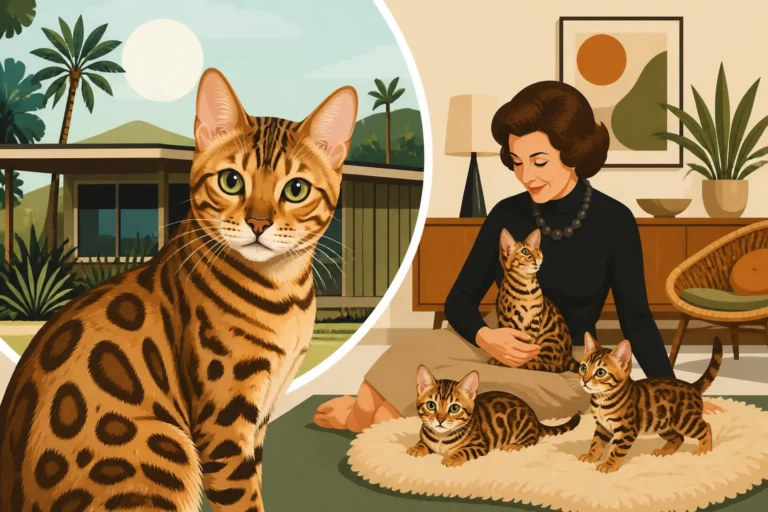
Before we delve into the lab's involvement, it's important to acknowledge that the concept of crossing Asian Leopard Cats with domestic cats was not entirely new. Visionaries like Jean Mill had already begun experimenting with these hybrids, driven by an interest in creating a domestic cat with the exotic beauty of its wild ancestor. Her work laid critical groundwork for understanding the genetics and temperament of these unique crosses, and she would later play a pivotal role in the breed's development. However, her early efforts were largely independent of the structured, research-focused breeding happening simultaneously in a medical setting. While Who Jean Mill Was to the Bengal Cat is a story for another day, her influence, along with the unexpected origins from a medical lab, truly define the Bengal cat's unusual history.
Dr. Willard Centerwall and His Visionary Work
The true story of the medical lab's involvement with Bengal cat hybrids begins with a pioneering researcher whose focus was squarely on public health and disease prevention. This wasn't a cat fancy expert looking to create a new show breed; it was a medical doctor with a keen interest in comparative medicine.
Establishing a Research Colony at Loma Linda University
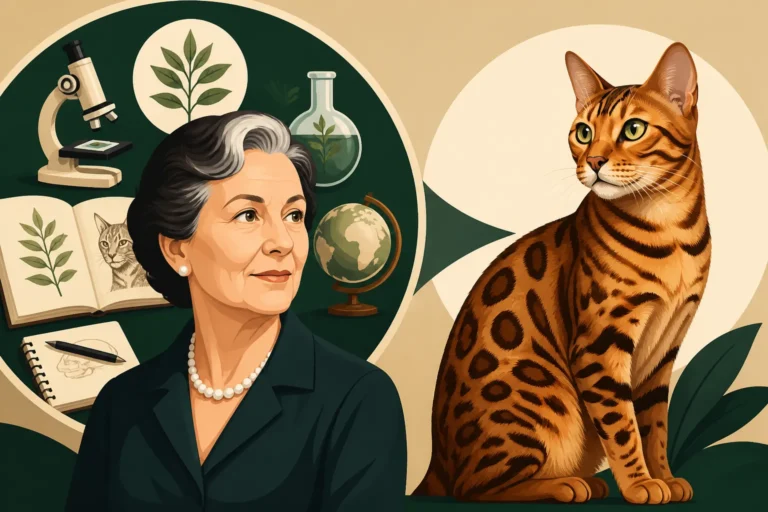
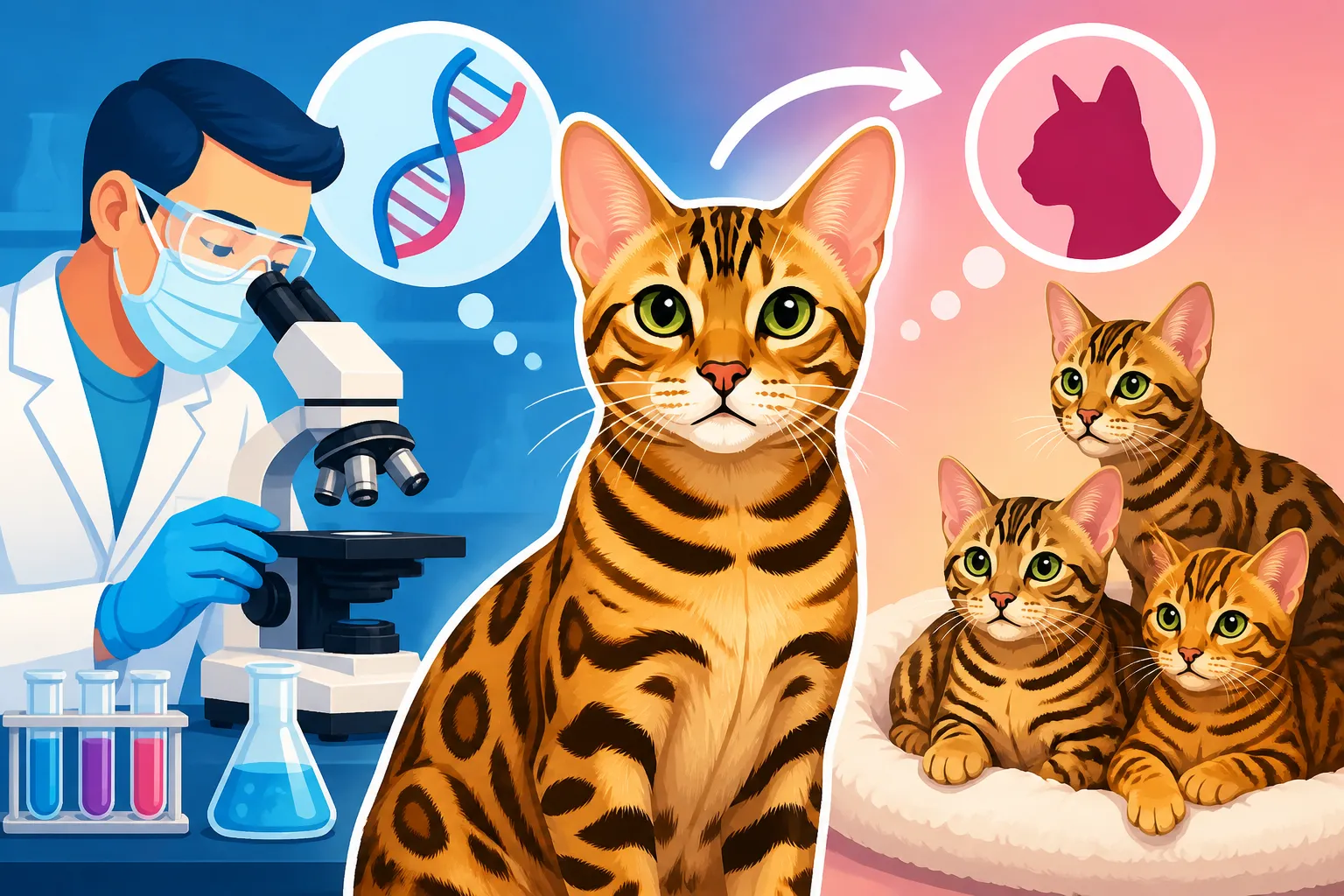
In the early 1960s, Dr. Willard Centerwall, a geneticist and pediatrician, initiated a research program at Loma Linda University in California. His work wasn't centered on feline genetics as an end in itself, but rather on understanding human genetic diseases by studying animal models. He was particularly interested in how certain animals might exhibit natural immunities to diseases that devastated other species. This often involved looking at wild animals, which, through natural selection, sometimes developed resistances that domestic animals, living in different environmental pressures, had not.
Identifying Feline Leukemia Virus as a Major Threat
At the time, one of the most terrifying and widespread diseases affecting domestic cat populations was Feline Leukemia Virus (FeLV). This retrovirus caused a variety of debilitating conditions, including anemia, immunosuppression, and various cancers, almost invariably leading to a painful early death for infected cats. It was highly contagious, spreading easily among cats in multi-cat households, shelters, and catteries. There was no effective cure, and prevention methods were still in their infancy. Dr. Centerwall, like many in the veterinary and medical communities, recognized FeLV as a significant health crisis for felines, and by extension, a valuable model for understanding retroviruses, including those that affect humans. The search for a natural resistance became a critical focus.
The Crucial Role of Feline Leukemia Virus Research
The decision to breed hybrids wasn't a whimsical choice; it was a carefully considered scientific strategy aimed at solving a significant medical puzzle. The key lay in the unique biological makeup of the Asian Leopard Cat.
Exploring the Asian Leopard Cat's Natural Immunity
Dr. Centerwall and his team observed that the Asian Leopard Cat (Prionailurus bengalensis), the small wild feline native to Southeast Asia, seemed to possess a remarkable natural immunity to Feline Leukemia Virus. In their natural habitat, these wild cats were exposed to various pathogens, and through generations of survival, had evolved mechanisms to resist certain diseases that were lethal to their domestic cousins. The scientific community was particularly intrigued by this apparent resistance to FeLV. If they could understand the genetic basis for this immunity, it could lead to breakthroughs in preventing or treating FeLV in domestic cats, and potentially even offer insights into retroviral diseases in other species. What an Asian Leopard Cat Is Behind Every Bengal Cat explains more about this fascinating wild ancestor.
The question then became: could this immunity be transferred or studied effectively in a more manageable laboratory setting? Bringing wild animals directly into a research lab for long-term study posed significant logistical and safety challenges. They needed a way to bridge the gap between the wild and the domestic.
The Goal: Breeding for Hybrid Vigor and Resistance
This is where the hybridization came in. The primary goal of Dr. Centerwall's project was not to create a beautiful new breed, but to produce hybrid offspring that would inherit the Asian Leopard Cat's FeLV resistance while also having enough domestic cat traits to make them more amenable to research. The hope was that these hybrids would be easier to handle, house, and study in a controlled environment than pure wild ALCs. By carefully crossing ALCs with domestic shorthair cats, they aimed to create a line of cats that could serve as living laboratories to unlock the secrets of natural viral immunity. This was purely a scientific endeavor, focused on advancing veterinary and comparative medical knowledge. They sought to understand Why the Bengal Cat's Ancestor Resists Feline Leukemia, hoping to apply that knowledge broadly.
Understanding the Hybridization Process and Early Generations
The process of creating these hybrids for research was a meticulous and often challenging one, laying the accidental groundwork for the Bengal breed we know today.
The Initial Crosses: Asian Leopard Cat to Domestic Cat
The first step involved breeding a male Asian Leopard Cat with a domestic cat, typically a domestic shorthair. These initial offspring are known as F1 generation hybrids. "F1" stands for "first filial generation" and signifies that they are direct descendants of a pure wild ancestor and a domestic cat. These F1 Bengal cats were indeed wild in temperament, exhibiting many of the characteristics of their ALC parent – aloofness, shyness, and a strong prey drive. They were not easily handled or socialized, making them challenging subjects even for experienced researchers. What F1 Means in a Bengal Cat details these early hybrids.
The goal wasn't to produce a cuddly pet, but a biological bridge. The researchers carefully monitored these F1s for signs of FeLV resistance, collecting blood samples and observing their health status. Despite their wild nature, these early hybrids were critical to the study, as they represented the most direct genetic link to the ALC's natural immunity.
Backcrossing and the Development of Subsequent Generations
To create more manageable research subjects and dilute some of the more pronounced wild behaviors, the F1 hybrids were then "backcrossed" to domestic cats. This meant breeding the F1 females (male F1s are almost always sterile, a common phenomenon in first-generation hybrids) with more domestic males. The offspring of an F1 and a domestic cat are known as F2 generation hybrids. These F2s were a step removed from the pure ALC and generally exhibited a slightly milder temperament. The process continued with F2s bred back to domestic cats to produce F3s, and so on.
Each generation saw a gradual increase in domestic traits and a decrease in overt wildness. The researchers continued to test for FeLV resistance throughout these generations, trying to pinpoint how the immunity was inherited and expressed. Eventually, the goal was to reach a point where the cats were sufficiently domesticated to be easily handled in a laboratory, while still retaining the genetic information regarding disease resistance. The progression from F1 to F3 and beyond is a crucial aspect of F1 to SBT: How a Bengal Cat's Generation Is Counted. As the generations progressed, fertility issues, particularly with males, remained a hurdle, reinforcing Why F1 to F3 Bengal Cat Males Cannot Breed.
Here's a simplified look at the wild ancestry percentage through these early generations:
| Generation | Parentage | Approximate ALC % | General Temperament (for research purposes) |
|---|---|---|---|
| F1 | ALC x Domestic Cat | 50% | Very wild, challenging to handle |
| F2 | F1 x Domestic Cat | 25% | Milder, but still strong wild instincts |
| F3 | F2 x Domestic Cat | 12.5% | More domestic, but unpredictable |
| SBT | F3 x F3 (or later generation) | <12.5% | Generally domestic, breed standard |
Note: SBT (Stud Book Tradition) means the cat is at least four generations removed from the ALC and can be reliably bred to other Bengals. It signifies the point where the breed becomes fully recognized as domestic.
Life After the Lab: Rehoming and Legacy
The research program at Loma Linda University eventually reached its conclusion, but the story of these unique hybrid cats was far from over. What began as a scientific endeavor unexpectedly paved the way for the creation of one of the world's most captivating domestic cat breeds.
The End of the Research Program and Seeking New Homes
As with many research projects, the Feline Leukemia study at Loma Linda University eventually concluded its active phase. This left Dr. Centerwall and his team with a unique challenge: what to do with the substantial colony of Bengal cat hybrids they had meticulously bred? These were not ordinary housecats, especially the earlier generations. They possessed a mix of wild instincts and domestic familiarity, making them unsuitable for typical pet homes without specific considerations.
Recognizing the unique genetic heritage of these cats, Dr. Centerwall sought responsible homes where their lineage could be appreciated and, potentially, further developed. This is where the path of the scientific project serendipitously intersected with the burgeoning interest in hybrid cat breeding. Many of these research cats, particularly the later generations that were more amenable to domestication, were acquired by hobbyists and breeders. This rehoming of The Leukemia Research Colony That Founded the Bengal Cat directly channeled crucial genetics into the hands of those who would shape the breed.
Unintended Consequences and the Birth of a Breed
What Dr. Centerwall likely didn't anticipate was that his FeLV research colony would become a cornerstone for a new domestic cat breed. The striking appearance of these hybrids – their muscular bodies, vivid spotting, and often "glittered" coats inherited from the Asian Leopard Cat – captured the imagination of cat enthusiasts. While the earlier F1 and F2 generations remained challenging pets, the subsequent F3 and especially the SBT (Stud Book Tradition) generations began to exhibit a more consistent, friendly, and manageable temperament, while still retaining that captivating wild look. How an Early Generation Bengal Cat Behaves Differently compared to later generations became a key point of discussion among early adopters.
Breeders, including Jean Mill who acquired some of Dr. Centerwall's cats, began to selectively breed for specific traits: a docile temperament, impressive rosetted patterns, and good health. The combination of their unique origin story, their exotic appearance, and their active, intelligent personalities quickly propelled the Bengal cat into popularity. It was a remarkable transition from a medical research tool to a highly sought-after companion animal, proving that sometimes, the greatest discoveries come from unexpected places. For those bringing home one of these active, intelligent felines, stocking up on enrichment toys and high-quality food from retailers like Chewy is often the first step in ensuring a happy transition.
How This Research Shaped the Bengal Cat Breed
The legacy of Dr. Centerwall's FeLV research extends far beyond its initial scientific objective. It profoundly impacted the genetic makeup and public perception of the Bengal cat, contributing to its unique place in the feline world.
The Foundation of Genetic Diversity and Health Benefits
The infusion of Asian Leopard Cat genetics through the Loma Linda research colony brought a significant degree of genetic diversity into the fledgling Bengal breed. This broad genetic base, drawn from multiple ALC lines and varied domestic cat partners, helped to create a robust foundation. In many purebred animals, limited gene pools can lead to an increased incidence of inherited health issues. The diverse origins of the Bengal cat, partly due to the lab's contribution, helped to mitigate some of these risks in its early development.
While the direct, quantifiable FeLV resistance may not have been a primary breeding goal for subsequent generations of Bengal cats once they became a pet breed, the initial selection for healthy, resilient animals in the research program undoubtedly contributed to the overall vitality of the founding stock. It underscores the unique blend of scientific purpose and aesthetic appeal that defines the Bengal cat.
The Ongoing Debate and Ethical Considerations
The Bengal cat's origins in a medical research lab, and its status as a hybrid breed, continue to fuel discussions and raise important ethical considerations within the cat fancy community and among animal welfare advocates. Questions often arise about the ethics of breeding hybrids, the suitability of early generation cats as pets, and the responsibility of breeders to ensure health and temperament. Whether Breeding Hybrids Like the Bengal Cat Is Ethical is a complex question that owners and prospective owners often grapple with.
This unusual history reminds us that the Bengal cat is not just another domestic feline; it carries the legacy of both scientific inquiry and deliberate breeding. Owners of Bengals today often embrace their cat's wild ancestry, providing ample enrichment, vertical spaces, and outlets for their high energy. Many turn to online resources like Chewy for durable toys, specialized diets, and innovative enrichment tools designed to meet the unique needs of this active and intelligent breed. The story of the medical lab's contribution is a testament to the unexpected paths of discovery and how a serious scientific pursuit can, quite by accident, give rise to a beloved companion. It's a key part of Where the Bengal Cat Comes From and How Old the Bengal Cat Breed Is.
Disclaimer
This article is for general informational purposes only and does not constitute professional advice. Laws, prices and regulations vary by location and change over time. Consult a qualified professional for guidance on your specific situation.