What a Bengal Cat Looks Like by the Standard
So, you're enchanted by the stunning beauty of the Bengal cat, perhaps you've seen those captivating photos online or even met one in person, and now you want to understand what makes them truly them. It's easy to get lost in all the talk about "rosettes" and "glitter," but really understanding the breed standard means appreciating the deliberate design that went into creating this incredible feline, often separating a true Bengal from a merely spotted housecat. This guide will take you through the official breed standard, helping you recognize the unique characteristics that define a genuine Bengal cat.
The Foundation of the Bengal's Appearance: The Wild Ancestor's Influence
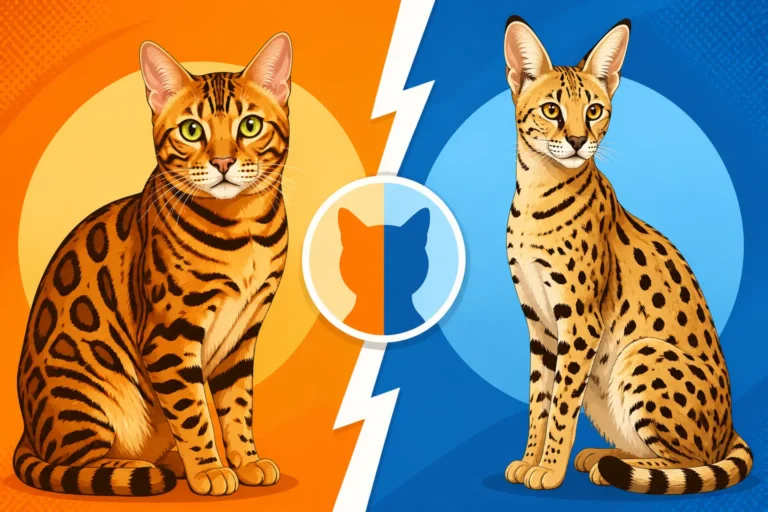
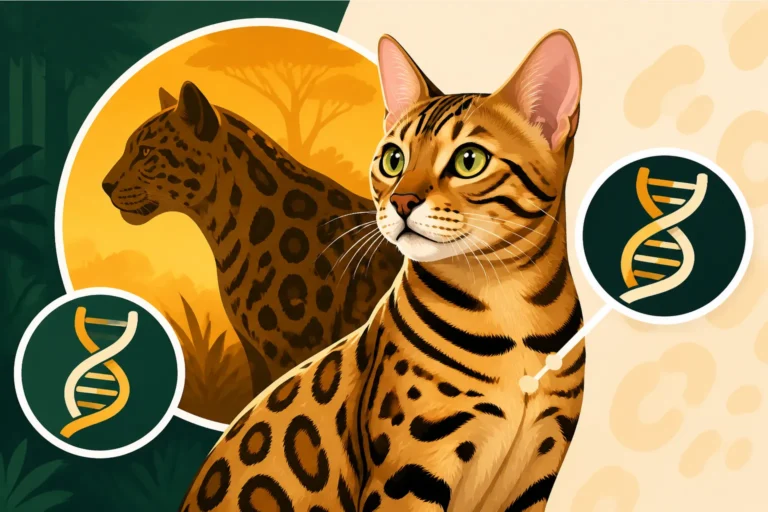
When you look at a Bengal cat, you're not just seeing another domestic cat; you're seeing a living, breathing piece of art that carries the echoes of its wild heritage. The breed's entire existence stems from the desire to capture the exotic beauty of the Asian Leopard Cat (ALC) in a friendly, house-pet package. This isn't just a marketing gimmick; it's the very core of the Bengal's aesthetic and part of what makes them so mesmerizing. Without that wild connection, a Bengal simply wouldn't look like a Bengal.
The Wild Genes That Shaped the Bengal Cat
It all starts with the Asian Leopard Cat, a small wild feline native to Southeast Asia. These cats possess a sleek, muscular body, a distinctive patterned coat, and an intelligent, alert expression that breeders sought to preserve. The initial crosses between the ALC and domestic cats in the 1960s and 70s were specifically aimed at bringing these wild traits into a new breed. Early breeders like Jean Mill carefully selected for kittens that retained the striking patterns and conformation of their wild parent, while gradually breeding out the wild temperament. This meant looking for strong bone structure, a specific head shape, and that unmistakable coat. It wasn't a quick process, and many generations were needed to stabilize these desired traits.
How the Asian Leopard Cat's Features Translate
Think about the physical attributes of a wild predator: agility, strength, and camouflage. The Bengal cat's breed standard directly reflects these characteristics. They aren't meant to be dainty or fragile. Instead, the standard calls for a cat with substantial bone, well-developed musculature, and a graceful, powerful gait – all hallmarks of the ALC. The distinctive head, with its relatively small ears and large, wide-set eyes, also pulls directly from the wild blueprint, giving the Bengal an intense, almost "feral" gaze that is utterly captivating. Every part of the standard is a deliberate nod to that original wild cat, ensuring that the Bengal maintains its unique, untamed appearance even generations removed from its wild ancestor. It's a testament to the vision of those early breeders that these features have been so successfully integrated.
The General Impression: What Defines a True Bengal
Beyond the specific patterns and colors, the overall impression of a Bengal cat is one of athletic grace and intelligent alertness. They should never look delicate or chunky; instead, they project an aura of contained power, like a miniature wildcat surveying its domain. This general conformation is a cornerstone of the breed standard, influencing everything from their movement to their overall presence in a room. When you see a Bengal moving with effortless fluidity, that's the standard speaking volumes.
Size and Weight: More Than Just a Housecat
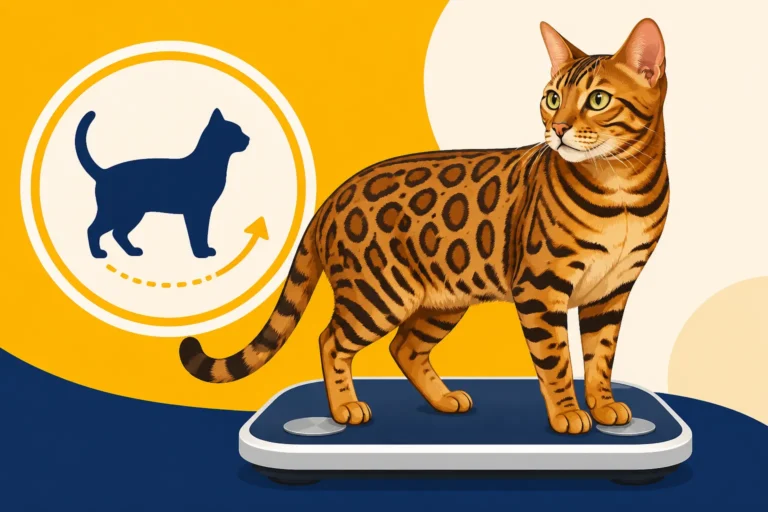
While Bengal cats are domestic, they typically boast a more robust build than your average housecat. A well-bred Bengal will often be larger and more substantial, particularly the males. The standard doesn't usually give exact weight ranges, as individual genetics and diet play a significant role, but it emphasizes a strong, muscular frame. You're looking for a cat that feels solid and heavy for its size, not a flimsy or slight creature. Males generally weigh more than females, often ranging from 10 to 15 pounds, with some larger individuals. Females tend to be a bit lighter, usually between 8 and 12 pounds. This isn't about being "fat"; it's about dense muscle and bone, reflecting their active nature. What a Muscular Bengal Cat Should Weigh delves deeper into understanding the healthy weight for these powerful felines.
That Muscular, Athletic Build
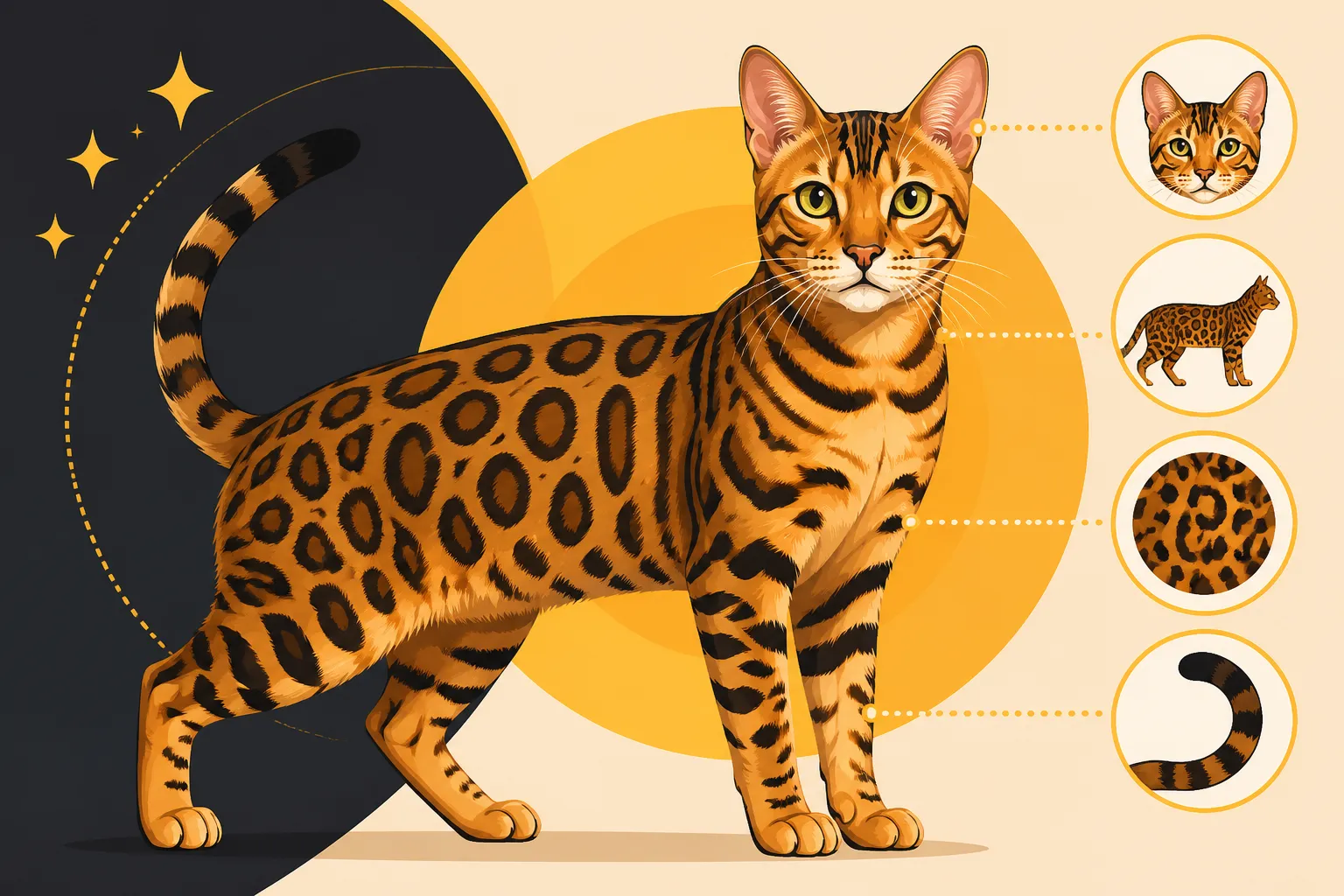
The Bengal cat standard specifically calls for a body that is long and substantial, with well-developed musculature. Their hind legs are often slightly longer than their front legs, contributing to a distinctive, powerful stride that makes them excellent jumpers and climbers. Imagine the way a wild cat moves – lithe, powerful, and always ready to pounce. That's the essence of the Bengal's required build. Their chest should be full and deep, and their hips should be broad and muscular, not narrow. This isn't just for aesthetics; it's a functional build that supports their incredibly active and agile lifestyle. When a Bengal runs on a Cat Wheel for a Bengal Cat, you can truly appreciate the power and coordination that this athletic build provides. They're built for speed, agility, and exploring their world, and their conformation reflects this perfectly.
The Distinctive Head and Facial Features
The Bengal's head is a crucial part of its wild look, tying together the exotic ancestry with its domestic charm. It's not just about the size or shape but how all the features combine to create an intelligent, alert, and undeniably wild expression. These aren't your typical round-faced, fluffy housecats; the Bengal's face is sharp, defined, and full of character.
Head Shape and Profile: Wild Yet Domesticated
The breed standard describes the Bengal's head as a modified wedge, longer than it is wide, with rounded contours. It shouldn't be too small or too large in proportion to the body. One of the most defining characteristics is the straight profile from the forehead to the bridge of the nose, which then has a very slight, gentle curve over the nose itself. This creates a powerful, almost predatory look. The muzzle should be full and broad, with prominent whisker pads, giving the face a more substantial and wild appearance. The chin should be strong and in line with the nose, completing that powerful profile. These specific facial structures are what truly set them apart, ensuring that even without seeing their spots, you can often identify a Bengal by its head alone. What a Bengal Cat's Head Should Look Like explains these details further.
Eyes, Ears, and Whiskers: The Alert Expression
The eyes of a Bengal cat are large, oval-shaped, and set wide apart. They can be various shades of gold, green, or hazel, depending on the coat color, but should always be rich and intense. Snow Bengals, specifically Seal Lynx Points, are the exception, always having brilliant blue eyes. The expression should be one of alertness and intelligence, reflecting their inquisitive nature. The ears are medium to small, set relatively low and wide apart on the head, with rounded tips. They should follow the contours of the face, rather than being upright and pointed like some domestic breeds. This low-set placement contributes to the "wild" appearance. Whiskers are thick and prominent, emanating from those full whisker pads, adding to the broad, strong muzzle. All these elements together create a face that is both strikingly wild and endearingly expressive.
The Importance of Mascara Marks and Ocelli
Two subtle but highly valued features on a Bengal's face directly harken back to their wild ancestor: mascara marks and ocelli. Mascara marks are dark lines that extend from the outer corner of the eye, akin to eyeliner. They serve to enhance the intensity of the eye and are a direct inheritance from the Asian Leopard Cat, where they help reduce glare in bright light. The more prominent and defined these marks, the better they meet the standard.
Ocelli, on the other hand, are thumbprint-like markings found on the back of the ears. These light-colored spots on a darker background are thought to mimic eyes, potentially deterring predators in the wild. While they aren't always vividly present on every Bengal, their presence is a desirable trait that reinforces the connection to their wild heritage. Both mascara marks and ocelli are fascinating details that contribute to the Bengal's exotic charm and are points of pride for breeders aiming for show-quality cats.
The Iconic Bengal Coat: Pelt, Pattern, and Glitter
Perhaps the most defining characteristic of the Bengal cat is its incredible coat. It’s what draws most people in initially, and it’s truly unlike any other domestic feline's fur. This isn't just about pretty spots; it’s about a unique texture, vivid patterns, and an almost magical shimmer that makes the Bengal stand out in a crowd.
The Unique "Pelted" Texture
Forget everything you know about a typical cat's fur. A Bengal's coat isn't merely "fur"; it's often referred to as a "pelt." Why? Because it’s incredibly soft, short, and lies close to the body, feeling more like polished silk or velvet than coarse cat hair. This unique texture is a direct inheritance from the Asian Leopard Cat, which has a very fine, dense coat suited for its tropical environment. A proper Bengal pelt should have minimal to no undercoat, which contributes to its sleek, almost painted-on appearance and makes it relatively low-shedding. When you run your hand over a true Bengal, you'll immediately understand why this texture is so highly prized – it's an experience in itself. Why a Bengal Cat's Coat Feels Like Nothing Else delves into the specifics of this luxurious trait.
Rosetted Patterns: The Leopard's Legacy
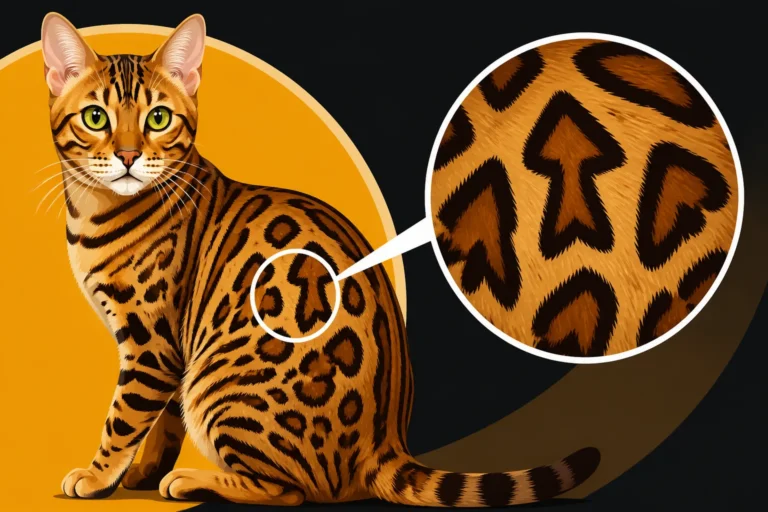
The rosette is the quintessential Bengal pattern, directly mimicking the markings of jaguars and leopards. Unlike a simple spot, a rosette is a spot with an outline, or distinct variations in color within the spot itself. There are several types of rosettes, and the standard values clear, distinct markings with good contrast against the ground color.
- Arrowhead Rosettes: Shaped like arrowheads, often pointing toward the rear of the cat.
- Paw Print Rosettes: Resemble little paw prints, with darker outlines around a lighter center.
- Donut Rosettes: Fully or partially outlined rosettes, with a darker outline enclosing a lighter center. These are highly prized for their striking resemblance to wild leopard markings.
- Clouded Rosettes: Large, irregular, often elongated rosettes that can sometimes connect, creating an almost "clouded" appearance.
The more distinct and horizontally aligned these rosettes are, the more desirable they are in the show ring. Random spotting is acceptable, but rosettes are the gold standard. The pattern should have a horizontal flow, rather than being vertically aligned like mackerel tabby stripes, which is a common fault. This horizontal alignment is another nod to the wild ancestor's natural camouflage.
Marbled Patterns: A Swirling Tapestry
While rosettes get a lot of attention, the marbled pattern is equally stunning and equally accepted by the breed standard. A marbled Bengal features swirls, horizontal flowing patterns, and abstract markings that create a beautiful, swirling effect, rather than distinct spots or rosettes. The key here is clarity, distinct outlines, and horizontal flow, echoing the pattern of a classic tabby but with a wilder, more dramatic flair. The pattern should ideally consist of three or more tones, with a dark outline defining areas of lighter color.
A "sheet marble" pattern is a particularly prized variation where the markings are very large and flow smoothly across the body, creating an almost artistic abstract design. As with rosettes, the goal is for the marbling to be free from "bull's-eye" patterns (a classic round tabby mark on the side) and to flow horizontally. Both rosetted and marbled patterns are incredibly beautiful, each offering a distinct aesthetic that celebrates the Bengal's wild heritage. How Marbling Differs From Rosetting in a Bengal Cat offers an in-depth comparison.
The Magical "Glitter" Effect
Beyond pattern and texture, many Bengal cats possess a unique trait called "glitter." This isn't just a shiny coat; it’s a genetic characteristic where the tips of each hair shaft are translucent, catching and reflecting light, giving the coat a shimmering, iridescent quality, as if dusted with gold dust or fine mica. It's often most noticeable in bright sunlight, where the cat truly appears to sparkle. Not all Bengals have glitter, but it is a highly desirable trait and adds another layer of exoticism to their already stunning appearance. What the Glitter Gene Does to a Bengal Cat explains the science and appeal behind this dazzling feature. It’s one of those unexpected delights that make a Bengal's coat truly unforgettable. You might even find some grooming products on Chewy that help enhance the natural sheen of your glittered Bengal's coat, though their natural shimmer usually needs little help!
Color Variations Within the Breed Standard
While the pattern often steals the show, the base color of a Bengal cat is equally important according to the breed standard. These colors aren't just random; they too tie back to the goal of mimicking their wild ancestors or creating stunning variations that enhance the exotic patterns. The main accepted color groups are Brown, Snow, Silver, and Charcoal, each with its own unique charm and specific requirements.
Brown Bengals: The Classic Leopard Look
The brown tabby Bengal is arguably the most recognizable and traditional color variation, directly aiming to replicate the look of a wild leopard. The ground color can range from a warm golden tawny to a rich, deep reddish-brown or even a cool, almost grey-toned brown. What's crucial is the contrast: the spots or rosettes should be distinctly darker than the ground color, with crisp edges. The belly should ideally be "whited," meaning a lighter, creamy color, which is another trait inherited from the Asian Leopard Cat and highly valued in the standard. This lighter belly, along with dark "mascara" lines and clear spotting, truly completes the wild look. When a Brown Bengal has high contrast and rich coloration, they are absolutely breathtaking, a miniature jungle cat right in your home.
Snow Bengals: From Lynx Point to Sepia
Snow Bengals are often a delightful surprise for those expecting only brown cats. These stunning variations come in three main genetic forms, each with a unique eye color:
- Seal Lynx Point (SLP): Characterized by a creamy white to light tan ground color with darker seal brown markings. Crucially, Seal Lynx Points always have brilliant blue eyes. This is due to the same temperature-sensitive albino gene found in Siamese cats. Their pattern may not be visible at birth but will develop as they grow, darkening over time.
- Seal Mink (SMP): Displays a slightly darker, ivory to fawn ground color, with warm seal mink markings. Their eyes can be aqua or greenish-blue. They carry a combination of the Siamese and Burmese albino genes.
- Seal Sepia (SSP): Features the deepest ground color among the Snows, ranging from a warm ivory to light brown, with rich seal sepia markings. Their eye color is typically green or gold. They carry two copies of the Burmese albino gene.
All Snow Bengals should still exhibit clear, distinct patterns, whether rosetted or marbled, that contrast well with their lighter ground color. The overall effect is one of ethereal beauty, like a snow leopard in miniature. What a Snow Bengal Cat Is goes into further detail about these captivating variations.
Silver and Charcoal Bengals: Beyond the Basics
Two other recognized color groups offer distinct aesthetics:
- Silver Bengal: This color group is a modifier of the traditional brown, where the cat lacks warm pigment in the fur, resulting in a sparkling silver to white ground color with contrasting dark grey to black markings. Just like brown Bengals, they can have rosetted or marbled patterns. The silver should be clean and bright, without any noticeable "tarnishing" or brown tones. The striking contrast between the bright silver and dark markings gives them a sophisticated, almost metallic appearance. What a Silver Bengal Cat Costs might tempt you to explore this elegant variation further.
- Charcoal Bengal: Charcoal Bengals have a unique, dark ground color that can range from a smoky grey to a deep, almost black hue, often with a slight reddish undertone. Their most defining feature, however, is the "Zorro mask" – a dark facial mask and pronounced dark dorsal stripe (cape) running down their back. This is due to inheriting a specific gene from the ALC parent (the "apb" allele) combined with the non-agouti gene from the domestic parent. The markings are typically very dark, often blending with the ground color, giving them a rich, shadowy look. Their eyes are usually green or gold. The charcoal appearance is a very striking and desirable trait, often sought after for its intense, wild aesthetic.
Tail, Legs, and Paws: Finishing Touches of a Hunter
Every part of the Bengal cat's anatomy contributes to its overall "wild" appearance and athletic prowess, right down to their paws and tail. These seemingly minor details are actually crucial components of the breed standard, reinforcing the image of an agile, powerful hunter. They’re not just an afterthought; they complete the picture of this magnificent feline.
Strong Legs and Compact Paws
The Bengal cat's legs should be medium length, well-muscled, and substantial, in proportion to the body. As mentioned earlier, the hind legs are often slightly longer than the front, contributing to their powerful leap and dynamic movement. When you see a Bengal launch itself onto a Tall Cat Tree for a Bengal Cat, you'll understand the necessity of this leg structure. Their paws are another important detail: large, round, with prominent knuckles, designed for grip and stealth. These aren't delicate, oval paws; they are robust and strong, ready for climbing, running, and playing. The paw pads themselves are typically dark, often black or seal brown, further contrasting with any whited tummy area. The overall impression should be one of power and agility, not daintiness or fragility.
The Thick, Tapered Tail
The tail of a Bengal cat is another characteristic feature. The breed standard specifies that it should be thick, medium length, and taper to a rounded, black tip. It shouldn't be excessively long or short, nor should it be thin or whip-like. A thick, muscular tail helps with balance, especially for a cat that loves to climb and explore vertical spaces. The rounded black tip is another nod to the ALC, where such a tip is common. The tail typically features dark rings or spots, which continue the body pattern. The way a Bengal carries its tail – often fairly low, sometimes with a slight curve – also adds to its natural, wild demeanor. All these elements work in harmony to present a cat that is undeniably a miniature version of its wild ancestor, both in form and function.
What the Standard Doesn't Allow: Disqualifying Features
Understanding the breed standard isn't just about knowing what a Bengal should look like; it's also about recognizing what it shouldn't look like. Disqualifying features are traits that indicate a significant deviation from the desired type, and they are important for maintaining the integrity and specific look of the breed. These aren't just minor flaws; they are fundamental departures from what makes a Bengal, well, a Bengal. This knowledge can also help you identify a cat that might be marketed as a Bengal but doesn't truly meet the standard, which is particularly useful if you're looking for a purebred animal.
Features That Deviate from the Wild Look
Several characteristics would be considered disqualifying or highly undesirable in a show-quality Bengal cat. These typically involve features that detract from the sleek, muscular, and wild appearance. For example:
- Small, dainty, or fragile body type: A Bengal should be substantial and muscular, not delicate.
- Fine bone structure: They need strong bones to support their athletic build.
- Rounded or pointed ears: Ears should be medium to small, set low and wide, with rounded tips.
- Small, round, or almond-shaped eyes: Eyes should be large and oval.
- "Bull's-eye" markings in marbled patterns: This is a classic tabby pattern and not desirable in a marbled Bengal, which should have horizontal flow.
- Vertical striping (mackerel tabby pattern) in spotted/rosetted cats: The spots or rosettes should have a horizontal alignment, not vertical.
- Any color not recognized by the standard: While there are many beautiful cat colors, only specific Bengal colors (Brown, Snow, Silver, Charcoal) are accepted.
- Lack of distinct pattern or contrast: A Bengal's pattern is its hallmark; if it's muddy or indistinct, it's a fault.
- Long or fluffy coat: The coat should be short, dense, and "pelted." Why a Bengal Cat's Coat Is Shorter Than a Housecat's highlights this difference.
- Any tail abnormality: Kinks, short tails, or overly long, thin tails are faults.
- Polydactyly (extra toes): While charming in other breeds, it is not part of the Bengal standard.
Recognizing these deviations is crucial if you're evaluating a cat for breeding or show purposes, but even for pet owners, it helps to understand the dedication to type within the breed.
Why Breed Standards Matter for Health and Preservation
Beyond just aesthetics, breed standards serve an important purpose in maintaining the health and characteristics of a breed. When breeders adhere to a standard, they are working to preserve the unique traits that define the Bengal cat, ensuring that future generations continue to exhibit the desired appearance and temperament. Deviations can sometimes indicate indiscriminate breeding or outcrossing that dilutes the unique Bengal traits. For instance, maintaining a muscular build isn't just for looks; it contributes to their overall vitality and agility. Ensuring genetic diversity while still meeting the standard is a delicate balance, and responsible breeders will always prioritize health alongside appearance. Understanding What a Bengal Cat Breeder Must Show an Echo, Not a Gene Test is another critical aspect of this responsible breeding practice, focusing on health clearances over just physical traits. The standard is a living document that guides the efforts of dedicated individuals to continue the legacy of this extraordinary feline.
| Feature | Desired Standard | Undesirable/Disqualifying Traits |
|---|---|---|
| Body | Long, substantial, muscular; hind legs slightly longer | Dainty, fragile, chunky, cobby |
| Head | Modified wedge, longer than wide; rounded contours | Small, round, overly large, pointed |
| Eyes | Large, oval, wide-set; intense gold/green/blue | Small, round, almond, light/dull color |
| Ears | Medium to small, low/wide set, rounded tips | Large, pointed, upright |
| Muzzle | Full, broad; prominent whisker pads | Pinched, narrow |
| Coat Texture | Short, dense, pelted, silky; often with glitter | Long, fluffy, coarse, woolly |
| Pattern | Clear rosettes/marbling; high contrast; horizontal flow | Muddy, indistinct; vertical striping; bull's-eye marbling |
| Tail | Thick, medium length, tapering to rounded black tip | Kinked, overly long/short, thin, whip-like |
| Overall Impression | Wild, athletic, alert, confident | Domestic housecat appearance, timid, shy |
This article is for general informational purposes only and does not constitute professional advice. Laws, prices and regulations vary by location and change over time. Consult a qualified professional for guidance on your specific situation.