Whether the Asian Leopard Cat Behind the Bengal Cat Is Endangered
It's easy to get swept up in the exotic allure of the Bengal cat, with its stunning wild appearance, and wonder about its wild ancestor. Many people assume that because Bengal cats are hybrids of the Asian Leopard Cat, that ancestor must be endangered, leading to concerns about the ethics of breeding. This guide will clarify the conservation status of the Asian Leopard Cat, explore its connection to the Bengal cat breed, and help you understand the realities of their wild populations and the conservation efforts underway.
What is the Asian Leopard Cat (ALC)?
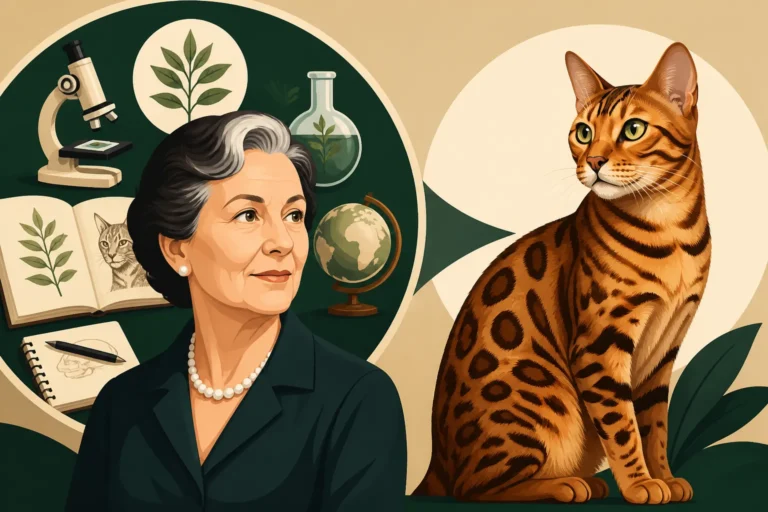
The Asian Leopard Cat (Prionailurus bengalensis) is a small, wild feline native to a vast range across Asia. When we talk about the Bengal cat's wild heritage, it’s this beautiful, elusive creature we're referring to. They're genuinely captivating animals, often mistaken for a smaller version of a leopard, hence their common name. Understanding them is key to understanding the Bengal cat.
Physical Characteristics and Natural Habitat
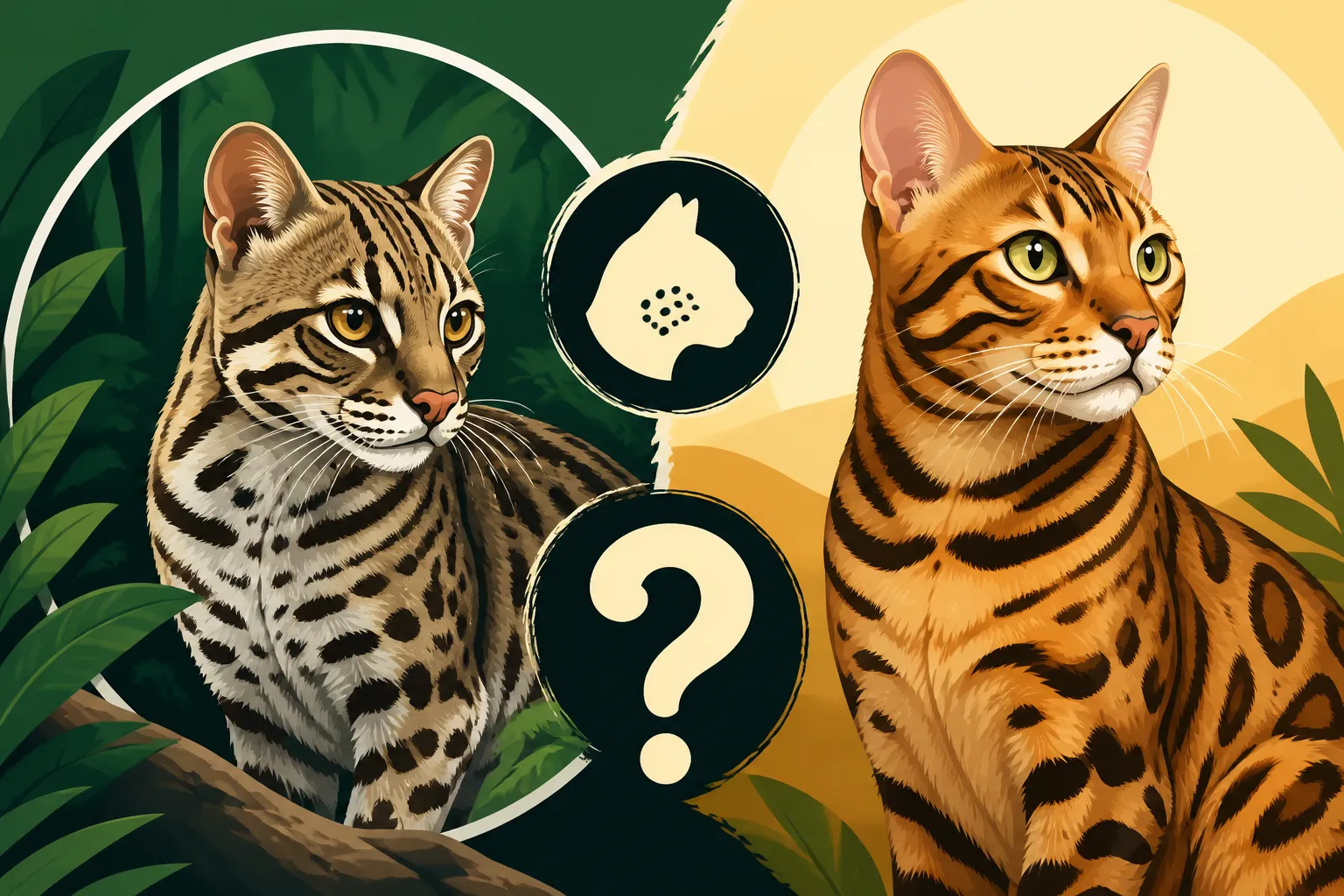
Asian Leopard Cats are typically about the size of a domestic housecat, though often leaner and more muscular, with longer legs and a smaller head. Their coats are incredible, showcasing a variety of patterns from spotted to rosetted, much like what we see in Bengal cats, though the exact patterns vary significantly depending on the subspecies and geographical location. Their base color can range from pale yellow to reddish brown, with white underparts. They have distinctive white "mascara" markings around their eyes and often two prominent dark stripes running from their eyes to the back of their head. You might also notice small, rounded ears with a white spot on the back, known as ocelli, which are believed to serve as "false eyes" to deter predators.
Their natural habitat is incredibly diverse, stretching from Siberia's frigid forests to the tropical jungles of Indonesia. These adaptable little predators thrive in a wide range of environments, including tropical rainforests, grasslands, scrubland, and even agricultural areas, often near water sources. This wide distribution across such varied landscapes speaks volumes about their resilience and adaptability, a trait that makes them fascinating to study. It's a testament to their wild nature that they can carve out a living in so many different corners of the world. What an Asian Leopard Cat Is Behind Every Bengal Cat gives more detail about these incredible animals.
Diet and Behavior in the Wild
In the wild, Asian Leopard Cats are primarily nocturnal hunters, although they can be active during the day, especially in areas with less human disturbance. They are solitary creatures, generally only coming together to mate. Their diet consists mainly of small prey such as rodents, birds, insects, reptiles, and sometimes even fish. They are agile climbers and surprisingly good swimmers, skills that assist them in hunting and evading larger predators.
Their hunting prowess is quite something to behold. They are incredibly stealthy, using their exceptional hearing and vision to pinpoint prey. Unlike some other wild cats, they don't rely on speed as much as they do on cunning and quick reflexes. Imagine watching one patiently stalk a mouse through tall grass or deftly snatch a bird from a low branch. This innate hunting instinct is something that, even generations removed, you can sometimes still see glimpses of in your domestic Bengal cat, especially when they're playing with toys or chasing after a laser pointer.
ALC's Place in the Ecosystem
As mesopredators, Asian Leopard Cats play a crucial role in maintaining the balance of their ecosystems. By preying on rodents and other small animals, they help control populations that could otherwise become overabundant and potentially damage crops or spread disease. Their presence indicates a relatively healthy environment, as they rely on a stable food chain and suitable habitat to survive.
They are also prey for larger carnivores like leopards, tigers, and even large birds of prey in some regions. This position in the food web highlights their importance as a middle link, transferring energy from smaller organisms up to larger ones. It's a complex dance, and the health of the ALC population directly impacts the health of the entire ecosystem. Understanding Where the Bengal Cat's Wild Ancestor Lives really brings home the diversity of environments they inhabit.
Are Asian Leopard Cats Endangered?
This is the big question that often sparks debate and concern among potential Bengal cat owners. The simple answer is generally, "no," but it's crucial to understand the nuances of their conservation status. Conservation isn't a one-size-fits-all label; it's a dynamic assessment that changes over time and varies by region.
Overall IUCN Status and Regional Variations
Globally, the Asian Leopard Cat (Prionailurus bengalensis) is currently listed as "Least Concern" by the International Union for Conservation of Nature (IUCN) Red List. This means that, as a species across its entire vast range, it is not considered to be at immediate risk of extinction. This "Least Concern" status is often a relief for those worried about the ethical implications of the Bengal cat breed.
However, it's vital to acknowledge that conservation status can vary significantly at a regional or subspecies level. While the overall population might be stable, specific populations or subspecies within certain areas can indeed be threatened or even endangered due to localized pressures. For example, some island subspecies or those in highly fragmented habitats might face more severe threats than their mainland counterparts. So, while the broad stroke is "Least Concern," a deeper dive reveals a more complex picture.
Threats to ALC Populations
Even with a "Least Concern" status, Asian Leopard Cats face a number of significant threats across their range. The primary threat, much like for many other wild species, is habitat loss and fragmentation. As human populations expand, forests are cleared for agriculture, development, and infrastructure, reducing the available hunting grounds and breeding areas for ALCs. This also leads to increased human-wildlife conflict, as ALCs might prey on domestic poultry or come into contact with traps set for other animals.
Another major concern is poaching and illegal wildlife trade. While they might not be targeted as frequently as larger, more iconic species, ALCs are sometimes hunted for their fur, for medicinal purposes in some cultures, or for the exotic pet trade. Even though Bengal cats are bred to be domestic, the allure of a "wild" cat can sometimes drive an demand for actual wild-caught ALCs, which is illegal and highly detrimental to wild populations. It’s critical that all pet owners, whether they have a Bengal or another breed, purchase their animals from reputable sources, never contributing to the demand for illegal wildlife.
Misconceptions and Media Portrayals
The misconception that Asian Leopard Cats are endangered often stems from a few sources. Firstly, the general public sometimes conflates "wild" with "endangered." If an animal is wild, especially one that looks as exotic as the ALC, there's a natural assumption that it must be rare or struggling. Secondly, older information or sensationalized media reports might have focused on specific, vulnerable subspecies or past threats, creating an outdated impression.
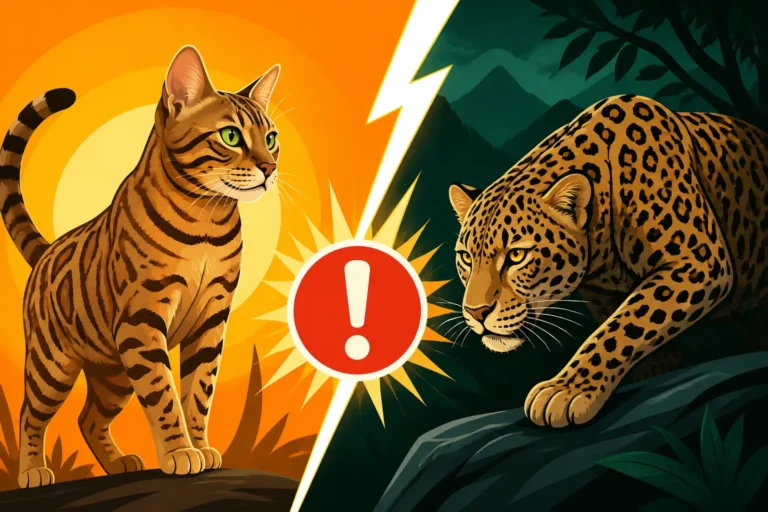
It's also worth noting that the Bengal cat's origins as a hybrid breed can sometimes make people think that continued infusions of wild blood are necessary or common, which might lead to questions about the impact on wild ALC populations. However, modern Bengal cat breeding largely focuses on established lines, many generations removed from the original ALC crosses. We'll delve more into this in the next section. It's easy to get confused when you're looking for accurate information, so it's good to clarify these points. Whether the Bengal Cat Threatens Wild Leopard Cats goes into this concern in more detail.
The ALC's Role in the Bengal Cat Breed
The Asian Leopard Cat is truly the foundation of the Bengal cat breed, providing that iconic wild look and many of the interesting behavioral quirks that make Bengals so unique. Without the ALC, there would be no Bengal cat as we know it today.
The Genesis of the Bengal Cat
The story of the Bengal cat truly began in the early 1960s with Jean Mill, a pioneering breeder who intentionally crossed a domestic cat with an Asian Leopard Cat. Her initial motivation wasn't primarily about creating a new breed for pets, but rather a scientific interest in studying feline leukemia immunity, as ALCs were believed to be immune to the disease. The first successful cross resulted in the stunning F1 (first filial) generation. These were the true "wild hybrids" and quite different from the beloved Bengals we know today.
The breeding program, particularly with the contributions from Dr. Willard Centerwall at Loma Linda University, who was also working on feline leukemia research, really paved the way. The Leukemia Research Colony That Founded the Bengal Cat outlines this fascinating beginning. Jean Mill later continued her work, focusing on domesticating these hybrids while retaining their captivating wild aesthetics. It was a long and dedicated process to move from those initial wild crosses to a stable domestic breed.
Early Generations and Their Wild Traits
The F1, F2, and F3 generations of Bengal cats are considered "Early Generation" or "EG" Bengals. These cats still carry a significant percentage of their wild ALC heritage. An F1 Bengal, for instance, is a direct offspring of an ALC and a domestic cat. They often retain many wild traits: a more solitary nature, a heightened prey drive, specific dietary needs, and sometimes a reluctance to use a litter box consistently. They can be quite a handful, requiring specialized care and a deep understanding of their unique needs, making them unsuitable for most typical pet homes. How an Early Generation Bengal Cat Behaves Differently perfectly illustrates these distinctions.
As you move down the generations—F2 (second filial, meaning one ALC grandparent), F3 (one ALC great-grandparent)—the wild traits gradually diminish, and the cats become more domesticated. However, even F3s can still exhibit strong wild behaviors and instincts. Breeders who work with these early generations are incredibly dedicated and knowledgeable, focusing on temperament and health to select cats that will contribute positively to the breed's development towards a more predictable, yet still exotic, domestic companion.
Current Breeding Practices and ALC Bloodlines
Today, the vast majority of Bengal cats purchased as pets are SBT (Stud Book Traditional) Bengals. This means they are at least four generations removed from their Asian Leopard Cat ancestor (F4 or later) and behave much like any other domestic cat, albeit with their characteristic high energy and intelligence. The initial wild crosses are very rare and typically only undertaken by highly experienced breeders with specific goals, often to introduce new genetic diversity or enhance certain physical traits in the breed. It's definitely not a casual endeavor, and strict regulations often govern the breeding and ownership of these early generations.
Reputable Bengal breeders today focus on health, temperament, and maintaining the breed standard. They do not regularly introduce new wild blood into their lines. The goal is to preserve the unique beauty and spirited personality of the Bengal cat, which was initially gifted by the ALC, while ensuring they are well-adjusted, loving companions. When you look at a beautiful Bengal cat from a responsible breeder, you're seeing the culmination of decades of careful selection, not a direct descendant of a recently caught wild cat. You can find more information about this in F1 to SBT: How a Bengal Cat's Generation Is Counted or How Many Generations Before a Bengal Cat Is Fully Domestic.
Conservation Efforts for the ALC
Despite their "Least Concern" status, conservation efforts for the Asian Leopard Cat are still incredibly important, especially when considering the localized threats many populations face. These efforts are multifaceted, involving government agencies, non-governmental organizations, local communities, and scientific researchers, all working to ensure the long-term survival of this remarkable species.
Protected Areas and Anti-Poaching Measures
One of the most effective strategies for conserving ALCs, and indeed many other wildlife species, is the establishment and enforcement of protected areas. National parks, wildlife sanctuaries, and nature reserves provide safe havens where ALCs can live and breed without the constant threat of habitat destruction or human interference. These areas often have dedicated rangers and staff who monitor wildlife, patrol for illegal activities, and educate visitors.
Alongside protected areas, robust anti-poaching measures are critical. This includes stricter laws against wildlife trafficking, increased penalties for poachers, and enhanced border controls to prevent the illegal movement of animals or animal products. Technology, such as camera traps and GPS tracking, is also increasingly used to monitor populations and identify areas where poaching might be occurring. These efforts help to directly protect individual ALCs and their immediate habitats.
Research and Monitoring Programs
Understanding wildlife populations is the first step towards effective conservation. Scientists and conservationists conduct extensive research to learn more about ALC behavior, population dynamics, genetic diversity, and habitat requirements. This involves fieldwork, such as setting camera traps to estimate population sizes and observe behavior, collecting fecal samples for DNA analysis, and occasionally even capturing and collaring individuals to track their movements.
Long-term monitoring programs are essential to detect trends in population numbers and health. If a specific population begins to decline, researchers can investigate the causes—whether it's disease, increased poaching, or a new environmental threat—and recommend targeted interventions. This scientific approach ensures that conservation efforts are evidence-based and effective, adapting to new challenges as they arise. Learning about Which Scientific Name the Bengal Cat's Ancestor Carries is a good way to understand the scientific framework around their study.
Community Involvement and Education
True conservation success often hinges on the support and cooperation of local communities who live alongside these wild animals. Engaging communities in conservation efforts helps them understand the value of wildlife and the importance of protecting it. This can involve educational programs in schools, workshops for farmers on living with wildlife, and initiatives that provide economic incentives for conservation, such as eco-tourism or sustainable resource management projects.
By involving local people, conservationists can often find more sustainable and culturally appropriate solutions to wildlife challenges. For example, if ALCs are preying on chickens, working with farmers to build predator-proof coops can be more effective than simply trying to eradicate the cats. Education also plays a vital role in dispelling myths and fostering appreciation for wildlife, ensuring that future generations understand and value their natural heritage. Many pet owners, when seeking quality food and supplies for their own Bengal cats, might turn to resources like Chewy, which often supports responsible pet ownership and indirectly, the well-being of all felines, wild and domestic.
How Bengal Cat Ownership Impacts ALC Conservation
While your domestic Bengal cat is many generations removed from its wild ancestor, owning one can still have an indirect impact on the conservation of Asian Leopard Cats. It's about being a responsible pet owner and understanding the broader implications of your choices.
Raising Awareness and Appreciation
For many people, the Bengal cat is their first encounter with a feline that explicitly carries wild ancestry. This unique connection can spark a deeper interest in wild cats and their conservation. Bengal owners often become advocates, sharing information about the breed's origins and the importance of protecting wild species. By educating friends and family about the ALC, its habitat, and the threats it faces, you contribute to a broader awareness that can translate into support for conservation efforts.
Your Bengal can be a powerful ambassador for its wild cousins, fostering a sense of wonder and respect for wildlife. When someone sees your beautiful, spotted companion, it's a natural conversation starter about where those striking looks came from and the natural world they represent. This is a subtle but significant way that Bengal cat ownership can positively influence conservation.
Ethical Breeding and Responsible Sourcing
One of the most direct ways Bengal cat ownership connects to ALC conservation is through the choices made when acquiring a cat. Supporting reputable breeders is paramount. An ethical breeder will prioritize the health and temperament of their cats, adhere to breed standards, and avoid any practices that might inadvertently encourage the illegal wildlife trade. They will be transparent about their cats' pedigrees and generations, ensuring that you are getting a truly domestic Bengal, not an early generation hybrid that might perpetuate demand for wild-caught ALCs.
Conversely, purchasing from unscrupulous breeders or individuals who cannot provide clear lineage and health records can inadvertently fuel a black market for exotic animals, potentially leading to increased pressure on wild ALC populations. Always ask questions, visit the cattery if possible, and verify documentation. This due diligence ensures you're supporting responsible practices. Sites like Chewy, while primarily for pet supplies, represent a pet industry that thrives on responsible pet ownership, a sentiment that extends to ethical breeding. A Leopard Cat and a Housecat Made the First Bengal Cat is a great resource for understanding the origins.
Avoiding Illegal Wildlife Trade
The illegal wildlife trade is a multi-billion-dollar industry that poses a severe threat to countless species, including the Asian Leopard Cat. While owning a domestic Bengal cat is perfectly legal and ethical in most places (check your local regulations!), creating demand for wild-caught ALCs or unverified "hybrids" is not. Responsible Bengal owners actively denounce and avoid any involvement in such trade.
This means being wary of ads for "F1" or "F2" Bengals at suspiciously low prices or from unverified sources. True early-generation Bengals are rare, expensive, and come with extensive documentation and requirements. If something seems too good to be true, it probably is. Your commitment to only acquiring legally and ethically bred domestic animals helps to reduce the market for illegally sourced wildlife, protecting ALCs and many other species from exploitation.
Understanding ALC Subspecies and Their Status
The broad "Least Concern" status for the Asian Leopard Cat can be a bit misleading because it lumps together a wide array of distinct populations. To truly understand their conservation picture, we need to appreciate the diversity within the species, recognizing that some groups are far more vulnerable than others.
Diversity Among ALC Subspecies
The Asian Leopard Cat is not just one monolithic population; it comprises numerous subspecies, each adapted to its specific regional environment. These subspecies can differ in size, coat pattern, coloration, and even behavior, reflecting the vast geographical range they inhabit. For instance, the ALCs found in the cold forests of Siberia might have thicker coats and a different hunting strategy than those living in the warm, humid jungles of Southeast Asia.
This genetic and phenotypic diversity is incredibly important both for the species' resilience and for conservation planning. Each subspecies represents a unique evolutionary trajectory and plays a distinct role in its local ecosystem. Losing a subspecies means losing a unique piece of biodiversity that cannot be replaced. The incredible range of appearances in Bengal cats, from brown spotted to snow marbled, hints at the genetic richness inherited from these diverse wild ancestors.
Critically Endangered Subspecies
While the species as a whole is "Least Concern," there are indeed individual subspecies or geographically isolated populations of Asian Leopard Cats that face much more dire circumstances. These might be listed as "Vulnerable," "Endangered," or even "Critically Endangered" at a regional level by local conservation authorities or within specific assessments by the IUCN. For example, some island populations, due to their limited habitat and isolation, are particularly susceptible to threats like invasive species, habitat destruction, or human-induced pressures.
Such critically endangered subspecies require focused, intensive conservation efforts, often involving captive breeding programs, habitat restoration, and strict protection measures. These situations highlight why a blanket "Least Concern" label can sometimes mask urgent local conservation needs. It's a reminder that global assessments are valuable but don't always tell the whole story for every single unique population.
The Importance of Subspecies-Specific Conservation
Recognizing the varying conservation statuses among ALC subspecies is crucial for effective conservation. Strategies that work for a widespread, robust population might be entirely inadequate for a small, isolated, and threatened subspecies. Conservation plans must be tailored to the specific threats and ecological needs of each unique group. This might involve different approaches to anti-poaching, habitat protection, or community engagement, depending on the local context.
For Bengal cat enthusiasts, this understanding reinforces the importance of responsible sourcing and supporting legitimate conservation organizations. While your domestic cat is not directly depleting wild ALC populations, a general appreciation for biodiversity and support for conservation groups working on behalf of wild felines can indirectly benefit even the most vulnerable ALC subspecies. Ensuring that the pet industry, including those providing pet supplies through platforms like Chewy, promotes ethical practices and education can also contribute positively to this broader conservation landscape.
Here's a quick overview of the IUCN Red List categories for species, providing context for the ALC's "Least Concern" status:
| Category | Description | Example (Hypothetical for ALC, actual ALC is Least Concern) |
|---|---|---|
| Extinct (EX) | No known living individuals. | Example: Thylacine (Tasmanian Tiger) |
| Extinct in the Wild (EW) | Survives only in captivity or as a naturalized population outside its historic range. | Example: Père David's Deer |
| Critically Endangered (CR) | Facing an extremely high risk of extinction in the wild. | Example: Amur Leopard |
| Endangered (EN) | Facing a very high risk of extinction in the wild. | Example: Giant Panda |
| Vulnerable (VU) | Facing a high risk of extinction in the wild. | Example: Cheetah |
| Near Threatened (NT) | Likely to qualify for a threatened category in the near future. | Example: Emperor Penguin |
| Least Concern (LC) | Widespread and abundant taxa. Does not qualify for a more at-risk category. | Asian Leopard Cat (Prionailurus bengalensis) – Global Status |
| Data Deficient (DD) | Not enough information to make an assessment of extinction risk. | Many newly discovered or poorly studied species |
| Not Evaluated (NE) | Has not yet been evaluated against the criteria. | Species not yet assessed by IUCN |
This table helps illustrate that "Least Concern" is a very positive status within the conservation hierarchy, though it's always subject to ongoing assessment and local variations.
Disclaimer
This article is for general informational purposes only and does not constitute professional advice. Laws, prices and regulations vary by location and change over time. Consult a qualified professional for guidance on your specific situation.