Who Willard Centerwall Was to the Bengal Cat
Many Bengal cat owners are familiar with the vibrant history of their stunning companions, often hearing the name Jean Mill mentioned as the "mother" of the breed. However, the story of the Bengal is far richer and involves another pivotal figure whose scientific contributions were utterly essential: Dr. Willard Centerwall. If you've ever wondered how these beautiful cats came to be or what specific scientific drive led to their initial development, this guide is here to shed light on Willard Centerwall's significant, though often unsung, role.
The Genesis of a Wild Dream: Before Centerwall
Before we delve into Dr. Centerwall's specific contributions, it's helpful to understand the landscape of Bengal cat development in its very early stages. Most enthusiasts know that the breed's origins lie in crossing domestic cats with the wild Asian Leopard Cat (ALC). This idea was revolutionary, driven by a desire to create a domestic feline with the exotic beauty of its wild ancestor.
Jean Mill's Pioneering Efforts
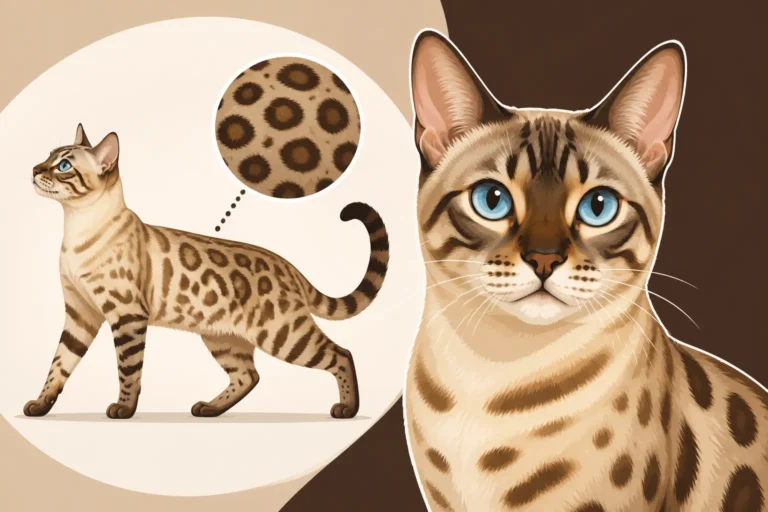
The story often begins with Jean Mill, a breeder from California, who in the early 1960s began experimenting with crosses between domestic cats and Asian Leopard Cats. Her initial motivation was perhaps simpler: to create a leopard-spotted domestic cat. She was captivated by the unique appearance of the ALC, particularly its striking rosetted coat and powerful build. Her early crosses laid the foundational groundwork, showing that such a hybrid was even possible.
These initial "F1" (first-generation) Bengal cats, direct descendants of an ALC and a domestic cat, were quite wild in temperament and were largely considered experimental. It was a fascinating, albeit challenging, endeavor. At this stage, the Bengal cat was more of a curiosity than a recognized breed, and the path to domestication and standardization was long and winding. The focus was on establishing fertility in subsequent generations and selectively breeding for desirable traits that balanced wild aesthetics with domestic docility.
The Asian Leopard Cat's Allure
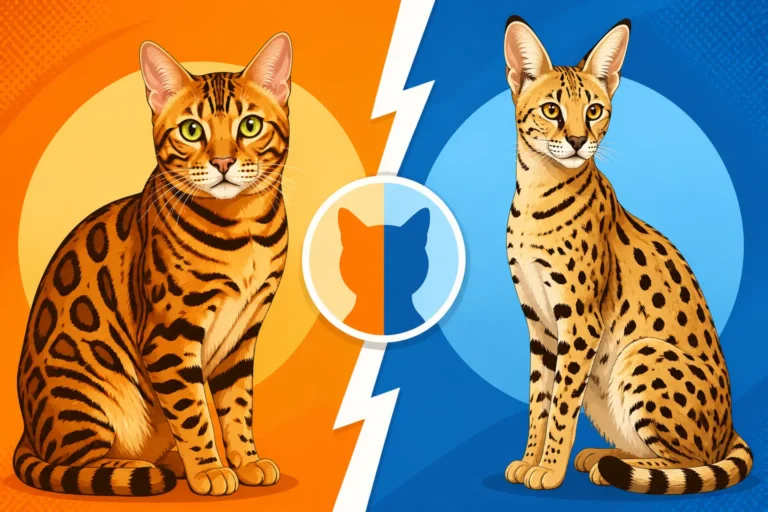
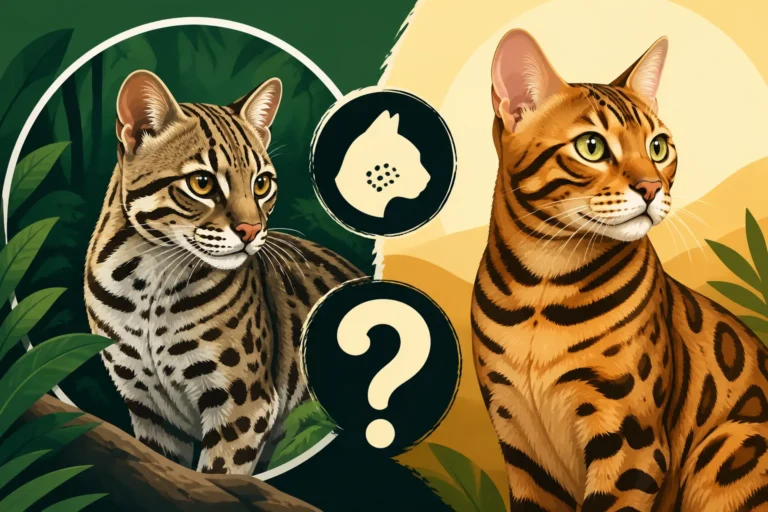
The Asian Leopard Cat, or Prionailurus bengalensis, is a small, solitary wild cat native to Southeast Asia. Its captivating spotted or rosetted coat, sleek body, and intelligent, alert eyes are what drew early breeders like Jean Mill to the idea of hybridization. What an Asian Leopard Cat Is Behind Every Bengal Cat delves deeper into the characteristics of this wild ancestor. The ALC is known for its agility, prowess as a hunter, and a certain wildness that, when introduced into a domestic lineage, creates the unique energetic and curious personality we associate with the Bengal cat today. This wild spirit is a defining trait, one that makes Bengal cats stand out in the feline world.
Dr. Willard Centerwall's Scientific Inquiry
While Jean Mill was exploring the aesthetic possibilities of the ALC cross, Dr. Willard Centerwall entered the scene with a completely different, yet equally vital, objective. His work was rooted deeply in scientific research, specifically in the field of feline leukemia.
The Loma Linda University Research Colony
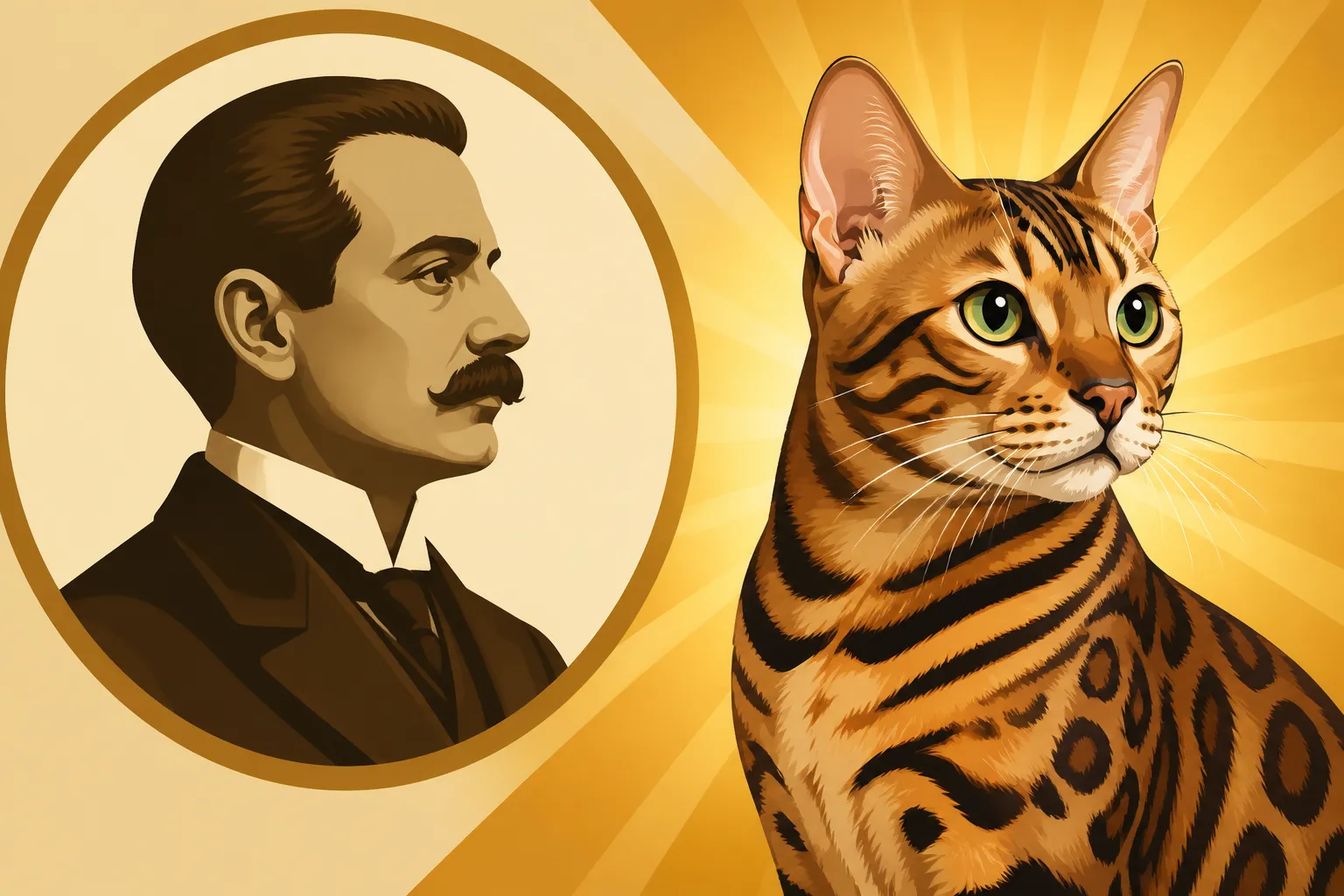
Dr. Centerwall was a professor of pediatrics and medical genetics at Loma Linda University in California. In the 1970s, he embarked on a research project aimed at understanding feline leukemia virus (FeLV) and its potential implications for human health, specifically childhood leukemia. The prevailing theory at the time, which later proved incorrect, was that feline leukemia could be transmitted to humans.
Centerwall's research focused on the observation that Asian Leopard Cats seemed to exhibit a natural immunity or strong resistance to feline leukemia. He hypothesized that this immunity could be passed down to hybrid offspring. To test this, he initiated a breeding program at Loma Linda University, deliberately crossing Asian Leopard Cats with domestic cats. This was not for creating a new pet breed, but purely for scientific investigation. He needed healthy F1 hybrids to study their immune responses to FeLV. The purpose of this colony was intensely practical and medical, marking a significant divergence from the aesthetic goals of other early breeders.
Breeding for Immunity, Not Beauty
Unlike Jean Mill, whose primary goal was to create a domestic cat that looked wild, Dr. Centerwall's objective was to create cats that inherited the ALC's supposed immunity to FeLV. The appearance of the cats was secondary, or even irrelevant, to his research. He needed to produce robust F1 hybrids in a controlled environment to conduct his studies on viral resistance and genetic markers.
The cats produced in this research colony were carefully monitored for their susceptibility to FeLV. While the initial hypothesis about direct human transmission proved unfounded, the colony nevertheless yielded valuable insights into feline genetics and immunology. These hybrids, initially seen as mere research subjects, would eventually play a crucial, if unintended, role in the larger development of the Bengal cat breed. Their existence and the data gathered from them became a unique resource.
The Intersection of Science and Breeding: A Shared Legacy
The paths of scientific research and exotic cat breeding converged in the most fascinating way, largely thanks to Jean Mill. While Dr. Centerwall focused on the medical benefits, the cats he produced eventually found their way into the budding Bengal breeding community.
What Happened to Centerwall's Bengal Cat Hybrids
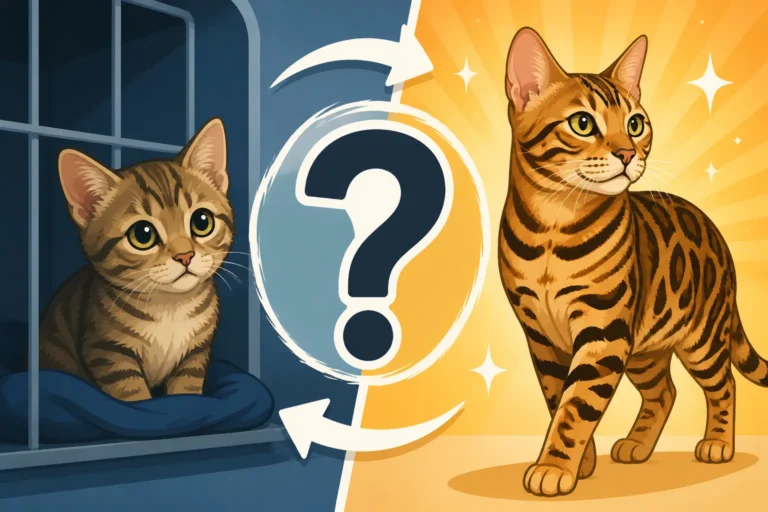
As Dr. Centerwall's research program concluded or shifted focus, a number of the F1 and F2 hybrid cats from his Loma Linda colony needed new homes. It was at this critical juncture that Jean Mill, who had paused her own breeding program for a time, stepped in. She acquired several of these research cats from Centerwall. This acquisition was a game-changer for her breeding efforts.
These cats provided a fresh genetic pool, free from potential inbreeding issues that can plague small, isolated breeding lines. More importantly, they were already established hybrids, saving years of initial breeding work. Mill recognized the immense value of these cats, not only for their robust health but also for the genetic diversity and wild traits they carried. It’s hard to overstate the importance of this transfer of cats; it significantly accelerated and strengthened the genetic foundation of what would become the modern Bengal breed. You can learn more about The Leukemia Research Colony That Founded the Bengal Cat and its dispersal.
Contributions to the Bengal Cat Gene Pool
The cats from Centerwall's research program brought a vital infusion of Asian Leopard Cat genetics into the nascent Bengal breed. This expanded the gene pool, helping to alleviate potential bottlenecks and increasing the overall health and vigor of the population. Breeders were then able to work with a broader range of traits, allowing for more selective breeding to enhance desired physical characteristics, such as clearer patterns and richer colors, while continuing the process of domestication.
Without these particular hybrids, the Bengal breed's development might have taken a very different, and perhaps much slower, trajectory. Centerwall's scientific endeavor, though not initially intended to create a pet, inadvertently provided a crucial biological springboard for the breed's eventual success. Many modern Bengals can trace their lineage back to these Loma Linda cats, a testament to their enduring impact.
The Lasting Impact of Centerwall's Work
Dr. Centerwall's work, while less focused on the 'glamour' of breeding a new cat, laid a fundamental scientific cornerstone that profoundly shaped the Bengal cat breed. His influence extended beyond merely providing initial breeding stock.
The Bengal Cat's Unique Health Profile
One of the fascinating, though eventually disproven in its direct application, aspects of Centerwall's research was the Asian Leopard Cat's perceived immunity to feline leukemia. While it didn't translate into an inheritable, blanket immunity for domestic Bengals, it certainly sparked an early interest in the breed's overall health and genetic predispositions. This early scientific scrutiny contributed to a general awareness within the Bengal breeding community about the importance of genetic health screening.
Today, responsible Bengal breeders are diligent about testing for common genetic diseases like PRA-b (Progressive Retinal Atrophy) and PK Deficiency (Pyruvate Kinase Deficiency), among others. This proactive approach to health can arguably be seen as a ripple effect of the breed's scientific origins. Understanding What a Bengal Cat Breeder Should Have Tested is crucial for any prospective owner. This focus ensures that the breed, known for its vitality, continues to thrive with careful management of its genetic heritage.
Shaping the Breed's Identity and Recognition
The narrative of the Bengal cat, intertwined with both Jean Mill's vision and Dr. Centerwall's scientific quest, gave the breed a unique backstory. It wasn't just another domestic cat; it was a breed born of both passion and scientific curiosity. This duality contributed to its mystique and appeal.
When the breed sought recognition from major cat registries like The International Cat Association (TICA), the robust genetic foundation provided by the diverse lines, including those from Centerwall's colony, was invaluable. The fact that the initial F1 crosses were part of a university research project lent a certain gravitas to the breed's origins. This scientific connection helped legitimize the hybrid nature of the Bengal cat, setting it apart from other, less well-documented domestic-wild crosses. When TICA Accepted the Bengal Cat marked a major turning point, moving the Bengal from an experimental hybrid to a recognized, championship breed.
Beyond the History: Life with a Bengal Cat
Understanding the history of the Bengal cat, including figures like Willard Centerwall, helps us appreciate the complexity and uniqueness of these animals. But what does this mean for daily life with one of these magnificent creatures?
Meeting the Bengal's Needs: A Nod to Their Roots
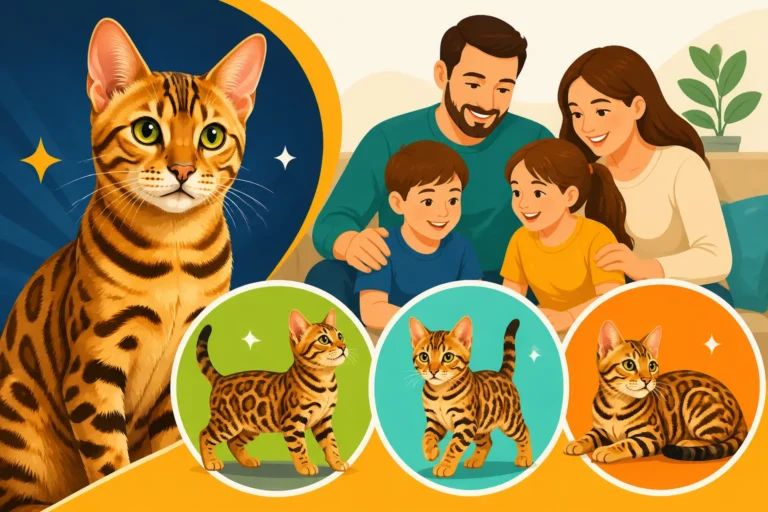
The energetic, intelligent, and sometimes mischievous nature of a Bengal cat is a direct link to their wild ancestry. While Dr. Centerwall's cats were bred for scientific study, the inherent characteristics of the Asian Leopard Cat were still very much present. These traits, when channeled appropriately, make for an incredibly engaging and rewarding companion.
For example, a Bengal's boundless energy means they thrive with ample opportunities for play and exploration. Investing in interactive toys, cat trees that reach the ceiling, and even a cat wheel can make a huge difference. You might find great enrichment items on sites like Chewy, perfect for keeping a high-energy Bengal entertained. Their love for water, a trait often attributed to their ALC heritage, means you might find them fascinated by dripping faucets or even joining you in the shower! Providing appropriate outlets for these natural behaviors is key to a happy Bengal and a harmonious home. Consider a dedicated spot for play, perhaps a sturdy scratching post from Chewy, to help them express their natural instincts in a constructive way.
The Importance of Responsible Breeding
The journey of the Bengal cat, from scientific experiment to beloved pet, underscores the importance of responsible breeding practices. Jean Mill's dedication, combined with the genetic foundation provided by Centerwall's colony, led to a breed that is now recognized globally. Responsible breeders today continue this legacy by focusing on health, temperament, and adherence to breed standards.
They conduct thorough health screenings, ensure proper socialization for kittens, and carefully plan matings to enhance desirable traits and minimize genetic health issues. This commitment ensures that future generations of Bengal cats are not only beautiful but also healthy and well-adjusted companions. When seeking a Bengal, always look for a breeder who is transparent about health testing and provides detailed information about their cats' lineage, much like Dr. Centerwall meticulously documented his research subjects.
| Aspect | Jean Mill's Contribution | Willard Centerwall's Contribution |
|---|---|---|
| Primary Goal | Create exotic-looking domestic pet | Study feline leukemia immunity |
| Initial Motivation | Aesthetic appeal of Asian Leopard Cat (ALC) | Scientific investigation of FeLV resistance |
| Method | Cross-breeding ALC with domestic cats | Controlled breeding of ALC hybrids for research |
| Outcome for Breed | Established visual standard, developed temperament | Provided crucial genetic diversity, boosted health |
| Legacy | "Mother" of the Bengal breed, TICA recognition | Unsung scientific foundation, enhanced genetic vigor |
This table helps illustrate the distinct yet complementary roles these two individuals played in the story of the Bengal cat. One had an artistic vision, the other a scientific mission, and together, they shaped the breed we know and love today.
Concluding Thoughts on a Fascinating History
The story of the Bengal cat is a tapestry woven from diverse threads, including the pioneering vision of Jean Mill and the critical scientific contributions of Dr. Willard Centerwall. While his name might not be as widely known in casual Bengal discussions, his work at Loma Linda University provided an invaluable genetic infusion that strengthened the burgeoning breed.
It's a testament to the unexpected ways that scientific inquiry can intersect with passionate breeding, ultimately giving us these stunning, active, and intelligent cats. As Bengal owners, understanding this rich history allows us to appreciate our felines even more, recognizing the dual heritage of wild beauty and scientific purpose that makes them truly unique. Providing them with the best care, from a high-quality diet to engaging toys, perhaps sourced from reliable retailers like Chewy, is a way to honor the comprehensive journey they've taken to become our cherished companions.
Disclaimer
This article is for general informational purposes only and does not constitute professional advice. Laws, prices and regulations vary by location and change over time. Consult a qualified professional for guidance on your specific situation.