A Leopard Cat and a Housecat Made the First Bengal Cat
The striking appearance of the Bengal cat, with its wild spots and mesmerizing eyes, often leaves people wondering: how did this magnificent creature come to be? It's a question that brings up a lot of curiosity, and sometimes even confusion, about whether these cats are truly domestic. This guide will take you on a journey through the fascinating origins of the Bengal cat, from its wild ancestor to the beloved household companion it is today, tracing the deliberate choices and scientific insights that shaped this remarkable breed.
The Alluring Wild Ancestor: The Asian Leopard Cat
When you first lay eyes on a Bengal cat, that undeniable "wild" look is what catches you. It’s not just a trick of the light or clever breeding; it’s a direct inheritance from its foundational ancestor, the Asian Leopard Cat. Understanding this beautiful small wild cat is key to truly appreciating the Bengal.
Unpacking the Asian Leopard Cat's Distinctive Nature
The Asian Leopard Cat (ALC), scientifically known as Prionailurus bengalensis, is a small wild feline native to a vast area across Southeast Asia, including parts of India, China, and Russia. Imagine a miniature leopard, no bigger than a large domestic cat, but with a sleeker, more muscular build and an incredible coat of spots, rosettes, and stripes. They possess striking black markings, a white belly, and often distinct "mascara" lines around their eyes. Their eyes are typically large and amber-colored, giving them an alert, keen gaze that speaks volumes about their survival instincts in the wild. Unlike our cozy housecats, ALCs are primarily nocturnal, spending their nights hunting small prey like rodents, birds, and insects. They are solitary creatures, agile climbers, and surprisingly adept swimmers – a trait you often see playfully manifest in their domestic Bengal descendants. Their natural habitat varies widely, from tropical rainforests to temperate forests and even agricultural land, showcasing their adaptability. They are not animals meant for human companionship in the traditional sense; they are wild, self-sufficient, and intensely private, relying on their sharp senses and stealth to thrive.
The physical prowess and beauty of the ALC are directly responsible for the Bengal cat's exotic allure. Every spot, every rosette, the muscular body, the elegant gait, and even some of the more discerning, intelligent behaviors can be traced back to this small wild ancestor. When a Bengal struts through your living room, there's a whisper of the jungle in its stride. This lineage is what makes them so captivating but also hints at the unique personality and activity levels Bengal owners come to cherish and manage. They possess a certain grace and power that sets them apart from typical domestic breeds, a constant reminder of their wild, unbridled heritage. It's this direct link that gives the Bengal cat its signature look, a coat that often feels like silk, described as a "pelt" rather than fur, showcasing patterns of vivid contrast that shimmer with "glitter" in the light.
The ALC's Natural Resistance to Feline Leukemia
Beyond their breathtaking aesthetics, Asian Leopard Cats held a significant scientific interest that played a pivotal, albeit somewhat accidental, role in the Bengal cat's creation. Researchers in the mid-20th century were keenly aware of the devastating impact of Feline Leukemia Virus (FeLV) on domestic cat populations. FeLV is a retrovirus that can cause various cancers, blood disorders, and immune deficiency in infected cats, often leading to a premature and difficult end to life. The scientific community was searching for ways to combat this pervasive disease, and their gaze turned to the natural world for answers.
It was observed that Asian Leopard Cats exhibited a remarkable natural immunity or, at the very least, a strong resistance to Feline Leukemia Virus. This discovery was incredibly exciting for researchers, suggesting that there might be genetic factors within the ALC that could offer insights into preventing or treating FeLV in domestic cats. The potential to understand and perhaps transfer this resistance was a powerful motivator for scientific study. It led to the establishment of research programs aimed at exploring these genetic traits, involving the controlled breeding of ALCs with domestic cats to produce hybrids that could be studied for their immune responses. This quest for a biological solution to FeLV inadvertently laid the groundwork for the creation of one of the most striking and popular domestic cat breeds in the world. The initial purpose was purely scientific, focusing on disease resistance, not on creating a new pet, but the outcome was profoundly impactful on the feline world.
The Dawn of a New Breed: Jean Mill's Vision
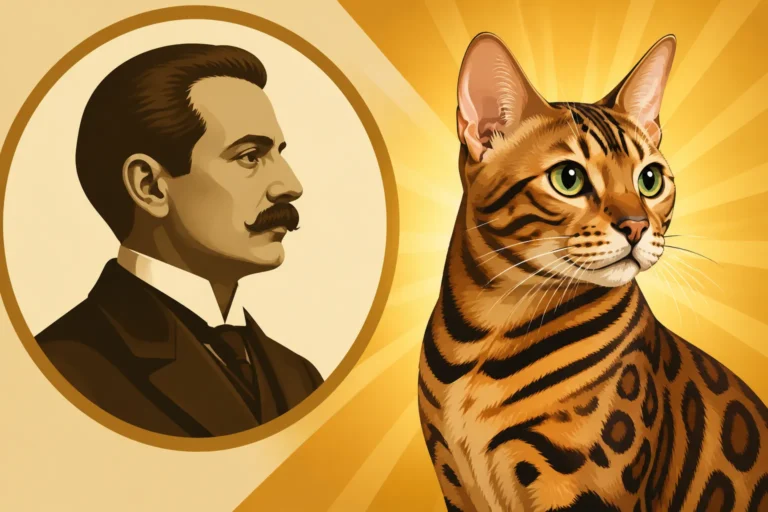
While science played its part, the heart and soul of the Bengal cat breed as we know it today belong to one remarkable woman: Jean Mill. Her vision, perseverance, and passion for these beautiful hybrids transformed them from a scientific curiosity into a recognized and cherished companion animal.
Jean Mill's Pioneering Work and Early Crosses
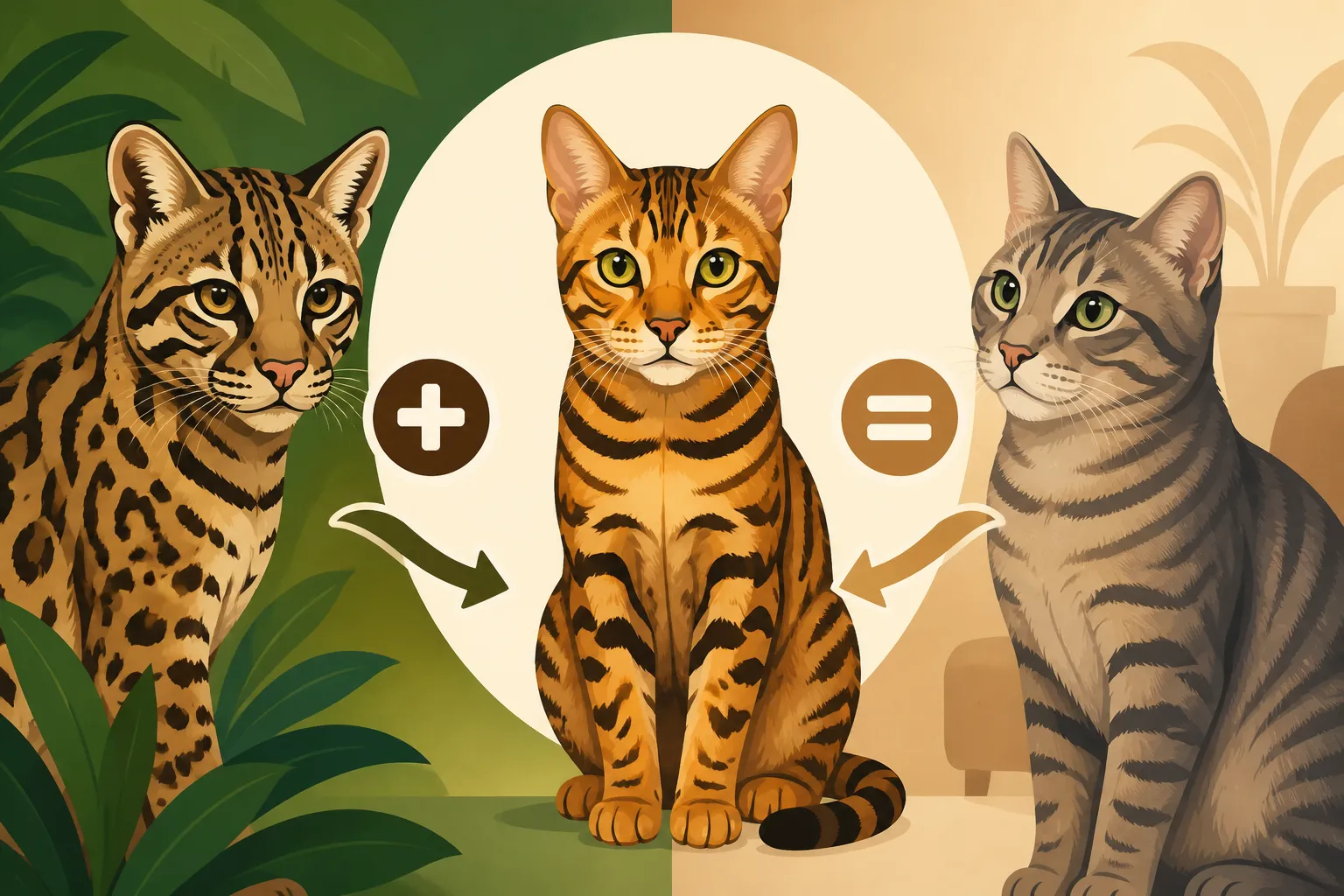
Jean Sugden Mill, a Californian breeder, is widely credited as the "mother" of the modern Bengal cat. Her journey began in the early 1960s, long before most people even conceived of a domesticated cat that looked like a mini jungle dweller. Jean Mill’s initial motivation was deeply personal and somewhat controversial at the time. She purchased an Asian Leopard Cat in 1961, not with the explicit goal of creating a new breed, but rather to understand if such a wild animal could cohabitate peacefully with her domestic cats. She had a profound appreciation for the ALC's beauty and wanted to contribute to the conservation efforts of these wild felines by discouraging the fur trade; she believed that if domestic cats looked like leopards, there would be less demand for wild furs. She started experimenting, crossing her female ALC with a domestic black tomcat. The idea was to create beautiful, spotted cats without the destructive hunting habits of their wild ancestors.
These early crosses were fraught with challenges. The first generation, known as F1s (Filial 1), were direct offspring of an ALC and a domestic cat. They inherited a significant portion of their wild parent's temperament, often exhibiting shyness, nocturnal habits, and difficulty with litter training. Furthermore, the male F1, F2, and F3 generation Bengal cats were typically sterile, a common issue in hybrid breeding, making the selective breeding process incredibly slow and complex. Jean Mill experimented with various domestic breeds to find the ideal partner for the ALC, focusing on gentle temperaments, robust health, and complementary physical traits. She incorporated cats like Egyptian Maus for their sleek bodies and intelligent minds, and various domestic shorthairs chosen for their calm dispositions. Her meticulous approach was about more than just looks; it was about laying a solid foundation for a healthy, friendly, and truly domesticated cat, despite its wild origins. She wanted a cat that looked like it belonged in the jungle but acted like it belonged on your couch.
Millwood Cattery: A Legacy in the Making
Jean Mill's commitment to the Bengal breed was embodied in her renowned Millwood Cattery. It was here, amidst the rolling hills of California, that she dedicated decades to the careful, often frustrating, but ultimately triumphant process of developing the Bengal cat. After her initial crosses in the 1960s, she took a break from breeding due to personal circumstances, but her passion for these unique cats never waned. She restarted her program in the late 1970s, armed with renewed determination and, crucially, a new genetic pool that would profoundly impact the breed. This second phase of her work was even more critical, as it involved refining the temperament, solidifying the health, and establishing consistent physical characteristics that would define the Bengal.
At Millwood Cattery, Jean Mill painstakingly worked through multiple generations, selectively breeding for traits that would enhance the domesticity of the cats while preserving their stunning wild appearance. This meant choosing F1 and F2 females (as males were often sterile) that exhibited the calmest temperaments and then breeding them back to carefully selected domestic males, or later, to fertile early generation Bengal males. It was a rigorous process of culling, keeping careful records, and making difficult decisions, all driven by the goal of producing healthy, well-socialized kittens. Her focus was not just on producing pretty spots; she was deeply invested in creating a stable genetic line that could eventually stand on its own as a recognized breed. The legacy of Millwood Cattery is not just in the countless beautiful Bengals it produced, but in the enduring foundation it provided for all Bengal breeders who followed, setting the standard for what a true Bengal cat should be.
The Scientific Catalyst: Dr. Willard Centerwall's Research
While Jean Mill was laying the groundwork for the Bengal's domestic future, another significant, and somewhat independent, branch of the breed's origin story was unfolding in a scientific laboratory. This academic endeavor, driven by a desire to understand feline diseases, inadvertently provided a crucial boost to Jean Mill's breeding program.
The Loma Linda University FeLV Research Program
In the early 1970s, parallel to Jean Mill’s efforts, Dr. Willard Centerwall, a geneticist at Loma Linda University in California, initiated a research program focusing on the Feline Leukemia Virus (FeLV). As mentioned earlier, the Asian Leopard Cat's apparent resistance to FeLV had captured scientific attention. Dr. Centerwall’s project was designed to study this resistance by creating and observing hybrid cats, specifically by crossing ALCs with domestic cats. The goal was purely scientific: to investigate the genetic factors behind the ALC's immunity and explore potential applications for preventing and treating FeLV in the broader domestic cat population. This was serious, academically driven research, not a whimsical effort to create a new pet breed.
The research colony at Loma Linda University produced numerous generations of these ALC-domestic cat hybrids. These cats were housed in a controlled environment, observed for their health, immune responses, and the transmission dynamics of FeLV. The hybrids served as living laboratories, providing invaluable data for geneticists and veterinarians studying retroviral diseases in felines. Dr. Centerwall's work contributed significantly to the understanding of FeLV, offering insights into its pathology and potential avenues for intervention. However, like many research projects, it eventually ran its course, and the time came to conclude the study and rehome the animals. This is where the scientific and breeding narratives of the Bengal cat serendipitously converged.
The Transition of Research Cats into the Breeding Pool
When Dr. Centerwall's research program at Loma Linda University concluded, he faced the ethical and logistical challenge of finding suitable homes for the hybrid cats. These weren't ordinary domestic pets; many were F1, F2, and F3 generations, still exhibiting varying degrees of wild temperament and requiring specialized care. Thankfully, at this crucial juncture, Jean Mill, who had by then resumed her own Bengal breeding program, learned of the opportunity. Recognizing the immense genetic value these cats represented, she reached out to Dr. Centerwall.
Jean Mill understood that these research hybrids, carefully bred and documented by scientists, would provide an invaluable influx of new bloodlines into her existing program. This was a genetic goldmine; these cats offered diverse ALC lineage and, importantly, new genetic combinations that could strengthen the breed's health and vitality. She acquired several of these important cats from the Loma Linda program, including some F1 females that proved instrumental in accelerating her breeding efforts. The infusion of these new genetics from Dr. Centerwall's colony was a pivotal moment for the Bengal breed. It broadened the genetic base, increased the viability of the lines, and allowed Jean Mill to continue her work with greater genetic diversity, helping to overcome some of the challenges associated with a limited gene pool. Without this scientific contribution, the Bengal cat might not have evolved into the robust and diverse breed it is today, truly a testament to collaboration, even if initially unintentional, between scientific inquiry and passionate breeding.
The Filial Generations: F1 to SBT
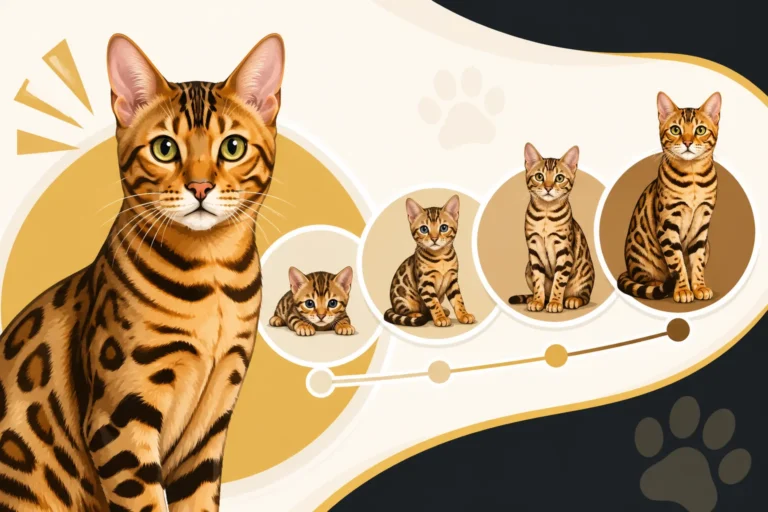
The journey from a wild Asian Leopard Cat to a purring domestic Bengal isn't a single leap; it's a carefully charted progression through what are known as filial generations. Understanding these "F-numbers" is crucial for any potential Bengal owner, as they delineate how far removed a cat is from its wild ancestor and, consequently, how wild or domestic its temperament is likely to be.
Decoding the F-Numbers: Early Generations
The term "filial generation" simply refers to the sequential generations following the initial cross between two different species or breeds. For the Bengal cat, this starts with the F1 generation, which is the direct offspring of a purebred Asian Leopard Cat (ALC) and a domestic cat. Think of an F1 as having 50% wild blood, and trust me, you can often tell. These cats are stunning, with an intensely wild look, often larger and more muscular than a typical housecat. However, their temperament can be quite challenging for the average pet owner. F1s frequently exhibit more pronounced wild behaviors: they might be shyer, more prone to spraying, have specific dietary needs, and their litterbox habits can be inconsistent, especially with conventional litter. Legally, F1s (and often F2s and F3s) are restricted or even banned in many areas because of their wild heritage. Owning an F1 is more akin to owning a small wild animal than a domestic pet and requires extensive knowledge, commitment, and often specific permits and enclosures. Their wild DNA is still very much active.
Moving on, an F2 Bengal is the offspring of an F1 Bengal (usually a female, due to male sterility) and another domestic cat or a low-generation Bengal. An F2 is approximately 25% ALC. While they are a step closer to domestication, F2s still retain significant wild traits. They are generally more amenable to human interaction than F1s, but their energy levels, intelligence, and potential for "wild" behaviors remain high. They might still be hesitant with strangers, vocal in distinct, demanding ways, and need substantial enrichment to prevent boredom and destructive tendencies. Then comes the F3 generation, which is about 12.5% ALC, resulting from breeding an F2 to a domestic or lower-generation Bengal. By the F3 stage, the cats are often more reliably litter trained and generally more outgoing, but they still require an experienced owner who understands their specific needs for activity, intellectual stimulation, and socialization. It's truly an investment in time and effort to nurture these early generations. How a Bengal Cat's Generation Is Counted can tell you more about how these numbers stack up. While some breeders do sell these early generations, it's typically to very experienced owners who understand the commitment involved, and the price tag can be significantly higher due to their rarity and unique demands, something explored in What an F4 Bengal Cat Costs.
The SBT and Beyond: Truly Domestic Bengals
The true turning point for the Bengal cat, establishing it as a fully recognized and domesticated breed suitable for most households, is the SBT designation. SBT stands for "Stud Book Traditional" and signifies that the cat is at least four generations (F4) removed from its wild Asian Leopard Cat ancestor. This means an SBT Bengal has an ALC ancestor in its pedigree, but it’s far enough back that the cat is considered fully domestic. An SBT Bengal is an F4 or later generation, bred Bengal to Bengal for at least three consecutive generations. By this point, the wild percentage is typically around 3.125% or less, and critically, the temperament is reliably domestic. What SBT Means in a Bengal Cat elaborates further on this crucial distinction.
SBT Bengals possess the stunning wild look—the rosetted or marbled coat, the athletic build, the intelligence—but with the predictable, loving, and social temperament of a domestic housecat. These are the Bengals you see winning ribbons in cat shows and confidently interacting with families, children, and other pets. They are fully eligible for registration and championship status with major cat associations like TICA. While they are still incredibly active, intelligent, and vocal cats, requiring ample playtime, mental stimulation, and vertical space (they love to climb!), they are generally well-suited for family life. The journey from F1 to SBT involves countless hours of careful selective breeding, focused on reinforcing desirable domestic traits while retaining the breathtaking aesthetic that makes the Bengal so unique. It's a remarkable achievement in genetic management, ensuring that future generations can enjoy a loyal, wild-looking, yet thoroughly domestic companion.
| Generation | ALC Percentage (Approx.) | Temperament | Legality/Suitability |
|---|---|---|---|
| F1 | 50% | Very wild, shy, often not litter trained, high spraying instinct. | Often restricted/banned, requires permits & specialized care. Not suitable for most pet homes. |
| F2 | 25% | Still wild traits, high energy, vocal, can be shy, needs experienced owner. | Restrictions common, may require permits. Challenging for novice owners. |
| F3 | 12.5% | More domesticated, but still high energy, demanding, needs active enrichment. | Some restrictions, but generally closer to domestic. Best for experienced owners. |
| SBT (F4+) | 3.125% or less | Fully domestic temperament, playful, social, active, loyal. | Legal in most places, considered a domestic cat. Suitable for active pet homes. |
Official Recognition and Breed Standards
For any new breed to gain widespread acceptance and stability, it must go through a rigorous process of recognition by major cat registries. For the Bengal cat, The International Cat Association (TICA) played an instrumental role in solidifying its status from a fascinating hybrid to a fully legitimate and adored domestic breed.
TICA's Acceptance: A Milestone for the Bengal
The International Cat Association (TICA) is one of the world's largest genetic registries for pedigreed cats and household pets. Its role in the Bengal cat's history is undeniable and crucial. Jean Mill worked tirelessly to gain TICA's recognition, understanding that this official validation was essential for the breed's future. The path to recognition is a long one, involving demonstrating consistent traits over multiple generations, proving genetic stability, and ensuring the cats meet specific health and temperament criteria. It's not enough to simply produce pretty cats; they must be predictable in their characteristics and suitable as companions.
TICA began registering Bengal cats in the early 1980s, marking the first significant step towards official acceptance. This allowed breeders to track pedigrees and continue their work with formal documentation. However, full championship status, which allows a breed to compete for titles and awards in TICA shows, didn't come until 1986. When TICA Accepted the Bengal Cat covers the timeline and details of this pivotal moment. This championship status was a game-changer, transforming the Bengal from a niche hybrid into a mainstream, recognized breed. It legitimized the breed in the eyes of the public and other breeders, encouraging responsible breeding practices and increasing its popularity. TICA's acceptance confirmed that the Bengal cat had indeed transitioned from a wild animal hybrid into a stable, distinct, and wonderful domestic cat breed. It opened the doors for the breed to flourish, ensuring its place in the world of pedigreed felines.
What the Breed Standard Demands
With TICA's acceptance came the establishment of a comprehensive breed standard, which is essentially a detailed blueprint describing the ideal physical characteristics and temperament of a Bengal cat. This standard ensures consistency across the breed and guides breeders in their efforts. When you look at a show-quality Bengal, you're seeing a cat that perfectly embodies this standard. The most obvious and striking feature is, of course, the coat: it must be short, dense, and feel like silk or a plush pelt, not coarse fur. The patterns are paramount – either distinctly spotted (rosetted, like a leopard) or marbled, with horizontal flow. The spots or marbling should be sharply contrasted against a lighter background, with a striking "glitter" that makes the coat shimmer in the light, a unique trait directly from the ALC.
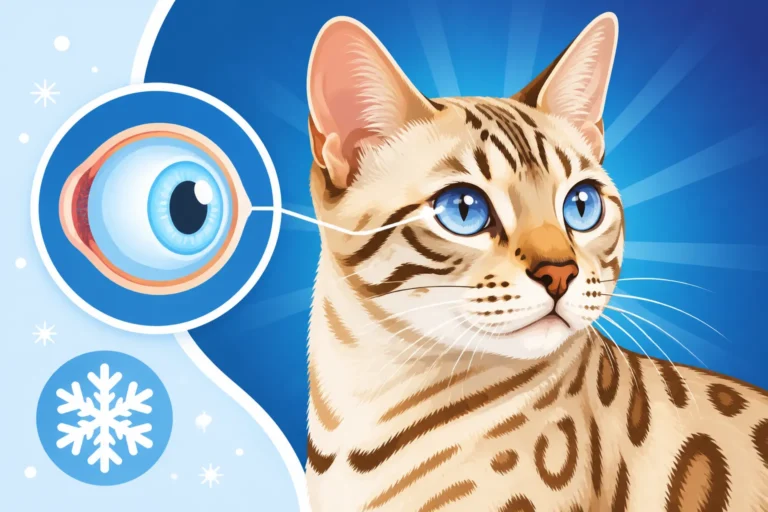
Beyond the coat, the standard calls for a strong, athletic build, reflecting the Bengal's active nature. Their hind legs are often slightly longer than their front, giving them a powerful, almost panther-like gait. The head should be relatively small in proportion to the body, with pronounced whisker pads, high cheekbones, and ears that are medium to small, set high and wide, giving an alert, wild expression. The eyes are large and oval, set wide apart, and can be green, gold, or copper (with blue eyes specifically for Snow Bengals). The tail should be thick, tapering to a rounded tip. The temperament, while not a physical trait, is also implicitly part of the standard for SBTs: they should be confident, active, alert, and curious, but ultimately friendly and approachable, exhibiting the traits of a domesticated cat. What a Bengal Cat Looks Like by the Standard delves deeper into these specific requirements. Breeders dedicate themselves to selecting cats that best exemplify these characteristics, aiming to produce Bengals that are not only beautiful but also healthy and true to the breed's unique heritage.
The Modern Bengal Cat: Legacy and Future
From its daring beginnings as a hybrid to its current status as a highly sought-after domestic companion, the Bengal cat’s journey is a testament to dedicated breeders and the enduring allure of its wild ancestry. Today, the modern Bengal continues to captivate, but also comes with unique responsibilities for those who choose to bring one into their lives.
The Enduring Appeal and Responsibilities of Ownership
There's no denying the Bengal cat's enduring appeal. Their striking appearance, coupled with their intelligent, playful, and often mischievous personalities, makes them incredibly captivating pets. Owners are drawn to their high energy, their love for water (often making them notorious for playing in sinks or even joining you in the shower!), and their ability to learn tricks, walk on leashes, and engage in interactive play that often feels more dog-like than cat-like. They are not content to simply lounge; they demand interaction and stimulation. This unique blend of wild looks and domestic affection is precisely what sets them apart. Many find their confident and curious nature endlessly entertaining, and their loyalty can be fiercely devoted. They thrive on companionship and thrive when they are an integral part of family life, actively participating in daily activities.
However, owning a Bengal, particularly an SBT or higher generation, comes with significant responsibilities. While they are fully domesticated, their wild heritage means they have higher needs for mental and physical enrichment than many other breeds. A bored Bengal is a destructive Bengal. They need plenty of vertical space (tall cat trees, shelves), interactive toys (you'll go through quite a few, so keeping a supply from retailers like Chewy is often a necessity), and regular play sessions to burn off their boundless energy. They are highly intelligent and need puzzle toys to keep their minds engaged. Potential owners must be prepared for a vocal cat, with a wide range of chirps, trills, and sometimes surprisingly loud "yowls" that are less a plea and more a demand for attention. Understanding these needs is crucial. A responsible owner provides a stimulating environment, consistent training, and ample affection to ensure their Bengal thrives.
Looking Ahead: Maintaining the Breed's Integrity
The future of the Bengal cat breed hinges on maintaining the integrity established by pioneers like Jean Mill and the scientific insights gleaned from researchers like Dr. Centerwall. Today, there are strict rules and ethical guidelines in place regarding new outcrosses. Most major registries, including TICA, do not permit new crosses between Asian Leopard Cats and domestic cats for breeding registered Bengals. The breed's gene pool is considered closed, meaning all registered Bengals must trace their lineage back to the original foundation cats. This regulation ensures the preservation of the domestic temperament and health stability that has been so painstakingly achieved over decades. Which Countries Ban New Bengal Cat Wild Crosses highlights how these regulations vary geographically.
Responsible breeding also places a strong emphasis on health testing. Bengals, like many pedigreed cats, can be prone to certain genetic conditions. Reputable breeders diligently screen their cats for issues such as Hypertrophic Cardiomyopathy (HCM), Pyruvate Kinase Deficiency (PK-Def), and Progressive Retinal Atrophy (PRA-b) to minimize the risk of passing these conditions to future generations. What a Bengal Cat Breeder Should Have Tested provides a detailed look into these essential health screenings. The ongoing commitment to health, temperament, and adherence to the breed standard ensures that the Bengal cat remains a vibrant, healthy, and beloved companion for years to come. Their journey from wild exotic hybrid to a cherished domestic pet is a remarkable story, one that continues to unfold with each new generation, captivating hearts with their stunning beauty and dynamic personalities.
Disclaimer
This article is for general informational purposes only and does not constitute professional advice. Laws, prices and regulations vary by location and change over time. Consult a qualified professional for guidance on your specific situation.