What Jean Mill Studied Before Breeding Bengal Cats
When you look at a majestic Bengal cat, with those wild, exotic spots and that incredibly athletic build, it's natural to wonder about the genius who first dreamed up such a captivating creature. Most people know Jean Mill as the founder of the Bengal breed, but fewer realize the depth of her academic background and how profoundly it influenced her pioneering work. This guide will explore the fascinating studies Jean Mill pursued, revealing how her diverse intellectual journey laid the groundwork for the Bengal cat as we know it today.
Jean Mill's Academic Journey and Early Interests
Jean Mill wasn't just a cat enthusiast who stumbled into breeding; she was an individual with a deep, inquisitive mind and a formal education that provided a unique lens through which to approach the creation of a new feline breed. Her intellectual curiosity led her down paths that might seem disparate at first glance, but ultimately converged to give her an unparalleled advantage in her work. It's often easy to overlook the intellectual rigor involved in such endeavors, but Mill's story highlights it perfectly.
Her Formal Education in Psychology
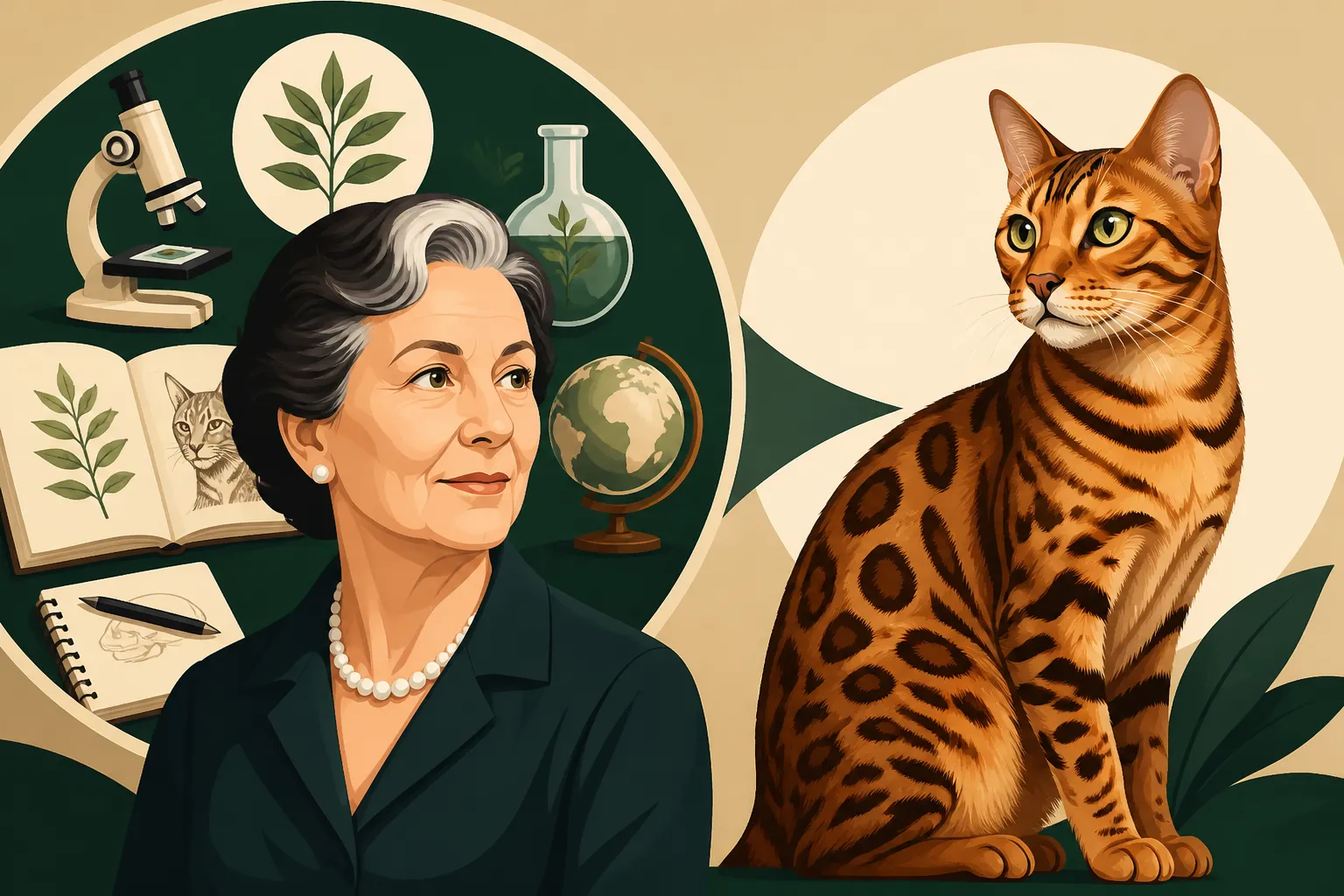
One of the less-known but incredibly impactful areas of Jean Mill's academic focus was psychology. Before she became renowned for her work with cats, she pursued a degree in psychology at Pomona College, a rigorous liberal arts institution. This wasn't just a casual pursuit; it was a foundational period that shaped her understanding of behavior, development, and the intricate dance between genetics and environment.
Think about it: how often do we consider the psychological aspects of breeding animals? For many, it's about physical traits and lineage. But Mill's training in psychology would have given her a keen insight into animal behavior, temperament, and the crucial process of socialization, especially when dealing with a breed stemming from a wild ancestor. This understanding would have been invaluable in evaluating the early generations of Bengal cats, helping her to select for not just beauty, but also for a stable, domestic temperament. It taught her how to observe, how to understand motivations, and how to create an environment conducive to fostering desirable traits, whether in kittens or adult cats.
A Profound Interest in Genetics and Heredity
Beyond psychology, Jean Mill cultivated a significant and enduring interest in genetics, a field that was clearly paramount to her future endeavors. While the formal documentation of this might not always be as explicit as her psychology degree, her extensive reading, self-study, and practical application of genetic principles were undeniably central to her approach. She wasn't just pairing cats randomly; she was a student of heredity, understanding how traits were passed down, how to predict outcomes, and how to manage genetic diversity.
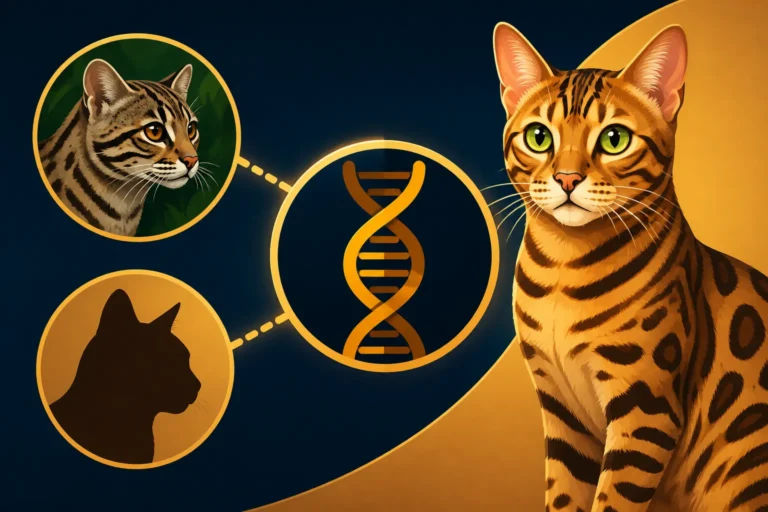
This deep dive into genetics meant she was well-equipped to tackle the complex challenges of creating a hybrid breed. She understood the implications of filial generations (F1, F2, F3, etc.) long before they became common knowledge in the wider cat community, recognizing how each generation dilutes the wild blood and solidifies domestic traits. Her work showcased an intuitive grasp of population genetics, even if she wasn't publishing papers on it herself. This foundation allowed her to navigate the complexities of combining the Asian Leopard Cat with domestic felines, not just for aesthetic purposes, but for health and temperament as well.
The Intersection of Scientific Research and Practical Breeding
Jean Mill's work wasn't merely about creating pretty cats; it was a testament to how scientific inquiry, combined with dedicated practical application, can lead to revolutionary results. Her unique background allowed her to bridge the gap between abstract scientific concepts and the tangible reality of breeding and raising animals. This blend of theory and practice set her apart and was crucial for the long-term success and acceptance of the Bengal cat breed.
Collaborating with Medical Research Projects
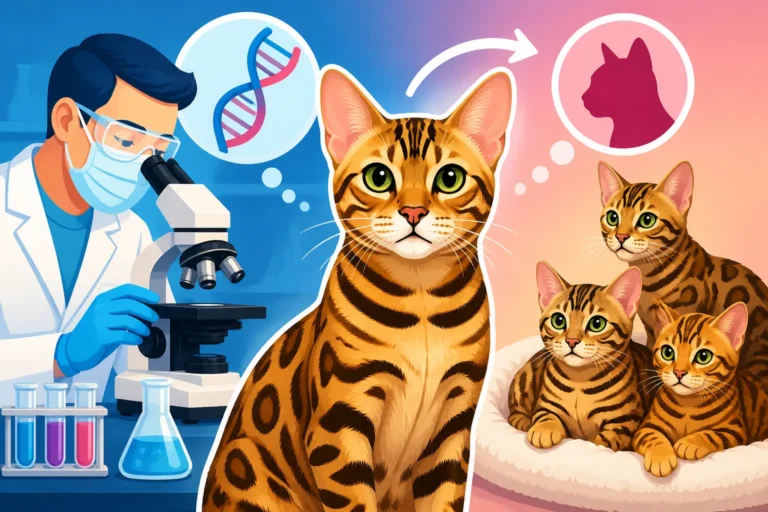
It's a lesser-known fact that Jean Mill's early involvement with hybrid cats wasn't purely for breeding purposes. She received some of her first Asian Leopard Cat hybrids from Dr. Willard Centerwall, a geneticist who was conducting research at Loma Linda University. Centerwall's project focused on studying feline leukemia virus (FeLV) resistance, as it was observed that the Asian Leopard Cat possessed a natural immunity. The Leukemia Research Colony That Founded the Bengal Cat is a fascinating read that details this origin. This collaboration meant Mill was interacting with cats that were part of a scientific study, exposing her to rigorous research methodologies and the critical importance of health and genetic integrity.
This experience likely sharpened her scientific approach to breeding, moving beyond mere aesthetics to consider robust health and genetic viability. She saw firsthand the value of understanding genetic predispositions and resistances, which undoubtedly informed her later emphasis on the health and genetic screening within the Bengal breed. It wasn't just about making beautiful spots; it was about creating a resilient, healthy animal. This early exposure to a research environment instilled a methodical mindset that would guide her throughout her breeding career.
Applying Knowledge to Selective Breeding
Jean Mill meticulously applied her understanding of genetics and behavior to her breeding program. She wasn't just hoping for the best; she was actively designing the future of the breed. This meant careful selection of breeding pairs, not only for their physical characteristics, but also for their health, temperament, and genetic lineage. Her goal was always to bring the wild beauty of the Asian Leopard Cat into a domestic package, without sacrificing the gentle nature that makes a housecat a beloved companion.
This thoughtful approach is precisely why the Bengal cat became such a success. Mill understood that early generations, like the F1 and F2 Bengal cats, would exhibit more pronounced wild traits, both in appearance and sometimes in behavior. Her psychological background would have helped her to anticipate and manage these behavioral nuances, ensuring that the lines she developed were progressively more suited for domestic life. She was essentially a feline genetic architect, deliberately shaping the breed with a long-term vision in mind, always keeping the eventual pet owner's experience at the forefront.
The Influence on the Bengal Cat's Development and Legacy
Jean Mill's academic background and scientific approach weren't just personal interests; they became intrinsic to the foundational principles of the Bengal breed. Her dedication ensured that the breed was developed with careful consideration for both its unique appearance and its suitability as a companion animal, laying a strong groundwork for future breeders.
Beyond the Spots: Health and Temperament Focus
While the stunning rosetted and marbled patterns are what first draw many to Bengal cats, Jean Mill's background ensured that beauty wasn't the only priority. Her understanding of genetics emphasized the importance of a strong genetic foundation, advocating for health testing and responsible breeding practices long before they were widespread in the cat fancy. She recognized that a beautiful cat that wasn't healthy or well-tempered would ultimately fail as a breed. This commitment to holistic well-being has, thankfully, persisted in reputable Bengal breeding circles.
She understood that bringing wild blood into a domestic line required meticulous attention to genetic health, mitigating potential issues rather than just hoping they wouldn't appear. This thoughtful consideration of health is a direct reflection of her scientific mindset and her experiences within research contexts. It's why today, we talk about genetic tests for conditions like PRA-b and PK Deficiency, and What a Bengal Cat Breeder Should Have Tested. This emphasis on health and temperament, rather than solely on exotic looks, is a critical part of her enduring legacy.
Shaping Breed Standards and Ethical Practices
Jean Mill's methodical approach also played a significant role in establishing the initial breed standards and ethical guidelines for the Bengal cat. As the breed gained recognition, first informally and then by registries like TICA, her vision for the Bengal cat—a healthy, well-socialized, beautiful animal—became enshrined in the official documents. She was instrumental in defining what an ideal Bengal cat should embody, beyond just its physical appearance, ensuring that the wild look was tempered with a domestic soul. TICA Accepted the Bengal Cat in 1986 marked a huge milestone, and her influence on how the breed was codified was undeniable.
Her influence continues to guide breeders today, who strive to maintain the health and temperament she championed. When you're looking for Bengal cat supplies, whether it's high-quality food or enriching toys, you're implicitly following the path laid by someone who considered every aspect of a cat's well-being. Services like Chewy offer a wide range of products tailored to active, intelligent cats like Bengals, indirectly supporting the kind of thoughtful care that Mill would have approved of. Her foresight in blending scientific understanding with compassionate breeding laid a robust foundation for what The Bengal Cat Is the Hybrid Most Registries Fully Accept has become.
The Lasting Impact of a Visionary Breeder
Jean Mill's profound and varied academic background was undeniably a key factor in her success as the foundational breeder of the Bengal cat. She wasn't simply an animal lover; she was an educated individual who brought a scientific rigor and a deep understanding of behavior and heredity to her passion. This blend of formal education and practical experience allowed her to not only create a stunning new breed but to also establish a benchmark for responsible and ethical breeding practices.
Mentorship and Dissemination of Knowledge
Even after the Bengal cat was well on its way to becoming a recognized breed, Jean Mill remained an active and influential figure. She became a mentor to many aspiring breeders, sharing her knowledge and advocating for the principles of responsible breeding. Her legacy isn't just in the cats she produced, but in the guidance she provided to others, ensuring that her scientific and ethical approach would continue to shape the breed for generations. She taught that understanding How a Bengal Cat's Generation Is Counted was not just a technicality but a critical aspect of managing genetic traits and temperament.
This commitment to sharing knowledge and fostering best practices meant that the Bengal cat community grew with a strong sense of purpose and responsibility. Breeders learned from her example that proper care extends to diet, environment, and mental stimulation, all things you might consider when browsing pet supplies on Chewy, for instance. She understood that the exotic look of the Bengal cat carried a responsibility to ensure its domestic nature was paramount, an insight surely bolstered by her studies in psychology and genetics.
A Model for Hybrid Breeding and Animal Husbandry
Jean Mill's work with the Bengal cat serves as an enduring model for responsible hybrid breeding and advanced animal husbandry. Her combination of a strong scientific foundation, a deep passion for felines, and an unwavering commitment to health and temperament showcased how such ambitious projects could be undertaken ethically and successfully. She demonstrated that with careful planning and a knowledgeable approach, it's possible to introduce truly unique and captivating animals into the domestic sphere.
Her journey is a powerful reminder that true innovation often comes from a multidisciplinary perspective. By integrating insights from psychology, genetics, and direct experience with wild felids, she carved out a path that continues to inspire. The Bengal cat stands as a living testament to her extraordinary vision and the intellectual depth she brought to the world of cat breeding. Her foundational contributions helped answer the complex question of Who Jean Mill Was to the Bengal Cat, solidifying her place as a true pioneer.
| Area of Study/Interest | Relevant Skills & Insights Applied to Bengal Breeding | Impact on Bengal Breed Development |
|---|---|---|
| Psychology | Understanding animal behavior, temperament, socialization techniques, early development. | Ensured focus on stable, domestic temperament; informed socialization protocols for early generations. |
| Genetics | Knowledge of heredity, trait transmission, genetic diversity, selection for specific traits. | Guided selective breeding for desired patterns and physical traits; emphasized genetic health testing. |
| Medical Research | Exposure to scientific methodology, focus on health, disease resistance, data analysis. | Reinforced commitment to overall health and vitality; influenced collaboration with scientific communities. |
| Animal Husbandry | Practical care, nutrition, environmental enrichment for optimal well-being. | Holistic approach to breeding, considering comprehensive care for healthy development and longevity. |
Disclaimer
This article is for general informational purposes only and does not constitute professional advice. Laws, prices and regulations vary by location and change over time. Consult a qualified professional for guidance on your specific situation.