When a Bengal Cat Should Have Its First Echo
It's an undeniable truth for any Bengal cat owner: the moment you bring that stunning, energetic whirlwind into your life, a whole new layer of worry starts to bloom, especially when it comes to their health. One of the most talked-about concerns, and for good reason, is a heart condition called Hypertrophic Cardiomyopathy, or HCM. It's a scary term that often leaves new and seasoned owners alike wondering, "When do I even start thinking about this?" This guide is here to cut through the confusion and explain exactly when your Bengal cat should have its crucial first echocardiogram, why it matters so much, and what you can expect from the process.
Understanding HCM: The Silent Threat for Bengal Cats
Let's be honest, hearing about heart disease in a cat can be incredibly unsettling. For Bengal cat owners, it's often a topic that comes up quite early in their journey, and for good reason. Understanding what HCM is and why it's such a concern for our spotted companions is the first step in being proactive about their health.
What is Hypertrophic Cardiomyopathy HCM?
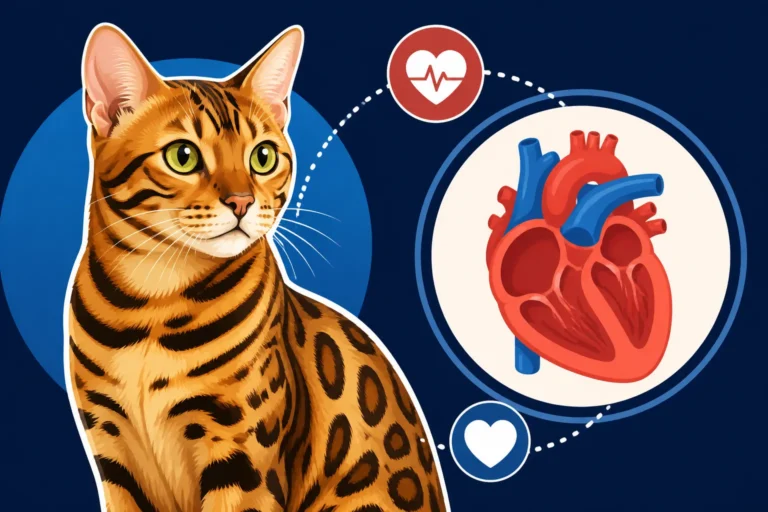
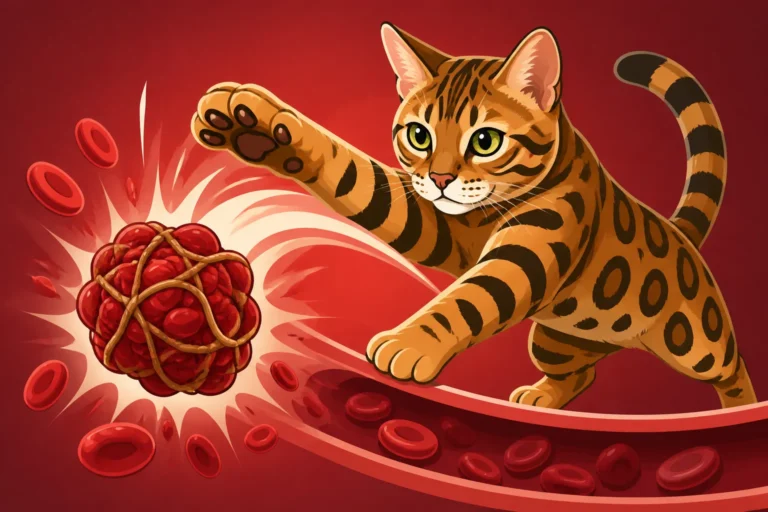
Hypertrophic Cardiomyopathy (HCM) is the most common heart disease in cats. In simple terms, it's a condition where the muscular walls of a cat's heart, particularly the left ventricle, become abnormally thick. This thickening makes it much harder for the heart to pump blood effectively. Think of it like trying to squeeze water through a hose that's becoming narrower and narrower internally – the pressure builds, and eventually, the flow is compromised.
While the heart tries its best to compensate, this thickening can lead to a cascade of problems. It reduces the amount of blood the heart can hold and pump, can cause fluid to back up into the lungs (leading to congestive heart failure), and can even lead to blood clot formation, which is incredibly dangerous. The insidious part of HCM is that it often progresses silently, with very few outward signs until the disease is quite advanced. This is why regular screening, especially in at-risk breeds like Bengals, is so vital. You might not see any symptoms until it's a crisis, which is a terrifying thought for any devoted cat parent. If you're wondering what the physiological changes are, you might find more detail in our article on What HCM Does to a Bengal Cat's Heart.
Why Bengal Cats Are Particularly Susceptible to HCM
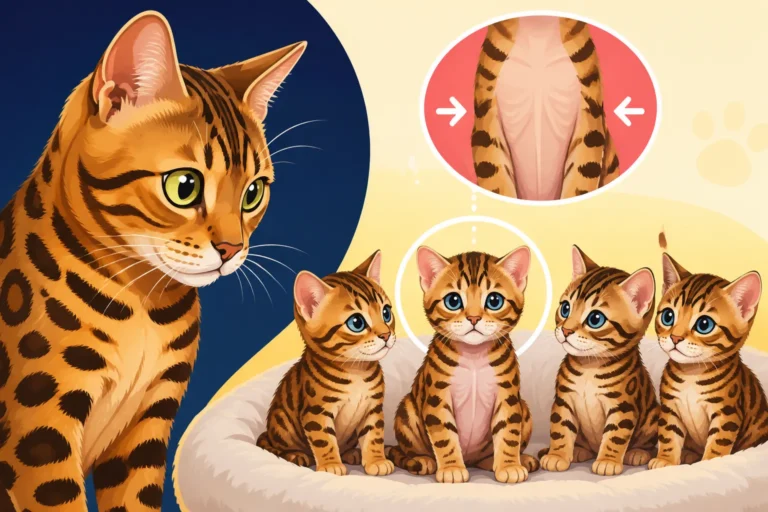
It feels unfair, doesn't it, that our vibrant Bengal cats seem to carry this extra risk? Unfortunately, while HCM can affect any cat breed, it's known to be more prevalent in certain breeds, and the Bengal cat is, regrettably, one of them. Studies and observations within the veterinary and breeding communities consistently show a higher incidence rate in Bengals compared to the general cat population. This susceptibility is believed to be hereditary, meaning it's passed down through generations.
The exact genetic markers are still being researched, unlike some other breeds where a specific gene mutation has been identified. This makes screening even more crucial, as a simple DNA test, for instance, isn't yet available for Bengals. This lack of a genetic test can be a source of frustration for breeders and owners alike, as it means the only reliable way to assess heart health is through regular echocardiograms. It's a stark reminder that while the wild ancestry gives them their stunning looks and athletic prowess, it also brings a need for vigilant health monitoring. Understanding How Common HCM Is in Bengal Cats can help put things into perspective.
The Genetic Mystery of Bengal Cat HCM
It’s true, in some breeds, a simple cheek swab can tell you if your cat carries the gene for HCM. Maine Coons and Ragdolls, for example, have identifiable genetic mutations linked to the disease. But for our Bengal cats, it's a different story. The scientific community has not yet pinpointed a specific gene mutation responsible for HCM in Bengals. This is a huge piece of the "genetic mystery" surrounding their susceptibility.
This means that even if a Bengal cat tests clear for all other known genetic diseases, they could still be at risk for HCM. This is precisely why relying on DNA tests alone for heart health is not an option for this breed. Instead, we have to turn to diagnostic imaging – the echocardiogram – to directly visualize the heart's structure and function. This ongoing research into the genetic underpinnings of Bengal HCM is vital, and hopefully, one day, a gene test will emerge to help breeders make even more informed decisions. For now, we work with the tools we have, and that means echoes are king. More information on this specific challenge can be found in Why There Is No Bengal Cat HCM Gene Test.
When to Schedule That All-Important First Echo
So, you're aware of HCM and you know Bengals are at risk. Now comes the million-dollar question: when do you actually get that first echocardiogram done? This can feel like navigating a minefield of conflicting advice if you’re not careful, but there are clear guidelines from veterinary cardiologists and breed clubs.
The Recommended Age for a Baseline Scan
Generally, the consensus among veterinary cardiologists is that a Bengal cat should have its first baseline echocardiogram between 1 and 2 years of age. For many kittens, this might seem a little late, especially when you're just bringing them home and doing initial vet checks. However, HCM is typically a progressive disease that may not manifest with detectable changes in the heart until early adulthood. Scanning too early, say at 6 months, might give a false sense of security, as subtle thickening could develop later.
Some breeders will actually scan their breeding cats even earlier, sometimes around 9-12 months, especially if there's any family history of HCM or a heart murmur detected. However, for a pet Bengal, waiting until they're a year old ensures their heart has reached its adult size and development, making any changes easier to detect and providing a more accurate baseline. This initial scan is less about diagnosing a problem immediately and more about getting a snapshot of their healthy heart, establishing a benchmark for future comparisons.
Why Early Screening Matters So Much
You might be thinking, "My cat seems perfectly fine, why put them through a vet visit for a test they probably don't need?" I totally get that sentiment. It's easy to want to avoid unnecessary stress or expense. However, early screening for HCM is an act of profound love and responsibility for your Bengal. Because HCM is often "silent" until late stages, waiting for symptoms like labored breathing, lethargy, or collapse means the disease is likely already quite advanced, making treatment much more challenging and the prognosis less favorable.
An early baseline echo allows a veterinary cardiologist to identify even subtle changes in heart structure that might indicate early HCM. Catching it early doesn't mean it can be cured, but it allows for monitoring, potential medical management to slow progression, and proactive planning for your cat's long-term care. It gives you, as an owner, the best chance to manage the disease effectively and maximize your Bengal's quality of life for as long as possible. Plus, for those considering pet insurance, getting a clear baseline echo before any heart issues are detected could be crucial for coverage down the line. Providers like Healthy Paws often have waiting periods and pre-existing condition clauses, so getting ahead of potential issues is smart.
What Happens During an Echocardiogram
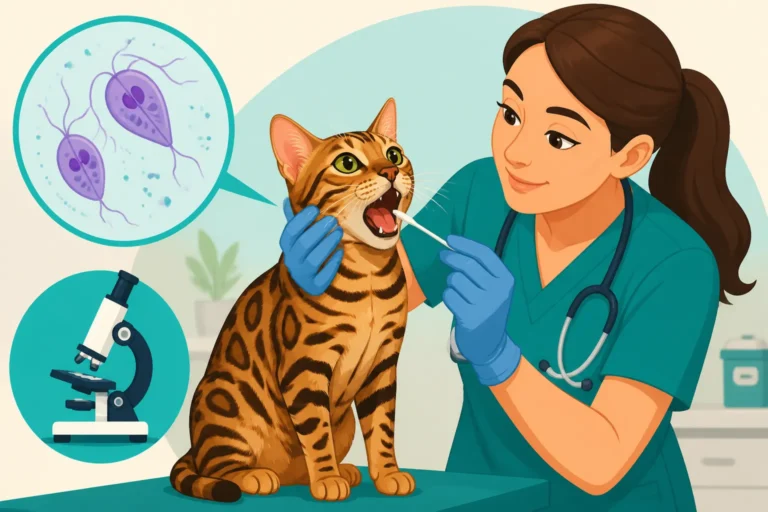
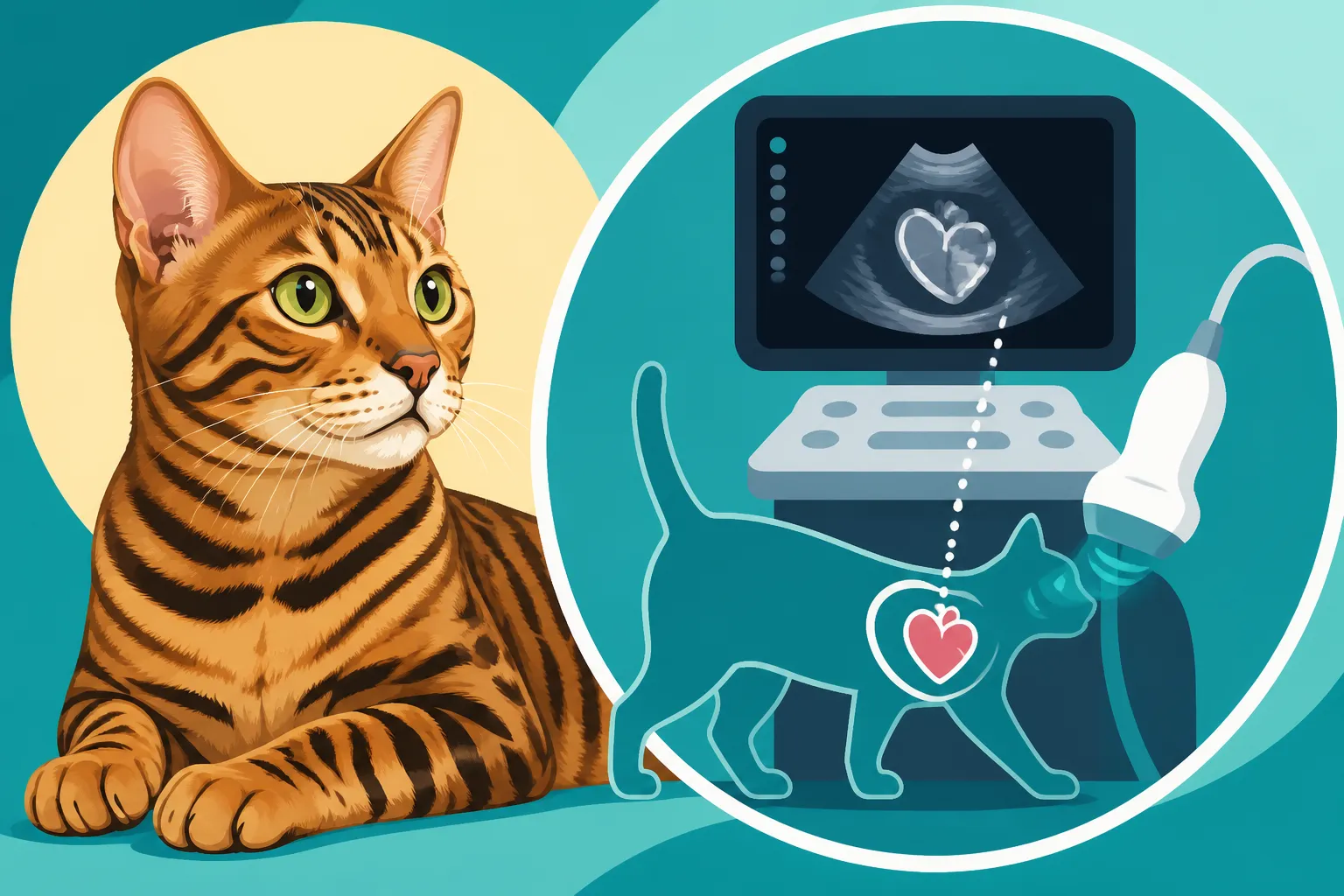
So, what exactly is an echocardiogram? It's essentially an ultrasound of the heart. Your Bengal cat will typically be gently restrained, usually lying on their side with a small patch of fur shaved on their chest to allow for good contact with the ultrasound probe. Sometimes, they might be in a little 'divot' on a special table that lets them stay comfortable while the vet technician or cardiologist works. Most cats tolerate this procedure very well, often with just gentle handling, though some may require mild sedation if they are particularly anxious.
The cardiologist will use a transducer (a small probe) to send sound waves into the chest. These sound waves bounce off the heart's structures, creating real-time images on a monitor. The cardiologist will measure the thickness of the heart muscle walls, assess the size of the heart chambers, evaluate the function of the valves, and look at blood flow. They’ll also check for any fluid accumulation. The entire process usually takes about 20-40 minutes. It's non-invasive and painless, and it provides an incredible amount of information about your cat's heart health. You might be interested in reading How a Bengal Cat's Echo Is Performed for a more detailed step-by-step.
Preparing Your Bengal Cat for Their First Cardiac Check-up
The thought of taking your energetic Bengal cat to the vet for a potentially serious test can be daunting. Bengal cats are smart and active, and they often pick up on our stress. Preparing them, and yourself, properly can make the experience much smoother for everyone involved.
Making the Vet Visit as Stress-Free as Possible
Nobody wants to see their beloved Bengal stressed out, especially for a medical procedure. While an echo is non-invasive, a vet visit itself can be a lot for an active, curious cat. Start by getting them comfortable with their carrier well in advance. Leave it out in a common area, make it comfy with blankets and treats, and let them explore it as a safe space, not just a scary prison. Practicing short car rides can also help.
On the day of the appointment, try to stay calm yourself; cats are masters at reading our emotions. Bring their favorite blanket or toy for comfort. For particularly anxious Bengals, talk to your veterinarian about potential pre-visit calming aids, like Feliway spray for the carrier or a mild oral sedative. Some vets even have cat-friendly examination rooms designed to minimize stress. Making the experience as positive as possible will pay dividends for future visits too. Remember, this isn't just about this one echo, but about establishing a good routine for their lifelong health.
Communicating with Your Veterinarian and Cardiologist
When it comes to specialized care like an echocardiogram, clear communication is absolutely key. Before the appointment, compile any relevant information: your Bengal's exact age, their pedigree (if you have it), any known family history of heart disease, and any subtle behaviors you might have noticed, no matter how insignificant they seem. Even a slight change in play endurance or breathing patterns could be relevant.
During the visit, don't be afraid to ask questions. You're their advocate! Ask about the procedure, what they're looking for, and what different findings might mean. If your vet recommends a specialist, embrace it. A general practitioner can often detect a murmur, but a board-certified veterinary cardiologist has the specialized training and equipment to perform and accurately interpret an echo. They are the experts in feline cardiology and will give you the most precise diagnosis and recommendations. Always ask for a copy of the report and the images for your records.
The Importance of a Board-Certified Veterinary Cardiologist
I can't stress this enough: for an echocardiogram, especially for a breed like the Bengal, you really want a board-certified veterinary cardiologist. While your regular vet is fantastic for general health, a cardiologist has dedicated years to advanced training specifically in heart disease. They know the subtle nuances to look for in feline hearts, the specific measurements that indicate issues, and they have the most advanced ultrasound equipment optimized for cardiac imaging.
It's tempting to go with whoever is most convenient or cheapest, but an inaccurate or incomplete echo could miss early signs of HCM or lead to unnecessary worry. Investing in a specialist ensures you get the most accurate diagnosis possible, which is invaluable for making informed decisions about your Bengal's health. Think of it this way: if you had a complex heart issue, you'd want to see a human cardiologist, right? The same principle applies to your precious Bengal. These specialists are crucial for providing the best standard of care.
Interpreting the Results: What a Clear Echo Really Means
So, your Bengal has had their first echo, and you're anxiously awaiting the results. This part can be a whirlwind of emotions and new terminology. It’s important to understand what a "clear" result truly means and why it's not a one-and-done situation.
Understanding "Normal" and "Borderline" Findings
When the cardiologist gives you the results, they’ll typically classify the findings. A "normal" result is, of course, what everyone hopes for. It means that, at the time of the scan, your Bengal's heart appeared structurally and functionally healthy, with no signs of HCM. This is wonderful news and provides immense peace of mind! However, it's essential to remember that "normal" doesn't mean "never will develop HCM." It simply means they are clear right now.
Sometimes, a cardiologist might identify "borderline" findings. This can be a tricky and stressful category. It means there are very subtle changes, perhaps a slight thickening that isn't definitively HCM yet, or measurements that are at the very upper end of normal. In these cases, the cardiologist won't immediately diagnose HCM but will recommend a follow-up scan, often within 6-12 months, to monitor for progression. This is where patience and diligent follow-up become vital. It's not a definitive diagnosis, but it flags your cat for closer observation.
The Ongoing Need for Regular Re-screening
Here's the tough love part: a clear echo at one year of age is fantastic, but it's not a lifetime pass. Because HCM can develop and progress over time, especially in genetically predisposed breeds like Bengals, regular re-screening is crucial. The typical recommendation for breeding Bengal cats is an annual echo until at least age five or seven, and often every 1-2 years thereafter. For pet Bengals, a similar schedule is often advised, though some vets might suggest every 2-3 years after a few clear annual scans, depending on risk factors and family history.
Think of it like getting your own annual physical or mammogram; it's a proactive step to catch issues early. These follow-up scans allow the cardiologist to compare new images and measurements against your Bengal's baseline, identifying any subtle changes that might indicate the onset or progression of HCM. This vigilance is your best tool for keeping your Bengal cat's heart healthy for as long as possible. You can learn more about this in our post How Often a Bengal Cat Needs an Echo.
Financial Considerations and Pet Insurance
Let's be real, specialized veterinary care, like an echocardiogram, isn't cheap. The cost can vary significantly depending on your location, the specific veterinary cardiology practice, and whether sedation is required. Typically, you can expect an echo to range from $300 to $700, sometimes more. This can be a significant upfront cost for any pet owner, and it's a frustration many face when trying to do the best for their animal.
This is where planning, and potentially pet insurance, comes into play. If you're considering a Bengal cat, or already have one, it's wise to budget for these periodic health screenings. Pet insurance can be a lifesaver for unexpected vet bills, and many policies, like those from Healthy Paws, will cover diagnostic tests like echocardiograms if a heart condition isn't a pre-existing condition. However, always check the policy details carefully. Some plans might have waiting periods for certain conditions, or exclude hereditary issues if they're detected before coverage starts. This makes getting that first echo before any symptoms or diagnoses appear even more financially prudent. Understanding What a Bengal Cat's Echo Costs and Whether Insurance Pays for a Bengal Cat's Echo are excellent resources to help you prepare.
| Age of Bengal Cat | Recommended Echo Frequency (Pet Cats) | Recommended Echo Frequency (Breeding Cats) |
|---|---|---|
| < 12 months | Only if murmur/symptoms present | Optional: 9-12 months (pre-breeding) |
| 12-24 months | First Baseline Echo | First Baseline Echo |
| 2-5 years | Every 1-3 years (based on risk) | Annually |
| 5-7 years | Every 2-3 years (based on risk) | Annually |
| 7+ years | Every 2-3 years or as advised | Every 1-2 years or as advised |
Note: These are general guidelines. Always consult with your veterinarian and a board-certified veterinary cardiologist for specific recommendations for your individual Bengal cat.
Living with an HCM Diagnosis: Next Steps and Support
While we all hope for clear results, sometimes the echo reveals that our worst fears are realized. Receiving an HCM diagnosis for your Bengal cat is incredibly tough news, and it's perfectly normal to feel overwhelmed, sad, and even angry. But it's not the end; it's the beginning of a new phase of care.
Medical Management and Lifestyle Adjustments
If your Bengal cat is diagnosed with HCM, your cardiologist will work closely with you to develop a treatment plan. It's important to understand that there is no cure for HCM, but medical management aims to slow the progression of the disease, alleviate symptoms, and improve your cat's quality of life. This often involves various medications, such as beta-blockers to help the heart beat more efficiently, ACE inhibitors to reduce blood pressure, or diuretics if fluid accumulation is a concern. Blood thinners may also be prescribed to reduce the risk of clot formation, which is a serious complication of HCM.
Beyond medication, lifestyle adjustments will be important. This doesn't mean your energetic Bengal suddenly has to become a couch potato, but you might need to monitor their activity levels, especially in advanced stages. Ensuring a low-stress environment is key, as stress can impact heart health. Regular weigh-ins at home can help you monitor for fluid retention. You will also need to be vigilant for any changes in breathing or energy levels, reporting them to your vet immediately. It's a journey, and your veterinary team will be your partners every step of the way. Our article Which Medication a Bengal Cat With HCM Takes provides more insight.
The Role of a Support System for Owners
An HCM diagnosis doesn't just affect your cat; it profoundly affects you, the owner. You'll be managing medications, monitoring symptoms, and facing the emotional weight of a chronic illness. It's okay to seek support! Talk to your trusted friends and family, and consider joining online communities or local groups for owners of cats with HCM. Sharing experiences, asking questions, and simply knowing you're not alone can be incredibly therapeutic.
Your veterinary team is also a crucial part of your support system. Don't hesitate to call them with questions or concerns, no matter how small they seem. They understand the challenges you're facing. Some owners even find it helpful to look into pet grief counseling services, which can offer invaluable emotional support when navigating the difficulties of their cat's health journey. Remember, taking care of yourself allows you to better care for your beloved Bengal.
Breeding Implications and Ethical Considerations
For Bengal cat breeders, an HCM diagnosis carries significant ethical and practical implications. A cat diagnosed with HCM, even in its early stages, should absolutely be removed from any breeding program. Breeding an affected cat runs the risk of passing the genetic predisposition for HCM to future generations, perpetuating a heartbreaking and preventable disease. This is a non-negotiable standard within responsible breeding practices.
Even "borderline" cats, or those with a strong family history of HCM, should be approached with extreme caution in breeding programs. Responsible breeders are diligent about routine echocardiograms for all their breeding stock, meticulously tracking health outcomes across their lines. They understand that while a beautiful coat or charming personality is desirable, health must always come first. They aim to breed for robust health and longevity, and part of that commitment involves removing any cat with a known risk for hereditary diseases like HCM from their breeding pool. If you're buying a Bengal cat, it's vital to inquire about the parents' echo results, as outlined in Whether a Bengal Cat Breeder Shows Echo Results.
Disclaimer
The information provided in this article is for general informational purposes only and is not a substitute for professional veterinary advice, diagnosis, or treatment. Always seek the advice of your veterinarian or other qualified animal health provider with any questions you may have regarding a medical condition or the health and welfare of your pet. Never disregard professional veterinary advice or delay in seeking it because of something you have read in this article.