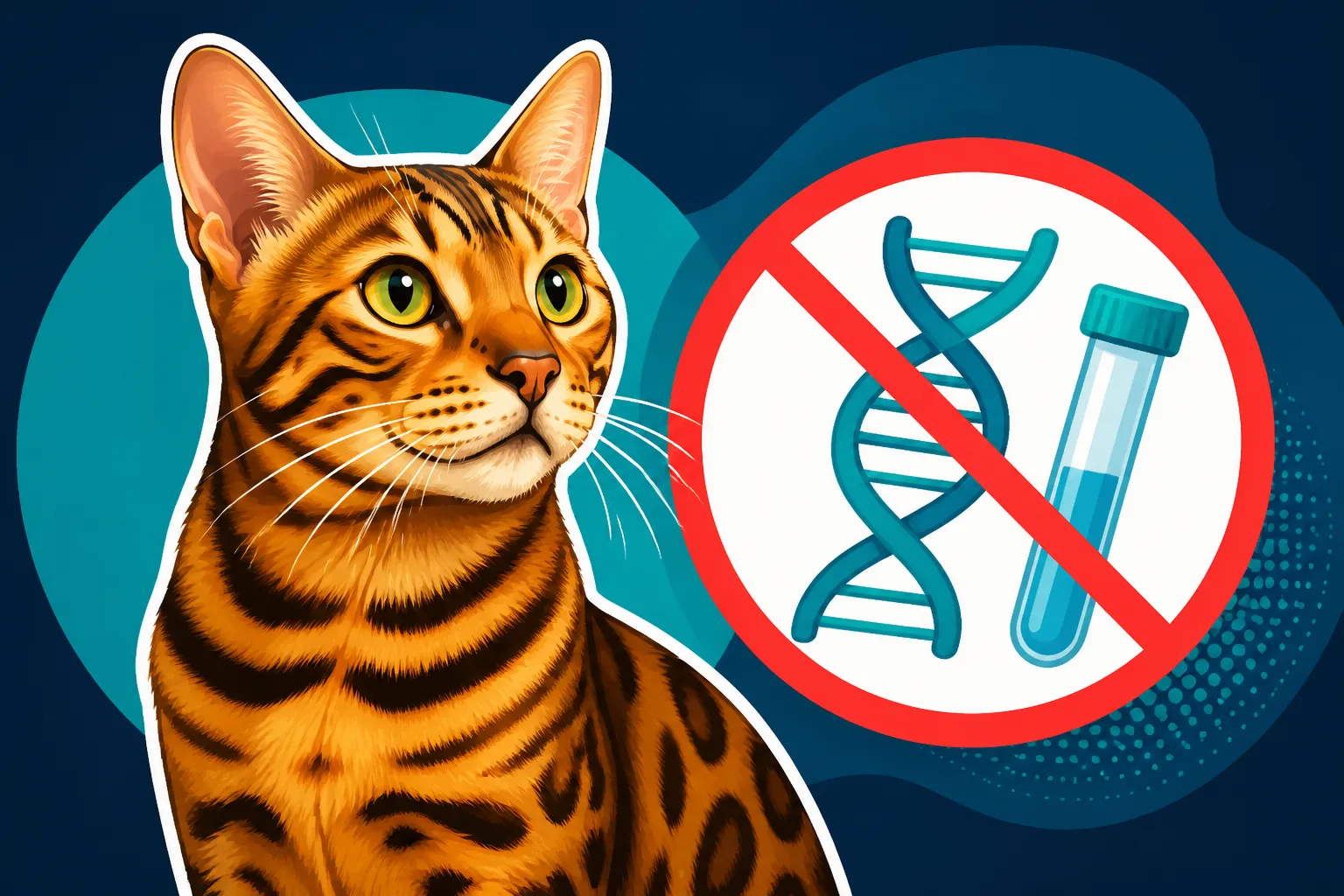
Why There Is No Bengal Cat HCM Gene Test
It's incredibly frustrating when you're doing everything right to care for your beloved Bengal cat, learning about all the health issues that can pop up, only to find there isn't a simple, definitive genetic test for something as serious as Hypertrophic Cardiomyopathy (HCM). We all wish for that easy swab or blood test to tell us definitively if our cats are at risk or clear. This guide will walk you through why a gene test for Bengal cat HCM is currently unavailable, what this means for screening and breeding, and most importantly, what you can do to protect your spotted companion.
Understanding Hypertrophic Cardiomyopathy HCM in Cats
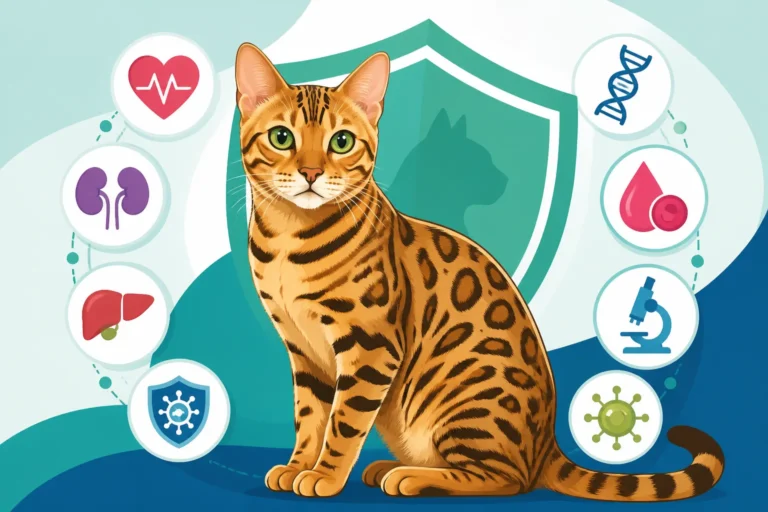
Hypertrophic Cardiomyopathy (HCM) is a silent and often devastating disease, and it's something many Bengal cat owners dread hearing about. It's the most common heart condition found in felines, and unfortunately, Bengals are one of the breeds that are genetically predisposed to it, much like Maine Coons and Ragdolls. While there's no specific gene test for Bengal cats, understanding what HCM is and how it affects them is the first step in managing the risk.
What HCM Actually Is
At its core, HCM is characterized by the thickening of the muscular walls of the heart, particularly the left ventricle. Imagine the heart as a powerful pump; when the walls of that pump become too thick, the internal chamber that holds the blood gets smaller. This thickening means the heart can't relax and fill with blood as effectively as it should, leading to a condition known as diastolic dysfunction. It's not about the heart struggling to pump (systolic function), but rather struggling to fill.
This reduced filling capacity leads to a backup of pressure in the heart's atria and, eventually, into the lungs. This is where you start to see the signs of congestive heart failure, as fluid builds up in and around the lungs, making breathing incredibly difficult. Furthermore, the turbulent blood flow caused by the thickened walls can create clots, which can then travel through the bloodstream and cause serious issues like saddle thrombus, where a clot lodges at the base of the hind legs, leading to sudden paralysis. It’s a truly frightening progression that every cat owner hopes to avoid. To learn more about the specifics of this condition, you can explore What HCM Does to a Bengal Cat's Heart.
How HCM Affects Bengal Cats Specifically
Bengal cats are celebrated for their energy, athleticism, and striking wild looks, but this breed, unfortunately, carries a predisposition to HCM. While it can affect any cat, some breeds, including Bengals, have a higher incidence. The frustrating thing about HCM in Bengals is its unpredictable nature; it can manifest at almost any age. Some kittens might show signs very early, while others might not develop symptoms until they are middle-aged or even senior cats. This wide age range makes a one-time genetic screening even more challenging.
The insidious nature of HCM is that it's often a silent disease in its early stages. Your vibrant, playful Bengal might have significant heart changes without showing any outward signs of illness. Cats are masters at hiding pain and weakness, a trait that stems from their wild ancestry, making early detection difficult without proactive screening. By the time noticeable symptoms like lethargy, difficulty breathing, or a change in activity level appear, the disease is often quite advanced. This is why regular monitoring and understanding the breed's vulnerabilities are so critical.
The Elusive Gene: Why a Test is So Difficult
It's natural to wonder, "If other breeds have a gene test, why not the Bengal?" The answer lies deep within the complexities of feline genetics and the sheer amount of work required to pinpoint the exact mutations responsible. The absence of a simple gene test isn't for lack of trying or scientific interest; it's a testament to the intricate nature of this particular disease in our beloved Bengals.
The Complexity of Feline Genetics
The world of genetics is far more complex than many realize, and HCM is a prime example of this intricate dance. For some genetic conditions, a single mutation in a single gene is responsible. Think of it like a typo in a very long instruction manual: if you find that one specific typo, you know the problem. This is the case for conditions like Which Gene Causes PRA-b in a Bengal Cat, or even understanding Which Enzyme PK Deficiency Removes From a Bengal Cat. In these instances, a DNA test can be developed to specifically look for that one faulty gene.
However, HCM is often polygenic. This means it's not caused by a single "typo" but by a combination of multiple genes, each contributing a small part to the overall risk. Furthermore, environmental factors can also play a role, influencing how these genetic predispositions express themselves. Imagine trying to find a problem in a massive instruction manual when there are a dozen subtle errors scattered throughout, and some of them only cause issues when you're working in a humid environment. This makes identifying a single, definitive genetic marker for all Bengal cats an incredibly challenging task, requiring vast computational power and biological insights.
Breed-Specific Mutations vs. Universal Tests
When you hear about an HCM gene test for cats, it's almost always referring to a specific mutation identified in a particular breed. The most well-known examples are the Maine Coon and the Ragdoll. Researchers painstakingly identified specific genetic mutations that are highly correlated with HCM in those breeds. These tests are incredibly valuable for breeders and owners of Maine Coons and Ragdolls, as they provide a clear genetic status (clear, carrier, or affected) and allow for informed breeding decisions.
However, these tests are not universal. A Bengal cat is genetically distinct from a Maine Coon, and the specific mutations causing HCM in a Maine Coon are simply not present or relevant in a Bengal cat. This is why if you were to run a Maine Coon HCM gene test on your Bengal, it would invariably come back "clear" – not because your Bengal is free of HCM, but because it doesn't carry the Maine Coon-specific mutation. For further understanding of this, you might look into Why the Maine Coon HCM Test Does Not Work on a Bengal Cat. The Bengal cat's unique genetic lineage means that its HCM, if genetically driven, is likely due to entirely different mutations that have yet to be discovered.
The Cost and Effort of Genetic Research
Identifying the specific genetic markers for a complex disease like HCM in a breed like the Bengal cat is an enormous undertaking. It requires significant funding, advanced scientific expertise, and years of dedicated research. Scientists need to collect DNA samples from hundreds, if not thousands, of Bengal cats – both those affected by HCM and those proven to be clear through multiple echocardiograms over their lifespan.
Once samples are collected, the DNA must be sequenced, and then sophisticated bioinformatics tools are used to compare the genomes of affected and unaffected cats. They're looking for common genetic variations or mutations that consistently appear in cats with HCM but are absent in clear cats. This process is time-consuming, expensive, and often yields frustratingly few clear answers due to the polygenic nature of the disease. There are many avenues of research, but pinpointing a single, causative gene, or even a handful, remains a monumental challenge that requires continuous effort from the scientific community.
The Current Gold Standard: Echocardiograms
Given the lack of a reliable gene test, the veterinary community and responsible Bengal cat breeders rely on another powerful tool: the echocardiogram. This non-invasive diagnostic procedure is currently the absolute best way to screen for HCM in Bengal cats, allowing veterinarians to directly visualize the heart and assess its structure and function.
What an Echocardiogram Reveals
An echocardiogram, often simply called an "echo," is essentially an ultrasound of the heart. It provides real-time images of the heart's chambers, valves, and surrounding structures. During the procedure, a trained veterinary cardiologist uses a transducer (a small probe) on the cat's chest, which sends out sound waves that bounce off the heart and create detailed images. Your cat will typically be awake and gently restrained for this, though some anxious Bengals might require a mild sedative to ensure clear images.
What exactly are they looking for? The cardiologist meticulously measures the thickness of the left ventricular walls and septum, assesses the size of the heart chambers, and evaluates how well the valves are functioning. They also observe blood flow dynamics within the heart using Doppler technology. These measurements and observations allow them to detect the characteristic thickening of the heart muscle that defines HCM, even in its early stages before any outward symptoms appear. This direct visualization of the heart's physical state is invaluable, as it shows the actual manifestation of the disease, regardless of its underlying genetic cause. For a deeper dive into the procedure, you can read How a Bengal Cat's Echo Is Performed.
Why Regular Screening is Crucial for Bengal Cats
Since HCM can develop at any age and often progresses silently, regular echocardiogram screenings are absolutely critical for Bengal cats, especially those involved in breeding programs. For breeding animals, annual screening by a board-certified veterinary cardiologist is the gold standard. This allows breeders to identify affected cats early, remove them from breeding, and prevent the spread of the disease to future generations. Even for pet Bengals, an initial screening around one to two years of age is often recommended, followed by periodic re-checks as advised by your vet or cardiologist.
Imagine catching a problem when it's just beginning, allowing for proactive management, rather than waiting until it's an emergency. This is the power of regular screening. Yes, these specialized cardiac scans come with a cost, typically ranging from a few hundred dollars. This expense can add up over a cat's lifetime, but it's a vital investment in their health. This is where pet insurance, like Healthy Paws, can be incredibly beneficial. A good policy from a provider like Healthy Paws can help cover the costs of these essential diagnostic tests, making it easier for owners to commit to the recommended screening schedule without financial strain. You can find more information about recommended screening intervals in How Often a Bengal Cat Needs an Echo.
Interpreting Echo Results and Breeder Responsibilities
When a Bengal cat receives an echocardiogram, the results are typically categorized. A "clear" result means no evidence of HCM was found at the time of the scan. However, it's crucial to understand that a clear echo is a snapshot in time; it doesn't guarantee the cat will never develop HCM later in life. It simply means they are clear right now. This is why ongoing, regular screening is so important, particularly for breeding cats who contribute to the genetic pool.
Reputable Bengal breeders take this responsibility very seriously. They will not only screen their breeding cats annually but will also be transparent with the results. They should readily provide copies of current, clear echocardiogram reports, often performed by board-certified veterinary cardiologists, for both parents of a kitten. These records should include the cardiologist's signature and the date of the scan. If a breeder is unwilling or unable to provide these crucial health documents, it's a significant red flag. This commitment to regular, transparent screening is a cornerstone of responsible breeding practices and demonstrates their dedication to the health of the breed. For potential owners, knowing Whether a Bengal Cat Breeder Shows Echo Results is a key question to ask.
| Screening Method | Pros | Cons | Application in Bengal Cats |
|---|---|---|---|
| Gene Test | Simple cheek swab | Not available for Bengal HCM | Not applicable |
| Definitive clear/carrier/affected status | Maine Coon/Ragdoll tests don't work for Bengals | ||
| Echocardiogram | Directly visualizes heart structure | Requires trained cardiologist, sedation sometimes needed | Gold Standard |
| Detects HCM even before symptoms | Results are a snapshot in time, needs annual repetition for breeders | ||
| Physical Exam | Inexpensive, routine | Only detects advanced stages, heart murmurs not always HCM | Initial assessment only |
| Blood Test | Simple blood draw (e.g., proBNP) | Indicates stress on heart, not definitive diagnosis, not specific to HCM | Screening aid, not diagnostic |
Signs, Symptoms, and Management Without a Gene Test
Living with a Bengal cat, you want to ensure they live a long, healthy, and vibrant life. The lack of an HCM gene test doesn't mean we're powerless; it simply means we need to be extra vigilant and proactive in monitoring our cats' health and working closely with our veterinarians. Understanding the subtle clues and knowing how to manage a diagnosis are crucial for any Bengal owner.
Subtle Clues and Late-Stage Symptoms
One of the most heartbreaking aspects of HCM is its tendency to hide in plain sight during its early stages. Your Bengal cat, with its innate athletic prowess and playful nature, might initially show no signs whatsoever. This "silent phase" can last for months or even years. However, as the disease progresses, some subtle changes might emerge that, if you're observant, could prompt an earlier vet visit. These can include a slight decrease in energy, less enthusiasm for play, increased sleeping, or perhaps a more reclusive demeanor. You might notice they tire more quickly after a vigorous play session or aren't jumping as high as they used to. These are often dismissed as normal aging or personality quirks, but for a Bengal, they warrant attention.
When HCM advances to congestive heart failure, the symptoms become much more severe and alarming. You might notice your cat breathing more rapidly than usual, especially when resting or sleeping. Open-mouthed breathing, similar to a dog panting, is a medical emergency and requires immediate veterinary attention. Coughing, though less common in cats with heart disease than in dogs, can also occur. The most devastating and acute symptom, however, is often hind leg paralysis, known as a saddle thrombus. This happens when a blood clot forms in the heart and travels down to block the arterial blood supply to the hind legs, causing sudden, extreme pain and inability to use the legs. Recognizing these signs, particularly early ones, is vital for your cat's well-being. For a more comprehensive list of things to watch out for, check out Signs a Bengal Cat Has Heart Disease.
Living with an HCM Diagnosis
Receiving an HCM diagnosis for your Bengal can feel devastating, but it's important to remember that it's not an immediate death sentence. Many cats with HCM can live comfortably for years with proper management, especially if the disease is caught early. The goal of treatment is not to cure HCM (as there's currently no cure), but to manage its symptoms, slow its progression, and significantly improve your cat's quality of life.
Treatment typically involves a combination of medications prescribed by your veterinary cardiologist. These can include beta-blockers or calcium channel blockers to help the heart relax and improve its filling, ACE inhibitors to reduce fluid retention and blood pressure, and diuretics if fluid is building up in the lungs. For cats at risk of blood clots, anti-clotting medications like clopidogrel (Plavix) are often prescribed. Regular monitoring at home, including counting your cat's resting respiratory rate, is crucial, and routine follow-up visits with the cardiologist are essential to adjust medication as needed. Managing a chronic condition like HCM involves ongoing veterinary care, which can be expensive, highlighting another area where pet insurance from a reliable provider like Healthy Paws can offer significant financial relief and peace of mind. Learning about Which Medication a Bengal Cat With HCM Takes can help you understand the treatment journey.
The Ethical Dilemma for Breeders
The absence of an HCM gene test presents a profound ethical challenge for Bengal cat breeders. Without a clear genetic marker, breeders must rely solely on regular echocardiogram screening of their breeding cats and a thorough understanding of their pedigrees. If a breeding cat, despite multiple clear echoes, eventually develops HCM, or if it produces offspring that later develop the disease, responsible breeders face a difficult decision.
The ethical standard in the Bengal cat community dictates that any cat diagnosed with HCM should be immediately removed from the breeding program. Furthermore, close relatives (parents, siblings, and offspring) of affected cats should also be carefully evaluated and often retired from breeding, even if they have had clear echoes themselves. This is because, even without an identified gene, the hereditary nature of HCM is widely recognized. This commitment to removing affected lines, though financially and emotionally challenging for breeders, is essential for reducing the prevalence of HCM in the breed. It underlines the importance of transparency and collaboration among breeders to share health information and collectively strive for healthier Bengal cats. For more on this difficult decision, see Whether an Affected Bengal Cat Should Be Bred. This diligent approach, alongside other essential screenings, forms the backbone of What a Bengal Cat Breeder Should Have Tested.
The Future of HCM Research for Bengal Cats
While the current situation might feel discouraging due to the lack of a specific gene test, it's important to remember that scientific research is constantly advancing. The veterinary community is keenly aware of the impact of HCM on breeds like the Bengal cat, and efforts are ongoing to unravel the genetic mysteries behind this complex disease.
Ongoing Research Efforts
Scientists and veterinary researchers around the world are continuously working to better understand HCM across all feline breeds. This involves large-scale genetic studies, often conducted by major university veterinary programs, where they collect DNA samples from a wide array of cats. They’re meticulously comparing the genetic makeup of healthy cats with those diagnosed with HCM, looking for patterns, shared mutations, or specific gene regions that might contribute to the disease. These studies are immensely complex, often involving advanced genomic sequencing and sophisticated statistical analysis.
The goal isn't just to find a single "HCM gene" but to identify multiple genetic markers or even complex polygenic risk factors that collectively increase a cat's susceptibility. This work requires significant collaboration between different research institutions and relies heavily on the willingness of breeders and owners to submit samples and share detailed health histories of their cats. Every piece of information, even from seemingly unaffected lines, contributes to the larger puzzle.
The Hope for a Bengal-Specific Gene Test
The ultimate hope for Bengal cat owners and breeders is, of course, the development of a reliable, Bengal-specific gene test for HCM. Imagine a day when a simple cheek swab could tell you if your kitten carries the genes that predispose it to this condition, allowing for informed breeding decisions and proactive health planning from day one. Such a test would be a game-changer, removing much of the guesswork and anxiety currently associated with managing HCM risk.
Identifying a specific mutation, or even a set of mutations, unique to the Bengal cat would not only provide a powerful screening tool but could also open doors for new research into therapeutic interventions. If we understand the genetic pathways involved, we might be able to develop more targeted treatments in the future. While this vision is still a future goal, the dedication of researchers gives us reason to remain optimistic.
What Owners and Breeders Can Do Now
Even without a definitive gene test, there's a great deal that both Bengal cat owners and breeders can do to support the health of the breed and their individual cats. For owners, the most important steps include choosing a reputable breeder who prioritizes health screening, ensures that parents are screened, and openly shares health records. Beyond that, maintaining regular veterinary check-ups for your Bengal and being observant of any subtle changes in their activity level, appetite, or breathing is paramount.
For breeders, continued commitment to annual echocardiogram screening by board-certified cardiologists is absolutely non-negotiable. Transparency within the breeding community, sharing anonymized health data, and being willing to participate in ongoing research studies by submitting DNA samples from both affected and clear cats can accelerate the discovery of genetic markers. Supporting research efforts financially, even through small donations to feline cardiology foundations, also contributes significantly. By actively participating in these efforts, we can collectively work towards a future where HCM is better understood and ultimately, better controlled in our cherished Bengal cats. Being proactive about your cat's health can also ease your mind, and knowing that you're prepared for unexpected health challenges with something like Healthy Paws pet insurance can make a big difference in ensuring your Bengal gets the best possible care when they need it most.
Disclaimer
As a responsible content creator in the Bengal cat community, I must remind readers that I am not a veterinarian or a certified animal health professional. The information provided in this article is for educational and informational purposes only and should not be considered a substitute for professional veterinary advice, diagnosis, or treatment. Always seek the advice of your veterinarian or other qualified animal health provider with any questions you may have regarding a medical condition or the health and welfare of your pet.