How a Vet Tests a Bengal Cat for Tritrichomonas
Few things are as disheartening for a Bengal cat owner as the endless cycle of chronic diarrhea. You’ve changed diets, tried various supplements, and made countless trips to the vet, only for the messy problem to return with frustrating regularity. It’s a situation many Bengal parents find themselves in, especially when dealing with a persistent and elusive foe like Tritrichomonas foetus. This guide will walk you through exactly how veterinarians approach testing for this particular parasite, offering clarity on the process and what to expect.
Understanding Tritrichomonas Foetus and Its Impact on Bengal Cats
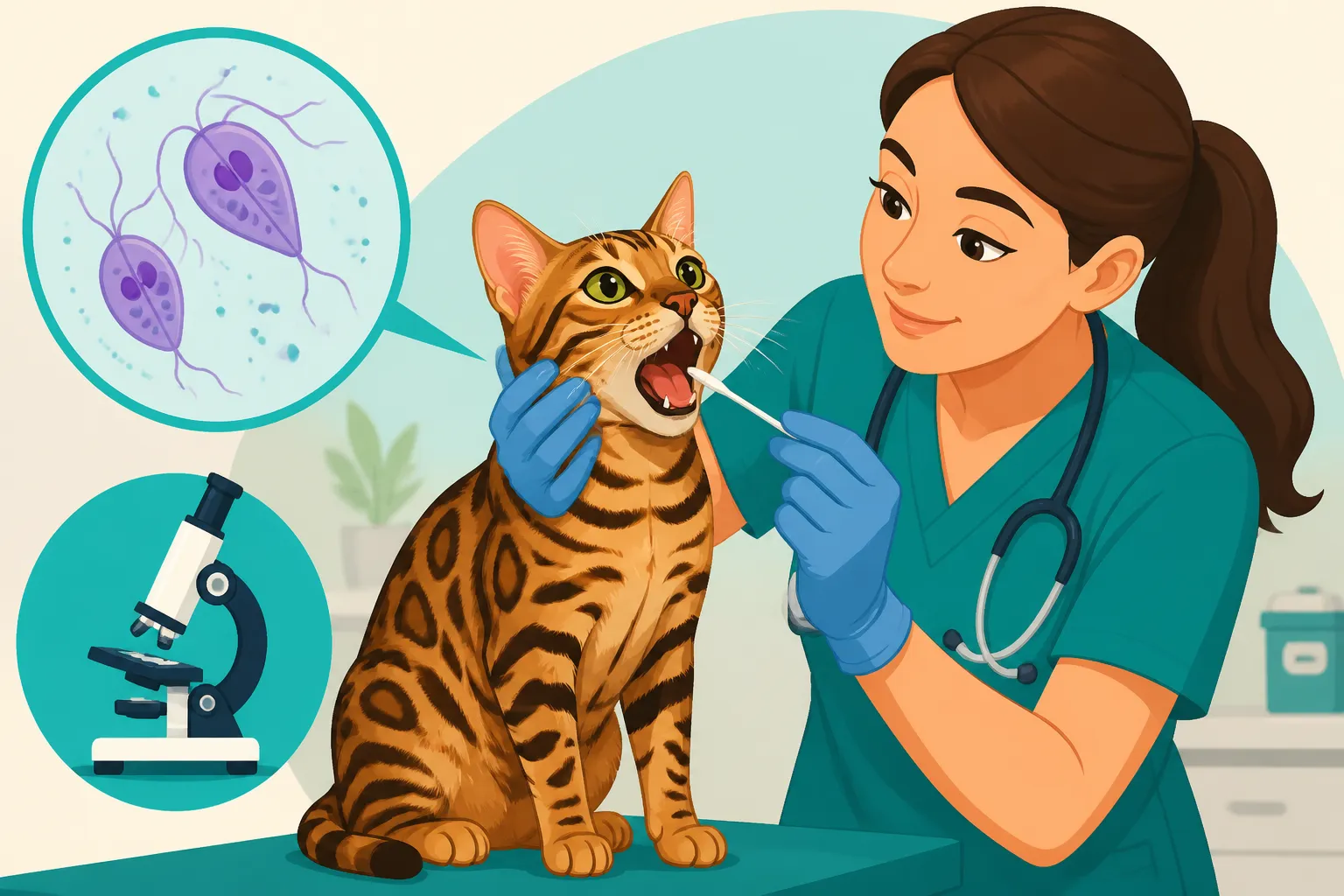
Before we dive into the nitty-gritty of testing, it’s crucial to understand what Tritrichomonas foetus actually is and why it's such a common, yet often overlooked, culprit behind those persistent loose stools in our beloved Bengals. Imagine a microscopic, pear-shaped organism, propelled by tiny whip-like flagella, setting up shop in your cat’s large intestine. That’s Tritrichomonas foetus, or T. foetus for short. It's a protozoan parasite, not a worm or a bacteria, and it thrives in the feline gut.
One of the biggest frustrations with T. foetus is its prevalence in multi-cat environments, like catteries or rescue centers, and how easily it spreads. Kittens are especially vulnerable, often exhibiting symptoms shortly after weaning. They might come home to you with seemingly mild tummy troubles that quickly escalate. While other cats can carry it, Bengal cats seem particularly susceptible, or perhaps their active metabolisms and sensitive digestive systems make the symptoms more pronounced. Owners often report that Why a Bengal Cat Gets Chronic Diarrhea is a major concern for the breed, and T. foetus is definitely a leading contender for that designation.
The symptoms are pretty standard for gut upset: chronic, foul-smelling diarrhea that can vary in consistency from soft to watery. You might notice mucus or even flecks of fresh blood in the stool. Sometimes, the diarrhea waxes and wanes, giving you false hope that it's clearing up, only for it to return with a vengeance. Despite the persistent loose stools, many Bengal cats remain bright, alert, and maintain a good appetite, which can sometimes mislead owners and vets into thinking it's not a severe issue, or that it's simply a sensitive stomach. This makes proper diagnosis even more critical, as simply waiting for them to "grow out of it" isn't an option with this parasite.
Initial Steps and Ruling Out Common Suspects
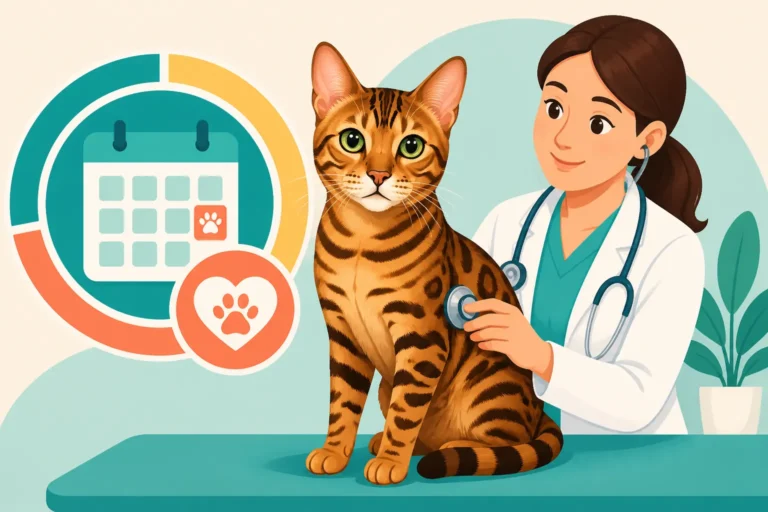
When you first bring your Bengal cat to the vet for chronic diarrhea, the diagnostic journey usually begins with a thorough history and physical examination. Your vet will ask you a barrage of questions about the onset of symptoms, the frequency and consistency of the stools, any changes in diet, appetite, or behavior, and if there are other pets in the household. This detailed information is vital for narrowing down the possibilities.
During the physical exam, your vet will check your Bengal’s hydration levels, body condition (ensuring they’re not losing too much weight), and palpate their abdomen for any signs of discomfort or abnormalities. They'll also typically recommend a standard fecal examination to rule out the more common parasitic culprits. This usually involves a fecal flotation test, which helps detect roundworms, hookworms, whipworms, and even other protozoa like coccidia and Giardia. It's an important first step because these parasites are more common and often easier to treat. In some cases, your vet might also run a fecal ELISA test to specifically check for Giardia antigens, as How a Bengal Cat's Giardia Is Treated is quite different from T. foetus.
It's common for these initial tests to come back negative, even if your Bengal has parasites. This is especially true with T. foetus because it sheds intermittently, and its delicate nature means it can be missed in standard preparation. This can be incredibly frustrating for pet parents who are still dealing with a mess and no clear answer. Don't lose heart; it just means it's time to dig a little deeper.
Specialized Diagnostic Tests for Tritrichomonas Foetus
Once common parasites have been ruled out, or if the clinical signs are highly suspicious for T. foetus, your veterinarian will move on to more specialized diagnostic methods. These tests are designed to specifically identify this tricky protozoan, which requires particular handling and expertise due to its unique characteristics.
Direct Fecal Smear and Microscopy
One of the first specialized tests a vet might attempt is a direct fecal smear. This method involves taking a tiny, fresh sample of your Bengal's stool – and we're talking fresh, ideally collected within minutes of defecation – and mixing it with a drop of saline on a microscope slide. The vet then examines this under a high-powered microscope.
The goal here is to observe the live, motile T. foetus organisms. They have a characteristic jerky, rolling movement that distinguishes them from other flagellates like Giardia, which tend to have a more "falling leaf" motion. The advantage of a direct smear is that it’s quick and relatively inexpensive. However, it comes with significant limitations. T. foetus organisms are fragile and die off quickly once exposed to air and cooling, making them difficult to spot. Their shedding can also be intermittent, so you might just get unlucky with the sample provided. It’s truly like trying to find a wiggling needle in a haystack, and if the vet isn’t experienced in identifying these specific protozoa, they can easily be missed. This method is considered to have low sensitivity for T. foetus, meaning a negative result certainly doesn't rule out infection.
Fecal Culture Using InPouch™ TF System
To overcome the low sensitivity of direct smears, many veterinarians turn to fecal culture, specifically using a system like the InPouch™ TF culture system. This method is a significant step up in reliability and is often the next logical step if direct smears are inconclusive but suspicion for T. foetus remains high.
For this test, a fresh fecal sample is collected and inoculated into a specialized culture medium within a sealed pouch. This medium is designed to selectively grow Tritrichomonas foetus while inhibiting the growth of most bacteria and fungi. The pouch is then incubated at body temperature (around 98.6°F or 37°C) for several days. Periodically, the vet or a veterinary technician will examine a drop of the culture medium under the microscope, looking for the characteristic movement of T. foetus.
The beauty of the InPouch™ system is that it provides a more favorable environment for the organisms to multiply, increasing the chances of detection. It also allows for examination over several days, typically up to 12 days, which can catch intermittent shedding. While it's more sensitive than a direct smear, it still relies on the organisms being alive and culturable. False negatives can occur if the sample isn't fresh enough, if the pouch is handled incorrectly, or if the number of organisms in the initial sample is extremely low. However, it's a very valuable tool for many practices before resorting to the most sensitive option.
PCR (Polymerase Chain Reaction) Testing
When it comes to definitive diagnosis, PCR (Polymerase Chain Reaction) testing is widely considered the gold standard for identifying Tritrichomonas foetus in Bengal cats. This sophisticated molecular test doesn't look for live organisms; instead, it detects the specific DNA of the parasite within the fecal sample.
To perform a PCR test, a fresh fecal sample (often a pea-sized amount is sufficient) is collected and sent to a specialized veterinary diagnostic laboratory. Labs like Cornell University's Diagnostic Laboratory or IDEXX often offer this specific test. Once at the lab, the sample undergoes a process where any T. foetus DNA present is amplified millions of times, making it detectable even if only a tiny amount was initially present.
| Diagnostic Method | How It Works | Pros | Cons | Typical Turnaround Time |
|---|---|---|---|---|
| Direct Fecal Smear | Microscopic examination of fresh stool for live protozoa | Quick, inexpensive, immediate results | Low sensitivity, requires highly fresh sample & experienced tech, organisms die quickly | Minutes |
| Fecal Culture (InPouch) | Culture medium grows T. foetus, then microscopic exam | Higher sensitivity than direct smear, can be done in-clinic | Takes days to grow, can have false negatives if sample isn't viable or handling errors occur | 3-12 days |
| Fecal PCR | Detects T. foetus DNA in stool sample | Highest sensitivity & specificity, definitive diagnosis | More expensive, requires sending to specialized lab, detects DNA not necessarily live organisms | 2-5 business days |
The primary advantage of PCR testing is its incredibly high sensitivity and specificity. It can accurately identify T. foetus DNA even when the organism count is low, or if the organisms are no longer viable (dead). This makes it much less prone to false negatives compared to direct smears or cultures, especially for those cases where shedding is intermittent. This is often the "big gun" test when you've been battling chronic diarrhea and haven't found answers with other methods.
The main downsides are the cost, which is typically higher than other tests, and the need to send the sample to an external lab, meaning results aren't immediate. However, for a persistent case of diarrhea in a Bengal, the diagnostic clarity it provides is often well worth the wait and expense. If you're concerned about the financial aspects of diagnostics and treatment, companies like Healthy Paws offer pet insurance plans that can help cover these unexpected veterinary bills, ensuring you can pursue the best care for your Bengal without undue financial stress. Understanding What a Bengal Cat's Fecal Panel Costs can help you prepare for these possibilities.
Sample Collection Best Practices
Regardless of the test method, the quality of the fecal sample is paramount for accurate results. For T. foetus testing, vets will emphasize the need for a fresh, uncontaminated sample.
- Freshness: Ideally, the sample should be collected immediately after your Bengal defecates. The organisms rapidly degrade once outside the body and cool down.
- Contamination: Try to collect the sample directly from the litter box before it touches the litter itself, or from a clean, non-absorbent surface. Litter particles can interfere with the tests.
- Quantity: Only a small amount is usually needed – think a pea-sized portion for PCR, or slightly more for culture.
- Multiple Samples: If initial tests are negative but suspicion remains high, your vet might recommend submitting samples collected on different days (e.g., three samples over five days). This increases the chance of catching intermittent shedding.
What Happens After a Tritrichomonas Diagnosis?
So, you've gone through the testing, and the verdict is in: your Bengal cat has Tritrichomonas foetus. While this can feel overwhelming, especially after a long diagnostic journey, it’s a crucial step towards getting your beloved companion healthy. The next stage involves treatment and diligent management to prevent re-infection.
Treatment Protocol
The primary drug used to treat T. foetus is Ronidazole. It's important to note that Ronidazole is not specifically licensed for use in cats and needs to be prescribed and carefully monitored by a veterinarian. The dosage must be precise, as too high a dose can lead to neurological side effects, such as seizures or tremors. Your vet will determine the appropriate dose based on your cat's weight and overall health, and typically prescribe it for a course of 10-14 days.
During treatment, it's essential to follow your vet's instructions meticulously. Administering the medication as directed and observing your cat for any adverse reactions are critical. Many owners find that while the medication helps, What Tritrichomonas Does to a Bengal Cat can make the recovery period feel slow, and diarrhea might not resolve instantly. It often takes several weeks post-treatment for the gut to fully recover and for stool consistency to normalize.
Post-Treatment Follow-up and Prevention of Re-infection
Even after a successful course of Ronidazole, a follow-up PCR test is often recommended a few weeks later to confirm that the infection has cleared. Sometimes, multiple rounds of treatment may be necessary, or the infection might persist despite initial treatment. This is where the cost of care can really add up, so having comprehensive pet insurance like Healthy Paws can be a huge relief, covering a significant portion of these ongoing expenses. Knowing What Treating Tritrichomonas Costs a Bengal Cat Owner can help you budget for potential challenges.
Preventing re-infection is paramount, especially in multi-cat households. T. foetus spreads easily through shared litter boxes and grooming. Implementing strict hygiene protocols is non-negotiable:
- Litter Box Management: Scoop litter boxes at least twice daily. Consider having more litter boxes than cats (e.g., three boxes for two cats). Use disposable litter box liners if possible, or thoroughly clean and disinfect boxes regularly. Feces should be removed from the environment immediately.
- Disinfection: T. foetus is relatively fragile outside the host, but it’s still wise to disinfect food and water bowls, bedding, and any surfaces your cat frequently contacts. Bleach (diluted 1:32) is effective, but always ensure proper ventilation and rinse thoroughly.
- Grooming: If you have a long-haired Bengal, or one with a "fuzzy butt" due to persistent diarrhea, consider carefully clipping the fur around their rear to minimize fecal contamination and accidental ingestion during self-grooming.
- Quarantine for New Cats: If you're a breeder or have a multi-cat household, always quarantine new cats and test them for T. foetus (and other parasites) before introducing them to your existing feline family. This is a critical step that many overlook, leading to widespread issues.
Exploring Other Causes for Persistent Diarrhea
What if the T. foetus tests remain negative, or if symptoms persist even after treatment? This is where the detective work continues. Chronic diarrhea in Bengal cats can stem from a variety of causes.
- Dietary Intolerances/Allergies: Bengals can be sensitive to certain ingredients. A food trial with a novel protein or hydrolyzed protein diet might be necessary. This often involves feeding a prescription diet for 8-12 weeks to see if symptoms resolve. You can learn more about When a Bengal Cat Needs a Special Diet for Its Gut.
- Inflammatory Bowel Disease (IBD): This is a common diagnosis for chronic gastrointestinal issues in cats when other causes are ruled out. It requires further diagnostics like endoscopy and biopsies to confirm.
- Other Parasites: Even if initial fecal tests were negative, sometimes different or more sensitive tests for other parasites are warranted.
- Bacterial Imbalances: An imbalance in the gut microbiome (dysbiosis) can also lead to chronic diarrhea. Probiotics and specific antibiotics might be considered by your vet.
- Pancreatic Issues: Although less common, pancreatic insufficiency can cause malabsorption and diarrhea.
- Stress: While not a direct cause of T. foetus, stress can exacerbate digestive issues in sensitive cats like Bengals. Environmental enrichment and routine can help.
The journey to resolving chronic diarrhea in a Bengal cat can be long and trying, but with systematic testing, appropriate treatment, and diligent management, you can help your feline friend live a comfortable and healthy life. Remember that your veterinarian is your best partner in this process, and open communication about your observations and concerns is key.
Disclaimer
The information provided in this article is for general educational purposes only and should not be considered as professional veterinary advice. Always consult with a qualified veterinarian for any health concerns or before making any decisions related to your Bengal cat's health or treatment.