Which Gene Causes PRA-b in a Bengal Cat
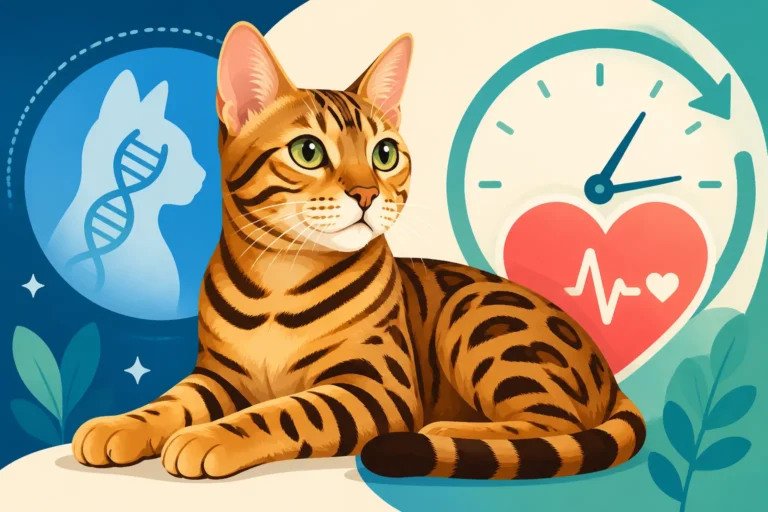
It’s a heart-wrenching thought for any Bengal cat parent: the possibility of your beloved feline friend losing their sight. The fear of an invisible genetic condition silently progressing, threatening their adventurous spirit and stunning eyes, is a legitimate concern that keeps many of us up at night. This guide aims to bring clarity and understanding to one such condition, Progressive Retinal Atrophy, specifically the PRA-b variant, by detailing the exact gene responsible for this devastating disease in Bengal cats.
Understanding Progressive Retinal Atrophy PRA-b
Progressive Retinal Atrophy, or PRA, isn't just one condition; it's a group of inherited eye diseases that slowly destroy the light-sensitive cells in the retina at the back of your cat's eye. For Bengal cats, we're primarily concerned with a specific form known as PRA-b. This isn't just a minor vision issue; it's a serious, progressive condition that ultimately leads to complete blindness. It can be incredibly distressing to witness, as our active and curious Bengals rely so heavily on their sharp senses.
What is PRA-b and its Impact?
Imagine your cat's retina as the film in a camera, capturing images and sending them to the brain. In PRA-b, these photoreceptor cells – the rods (for night vision) and cones (for day vision and color) – gradually deteriorate. The rods are usually affected first, meaning that one of the earliest signs you might notice is your Bengal struggling in dimly lit rooms or being more hesitant in their usual evening antics. As the disease progresses, the cones also start to fail, leading to total vision loss, often over a period of a few years. It's a slow, insidious process that robs them of their world bit by bit. Many owners report noticing changes in Signs a Bengal Cat Kitten Is Losing Night Vision.
The onset and progression can vary, but generally, Bengal cats affected by PRA-b will start showing signs of vision impairment as early as 1.5 to 2 years of age, often becoming fully blind by the time they are between two and seven years old. It’s a cruel twist when you consider how vibrant and energetic these cats are in their prime. The impact isn't just on their vision; it can affect their confidence, their ability to navigate their environment, and their overall quality of life if not managed empathetically. For a breed as agile and intelligent as the Bengal, losing such a crucial sense requires significant adaptation for both cat and owner. The thought of The Age a Bengal Cat With PRA-b Goes Blind can be a heavy burden for owners.
The Genetic Basis of PRA-b
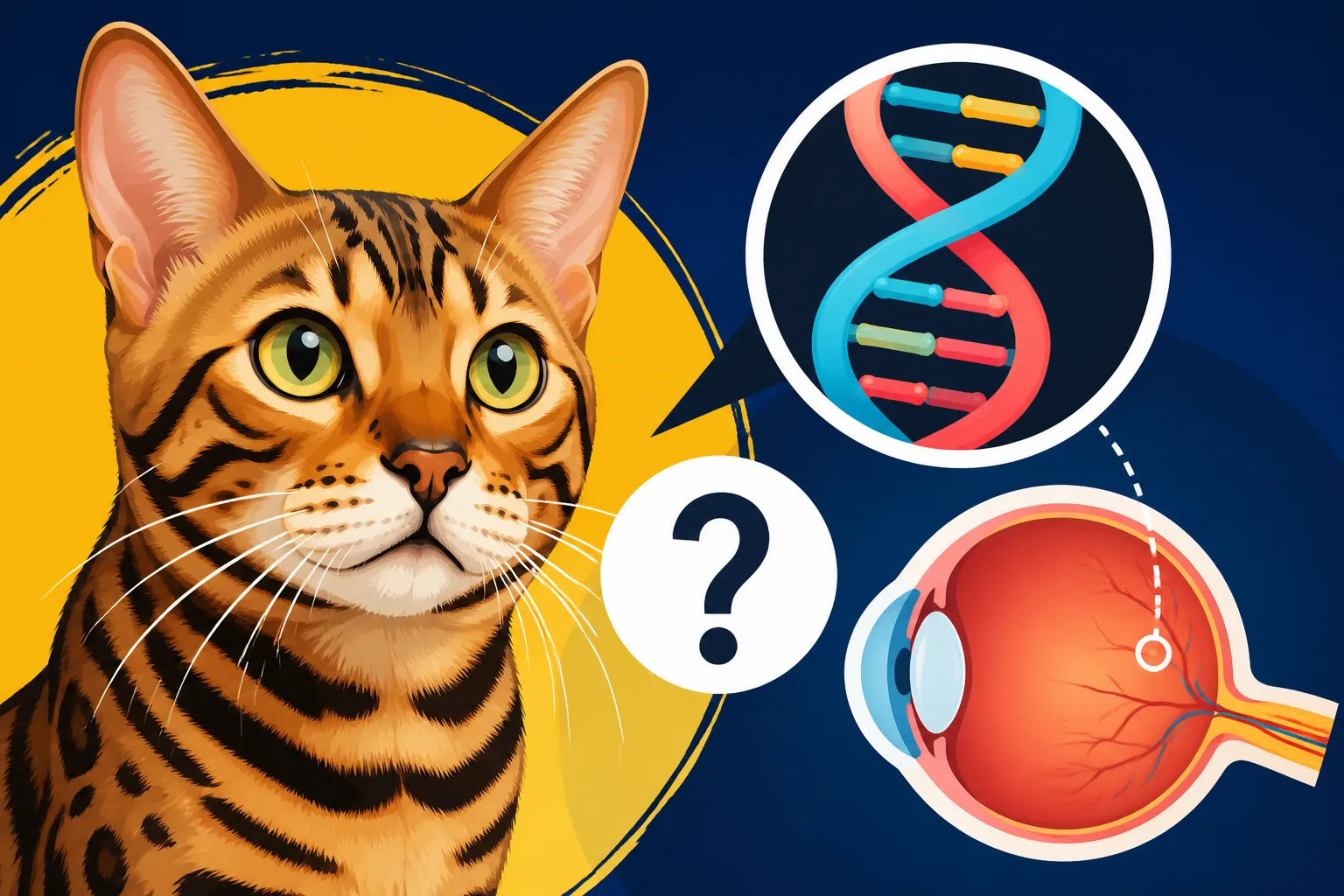
Now, to the heart of the matter: what causes this specific form of PRA in Bengal cats? It all comes down to a single, tiny error in their genetic code. Scientists have identified a specific mutation in a gene called CEP290 that is directly responsible for PRA-b in this breed. This wasn't an easy discovery, as many forms of PRA exist across different cat breeds and even other species, but the CEP290 mutation is unique to our beloved Bengals.
Understanding that it's a specific gene mutation helps us, as responsible owners and breeders, to take proactive steps. This isn't some random ailment that strikes without warning; it's a hereditary condition passed down through generations. Knowing the exact gene involved allows for accurate DNA testing, which is a powerful tool in preventing the spread of the disease and in making informed decisions about breeding and ownership. Without this scientific breakthrough, we'd be largely guessing, and many more cats would suffer.
How the Gene Mutation Leads to Blindness
To get a little more technical, the CEP290 gene plays a critical role in the development and maintenance of photoreceptor cells in the retina. Think of it as a blueprint for a crucial part of the eye's "machinery." When there's a mutation in this gene, that blueprint gets corrupted. Specifically, the CEP290 gene is known to be involved in the formation of cilia – tiny, hair-like structures found on cells, including the photoreceptor cells in the retina. These cilia are essential for the proper function of these cells, helping them process light and send signals to the brain.
When the CEP290 gene is mutated, the cilia in the retinal photoreceptor cells don't form correctly, or they malfunction. This leads to a cascade of problems: the cells can't develop properly, or they begin to degenerate prematurely. Over time, these vital light-sensing cells die off, leading to the progressive loss of vision that characterizes PRA-b. It's a fundamental breakdown at the cellular level, causing the retina to essentially "switch off." This process starts early, sometimes even before a kitten is fully developed, meaning that How Early a Bengal Cat Kitten's Retina Starts to Degenerate can be quite young.
The CEP290 Gene and its Role
The discovery of the CEP290 gene mutation was a significant leap forward in understanding and managing PRA-b in Bengal cats. It moved us from simply observing symptoms to understanding the root cause, enabling preventative measures that simply weren't possible before. This is why thorough testing is so vital for the health of the breed.
Pinpointing the Specific Mutation
The specific mutation in the CEP290 gene identified in Bengal cats is a single nucleotide polymorphism (SNP), often referred to as a point mutation. This tiny alteration in the DNA sequence is enough to disrupt the gene's function. It's like having a single incorrect letter in a crucial instruction manual, leading to the entire assembly line malfunctioning. This particular mutation is recessive, meaning a cat needs two copies of the mutated gene (one from each parent) to actually develop PRA-b and go blind. Cats with only one copy of the mutated gene are considered "carriers" and will not develop the disease themselves, but they can pass it on to their offspring. This is a critical distinction that impacts breeding practices.
This precision in identifying the exact mutation is what makes the DNA test for PRA-b so reliable. Labs like Optimal Selection, for example, can specifically screen for this CEP290 variant, providing breeders and owners with clear "clear," "carrier," or "affected" results. This level of detail ensures that efforts to eradicate the disease from breeding lines are targeted and effective. Knowing Which Lab Runs the Bengal Cat PRA-b Test is important for accurate results.
Autosomal Recessive Inheritance Pattern
The PRA-b in Bengal cats follows an autosomal recessive inheritance pattern. This fancy term simply means a few key things:
- Autosomal: The gene is located on a non-sex chromosome (not X or Y). This means it affects males and females equally.
- Recessive: For a cat to develop the disease, they must inherit two copies of the mutated gene – one from their mother and one from their father.
Let's break down the possibilities:
- Clear (N/N): The cat has two normal copies of the CEP290 gene. They will not develop PRA-b and cannot pass the mutated gene to their offspring.
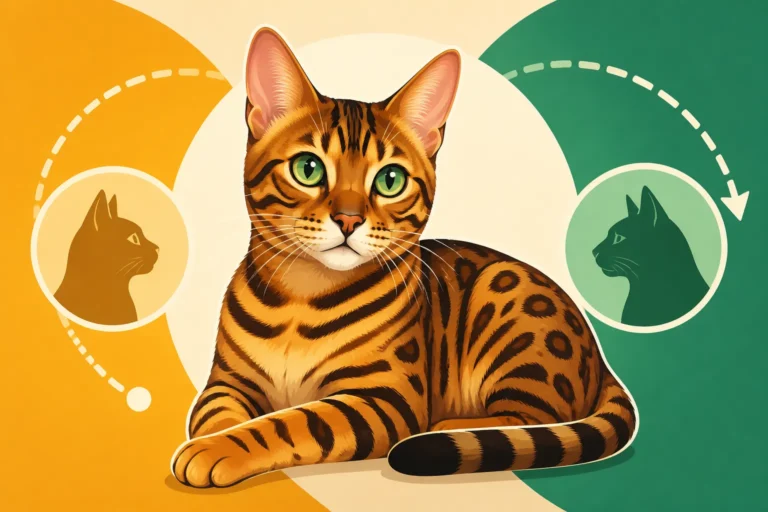
- Carrier (N/PRA-b): The cat has one normal copy and one mutated copy of the CEP290 gene. They will not develop PRA-b themselves (this is why Whether a PRA-b Carrier Bengal Cat Loses Sight is important to understand), but they can pass the mutated gene on to 50% of their offspring.
- Affected (PRA-b/PRA-b): The cat has two mutated copies of the CEP290 gene. They will develop PRA-b and eventually go blind. They will pass a mutated gene to all of their offspring.
This inheritance pattern highlights why breeding decisions are so important. If two carriers are bred together, there's a 25% chance their kittens will be affected, a 50% chance they'll be carriers, and a 25% chance they'll be clear. This is the crucial risk scenario that responsible breeders strive to avoid. Understanding How Two Carriers Produce a Blind Bengal Cat can be a real eye-opener for potential owners.
Why it's Specific to Bengal Cats
It's common to wonder why this particular CEP290 mutation seems so specific to Bengal cats. The answer lies in the breed's relatively recent development and its unique foundation. The Bengal cat breed originated from crosses between domestic cats and the wild Asian Leopard Cat (Prionailurus bengalensis). While the wild ancestor contributed many of the Bengal's striking physical traits, it also brought a distinct genetic pool.
It is believed that the CEP290 mutation likely arose spontaneously within the early Bengal breeding population or was present in one of the domestic cats used in the foundation of the breed. Because Bengal cats have a relatively narrow genetic bottleneck from their founders, this mutation, once present, could become more prevalent within the breed as it grew in popularity. This is known as a "founder effect," where genetic traits present in the initial small population become widespread. It’s a stark reminder that even stunning breeds can carry hidden genetic vulnerabilities. This specificity means that tests designed for PRA in other breeds usually won't work for Bengals, reinforcing why Whether Other Cat PRA Tests Cover a Bengal Cat is a common question.
Testing and Managing PRA-b in Bengal Cats
Given the devastating nature of PRA-b, proactive management through genetic testing is absolutely essential. It empowers breeders to make responsible choices and helps pet owners prepare for potential challenges. Pet insurance providers, like Healthy Paws, often encourage genetic testing as part of responsible pet ownership, as it can help prevent future health issues or at least provide some foresight into potential veterinary needs.
The Importance of DNA Testing
DNA testing for PRA-b is a straightforward and highly effective tool. A simple cheek swab, collected by you or your vet, is all that's needed. This sample is then sent to a specialized laboratory, which analyzes the cat's DNA for the specific CEP290 mutation. The results will clearly indicate if your Bengal is clear, a carrier, or affected. This information is invaluable.
For breeders, it's non-negotiable. Reputable Bengal cat breeders will always test their breeding stock for PRA-b, along with other known genetic conditions. They understand that breeding two carriers together is a recipe for producing affected kittens, which is irresponsible and heartbreaking. By testing, they can ensure that at least one parent in any pairing is clear, thereby guaranteeing that no kittens will be affected by PRA-b. This due diligence is part of what makes a breeder truly ethical. If a breeder shows you a kitten that is not cleared by parentage or direct test, that's a red flag. You should always ask Whether a Breeder Must Show a Bengal Cat's PRA-b Result before committing to a kitten.
For pet owners, especially if you're bringing home a new Bengal kitten, asking to see the PRA-b test results of the parents (or the kitten itself) is crucial. Even if your cat isn't for breeding, knowing their genetic status can inform future healthcare decisions and help you understand potential challenges. While pet owners don't typically need to test their individual pet Bengals for PRA-b if both parents were proven clear, it offers peace of mind. Some owners, however, still choose to test for a full picture of their cat's genetic health. Consider discussing this with your vet when setting up your new pet's wellness plan, and check if your pet insurance, like Healthy Paws, factors in genetic testing when determining coverage.
Implications for Breeders and Pet Owners
For breeders, the implications are clear: avoid breeding two PRA-b carriers together. The goal should always be to breed away from the disease, gradually reducing the number of carriers in the gene pool. This can be done by breeding carriers only with clear cats. While it might take time, careful genetic management can significantly decrease the prevalence of PRA-b. It's a long-term commitment to the health of the breed.
For pet owners, understanding the risks allows for better preparation. If you adopt an affected Bengal, you can plan for their eventual blindness by making your home safe and accessible. This might involve keeping furniture in consistent locations, providing scented markers, or ensuring their food, water, and litter boxes are easily reachable. Many blind cats adapt remarkably well, especially if their environment is stable. Learning How to Rearrange a Home for a Blind Bengal Cat can make a huge difference.
Furthermore, if you are planning to get pet insurance, like Healthy Paws, understanding the genetic predispositions of the Bengal breed can help you choose the right policy. While most policies have waiting periods or exclusions for pre-existing conditions, knowing about potential genetic issues can inform your decision-making from the outset.
Living with a PRA-b Affected Bengal
If your Bengal cat is diagnosed as affected by PRA-b, it’s natural to feel overwhelmed. However, it's important to remember that many cats adapt incredibly well to vision loss, particularly when it's gradual. Their other senses – hearing, smell, and touch – are incredibly keen and will often compensate remarkably.
Your role will shift to providing a stable, safe, and enriching environment. Consistency is key:
- Keep things consistent: Don't rearrange furniture or food/water bowls frequently. Your cat will create a mental map of their home.
- Sound and smell cues: Use distinct sounds for calling them, or even gentle scents near important areas like their litter box or bed.
- Safe spaces: Ensure they have safe, comfortable spots to retreat to where they won't be startled.
- Enrichment: Continue to offer toys that make noise or are scented. Leash walks in familiar, safe areas can still be enjoyable. Just ensure the harness is secure, like the Which Harness Fits a Bengal Cat guide recommends.
- Veterinary care: Regular vet check-ups are still important to monitor their overall health and ensure there are no other underlying issues. Good pet insurance, such as Healthy Paws, can certainly help manage these ongoing costs.
- Patience and love: Most importantly, provide an abundance of patience, reassurance, and love. Your Bengal will still be the same loving companion, just navigating the world a little differently.
In many cases, Whether a Bengal Cat With PRA-b Lives a Normal Life is a resounding yes, though with adjustments. It's a testament to their resilience and adaptability, and to the unwavering bond we share with them.
Here's a quick overview of the CEP290 gene and PRA-b:
| Feature | Description | Implications |
|---|---|---|
| Gene Responsible | CEP290 | Specific to Bengal cats, standard genetic testing can identify mutation. |
| Mutation Type | Point mutation (SNP) | A precise change in the DNA sequence, leading to photoreceptor cell dysfunction. |
| Inheritance Pattern | Autosomal Recessive | Cat needs two copies of the mutated gene to be affected. Males and females are equally susceptible. |
| Genetic Outcomes | Clear (N/N), Carrier (N/PRA-b), Affected (PRA-b/PRA-b) | Breeders must avoid pairing two carriers to prevent affected offspring. |
| Disease Progression | Gradual degeneration of photoreceptor cells (rods then cones) | Starts with night blindness, progresses to total blindness, typically between 2-7 years of age. |
| Diagnostic Method | DNA test via cheek swab | Highly accurate and reliable for identifying genetic status, even in kittens. |
| Treatment | No cure or specific treatment | Focus shifts to supportive care, environmental adjustments, and proactive management of potential secondary issues. |
The journey of understanding and managing genetic conditions like PRA-b can be daunting, but with the knowledge of the CEP290 gene and responsible practices, we can continue to protect and cherish our incredible Bengal cats for many years to come.
Disclaimer
Please remember that the information provided in this article is for educational purposes only and should not be considered a substitute for professional veterinary advice. Always consult with a qualified veterinarian or a veterinary ophthalmologist for any concerns regarding your Bengal cat's health, diagnosis, or treatment options. Genetic testing results should always be interpreted in consultation with a genetic counselor or a veterinary professional.